
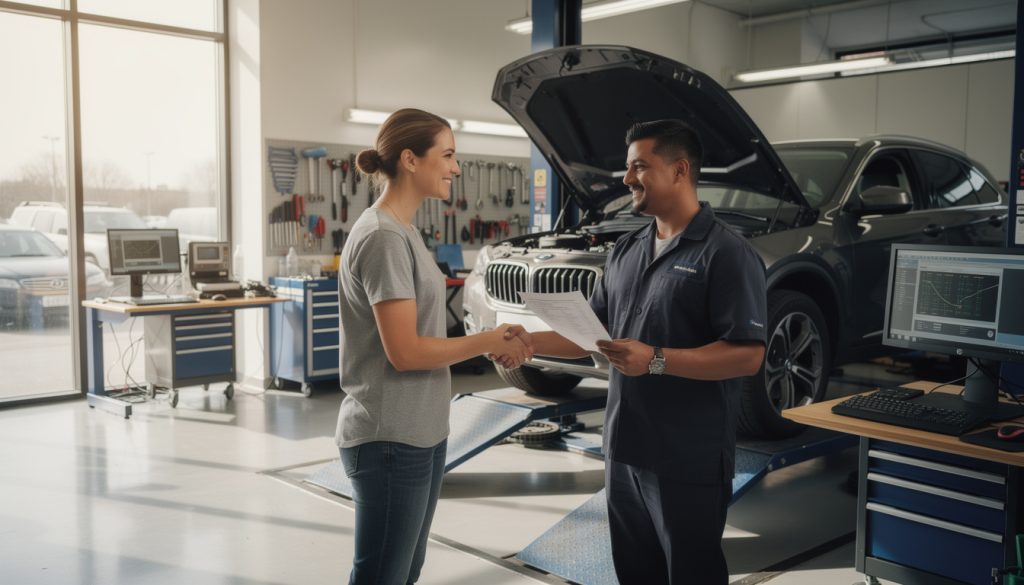
Getting your car repaired can be stressful, especially with the rising complexity of vehicles in 2026. Computer-controlled systems and non-serviceable parts make it difficult to grasp what’s really happening under your car’s hood. This knowledge gap often gives mechanics a pricing advantage, sometimes resulting in overcharging. But there’s good news—by adopting some smart strategies, you can protect yourself and ensure fair pricing without sacrificing quality. Whether you’re dealing with routine maintenance or unexpected repairs, these tips will empower you to make informed decisions and avoid costly surprises at the garage.
Key Takeaways :
- Always seek recommendations and gather honest opinions from trusted sources.
- Choose independent or specialized mechanics for better service and transparent pricing.
- Request clear upfront estimates and verify part prices yourself.
- Inspect your old parts and stay involved throughout the car maintenance process.
- Keep detailed service records to identify unnecessary repeat repairs.
How to Select a Trustworthy Car Mechanic to Avoid Being Overcharged
Picking the right car mechanic is the first line of defense against being overcharged. Mechanics often hold a knowledge advantage as vehicles grow more technically complex. Since changing your appearance or personality isn’t an option, the strategy lies in who you trust and how you approach them.
Start with word of mouth. Friends and family who have reliable experience with local garages can lead you to trustworthy mechanics. Keep in mind people tend to share negative experiences more readily, but positive ones are equally valuable indicators.
Independent garages often depend heavily on building strong reputations through word of mouth. Because they don’t have large corporate overheads, they tend to offer more competitive prices without cutting corners.
Another smart move is to engage specialized repair shops focused on your car’s make and model. These niche mechanics understand your vehicle’s unique systems, which means faster diagnosis, better workmanship, and possibly lower labor hours—even if their hourly rate is slightly higher.
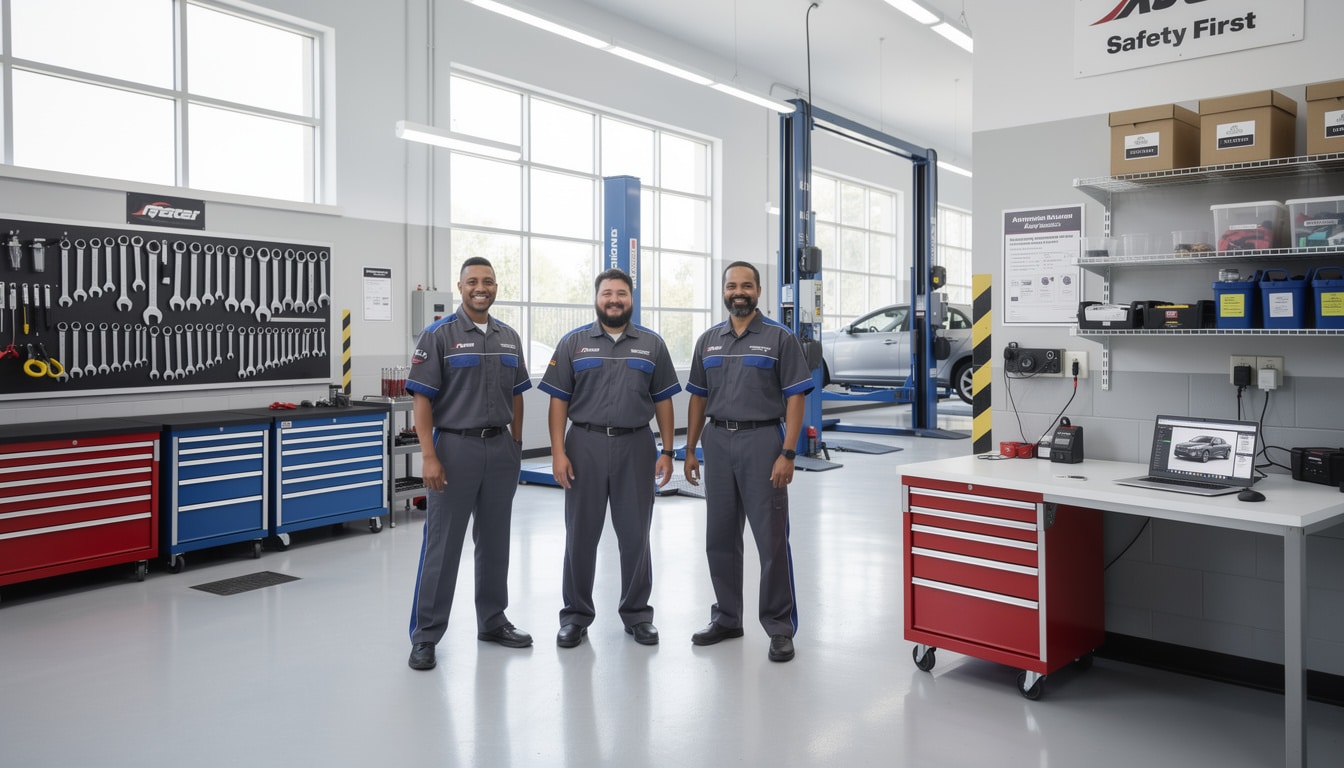
Before finalizing your choice, visit the shop. A clean and organized workshop usually reflects a professional approach. Talk to the staff to gauge their willingness to explain repairs clearly, since a communicative mechanic is less likely to sneak in unnecessary work.
- Ask locals or online forums for mechanic recommendations.
- Visit the garage to assess their cleanliness and atmosphere.
- Choose specialists for complex repairs or luxury cars.
- Check online reviews but look for volume and consistency.
In summary, a combination of research, personal interaction, and understanding the mechanic’s expertise can dramatically reduce your risk of being overcharged.
Smart Strategies to Prevent Overcharging: Getting Clear Estimates and Understanding Mechanic Pricing
The moment you step into a garage, getting clear and written estimates should be your top priority. Mechanics sometimes provide vague pricing that can surprise you with a larger bill than expected. Here’s how to tackle this.
Always ask for a detailed cost breakdown. This includes labor hours multiplied by their hourly rate, specific parts pricing, and any extra fees.
Do your homework on parts costs. Thanks to online retailers and forums in 2026, checking the market price for your car parts has never been easier. If the garage prices a part excessively, you might be able to supply your own—or at least negotiate a better deal.
Request that the mechanic contacts you before approving costly repairs. This prevents last-minute shocks to your budget, ensuring you retain control over what work proceeds.
It’s also smart not to give an open-ended approval for repairs. Mechanics might be inclined to find and charge for smaller faults when they’re given free rein. Specify exactly what you want done and set limits to the repairs you agree on.
Here is a quick checklist for handling mechanic pricing:
- Get written estimates before any work begins.
- Request a clear explanation of labor rates and parts prices.
- Research and compare parts prices online.
- Agree on communication protocols for unforeseen costs.
- Avoid authorizing repairs without explicit approval.
💡 Expert Tip: Before authorizing work, ask the mechanic to provide an estimate with a maximum cap you won’t exceed without notifying you.
How to Spot Overcharging: Recognizing Common Symptoms and Red Flags in Vehicle Service
It’s not always easy to tell if you’re being overcharged until you analyze the repair details. Some symptoms and behaviors to watch out for can alert you earlier.
Slow job turnover at the garage is a red flag. If you constantly see the same cars parked for weeks without movement, it may indicate disorganized workflow or deliberate delays.
A mechanic refusing to let you view replaced parts can be suspicious. Asking to see your old brake pads or alternator can confirm whether a replacement really took place.
Watch for unexplained additional repairs recommended soon after your last service, especially if you keep receipts proving recent replacements. This often hints at upselling rather than genuine issues.
Garage environments also give clues. Unkempt waiting areas and surly staff names often correlate with poor service and questionable practices. Happy, communicative staff usually mean the shop cares about customer experience.
| Warning Sign | Possible Cause | What You Can Do |
|---|---|---|
| Slow job turnaround | Poor management or deliberate delay to inflate costs | Ask for time estimates and hold them accountable |
| Not showing replaced parts | Potential parts substitution or no replacement | Request the old parts before leaving |
| Repeated repairs shortly after service | Unnecessary upselling | Keep detailed receipts and question the need |
| Unfriendly or evasive staff | Lack of professionalism or unhappy workforce | Consider changing the garage |
Practical Vehicle Maintenance Tips: How Routine Care Helps You Avoid Unnecessary Repair Costs
Preventive maintenance is your best shield against high auto repair bills and questionable mechanic pricing. Staying on top of scheduled maintenance as per your car’s manual reduces wear and tear, lowering the chance of unexpected failures.
Stick to manufacturer’s service intervals. These are based on rigorous testing and ensure vital parts get replaced or inspected at the right times. Many vehicles also remind you electronically when maintenance is due.
Keep all your service receipts and documentation. A well-maintained vehicle history protects you from mechanic scams. If a part you recently replaced is suddenly flagged again, you have proof to challenge unnecessary work.
Learn to recognize simple warning signs yourself, such as strange noises, warning lights, or unusual smells. Identifying likely issues early can help you ask targeted questions when you visit your mechanic and prevent extra diagnostic charges.
- Check basic fluids regularly (oil, coolant, brake fluid).
- Inspect wear items like tires and brake pads.
- Schedule timely oil changes following the manual.
- Note any changes in vehicle performance promptly.
Being proactive saves you from costly repairs caused by neglect and limits the mechanic’s opportunity to push unnecessary services.

Regular maintenance goes hand in hand with knowing your vehicle. In 2026, with smarter onboard diagnostic tools available, it’s easier than ever to detect specific faults early, which puts you in a solid position to argue your case with mechanics if you suspect overcharging.
Consumer Protection and Smart Negotiation Techniques for Auto Repairs
Knowing your rights and how to negotiate effectively can save hundreds or even thousands on car repairs. Legally, garages must provide services with reasonable care and skill. If you receive shoddy work or inflated invoices, you can escalate complaints or seek redress.
Document everything. Detailed paperwork, estimates, and communications form your defense if things go wrong. Take photos if needed and keep texts or emails.
Don’t hesitate to get a second opinion. If your mechanic suggests expensive replacements, consider another mechanic’s advice or an AI-powered diagnostic tool to confirm the diagnosis.
Be assertive but polite. Asking questions about the necessity of a repair, the parts used, or alternatives can pressure a mechanic to justify charges and avoid upselling.
Financing options exist for costly repairs, but use them carefully. Sometimes spreading payments can help manage a budget without refusing necessary maintenance, but always understand the terms clearly.
- Always keep all documentation and receipts.
- Request second opinions on large or unexpected repairs.
- Understand warranty coverage and consumer rights.
- Use clear negotiations to agree on prices up-front.
- Report dishonest practices to consumer protection agencies.

How can I verify if a car repair estimate is fair?
Compare the estimate with online parts prices and ask for a breakdown of labor rates. Getting a second opinion is also useful for larger repairs.
Is it necessary to keep old car parts after a repair?
Yes, inspecting old parts helps confirm that replacements were genuinely done and can protect you from being overcharged with fake claims.
What should I do if I feel a mechanic is overcharging me?
Request detailed explanations, get a second opinion, and contact local consumer protection agencies if needed.
Are specialized mechanics more expensive?
Not necessarily. They often work faster and offer higher quality, potentially saving you money on labor and recurring repairs.
How often should I perform scheduled maintenance to avoid costly repairs?
Follow your vehicle’s manual carefully. Most manufacturers recommend servicing at set mileage intervals, often every 10,000 to 15,000 miles.
