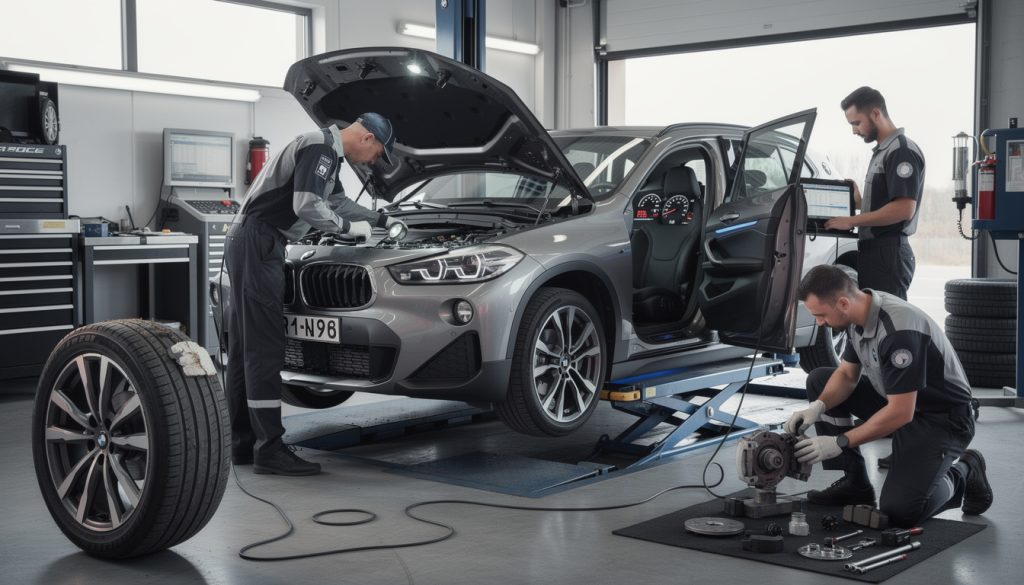
The BMW X2 stands out as a sleek, sporty luxury compact SUV, renowned for its unique coupe-like styling and dynamic driving experience. Since its launch in 2018, it has attracted enthusiasts who want something more expressive than traditional SUVs, blending style with the practicality of a crossover. However, like any vehicle, the BMW X2 is not without its quirks and issues. As of 2026, understanding the common problems that owners encounter is crucial not only for current users but also for prospective buyers evaluating this model for purchase. Recognizing these typical faults can save significant time, money, and stress by ensuring early interventions and informed maintenance schedules.
The issues ranging from engine trouble to electrical faults and transmission problems have surfaced predominantly in the first-generation X2s (F39 series). Addressing these proactively not only protects the performance and longevity of the vehicle but also improves driving safety and satisfaction. Let’s explore the intricacies of these faults, their possible causes, and effective repair solutions crafted by mechanical experts over the years.
Key Takeaways:
- The BMW X2 exhibits common problems such as coolant leaks, oil gasket leaks, and door handle malfunctions.
- Electrical faults including rough idle at cold starts and infotainment audio failures have been reported.
- Transmission and braking systems require diligent inspections to avoid serious repair costs.
- Some models are affected by recalls involving steering gear, tie rod ends, and high-voltage battery safety.
- Regular maintenance and expert professional checks are essential for reliable operation and safety.
Engine Trouble in the BMW X2: Coolant and Oil Leaks You Should Monitor
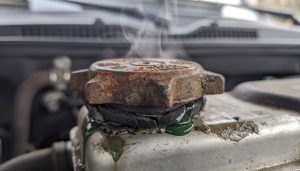
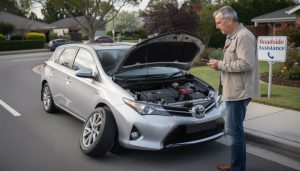
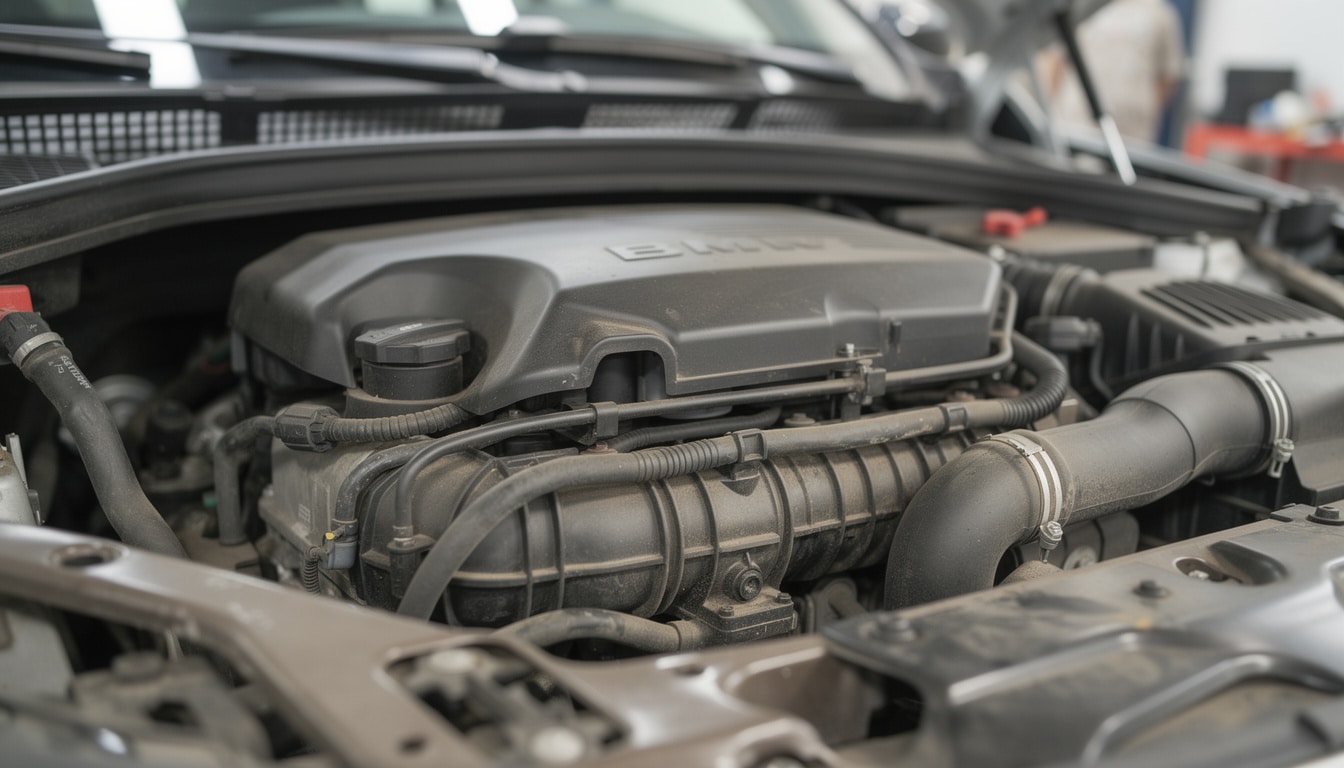
One of the most persistent engine trouble issues with the BMW X2 revolves around the cooling system. Owners frequently report coolant leaks, often caused by faulty components or deteriorated hoses within the cooling circuit. Left unattended, these leaks can escalate and cause severe engine overheating, potentially resulting in expensive damage.
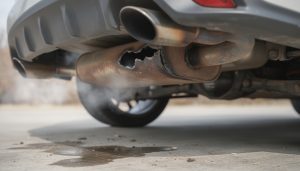
The valve cover gasket is another frequent culprit behind oil leaks. A leaking oil gasket not only creates a mess but risks reduced lubrication leading to engine wear. The typical timeline for this leak to manifest is between 50,000 to 70,000 kilometers, depending on driving conditions and maintenance habits. Early symptoms include oil spots under the vehicle or an unexpected drop in oil levels.
Routine inspections of the coolant system and oil seals by a mechanic specializing in BMW vehicles can detect these issues early. Replacement of worn hoses, gaskets, or coolant pumps significantly reduces the risk of engine damage. For example, several owners have noted that switching to high-quality OEM coolant and adhering strictly to BMW’s recommended service intervals keeps the system more stable.
💡 Expert Tip: Check your BMW X2’s coolant level monthly and immediately follow up on any warning lights. Preventative maintenance can save you thousands in engine repair down the line.
Despite these concerns, the BMW X2’s engines are generally robust, especially when upkeep is consistent. The petrol versions, including the popular sDrive28i and xDrive28i, share these common vulnerabilities but respond best when owners remain vigilant about gasket and coolant conditions.
Transmission Problems and Brake Issues: Keeping the Drive Responsive
When assessing your BMW X2’s reliability, transmission problems and brake issues are high on the priority list. Some drivers notice rough shifting or hesitation during acceleration, frequently attributed to wear and minor manufacturing inconsistencies. While intermittent, these symptoms can impact driving performance and comfort.
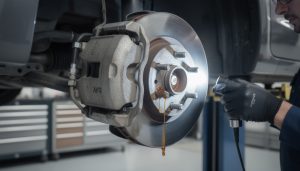
Brake wear is another regularly reported concern. The BMW X2, given its sportier stance and dynamic capabilities, demands attention to brake pads and rotors, which may wear faster under aggressive or urban driving conditions. Persistent brake squealing or reduced braking efficiency are signals that replacement or servicing is due.
Ensuring regular inspections at qualified BMW service centers is the optimal approach. Rapidly replacing brake pads and rotors when worn prevents damage to the braking system and sustains the safety features designed into the X2. Some owners have discovered that switching to high-performance brake pads enhances longevity, particularly in city driving.
💡 Expert Tip: Pay close attention to any changes in brake pedal feel or transmission responsiveness and seek professional diagnostics promptly to prevent minor issues from escalating.
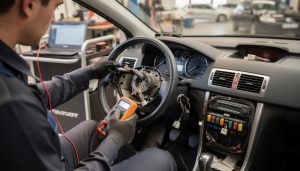
Advanced BMW diagnostic software employed by dealers can detect transmission software glitches or mechanical faults early, making authorized workshops the best option for accurate repair solutions.
Electrical Faults in BMW X2: Infotainment, Sensors, and Startup Issues
The electrical system in the BMW X2 encompasses several components where faults have been noted, notably affecting the driving experience. Among these, rough idle on cold start is a typical complaint. The engine may feel unstable or judder suddenly after ignition in colder weather, likely influenced by sensor performance or software calibration.
Another common trouble spot is the infotainment system’s audio loss. This can originate from software glitches, loose wiring, or faults in the vehicle’s control modules. Aside from being a nuisance, these faults subtly indicate broader electrical maintenance may be necessary.
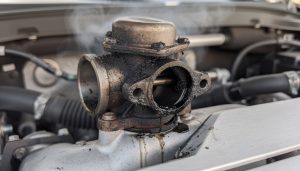
Electronic hesitation when accelerating or abnormal throttle response rounds out the list of standard electrical issues. Firmware updates from BMW dealerships often resolve these glitches, highlighting the importance of regular software maintenance.
Owners should ensure software is up to date and seek expertise from mechanics with dealership-level diagnostic tools. Neglecting these faults may aggravate performance or result in unexpected behavior on the road.
Furthermore, using reputable online forums and BMW owner communities offers valuable insights into how other drivers are addressing these electrical quirks, sometimes providing practical remedies or confirming reliable workshops for repairs.
Recalls and Known Defects Affecting BMW X2 Safety and Functionality
In the interest of safety and vehicle integrity, BMW has issued multiple recalls concerning the X2 model. One of the most critical recalls involves the steering gear and tie rod ends. Faulty parts here can lead to reduced steering control, which is undoubtedly dangerous if not addressed promptly.
Another high-stakes recall pertains to the high voltage battery short circuit risk found mainly on plug-in hybrid versions of the X2. This fault poses a fire hazard during charging and has necessitated urgent service campaigns to replace or repair affected components.
Additionally, the tail lamp assembly problem has been flagged for providing insufficient night-time illumination, compromising visibility and safety. While less severe than mechanical flaws, this remains a priority fix to uphold the model’s premium standards.
Beyond physical parts, failure of the outer door handles has been reported, typically requiring complete unit replacement. This issue, though inconvenient, emphasizes the need to maintain even seemingly minor systems for smooth operation and quick emergency egress.
Recalls Table:
| Recall Issue | Model Affected | Potential Risk | Recommended Action |
|---|---|---|---|
| Steering Gear and Tie Rod Ends | BMW X2 F39 | Loss of steering control | Immediate inspection and replacement |
| High Voltage Battery Short Circuit | X2 PHEV Models | Fire hazard during charging | Battery check and repair under recall |
| Tail Lamp Assembly | BMW X2 | Poor visibility at night | Repair or replacement of lamps |
| Outer Door Handle Malfunction | Older X2 Models | Inaccessibility and safety risk | Door handle component replacement |
Conducting a VIN number check on the BMW or consulting the National Highway Traffic Safety Administration (NHTSA) website is a straightforward way to verify if your car is under any recalls.
Maintenance Tips and Repair Solutions to Keep Your BMW X2 in Top Shape
Proper maintenance remains the cornerstone for mitigating common problems in the BMW X2. Scheduled service checks designed by BMW focus on key areas including the cooling system, brakes, oil gaskets, and electronic modules.
Tyre condition should never be overlooked. Uneven wear or unusual noise can signal alignment issues or suspension problems that detract from safety and ride comfort. Routine tire rotation and balancing, combined with regular wheel alignment, extend tire life and maintain optimal handling.
Staying informed about repair solutions is facilitated by independent BMW mechanics who often offer dealer-level expertise at competitive prices. These specialists can address model-specific issues like the X2 sDrive28i’s sometimes sensitive throttle calibration or the xDrive28i’s brake wear concerns effectively.
BMW owners benefit greatly from networked communities and professional advice that provides insights into emerging common faults and the most cost-effective fixes. Integrating this knowledge with proactive maintenance habits establishes a smoother ownership experience.
For any software-related issues, always ensure your vehicle’s firmware is updated via an authorized dealer. Software patches not only fix existing bugs but also improve engine responsiveness and safety functions.
- Regularly check coolant and oil levels to catch leaks early
- Schedule brake inspections every 15,000 km or sooner if symptoms arise
- Keep your vehicle’s software updated at dealer visits
- Inspect and maintain tires quarterly for even wear and pressure
- Address door handle and lighting malfunctions promptly for safety
What causes oil gasket leaks in the BMW X2 and how can I fix them?
Oil gasket leaks in the BMW X2 are typically caused by aging and wear of the valve cover gasket. Fixing this requires replacement of the gasket by a certified mechanic, ensuring tight sealing and preventing engine oil leaks that can damage the engine. Regular inspection is key.
Are there transmission issues common to all BMW X2 models?
While not universal, some BMW X2 models experience shifting hesitation and rough transitions, often due to wear or software glitches. Regular maintenance and diagnostics at authorized BMW workshops help prevent these problems from escalating.
How do I know if my BMW X2 is subject to a recall?
You can identify if your BMW X2 has a recall by using your vehicle’s VIN on the official BMW website or the National Highway Traffic Safety Administration (NHTSA) database. Recall repairs are typically free and critical for maintaining safety and reliability.
What maintenance tips can extend the lifespan of a BMW X2?
Consistent adherence to BMW’s recommended service schedule, including coolant system checks, brake maintenance, timely oil changes, and software updates, will greatly increase your vehicle’s lifespan and performance.
Why does my BMW X2 hesitate when accelerating?
Acceleration hesitation in a BMW X2 commonly results from throttle response issues related to firmware glitches or mechanical wear. Prompt diagnostics and software updates by a qualified mechanic typically resolve this problem.