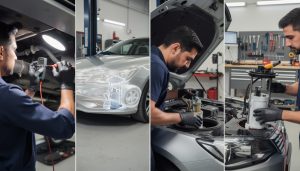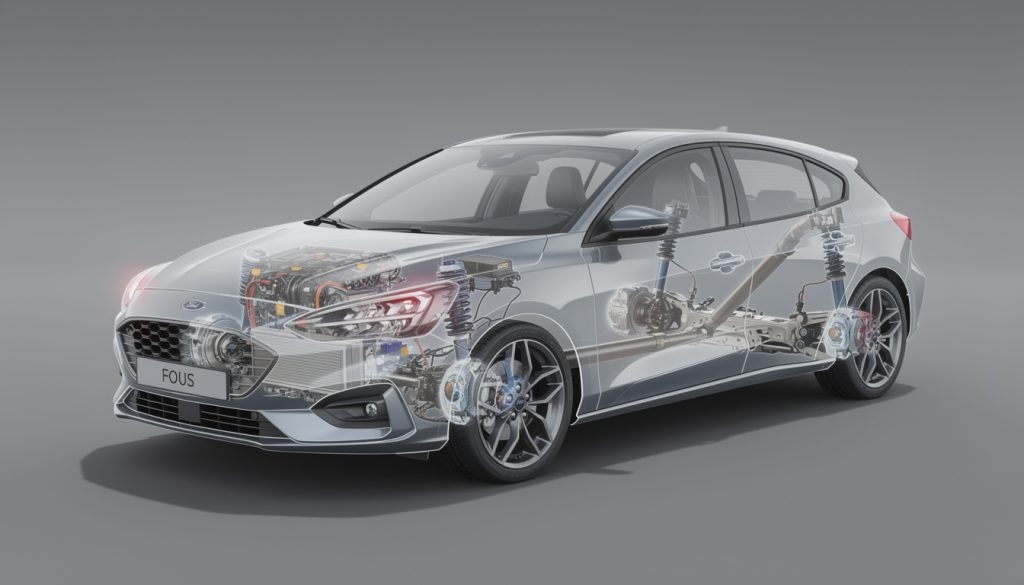
The Ford Focus remains a staple in the compact family car segment due to its reliable performance and practicality. Yet like any popular model with a long production history, it comes with its share of frequent failures impacting key components. From engine to transmission, and electrical faults to suspension wear, understanding what tends to break down is essential for owners and buyers alike. The widespread availability of parts and affordable maintenance options add a layer of reassurance in tackling these issues head-on.
Key Takeaways :
- The Ford Focus often experiences recurring issues with the transmission and engine systems.
- Electrical faults and brake system problems are common and require early detection.
- Corrosion and suspension wear are typical in older models but manageable with routine checks.
- Replacing seals and minor parts can be done affordably with used components.
- Recalls should be researched carefully before purchase to prevent costly repairs.
Identifying Frequent Ford Focus Engine Issues and What They Mean
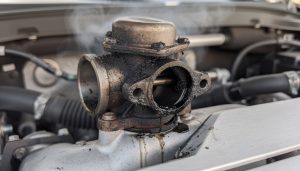
One of the core areas where Ford Focus models commonly face trouble is the engine. Owners often report symptoms like fluctuating RPMs, unexpected stalling, or low-speed pre-ignition, which can be traced back to several mechanical and electronic causes. For example, faulty fuel injectors or sensors can disrupt fuel supply, causing erratic engine behavior. Additionally, timing chain or belt wear also affects performance but is less frequently observed.
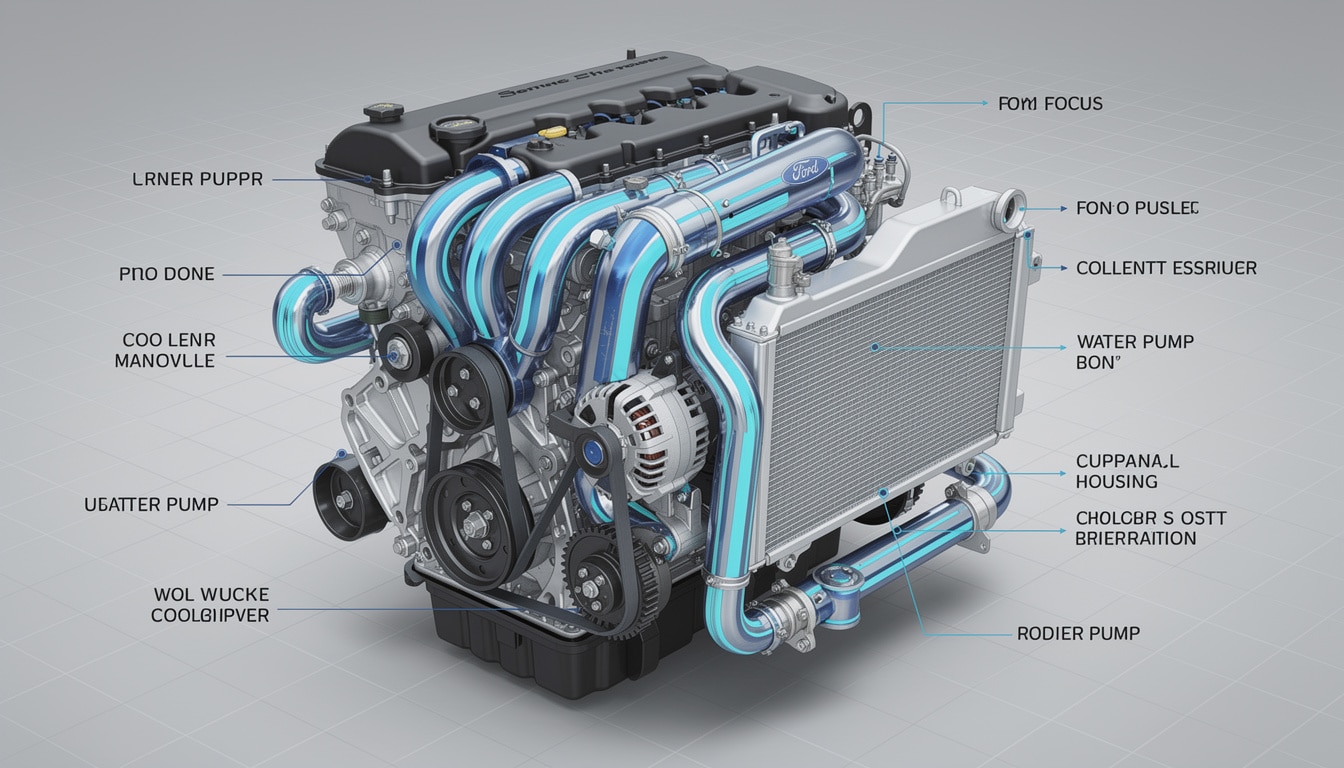
Specific engine failures have been linked to overheating caused by environmental factors like road salt exposure during cold winters. In 2009, certain models were recalled when engine fires were reported due to corrosion affecting the radiator fan. This highlights the importance of monitoring the cooling system — a critical key component — which when compromised, can escalate engine damage quickly.
Simple maintenance checks, such as verifying coolant levels and inspecting hoses for leaks or brittleness, will often prevent catastrophic engine damage. Moreover, using a diagnostic scanner to read engine codes provides early detection of sensor malfunctions.
Symptoms that indicate engine issues include:
- Fluctuating engine speed while idling
- Engine stalling unexpectedly during driving
- Check engine light illuminated persistently
- Unusual noises from the engine bay
- Increased fuel consumption or poor acceleration
Diagnosing these symptoms early helps avoid costly repairs such as full engine rebuilds or replacements. According to repair cost data, fuel system fixes might range from $150 to $400, while timing chain or coolant system repairs could reach $800 or more depending on the scope.
💡 Expert Tip: If your Ford Focus engine is showing irregular RPMs, immediately check the fuel tank pressure sensor and cooling system components to prevent further degradation. You can learn more about sensor diagnostics here.
Understanding Transmission Problems in Ford Focus Models
The transmission system, especially the dual-clutch automatic transmission found on models from 2012 to 2016, is notorious for generating frequent failures in the Ford Focus range. Drivers often experience rough or delayed shifting, slipping gears, or complete loss of transmission function. These problems usually manifest as jerking during gear changes or warning lights specifically tied to transmission faults.
The complex design of PowerShift dual-clutch systems means that wear on clutch packs or hydraulic components can develop prematurely, leading to symptoms that compromise drivability and safety. Transmission fluid quality and level checks are essential routine maintenance, as contaminated fluid accelerates wear.
Part replacement such as clutch packs or mechatronic units can be costly—often exceeding $1,500—so preventative action like fluid flushes at recommended intervals is crucial. Some models had factory recalls or extended warranties to cover these transmission failures, an important consideration for buyers of used Focus vehicles.
Signs that indicate transmission problems include:
- Rough or jerky gear changes
- Delayed engagement when shifting from park or neutral
- Limp mode activation limiting transmission performance
- Transmission warning lights on the dashboard
- Unusual noises or vibrations during acceleration
The frequency of these issues means many garages are well-equipped to diagnose and repair Focus transmissions, but early identification saves both money and hassle in repairs.

Electrical Faults and Brake System Concerns: What Ford Focus Owners Should Watch Out For
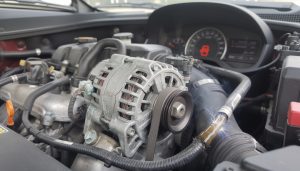
Besides mechanical faults, electrical issues rank among the common failures in the Ford Focus, affecting everything from lighting to power steering. For instance, electric power steering failures cause the steering to become heavy or unresponsive, mostly reported on models with electric power steering systems. Electrical glitches may also impact dashboard warning systems, creating confusion over actual vehicle status.
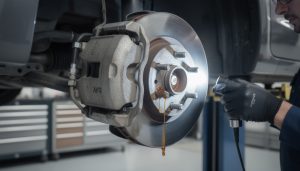
Another critical safety concern lies within the brake system. Brake wear sensors and ABS components occasionally develop faults, triggering warning lights or reduced brake efficiency. Regular inspections to check pad thickness, rotor condition, and ABS functionality are vital for safe driving. These faults, if left untreated, might lead to increased stopping distances or uneven brake wear, compromising vehicle control.
Both electrical and braking system repairs tend to be reasonably affordable if attended promptly. Replacing sensors, wiring connectors, or individual brake parts generally costs between $200 and $500 but can rise if electronic modules require replacement.
- Inspect electric power steering system starts to feel heavy
- Watch for erratic dashboard lights or electrical accessory failures
- Check for brake warning lights or soft pedal feel
- Schedule regular brake pad and rotor inspections
- Keep battery and fuse box clean to reduce electrical corrosion
Understanding these common faults will help you maintain safety and reliability on the road with your Focus.

Managing Suspension Wear and Corrosion in Older Ford Focus Models
As Ford Focus vehicles age, their suspension components become prone to wear and corrosion issues, especially if used in regions with harsh winters and salted roads. Frequent issues include worn-out shock absorbers, bushings, and springs, negatively impacting ride comfort and handling stability. Rear wheel arches are especially vulnerable to rust, a known weak spot in older Focus models without protective plastic strips.
Routine visual inspections help catch suspension deterioration before it escalates to safety hazards like imbalanced steering or uneven tire wear. Replacing worn bushings or shocks is manageable and improves vehicle control significantly. Rust treatment or replacement of corroded body parts, like wheel arches, should be considered preventative maintenance.
Key maintenance tips for suspension and bodywork include:
- Check suspension mounts and shock absorbers yearly
- Inspect rear wheel arches for early signs of corrosion
- Wash and wax vehicle regularly to reduce salt damage
- Apply rust-proof coatings or plastic strips where necessary
- Replace suspension components in matched pairs for balanced handling
Failure to address these issues in time can result in costly repairs or reduced resale value. Proper upkeep ensures your Focus maintains driving sharpness and visual appeal over years of use.
Practical Maintenance Tips and Checklist to Prolong Your Ford Focus’s Life
Routine maintenance is the cornerstone of avoiding frequent failures in Ford Focus vehicles. Based on common issues, I recommend focusing on a specific checklist to keep critical systems in top condition. This proactive approach limits unexpected breakdowns and helps keep repair costs within budget.
| Maintenance Task | Recommended Frequency | Key Benefits |
|---|---|---|
| Engine coolant and hose inspection | Every 12 months or 15,000 miles | Prevents overheating and cooling system failure |
| Transmission fluid check and change | Every 40,000 miles or per owner’s manual | Prolongs transmission life and smooth shifting |
| Brake system visual inspection | Every 10,000 miles or yearly | Ensures braking safety and component longevity |
| Suspension component check | Annually or after rough terrain use | Maintains ride comfort and handling stability |
| Electrical system test including power steering | During major service intervals | Alerts to developing faults preventing failures |
Following these maintenance tips not only safeguards your vehicle’s function but helps maintain a higher resale value. Also, always check if previous owners addressed recalls or service bulletins specific to your model year to avoid known defects.
For a broader understanding of vehicle check-engine warnings and common causes, it helps to review insights from related car models, such as common causes of engine warning lights. Cross-referencing knowledge like this can give you an edge in troubleshooting your Focus.

What are the most common engine problems in a Ford Focus?
Typical issues include fluctuating RPMs, stalling, and cooling system failures often caused by sensor faults or worn components.
Why does my Ford Focus transmission feel jerky?
This usually indicates problems with the dual-clutch automatic system, such as worn clutch packs or low-quality transmission fluid.
How can I detect electrical faults in my Focus early?
Look for erratic lighting, electrical accessory malfunctions, or warning lights on the dashboard as early signs of electrical issues.
Is it expensive to fix suspension wear on an older Ford Focus?
Suspension component replacement can be moderately priced, but addressing problems early avoids higher costs linked to handling or tire wear problems.
Where can I find affordable replacement parts for my Ford Focus?
There is a wide availability of used parts online and in salvage yards, thanks to the Focus’s popularity, making repairs more affordable and accessible.