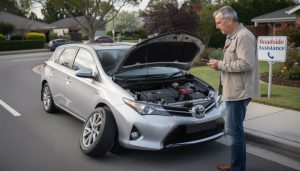
The Toyota Yaris has established itself as a staple in city driving and subcompact car enthusiasts across the UK and beyond since its launch in 1999. Renowned for its nimble handling, comfortable interior, and strong safety features, it remains a popular choice. Yet, as with any vehicle, it isn’t completely free from technical and safety-related issues that every owner should be aware of to ensure their vehicle remains safe and reliable on the road.
In this article, I dive into the major safety concerns reported by Toyota Yaris owners, highlighting the exact symptoms, potential causes, and actionable solutions. From brake problems that can affect stopping power to airbag issues that could compromise occupant safety, understanding these faults is critical to maintaining roadworthiness and protecting yourself and your passengers. Whether you’re a current owner or considering purchasing a used Yaris, knowing these details can save you significant stress and possibly costly repairs.
Key Takeaways :
- Brake light and brake fluid leaks are the most common safety defects reported, affecting braking reliability.
- Faulty airbags and deployment failures primarily impact models produced between 2011 and 2014 due to moisture ingress and electrical faults.
- Power steering malfunctions in certain production years may increase steering difficulty and risk.
- Rear seatbelt wear caused by sharp edges on anchors can compromise passenger safety in sudden stops or accidents.
- Vehicle recalls issued by Toyota often cover these faults, but many drivers may miss the manufacturer alerts.
Brake Safety Issues in Toyota Yaris: What Every Owner Should Check
The Toyota Yaris, despite its good reputation, has faced recurring problems relating to its brake system. Brake lights often trigger warning signs without actual faults, confusing drivers about the true state of their brakes.
Owners of 2014 models, in particular, have experienced issues where the brake warning light illuminates while the brake system itself remains functional. This can often be traced back to malfunctions in the right-hand front brake caliper, which may require replacement to resolve the warning light problem fully.
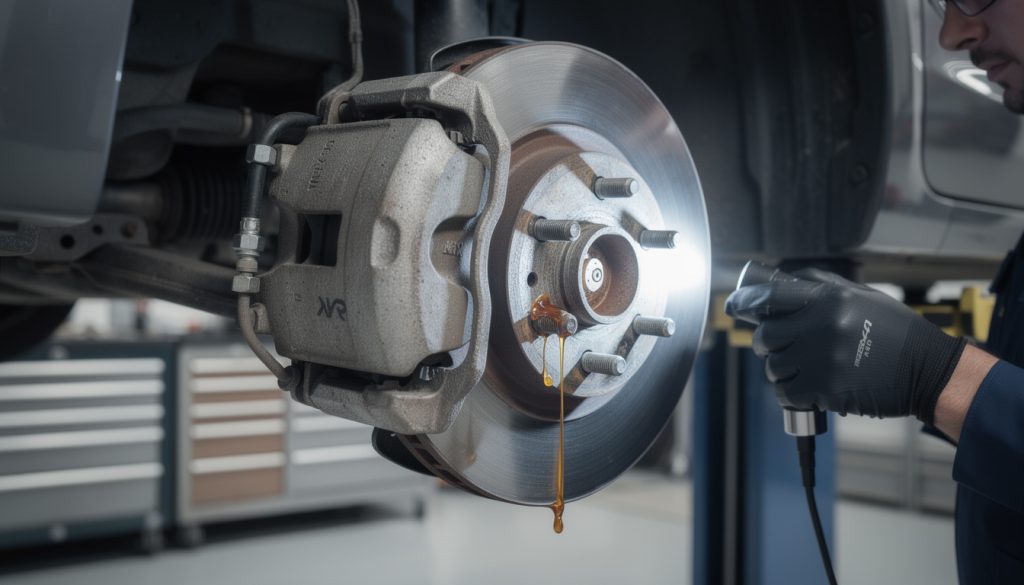
Brake fluid leaks present a more serious concern. Between April and May 2013, some Yaris models exhibited leaks in rear brake calipers or brake cylinders. These leaks reduce braking efficiency, causing longer stopping distances and resulting in brake pedal softness. This condition is dangerous on the road, as compromised braking can lead to loss of control and accidents.
It’s critical to regularly inspect your brake fluid levels and check for signs of leakage under the vehicle. In addition, if the brake warning light is active, immediate diagnostic checks should be performed to identify the source of the problem.
- Look for dampness or fluid pools near the rear wheels.
- Observe whether the brake pedal feels spongy or sinks lower than usual.
- Listen for any unusual noises when braking, such as grinding or squealing.
Ignoring these symptoms can lead to more costly repairs later, such as replacing the entire brake assembly and potentially causing a serious safety hazard on the road.
Airbag Failures and Risks: Recognizing the Hidden Danger in Your Toyota Yaris
One of the most alarming safety defects affecting certain Toyota Yaris models involves the airbags. Vehicles manufactured between August 2011 and December 2014 have encountered significant issues with airbags failing to deploy in crashes. This malfunction has been linked to moisture intrusion into the inflator system and compromised electrical components.
Airbags are critical in reducing injury severity during collisions. Therefore, any system failure can drastically increase the risk of serious trauma for drivers and passengers. Symptoms of airbag trouble often include the illumination of the airbag warning light on the dashboard, although this light can sometimes appear without an actual issue, making it hard for owners to know whether to be concerned.
Common causes of airbag system failures in the Yaris include:
- Defective wiring connections that disrupt sensor signals.
- Faulty crash sensors that don’t detect collisions correctly.
- Electrical component faults, either due to poor design or installation.
- Drained backup battery causing false airbag alerts.
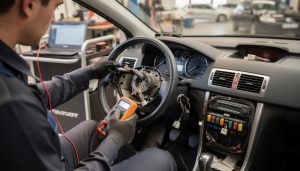
- Clock spring malfunction, which can interrupt airbag circuit continuity.
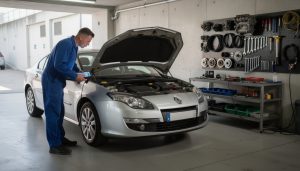
If your airbag warning light stays illuminated persistently, don’t ignore it. It’s essential to have a qualified mechanic perform a diagnostic scan to identify the precise cause and carry out necessary repairs or part replacements.
Toyota has proactively issued recalls covering many of these airbag faults, replacing defective parts free of charge under European safety regulations. However, some owners may have overlooked recall notifications, leaving their vehicles at risk.
Expert Tip:
For peace of mind, check if your Toyota Yaris qualifies for any outstanding airbag recalls online or through your dealership before encountering a problem. Early intervention can avoid costly repairs and improve occupant safety.
Rear Seatbelt Wear and Power Steering Complications: What to Look Out For
Safety doesn’t end with brakes and airbags; your Toyota Yaris’s seatbelt and power steering systems also deserve attention. The rear center seatbelt, in particular, has been reported to wear excessively due to contact with a sharp edge on the anchor plate. Over time, this friction wears down the fabric, increasing the risk of failure during an emergency stop or collision.
Inspect the seatbelts regularly for signs of fraying, discoloration, or visible fabric weakness. If any damage is present, replace the seatbelt immediately and apply a protective sleeve or tape over the anchor plate edge to prevent recurrence.
Additionally, certain Yaris models built from July 2011 to March 2012 had power steering system faults traced to a defective power steering control module. When this component fails, drivers might experience increased steering effort, delayed response, or noises while turning. If unaddressed, these issues risk causing control problems, affecting on-road safety.
Vehicle recalls have addressed this module replacement for affected cars. However, if you’re considering purchasing a second-hand Yaris, ensure the dealership has completed this repair or be prepared to arrange it yourself.
| Component | Common Issue | Production Years Affected | Typical Repair | Estimated Cost* |
|---|---|---|---|---|
| Brake Caliper | Brake warning light false activation | 2014 | Caliper replacement | £150 – £300 |
| Brake Fluid Leak | Reduced braking efficiency | Apr-May 2013 | Brake cylinder/caliper repair | £200 – £400 |
| Airbag System | Failure to deploy | 2011 – 2014 | Component replacement via recall | Usually free under recall |
| Rear Seatbelt | Fabric wear/fraying | All years | Belt replacement + anchor padding | £50 – £100 |
| Power Steering Module | Steering response issues | 2011 – 2012 | Module replacement under recall | Typically free under recall |
*Costs may vary by location and garage.
Headlight and Driver’s Side Window Faults: Impact on Visibility and Comfort
Maintaining visibility and operational comfort is crucial for safe driving. Toyota Yaris owners have reported issues with the headlights, particularly problems switching between high and low beams. This fault led to a recall in 2002 when the defect was traced back to the headlamp unit rather than wiring, necessitating a complete headlamp replacement.
Similarly, second-generation Yaris models sometimes face challenges with the driver’s side power window master switch. Debris and moisture may cause electrical shorts that can melt this switch, rendering it inoperative. If caught early, regular lubrication can preserve switch function. Otherwise, replacement is necessary.
Both these defects directly affect the driver’s ability to operate the vehicle safely, especially during night driving or adverse weather conditions. Ensuring these systems are in good working order should be a priority for any Yaris owner.

Understanding how to spot brake-related issues and addressing them early enhances your overall car safety.

Diagnosing airbag lights promptly helps prevent the serious consequences of non-deployment during accidents.
Maintaining Road Safety: Essential Owner Alerts and Best Practices
Awareness and proactive maintenance are key to minimizing risks associated with Toyota Yaris safety defects. Vehicle recalls are a vital resource but require owner engagement to implement necessary repairs. Many owners miss these alerts, so regularly checking for outstanding recalls via the Toyota website or authorized dealers is the best first step.
In addition to recall updates, routine vehicle maintenance plays a large role in safety preservation. Here’s what I recommend every Yaris owner keep an eye on:
- Regular brake inspections, including brake fluid levels and brake pad wear.
- Periodic diagnostic scans to catch electrical faults affecting airbags and warning lights.
- Seatbelt integrity checks to identify fabric wear before it becomes a hazard.
- Power steering responsiveness evaluation to detect early signs of control issues.
- Lighting system tests for proper beam switching and brightness.
Implementing these checks won’t take long during routine service visits and often avoids expensive repairs down the line. Staying informed and vigilant protects you, your family, and other road users.
Expert Tip:
Always verify recall status before buying a second-hand Toyota Yaris—this significantly reduces the risk of inheriting unresolved safety problems.
Given Toyota’s commitment to safety and reliability, many of these faults have been addressed systematically through recalls and warranty repairs. Still, it rests on the owner to ensure these solutions are applied promptly.
How can I check if my Toyota Yaris has outstanding recalls?
Visit the official Toyota website or contact your local Toyota dealer. You can provide your vehicle identification number (VIN) to check for any open recalls related to your car.
Are airbag failures common in newer Yaris models?
Most airbag issues were reported in models produced between 2011 and 2014. Newer models have improved designs and are less prone to such defects, especially when maintenance and recalls are up-to-date.
What should I do if my brake warning light comes on but brakes feel normal?
This could signal issues like faulty caliper sensors, especially in 2014 models. It’s advisable to have a professional diagnostic done rather than ignoring the light, as it could mask a more serious problem.
Is it expensive to fix the power steering module issue?
If covered by recall, replacements are free of charge. Otherwise, repair costs may range from £200 to £400 depending on garage fees and parts used.
How often should I inspect my Toyota Yaris’s seatbelts?
It’s best to check seatbelt conditions during every routine service or at least twice a year, looking out for any signs of fraying, cuts, or weakened fabric.