The radiator cap is a small component with a big responsibility: maintaining pressure and preventing coolant leaks in your car’s cooling system. Its failure can start with subtle symptoms and escalate quickly into serious engine damage. Recognizing early warning signs about your radiator cap can save you from costly repairs and unexpected breakdowns. I’ll guide you through the signs no driver should ignore, why they matter, and what to check immediately, ensuring your car’s cooling system stays reliable and your ride smooth.
Key Takeaways :
- Leaking coolant under the vehicle often signals a failing radiator cap causing pressure loss.
- Collapsed radiator pipes may result from vacuum effects due to a faulty cap.
- Overflowing reservoir tanks and steam emissions usually indicate cap malfunction and overheating risks.
- Air pockets in the coolant system cause overheating and visible hose degradation.
- Neglecting radiator cap issues leads to severe engine damage and costly repairs.
Recognizing Radiator Cap Problems Through Coolant Leak and Pressure Loss
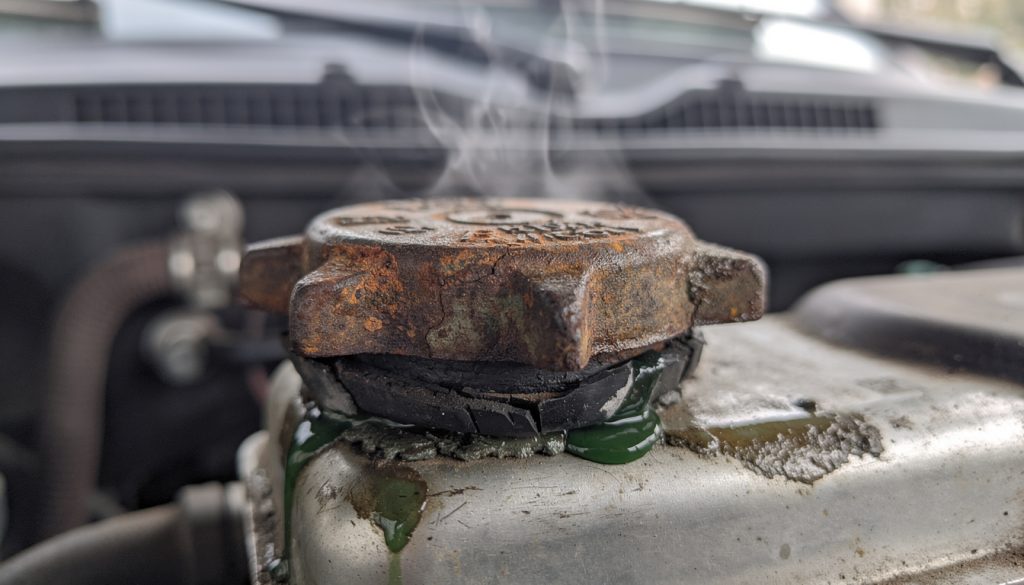
The first sign of a problematic radiator cap is often a coolant leak. When the cap fails, it cannot retain the necessary pressure within the cooling system. This pressure is vital as it raises the boiling point of the coolant, preventing it from vaporizing too soon and effectively managing engine heat.
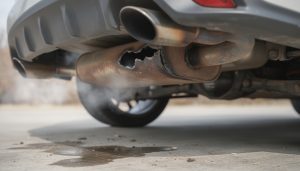
A drop in pressure causes coolant to turn into vapor, creating strain on the system’s seals, gaskets, and hoses. Over time, these components wear out and start leaking liquid coolant, which can pool under your vehicle. Sometimes, leaks do not appear when the car is off but spray out when the engine heats up and pressure builds.
To diagnose, physically check hoses by squeezing them after the engine reaches operating temperature. You may detect soft spots or liquid escaping around seals. This hands-on approach is crucial since a malfunctioning radiator cap can mask the root cause by allowing pressure to escape elsewhere.
The risks here are substantial. Pressure loss reduces cooling efficiency, potentially leading to engine overheating and severe damage to the head gasket or engine block. Repairing a simple faulty cap or a cracked hose is far more affordable than addressing a blown head gasket, which can cost upwards of $1,000 in parts and labor.
For further exploration of related coolant system issues, consider visiting this car radiator issues guide to deepen your understanding of related components and their maintenance tips.
The Dangers of Collapsed Radiator Pipes Linked to Faulty Cap Pressure Control
Radiator pipes aren’t just conduits for coolant; they rely on a properly working radiator cap to maintain the correct pressure balance. A failing radiator cap typically can’t regulate vacuum pressure during the engine’s cooling phase, causing pipes near the expansion tank to collapse or warp.
A collapsed hose looks like a flattened tube or a deflated tire. Touching it reveals unusual sponginess or softness, very different from the usual firm texture. This vacuum effect results from the system’s inability to equalize pressure as coolant cools and contracts, sucking the hoses inward.
This problem worsens if left untreated because collapsing hoses restrict coolant flow, leading to temperature rise inside the engine bay. In extreme cases, it can cause complete blockage, resulting in rapid overheating.
Replacing the affected hose, along with the radiator cap, is necessary to restore proper function. Ignoring this may cause recurring damage to seals and additional pipes, increasing repair costs exponentially.
Checking hoses regularly during car maintenance, especially around the reservoir, can help you catch these failings early. Don’t hesitate to inspect any signs of unusual softness or cracking.

Overflowing Reservoir and Steam: Indicators of Radiator Cap Failure and Car Overheating
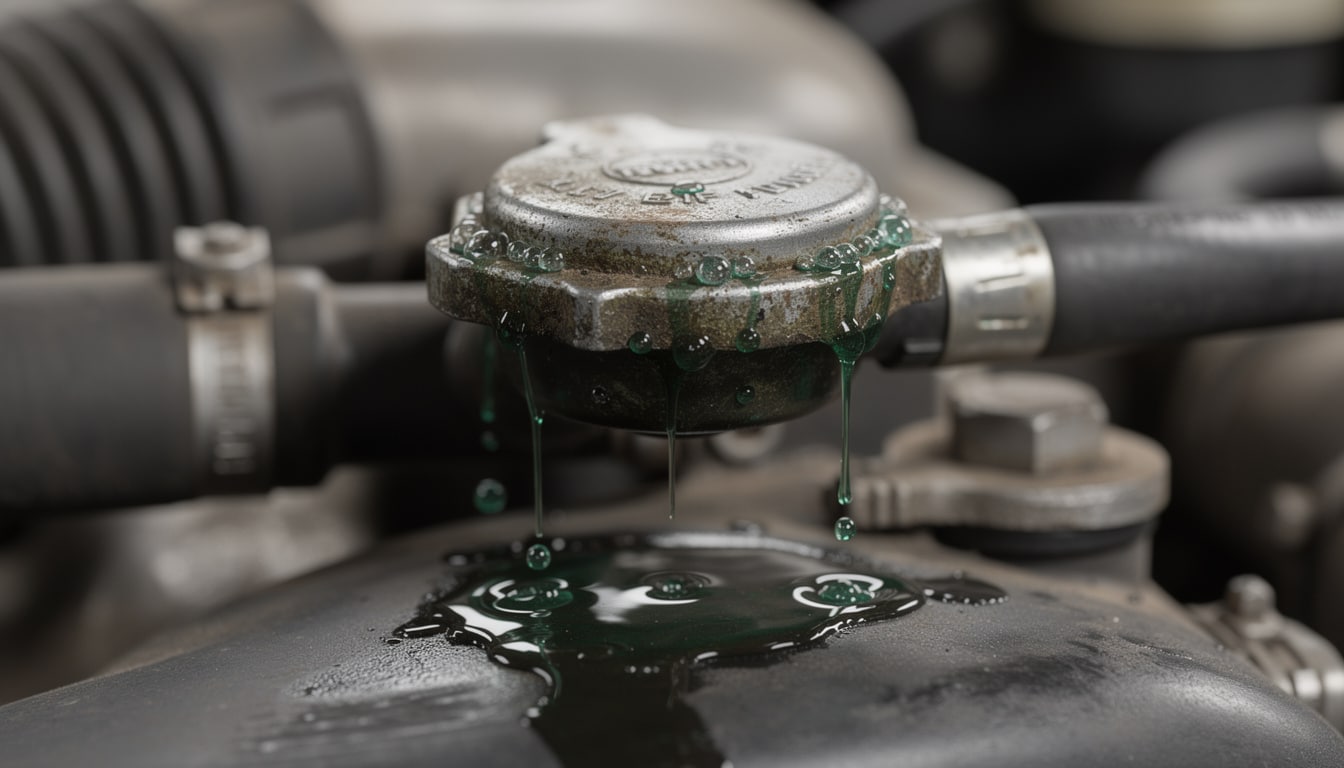
During normal operation, the radiator cap controls pressure and allows excess coolant to flow into the reservoir tank. It acts as a safety valve by releasing pressure to prevent damage. When the cap fails to release this pressure effectively, coolant expands excessively, and the reservoir overflows.
Overflowing coolant isn’t just annoying but dangerous. It can produce steam, seen emerging from under the hood, a clear warning of car overheating. Continuing to drive under these conditions risks significant engine damage and even a complete breakdown.
Upon noticing steam or coolant overflow, the safest action is to stop the car immediately and inspect the radiator cap once the engine has cooled completely. Never open the cap while hot, as the pressure build-up might spray scalding coolant, causing chemical burns or severe injury.
Pressure build-up and overheating often go hand in hand. If your vehicle frequently overheats or you discover a hot, discolored expansion tank, it can point directly to the radiator cap’s invalid pressure regulation. Early detection and replacement routinely cost between $10 and $50, a smart investment to avoid expensive parts damaged by overheating.
For more on maintaining your vehicle’s heater and cooling system, see the article about replacing a car heater core, which shares similarities in symptoms and repair strategies.

Identifying Air Pockets and Its Role in Cooling System Failures
Maintaining a sealed and pressurized cooling system is essential for optimal engine temperature management. A faulty radiator cap often fails to prevent air from entering the system, causing air pockets in key components like the heater core, thermostat, and radiator hoses.
These trapped air bubbles degrade coolant circulation and allow localized overheating in those sections. Symptoms include cracked hose outer sheaths — visible as brittle or bulged spots — and elevated engine temperature readings. Drivers might notice performance issues as the engine struggles to maintain the correct operating temperature.
Repair involves bleeding the cooling system to remove air pockets and replacing the radiator cap to prevent recurrence. Neglecting this situation can cause long-term damage, including warped engine components and premature failure of the water pump — a frequent issue I detail in my analysis on water pump warning signs.
Expert Tip:
Always check and replace your radiator cap along with other cooling system components if you observe cooling inefficiency or overheating symptoms. This preventive approach extends the life of your engine and reduces repair expenses.
How Engine Overheating Relates Directly to Radiator Cap Failures
Ultimately, all issues caused by radiator cap failure converge on a single dangerous outcome: engine overheating. The coolant is the primary defense against heat build-up, absorbing excess thermal energy from combustion and moving it away from critical components.
When a radiator cap does not maintain system pressure, the boiling point of the coolant drops, allowing it to vaporize, reducing its ability to cool the engine. You’ll notice sudden temperature rise on your dashboard meter, steam coming from the engine bay, or even a burning smell in extreme cases.
Continuing to operate an overheating engine causes irreversible damage to valves, pistons, and cylinders. Engine stoppage on the road is not uncommon and can lead to expensive towing and repair fees exceeding $2,000 in worst-case scenarios.
In daily car maintenance, monitoring the temperature gauge and conducting routine radiator cap inspections can help you avoid these severe problems. A simple, timely replacement—cost-effective at around $20—can protect your entire cooling system.
| Warning Sign | Cause | Immediate Action | Potential Repair Costs (USD) |
|---|---|---|---|
| Coolant Leak | Pressure loss due to cap seal damage | Check and replace radiator cap and hoses | $50 – $200 (small repair) |
| Collapsed Hose | Vacuum buildup from faulty cap | Replace hose and cap immediately | $100 – $300 |
| Overflowing Reservoir | Pressure not released by cap | Stop engine and inspect cap when cool | $10 – $50 (cap replacement) |
| Air in Coolant System | Improper sealing and air entry | Bleed system and replace cap | $80 – $250 |
| Engine Overheating | Coolant boiling at lower temperature | Immediate repair, possible head gasket check | $500 – $2000+ |
Being attentive and periodically testing components like the radiator cap can quickly identify issues before they grow costly. In some BMW models, for example, radiator cap failures have been linked with common coolant system malfunctions detailed in BMW X5 common problems, underscoring the need for vigilance in maintenance routines.
What happens if I open the radiator cap when the engine is hot?
Opening the radiator cap when the engine is hot can release pressurized steam and hot coolant, causing severe burns or chemical injuries. Always wait for the engine to cool completely.
Can a faulty radiator cap cause engine overheating?
Yes, a faulty radiator cap causes pressure loss in the cooling system, lowering the coolant’s boiling point and often leading to engine overheating and damage.
How often should the radiator cap be replaced?
Radiator caps generally last 5 to 7 years but should be inspected every oil change or when coolant system issues arise. Replacing it proactively prevents pressure-related failures.
Is it expensive to fix radiator cap problems?
Replacing a faulty radiator cap is relatively inexpensive, usually between $10 and $50. However, neglect can cause costly repairs involving hoses, pumps, or engine components.
Does a radiator cap failure mean coolant leaks?
Often, yes. A faulty radiator cap can cause seal damage and pressure loss, which leads to coolant leaks and visible puddles under the vehicle.