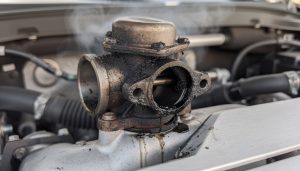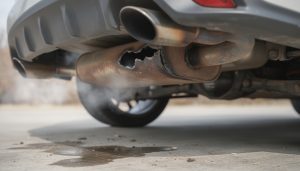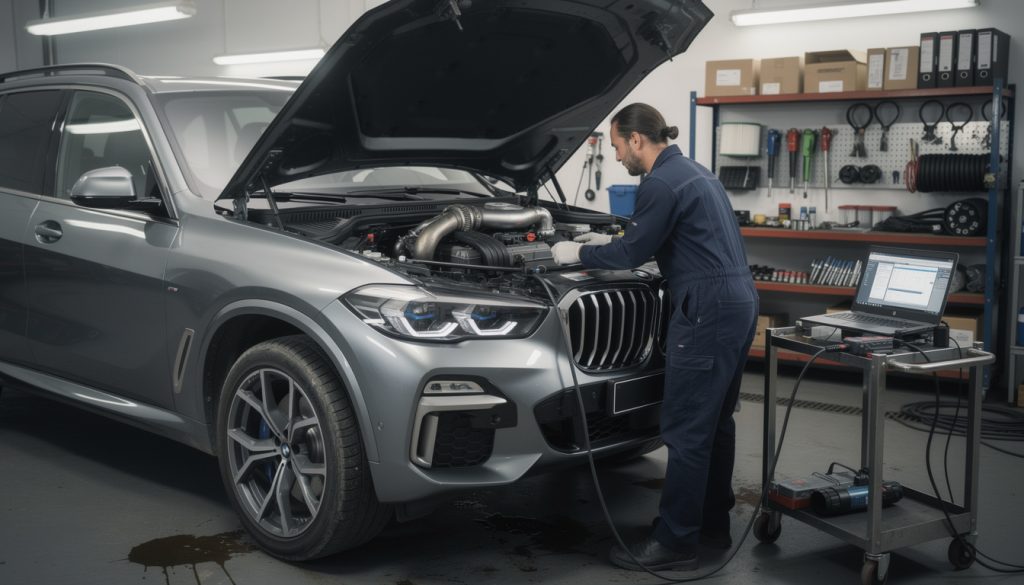
The BMW X5 stands as one of the most iconic luxury SUVs on the market, boasting over 25 years of rich history across four generations. Known for its sporty handling, upscale interiors, and powerful engines, the X5 has won over many driving enthusiasts. Yet, beneath its polished design lie some frequently recurring mechanical and electronic issues that can challenge owners. Whether you’re considering buying a used X5 or already own one, understanding these common problems is essential to making well-informed maintenance decisions and extending the life of your vehicle. This article delves deeply into the typical faults associated with various X5 generations, from engine troubles to electrical malfunctions, and offers practical advice on how regular maintenance and preventative measures can dramatically reduce costly repairs.
Key Takeaways:
- BMW X5 models from 2000 to 2013 experienced frequent issues with electrical systems, suspension wear, and engine oil leaks.
- Second-generation (E70) X5 are notorious for air suspension failures often requiring costly repairs or permanent air suspension deletions.
- Third-generation (F15) X5 shows a high incidence of turbocharger failures and increased oil consumption on most petrol and diesel models.
- Latest generation (G05) struggles mostly with transfer case malfunctions and occasional infotainment glitches but benefits from improved engine reliability.
- Regular maintenance and thorough pre-purchase inspections are crucial to minimizing surprises and maintaining the X5’s reputation as a premium SUV.
BMW X5 First Generation Common Problems: Aging But Worthy
The debut BMW X5 (E53) introduced the luxury SUV market to BMW’s signature sporty experience. Launched between 1999 and 2006, this generation set the foundation but is naturally more prone to faults given its age. Common problems here mostly arise from engine oil leaks, which can originate from various parts such as valve cover gaskets, oil pan seals, and the timing cover. Diagnosing these leaks can be particularly challenging because oil can seep into hidden spots, leading to messy grease buildup and foul odors under the hood.
Suspension wear is another typical concern. The E53’s suspension parts, including control arm bushes, often degrade due to heavy use and the stress placed on the chassis. These components, though relatively inexpensive for parts alone (~$80-$90 for bushings), become costly once labor and the potential replacement of entire control arms ($400-$500) are factored in. While there is no fundamental design flaw here, these are wear-and-tear issues exacerbated by driving style and terrain. During a pre-purchase inspection, listening for knocking noises and assessing suspension tightness is indispensable.
Another critical point for E53 owners is the Takata airbag recall. This widespread safety recall has affected many units, so verifying that your X5’s airbags have been retrofitted is essential for safety compliance and peace of mind.
💡 Expert Tip: When evaluating an early BMW X5, always inspect for recent oil stain patterns and request a leak-down test during a professional inspection to unearth hidden oil seepage that could lead to future engine damage.
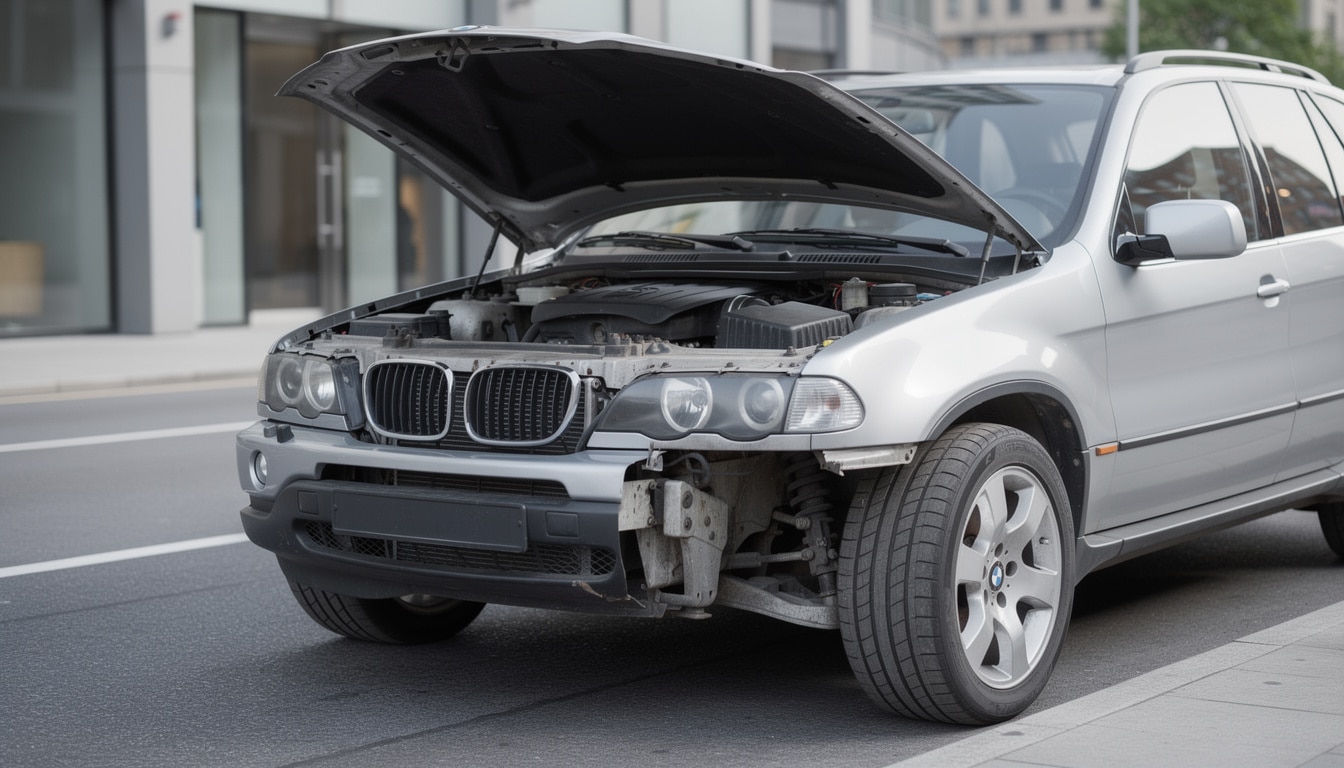
Second Generation X5 (E70): The Complex Air Suspension Challenge
The E70 generation, produced from 2007 to 2013, introduced many new technologies elevating driver comfort, including the sophisticated air suspension system aimed at improving ride quality and off-road capability. However, this system is also a source of persistent trouble. Owners commonly report issues with the air suspension failing, causing the vehicle to sag or unevenly drop in height, accompanied by warning lights on the dashboard and compromised handling.
Repairs can become astonishingly expensive, sometimes running into thousands of dollars due to the cost of air compressors, struts, and control modules. Service centers often recommend either repairing the faulty components or choosing an alternative: deleting the air suspension altogether and replacing it with traditional coil springs and conversion kits. These kits typically cost around $300 for parts but, with labor, the total investment might rise substantially; however, this approach eliminates recurring air suspension failures.
Aside from suspension woes, the E70 also contends with similar concerns from its predecessor, such as control arm bush degradation and coolant system leaks which manifest as abnormal engine temperatures and coolant warning lights. Careful monitoring and timely intervention can prevent catastrophic engine damage here.
Electrical gremlins also plague this generation. Water ingress due to worn weather seals or sunroof drainage blockages can cause erratic electronic system behavior including faulty instrument clusters and malfunctioning blower motors. Many owners find that replacing worn seals and clearing drainage pathways goes a long way in preserving the vehicle’s electrical integrity.
💡 Expert Tip: If you notice uneven ride height or a persistent ride height warning on your E70 X5, prioritize a diagnostic check on air suspension components. Identifying worn compressors early can save you from far costlier repairs down the road.
Third Generation BMW X5 (F15): Turbocharged Power Brings Oil and Turbocharger Issues
The 2013-2018 F15 generation marked a shift toward turbocharged engines, offering increased horsepower and efficiency. Unfortunately, this also introduced new reliability challenges. Oil leaks remain a common complaint, particularly around oil pans, valve covers, and timing covers. Of greater concern is the high oil consumption reported by many owners, occasionally requiring frequent top-ups between oil changes.
Turbocharger failure is another critical issue, especially on European diesel variants. Sudden turbo malfunction can cause the engine to emit white smoke, trigger check engine lights, and abruptly limit power. Repairs can be expensive—often exceeding $7,000 due to the labor and part costs involved in turbo replacement or overhaul.
Petrol models also experience these oil-related problems, albeit with a lower frequency of turbo failures. Constant monitoring of oil levels and oil quality is paramount in preventing engine damage. Additionally, transmission software glitches have been reported, causing jerky gear shifts during downshifts and upshifts, requiring software updates or occasional fluid replacement.
Despite these issues, the F15 is appreciated for its improved driving dynamics and luxurious cabin. Regular oil checks and swift responsiveness to warning signals remain the best ways to keep these mechanical complications under control.
Fourth Generation BMW X5 (G05): Modern Yet Not Without Faults
The current G05 X5, launched in 2019, benefits from advanced engineering and the renowned B58 engine that boasts solid durability. However, even these newer models have their share of mechanical quirks. One prominent problem is the transfer case malfunction, responsible for distributing power to all four wheels. Drivers often feel shuddering at low speeds or difficulty engaging reverse gear. BMW has acknowledged this and attributed the fault partly to incorrect factory oil specification for the transfer case and sometimes uneven tire wear.
Software issues with the iDrive infotainment system have been reported, although BMW’s continuous updates have mitigated many of these complaints. Thanks to the fresh warranty coverage still applicable for many owners, repair expenses are often covered during the initial years. However, as these vehicles age, these faults could translate into costly service visits.
Overall, the G05 sets a higher standard for reliability but demands adherence to the manufacturer’s servicing recommendations to avoid expensive surprises.
Key BMW X5 Problem Summary Table
| Generation | Common Issues | Typical Repair Cost Range | Preventative Measures |
|---|---|---|---|
| E53 (1999-2006) | Oil leaks, suspension bush wear, Takata airbag recall | $500 – $2,000 | Regularly inspect oil seals, listen for suspension noise, confirm airbag recall compliance |
| E70 (2007-2013) | Air suspension failure, coolant leaks, electrical water ingress | $1,000 – $4,000+ | Air suspension system checks, coolant system flushes, seal/tube maintenance |
| F15 (2013-2018) | Turbocharger failure, oil consumption, transmission shift issues | $1,500 – $7,500 | Oil level monitoring, timely software updates, turbocharger inspection |
| G05 (2019-present) | Transfer case issues, iDrive glitches | $500 – $3,000 | Regular software updates, transfer case fluid changes, tire rotation |
Essential Preventative Maintenance Tips to Avoid BMW X5 Problems
Owning a BMW X5, given its luxury status, involves more than just enjoying its performance—it demands a proactive maintenance approach. Prevention is key to keeping repair costs manageable and the vehicle running smoothly. Regularly scheduled maintenance such as oil changes every 5,000 to 7,500 miles using manufacturer-approved synthetic oils can drastically reduce engine wear.
Attention to the coolant system and ensuring that hoses, clamps, and radiators are free from leaks will help prevent overheating and subsequent engine damage. Similarly, monitoring the condition of suspension components and replacing worn bushings early can maintain ride quality and prevent excessive wear to related parts.
Inspecting and clearing sunroof drainage pathways and door seals will go a long way in avoiding water ingress and the consequential electrical issues. Transmission fluid should be replaced at around the 50,000-mile mark to avoid slipping and erratic shifting.
Lastly, frequent diagnostic checks, especially on software systems including iDrive, can resolve small glitches before they escalate into significant faults.
💡 Expert Tip: Schedule quarterly inspections with technicians versed in BMW diagnostics. They can identify early signs of oil leaks, electrical malfunctions, and suspension wear, helping you avoid costly repairs.
What are the telltale signs of oil leaks in a BMW X5?
You may notice oil spots under the vehicle, burning oil smell during driving, or visible oil residue around the engine bay, particularly near valve covers and oil pan seals. Early detection prevents engine damage.
Is the air suspension system on the BMW X5 reliable?
Air suspension improves ride comfort, but the second-generation E70 model has a high failure rate. Many owners replace it with traditional coil springs to avoid expensive maintenance.
How common are turbocharger failures on BMW X5 diesel models?
Turbo failures are frequent in European diesel versions of the F15 generation, often causing white smoke, loss of power, and costly repairs exceeding $7,000 in some cases.
What maintenance should I prioritize to maintain a BMW X5?
Focus on timely oil changes, coolant system checks, suspension inspections, transmission fluid replacements, and software updates. Preventative care can save thousands in future repairs.
Which BMW X5 model years should I avoid?
Be cautious with models from 2008, 2009, 2011, 2012, and 2014 due to issues ranging from coolant pump failures to transmission software problems and electrical system faults.