The Peugeot 307, celebrated for its elegant French design and solid motoring quality, continues to attract drivers looking for a reliable compact car. Its blend of comfort, efficiency, and a choice among seven petrol engines and a durable 2.0-litre diesel option make it a strong contender for city driving and modest commutes. However, like most vehicles, the 307 has its share of common issues that prospective buyers and existing owners should be aware of to ensure peace of mind and smooth ownership.
Understanding these common faults can save you costly repairs and unexpected downtime. This guide delves into practical insights from the BreakerLink blog and real-world experiences, helping you identify, diagnose, and address frequent Peugeot 307 problems. Whether it’s engine trouble or electrical faults disrupting your drives, knowledge is your best defence.
Key Takeaways :
- Peugeot 307 commonly struggles with electrical faults and indicator stalk failures.
- Body panel alignment can impact vehicle aerodynamics and fuel efficiency.
- Power windows and brake pedals are known weak points in used models.
- Driveshaft issues cause noticeable noise during tight turns and require early attention.
- Regular car maintenance and prompt repair reduce risk of costly failures in engine and transmission.
Recognizing Common Electrical Faults and Indicator Stalk Issues in the Peugeot 307
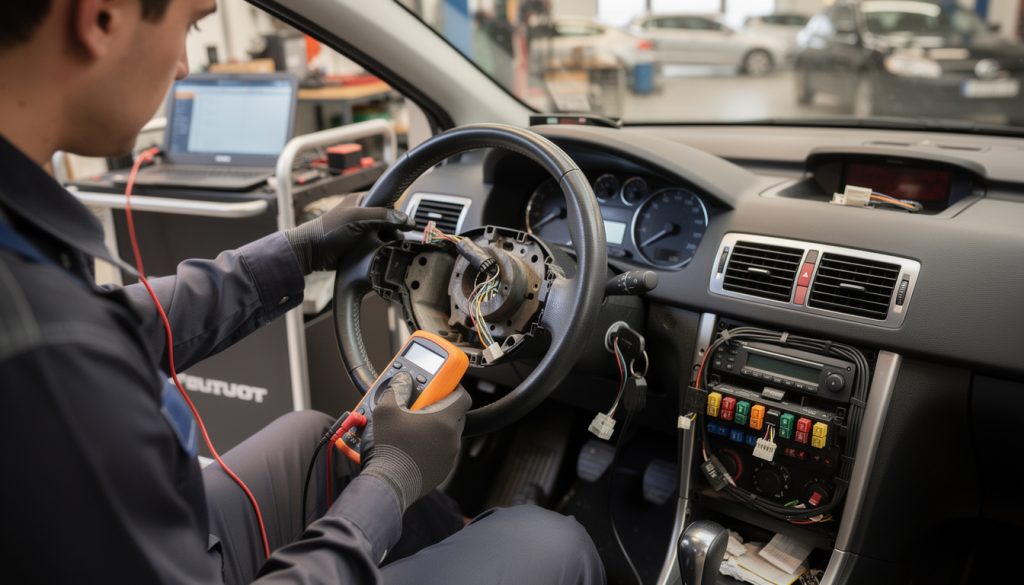
The Peugeot 307 is known for some elusive electronic glitches, often frustrating drivers and technicians alike. One of the most telling signs of trouble is when you notice the indicator stalks making unusual clicking noises inside the steering column. This sound typically signals imminent failure of these stalks, which control your turn signals and sometimes light functions.
Replacing indicator stalks often entails dismantling the entire steering column—a costly and time-consuming repair—which highlights the importance of early diagnosis. From personal experience, I’ve seen cases where drivers dismiss initial clicking as minor, only to face complete indicator failure, posing safety risks and legal complications.
Beyond indicator stalks, owners report intermittent electrical shutdowns where dashboard instruments flicker or the car momentarily loses power to auxiliary systems. This behaviour often arises from wiring faults, failing relays, or the infamous body control module glitches typical in PSA vehicles.
Understanding these electrical symptoms early can save time and money. During pre-purchase checks or routine servicing, always operate all electrical components: lights, indicators, dashboard gauges, and power windows. Any irregularity warrants a detailed diagnostic scan to identify persistent faults hidden from simple observation.
💡 Expert Tip: If you hear unusual clicking from the steering column, schedule a diagnostic immediately. Delaying repairs on indicator stalks can quickly escalate repair costs beyond routine maintenance.
Body Panel Alignment and Its Impact on Performance and Aesthetics
The Peugeot 307’s exterior is often praised for its sleek lines, but a recurring complaint involves body panel misalignment. Poor alignment results in uneven gaps between doors, bonnet, and wing panels—an easy defect to spot during visual inspection.
This misalignment isn’t just about aesthetics. Poorly fitted panels can disrupt the vehicle’s aerodynamics, leading to increased wind resistance and subsequently higher fuel consumption. Some 307 owners notice a subtle pull or vibration at higher speeds, often linked to this type of panel fault.
More so, uneven panels may indicate previous accident repairs or poor maintenance, which can hide underlying structural issues. For buyers targeting second-hand Peugeot 307s, this is a crucial red flag to investigate.
When inspecting the car, run your fingers along the panel joins and look for gaps differing by more than a few millimeters across the body. Small dents, unequal paint texture at joins, or panel rust spots further suggest misalignment or repairs.
If realignment is needed, prepping and fixing panels can range between €300 to €800 depending on the extent, repainting included. While not an immediate mechanical risk, addressing panel alignment sooner will improve both fuel efficiency and vehicle resale value.
Checklist for Body Panel Inspection:
- Visible gaps exceeding 2-3 mm between body panels
- Uneven door closing or rattling noises
- Paint inconsistencies near edges or around panel gaps
- Evidence of rust or corrosion starting near panels
Similar body panel concerns appear in Peugeot 308 models, highlighting the importance of scrutinizing visible faults before purchase across PSA vehicles.
Power Windows and Brake Pedal Concerns: Practical Advice on Common Wear Components
Owners often recount frustrations with the Peugeot 307’s powered windows. Failure usually manifests as sluggish or unresponsive window movement, caused by worn motors or faulty regulators. Especially prevalent in older models, this fault tends to develop gradually, leaving drivers suddenly unable to open windows—an inconvenience that can escalate in warmer months or emergency situations.
Replacing a window motor or regulator generally costs between €120 and €250, but the repairs are straightforward and can be addressed without significant downtime.
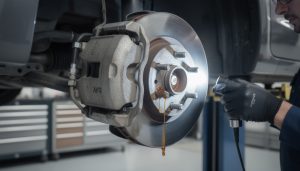
Brake pedals, on the other hand, present a more critical safety consideration. Some 307 models exhibit brake pedal assembly failures or even replacements with non-OEM components, affecting pedal feel and braking reliability. When checking a used Peugeot 307, verify pedal integrity carefully — look for excessive free play, uneven pedal surface wear, and odd noises during pedal operation.
Faulty pedals can compromise braking efficiency, posing risks on the road. A clean, firm brake pedal operation is non-negotiable for safety.
💡 Expert Tip: Always test power windows during pre-purchase checks and press firmly on the brake pedal to detect any abnormal sponginess or noise, as these early warnings prevent unexpected breakdowns.
Driveshaft and Suspension Issues Signalling Expensive Repairs Ahead
Tight turns at low speeds producing clunking or clicking noises beneath the Peugeot 307 should immediately raise suspicion of driveshaft problems. These symptoms often indicate worn CV joints or damaged boots, common in older models or those exposed to rough urban conditions.
Ignoring these noises can lead to catastrophic failure, where a driveshaft breaks or disconnects, immobilizing the vehicle and requiring a costly replacement. Repair bills can range from €450 to over €900 depending on parts and labour.
Early signs also involve vibrations during acceleration, particularly if the sound changes with engine load. Checking both left and right turns is essential during a test drive since driveshaft wear often affects one side more.
Suspension issues can coexist or contribute to similar symptoms. The Peugeot 307’s suspension components, such as ball joints and bushings, wear out over time, causing uneven tyre wear and handling instability. Early inspection during service intervals can extend component lifespan and ensure safer rides.
| Symptom | Possible Cause | Estimated Repair Cost (€) | Severity |
|---|---|---|---|
| Clunking noise on turn | Worn driveshaft CV joint | 450 – 900 | High |
| Vibration during acceleration | Damaged driveshaft boot or suspension bushings | 200 – 600 | Medium |
| Uneven tyre wear | Suspension alignment issues | 150 – 350 | Medium |
Recognizing these signs early by listening carefully during test drives and examining undercarriage components can save hundreds if not thousands of euros in repairs.

Engine Trouble and Cooling System: Identifying and Managing Common Performance Issues
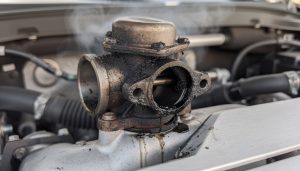
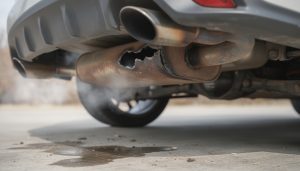
The engine range for the Peugeot 307 spans several petrol and diesel options, but the 1.6 HDi diesel engine is notorious for certain recurring troubles. Turbocharger failure due to oil starvation or carbon accumulation is a frequently reported defect, leading to loss of power and excessive smoke emissions.
Such engine trouble compromises performance and can rapidly escalate if unaddressed. The problem typically begins with reduced boost pressure and subtle changes in exhaust smell but can end with costly turbo replacements exceeding €1000.
Other issues include ignition coil failure causing engine misfires, rough idle, and poor emissions, often accompanied by diagnostic trouble codes. Worn spark plugs and clogged fuel injectors also degrade smooth running, especially in older or poorly maintained vehicles.
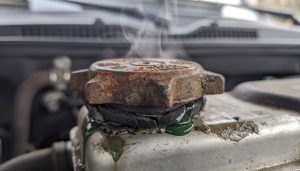
Equally important is monitoring the cooling system. Overheating risks increase with radiator blockages or failing water pumps, particularly in high-mileage units. Owners should regularly check coolant levels and temperature gauges to avoid engine damage.
Routine oil changes and scheduled maintenance tailored to the specific engine type greatly diminish the frequency and severity of these troubles. Reputable service centers specializing in PSA models provide precise diagnostics, essential for pinpointing issues early.

An investment in preventive care today can save hundreds or thousands in unplanned repairs tomorrow, especially for engines prone to carbon buildup.
What are the most common electrical issues in the Peugeot 307?
The most frequent electrical problems involve indicator stalk failure, dashboard flickering, and intermittent power loss affecting lights and windows.
How can I detect driveshaft problems early in my Peugeot 307?
Listen for clunking or clicking noises during low-speed turns and observe any vibration or pulling while driving. Regular inspection of CV joints helps spot wear early.
Are Peugeot 307 power windows repairable?
Yes, window failures usually stem from worn motors or regulators and can be replaced relatively inexpensively compared to other electrical components.
Is body panel misalignment serious for the Peugeot 307?
While not a direct mechanical threat, poor panel alignment reduces fuel efficiency and might suggest underlying structural issues requiring assessment.
What preventative maintenance reduces engine trouble in Peugeot 307 diesels?
Regular oil changes with recommended specifications, timely turbo inspections, and using quality fuel significantly lower risks of turbo failure and carbon buildup.