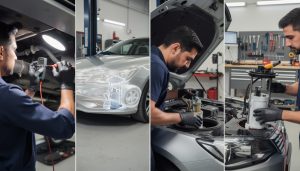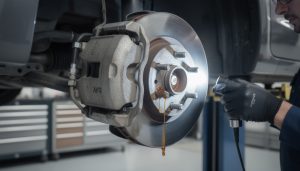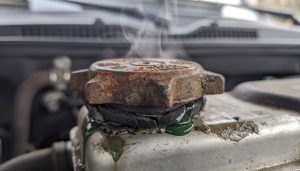
If you notice your car’s engine hesitating, hesitating, or showing odd behaviors like increased emissions or poor fuel economy, there’s a chance your EGR valve is malfunctioning. This component, essential for controlling exhaust gas recirculation and reducing harmful emissions, can clog, stick, or fail over time. Ignoring these warning signs can lead to costly repairs, reduced engine performance, and more severe mechanical headaches down the road. Understanding these symptoms early and knowing what actions to take will keep your vehicle running smoothly and environmentally compliant.
Key Takeaways:
- Malfunctioning EGR valves cause symptoms like rough idle, engine knocking, and check engine light alerts.
- A stuck EGR valve disrupts air-fuel mix, leading to poor combustion efficiency and increased emissions.
- Common causes include clogging by carbon deposits, valves stuck open or closed, and mechanical failure.
- Addressing EGR issues early prevents damage to turbochargers and the engine, avoiding expensive repairs.
- Regular diagnostics and professional inspections help maintain optimal engine performance and reduce fuel consumption.
Understanding How the EGR Valve Functions and Its Role in Engine Performance
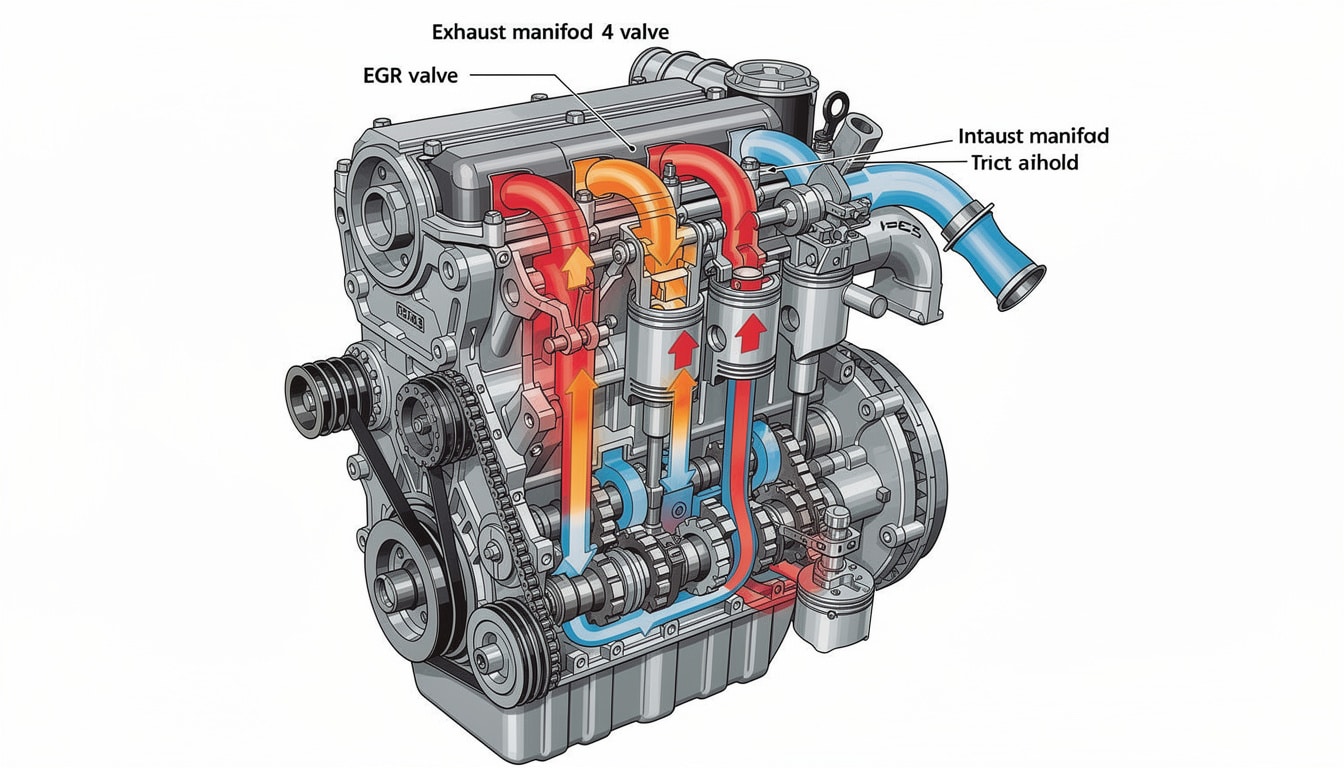
The Exhaust Gas Recirculation (EGR) valve is a critical component designed to reduce nitrogen oxide emissions and improve overall engine efficiency. Its primary function is to redirect a portion of exhaust gases back into the combustion chamber, lowering combustion temperatures and preventing the formation of harmful nitrogen oxides.
At a technical level, when your engine’s combustion temperatures exceed around 1300°C, nitrogen in the air reacts with oxygen to form NOx gases. The EGR valve opens once the engine reaches operating temperature, allowing measured amounts of exhaust gases to mix with the incoming air-fuel mixture. This dilution cools combustion and reduces NOx emissions without sacrificing engine power or efficiency in normal conditions.
However, when the EGR valve malfunctions, the delicate balance of air and exhaust gases is compromised. For example, a valve stuck open floods the intake manifold with exhaust gases, starving the engine of oxygen, which results in rough idling and stalls. Conversely, a valve stuck closed raises combustion temperatures, risking knock and engine damage. In both cases, engine performance suffers, fuel economy declines, and emissions spike, triggering the check engine light.
Modern engines rely heavily on precise EGR valve operation, and malfunctions can cascade into problems elsewhere, such as turbocharger damage or catalytic converter wear. If you want to maintain your vehicle’s efficiency and pass strict emissions tests, understanding how this valve works and its impact on engine performance is fundamental.
Signs Your Vehicle’s EGR Valve is Malfunctioning: Identifying the Symptoms
Recognizing the warning signs of a malfunctioning EGR valve early can save you from severe engine troubles. Here are the most common symptoms linked to EGR valve problems:
1. Rough Idle and Stalling
A frequent symptom is a rough idle, where the engine runs unevenly or shakes at low revs. This usually happens when the valve is stuck open, causing an excess of exhaust gases entering the intake manifold and diluting the oxygen necessary for combustion. The imbalance disrupts combustion, resulting in the engine running roughly.
More dangerously, the vehicle may also stall at idle, especially in stop-and-go traffic or at red lights. This sudden engine stall arises because the engine’s air-fuel mixture cannot sustain stable combustion under these oxygen-poor conditions.
2. Reduced Power and Poor Fuel Economy
When the valve is not operating correctly—whether stuck open or closed—the engine’s combustion efficiency drops. You might notice sluggish acceleration or sluggish response when pressing the accelerator. The engine compensates by consuming more fuel to achieve similar power outputs, leading to noticeably reduced fuel economy. High-performing engines like turbocharged models are particularly susceptible to performance drops caused by EGR valve malfunctions.
3. Increased Exhaust Emissions and Smell of Fuel
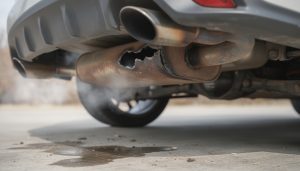
A malfunctioning EGR valve can cause incomplete fuel combustion, resulting in an increase in hydrocarbon emissions and visible smoke from the tailpipe. You may even detect a strong smell of fuel escaping the exhaust, indicating unburned fuel particles. This symptom is especially telling during emissions testing, often manifesting as a failure to meet regulatory standards.
4. Check Engine Light Illuminated
The engine control unit continuously monitors the EGR valve’s operation via sensors. When it detects abnormal functioning, it triggers the check engine light. While many issues can cause this warning, if combined with the signs above, it strongly points to a problem with the EGR system. Diagnostic scanning tools can pull error codes such as P1404, P1406, or P041 which often relate to EGR valve faults.
5. Engine Knocking and Overheating
If the valve gets stuck closed, hotspots form in the combustion chamber due to lack of recirculated exhaust gases. This overheating causes premature ignition of the air-fuel mixture, resulting in engine knocking or pinging noises at low rpm. Persistent engine knock can lead to significant internal damage and reduced lifespan of engine components.
Monitoring these symptoms and acting swiftly can prevent expensive repairs. Knowing when to perform checks or bring your car to a mechanic makes all the difference in preserving engine health.

Common Causes Behind EGR Valve Failure and How to Check for Issues
Understanding what triggers an EGR valve malfunction is key to effective troubleshooting and repair. Common causes include:
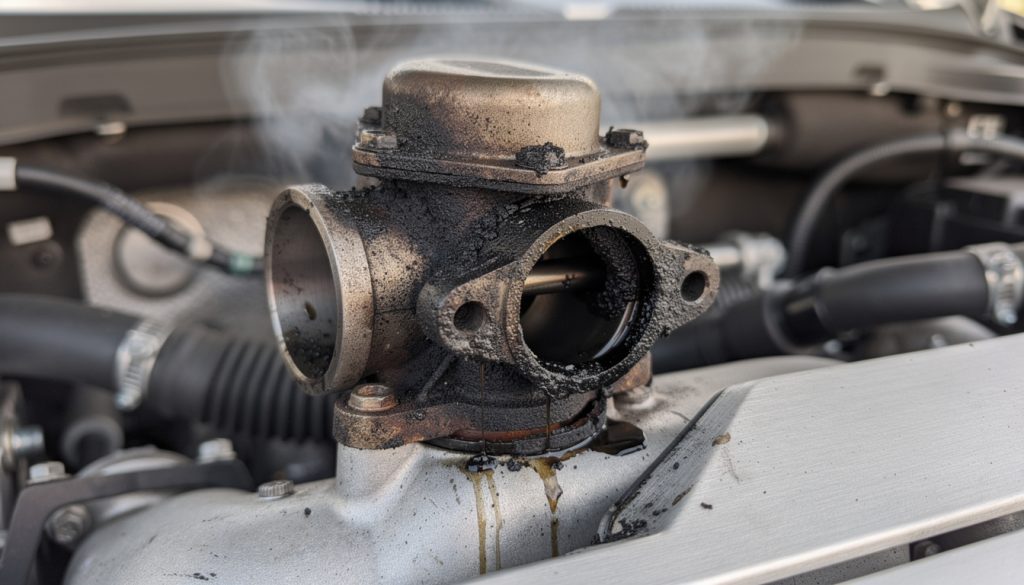
- Carbon and Soot Buildup: Exhaust gases carry carbon particles that settle and build up inside the valve, causing clogs and preventing the valve from opening or closing correctly.
- Valve Stuck Open: Carbon deposits or mechanical faults can make the valve stick open, leading to a vacuum leak and excess exhaust gas flooding the intake manifold.
- Valve Stuck Closed: Conversely, the valve can stick closed, causing overheating and engine knock.
- Sensor and Electrical Failures: Faulty sensors or wiring can incorrectly signal the valve position, disrupting its operation.
To check the EGR valve, simple steps can save you unnecessary expenses:
- Listen for irregular engine sounds such as knocking or roughness when the engine is warm.
- Observe performance symptoms like unusual stalling or hesitation.
- Use an OBD-II diagnostic scanner to identify fault codes related to the EGR circuit.
- Inspect the valve physically for carbon build-up or mechanical sticking, especially in vehicles with high mileage.
Cleaning clogged EGR valves is often a cost-effective repair. However, repeated failures or mechanical damage typically require part replacement. For the most current advice on replacing your valve, check resources like how to replace the EGR valve for detailed guides tailored to popular vehicles.
Risks and Consequences of Ignoring EGR Valve Malfunctions
Failing to address EGR valve problems can lead to escalating complications that harm your vehicle’s drivability and longevity. Major risks include:
- Turbocharger Damage: Exhaust gas flow irregularities put extra strain on the turbo, increasing wear and failure risk.
- Catalytic Converter Fouling: Excessive unburned hydrocarbons can clog or poison the catalytic converter, leading to costly replacements.
- Engine Performance Issues: Persistent rough idle and stalling increase wear on engine components and stress the transmission during gear changes.
- Failed Emissions Tests: Non-compliance with emissions standards could prevent your vehicle from passing mandatory inspections, rendering it illegal to drive in some areas.
- Increased Repair Costs: Small valve issues can cascade into expensive engine rebuilds or replacements if ignored.
According to repair cost analyses, fixing a faulty EGR valve typically ranges from $150 to $600 depending on the make and model. Left unresolved, collateral damage to turbos or catalyzers can push expenses into the thousands, not to mention the environmental toll of increased emissions. Preventative maintenance is your best defense.

Practical Steps to Prevent EGR Valve Failure and Maintain Engine Efficiency
Prevention begins with proper maintenance tailored to your vehicle’s specific needs. Here are actionable tips to prolong the life of your EGR valve:
- Regular Cleaning: Schedule valve cleaning every 50,000 to 70,000 miles to remove carbon deposits before they cause sticking.
- Use Quality Fuel and Additives: Clean fuels with additives minimize carbon buildup and keep the combustion chamber cleaner.
- Prompt Diagnostics: Address the check engine light immediately with professional scans to catch EGR-related issues early.
- Avoid Short Trips: Frequent short drives prevent the engine from reaching temperatures that properly burn off carbon deposits.
- Scheduled Professional Inspections: Mechanics can inspect the entire EGR system, including sensors and pipes, to ensure smooth performance.
Mechanical wear and contamination will eventually affect every EGR valve, but attentive maintenance significantly extends its service life. If you want detailed diagnostic techniques, consult advanced troubleshooting methods that help identify EGR and other related engine problems.
| Symptom | Cause | Potential Solution | Severity |
|---|---|---|---|
| Rough Idle | Valve stuck open, oxygen deficit | Clean or replace EGR valve | Moderate |
| Engine Stalling | Excess exhaust gases at idle | Valve repair or replacement | High |
| Poor Fuel Economy | Imbalanced air-fuel mix | Valve service | Moderate |
| Engine Knocking | Valve stuck closed, overheating | Immediate repair | Severe |
| Emission Test Failure | Elevated NOx emissions | Valve cleaning or replacement | High |
💡 Expert Tip: Always consult your vehicle’s service manual before attempting any repairs on the EGR valve. Incorrect handling can worsen issues or damage connected components.
Can a malfunctioning EGR valve cause the check engine light to come on?
Yes, the check engine light frequently illuminates when the engine control unit detects abnormal EGR valve operation, signaling potential malfunctions.
Is it safe to drive with a bad EGR valve?
Driving with a faulty EGR valve can lead to increased emissions, reduced engine performance, and potential damage to the turbocharger and catalytic converter. It’s best to address the problem ASAP.
How much does it typically cost to replace an EGR valve?
Replacement costs vary widely, commonly ranging from $150 to $600, depending on vehicle make and labor rates.
Can cleaning the EGR valve restore engine performance?
Cleaning a clogged EGR valve often resolves symptoms like rough idle and stalling, though severe mechanical failures require replacement.
What causes the EGR valve to clog?
Carbon deposits from exhaust gases are the primary cause of EGR valve clogging, which impairs valve movement and effectiveness over time.