If your vehicle starts showing signs of poor electrical performance, the root cause might be the alternator. This crucial component keeps your battery charged and powers all electrical systems while the engine runs. In modern cars, where electronics play a major role, a failing alternator can cause widespread issues ranging from dim headlights to engine stalling.
Detecting alternator failure early on is vital to prevent sudden breakdowns or costly repairs. Below is a detailed guide that highlights the key warning signals and diagnostic tips to help you identify alternator troubles before it’s too late.
Key Takeaways :
- Battery light or alternator dashboard warning is often the first indication of alternator failure.
- Dim or flickering headlights and dashboard lights reflect poor alternator output.
- Electrical system malfunctions like slow power windows or inconsistent stereo operations can signal alternator issues.
- Engine stalling and trouble starting often coincide with a failing alternator struggling to power ignition.
- Abnormal smells or noises such as burning rubber or belt squealing provide physical clues the alternator belt or bearings are worn.
Recognizing the dashboard signals: Battery light and alternator warning alerts
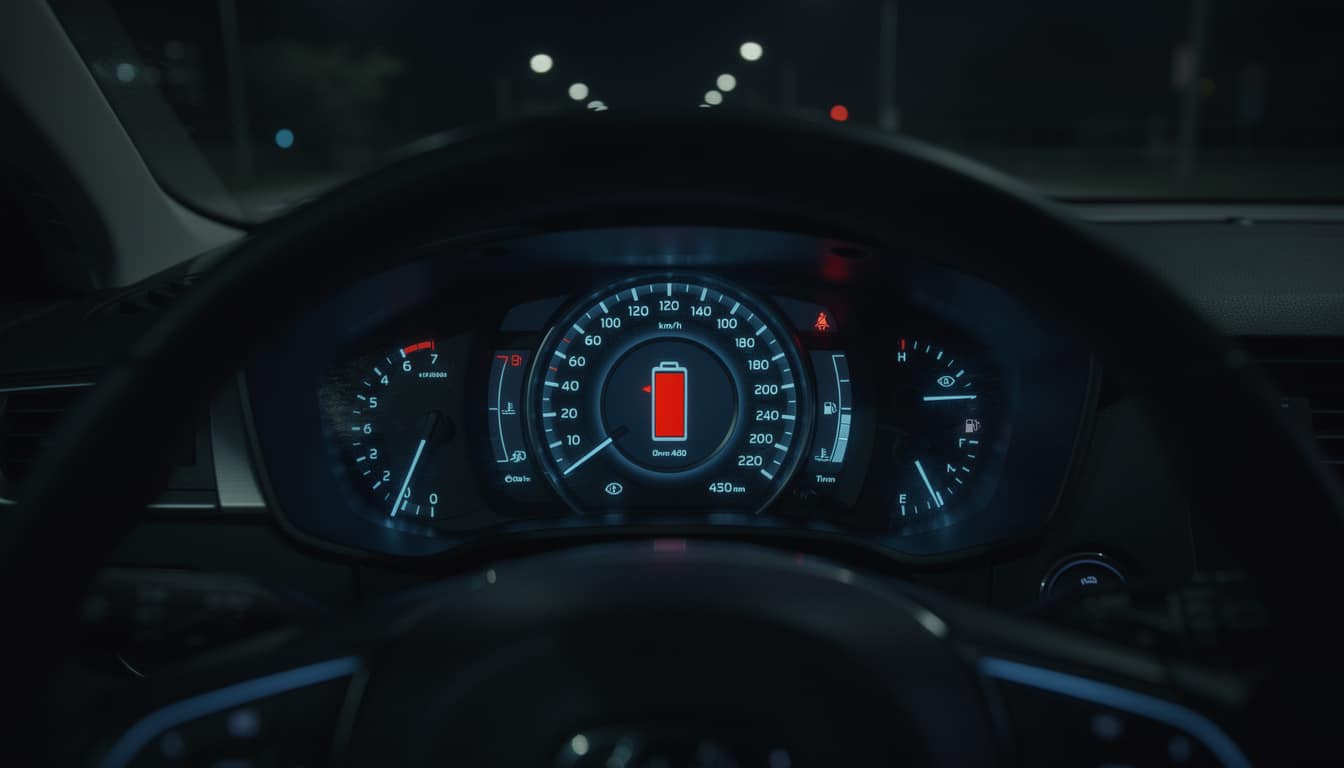
The most straightforward and important early sign of alternator failure is the appearance of a warning light on the dashboard. This light often appears as a battery symbol or is labeled ALT or GEN. Many car owners mistakenly ignore this light if it disappears after some driving, but this temporary flicker is a strong indication of an underlying alternator issue, especially when the vehicle is under heavy electrical load.
Modern vehicles constantly stress the alternator with power demands for engine management, infotainment, climate control, and lighting systems. When the alternator starts to fail, the battery light illuminates because the alternator isn’t adequately charging the battery. This warning should prompt an immediate electrical system check to avoid complete alternator failure on the road.
Ignoring these warnings can lead to a dead battery scenario or unexpected engine stall, potentially leaving you stranded. The diagnostic step here is simple: if this light appears, get your vehicle checked professionally without delay.
Regular diagnostic tools can verify the alternator output voltage; ideal alternator voltage should be about 13.8 to 14.4 volts while the engine is running. Values below this range warrant further investigation.
Learn more about diagnosing car starting issues here, since a bad alternator often accompanies a difficult engine start.
💡 Expert Tip: Always address a battery light on your dashboard immediately. A flicker can mean your alternator is struggling, which could escalate to a full breakdown costing hundreds in towing and emergency repairs.
Electrical issues manifesting as dim or flickering lights and malfunctions
If you notice your headlights dimming when you accelerate or flickering dashboard lights, this usually means your alternator isn’t supplying sufficient power. The alternator’s job is to convert engine mechanical energy into electrical energy, keeping the battery charged and running your car’s electrics. Insufficient power from a failing alternator causes lights to fluctuate since the system draws heavily from the battery reserve.
Alongside lights, other electric accessories like power windows, central locking, and infotainment systems might function sluggishly or intermittently. You might observe slow window operation, delayed seat adjustment, or stereo volume cuts. These symptoms occur because the alternator cannot keep up with the car’s electrical load.
However, not all electrical glitches point directly to the alternator. Sometimes worn wiring, faulty relays, or ECU (engine control unit) malfunctions trigger these issues. Comprehensive diagnostics can pinpoint if alternator failure is the root cause or if the vehicle suffers from broader electrical system problems.
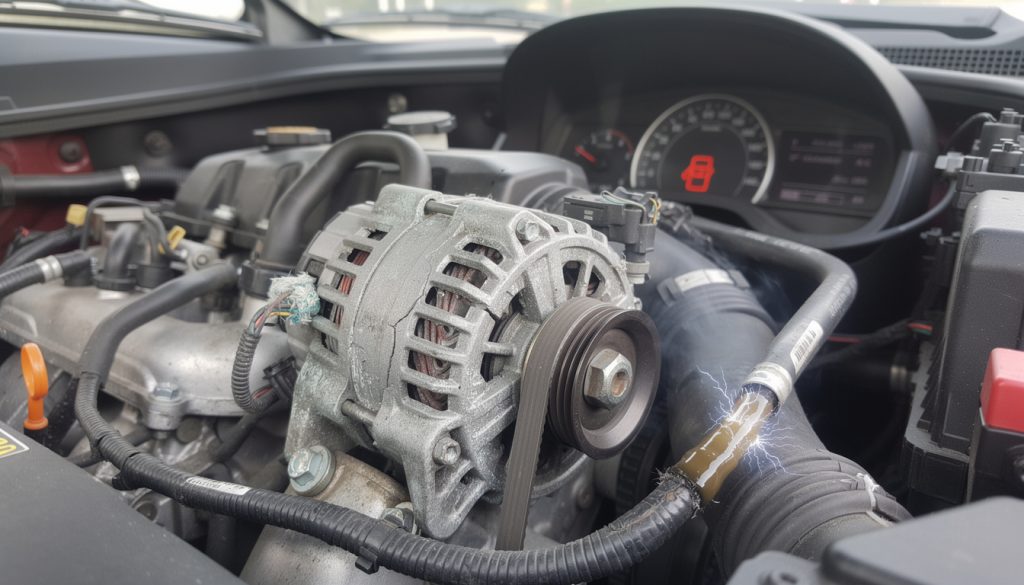
Checking the alternator belt’s condition is important here—as a worn or loose belt can reduce alternator efficiency and mimic similar symptoms.
- Dim headlights affecting nighttime driving safety.
- Flickering dashboard lights during acceleration.
- Slow-to-respond power windows and central locking.
- Intermittent failure of infotainment and AC systems.
Vehicle owners should rule out alternator belt issues as detailed in this guide because belt wear commonly causes alternator malfunctions.
Engine stalling and dead battery: How alternator failure disrupts starting and running
Repeated engine stalls or a car that won’t start at all often trace back to alternator failure. The alternator recharges the battery and powers ignition coils that spark fuel combustion. When it fails to provide sufficient voltage, the spark plugs receive weak or inconsistent current, resulting in engine stalling or crank but no start symptoms.
Commonly, drivers assume the battery alone is dead, but a fully charged battery unable to maintain power after the engine turns on points directly to alternator failure. You can test this by jump-starting your car. If it dies shortly after the jump, the alternator isn’t recharging the battery properly.
Loss of electrical charge from alternator failure puts multiple systems at risk:
- Fuel injection and ignition timing become erratic.
- Throttle response suffers, causing hesitation or stalling.
- Electrical control units may reset or malfunction.
Addressing engine stalling requires swift inspection of the alternator alongside battery health. Replacing a battery without fixing a faulty alternator is an often costly and ineffective solution.
Unusual noises and smells pointing to mechanical issues with the alternator
Mechanical components of your alternator can degrade over time, producing telltale auditory and olfactory signals. For instance, a loose or worn serpentine belt can squeal loudly, especially when the car is accelerating or powering multiple electrical devices. This belt drives the alternator pulley and, when slipping, decreases alternator output.
Grinding or growling noises may stem from worn bearings within the alternator itself. If neglected, these noises usually escalate until the alternator ceases to function. Likewise, a distinct burning rubber smell indicates overheating belts—a direct result of slippage or misalignment on the alternator’s pulley system.
Such mechanical complaints shouldn’t be ignored:
- Squealing or chirping belts require belt tension adjustment or replacement.
- Grinding sounds implicate internal bearing wear needing professional repair or alternator replacement.
- Burning rubber odors demand immediate inspection of the belt and pulley system to prevent sudden breakdowns.
Mechanical failures here affect the entire charging ecosystem and eventually cause battery drainage and overall electrical failure. For drivers wanting to explore early sound diagnostics, the article on diagnosing car problems by sounds offers practical insights.

Visual and routine checks to spot alternator problems before they escalate
Besides dashboard lights and electrical symptoms, regular physical inspections under the hood can help identify early alternator trouble. Checking the alternator belt for signs of wear or damage such as cracks, looseness, or fraying is crucial. A sagging belt fails to spin the alternator pulley efficiently; an overtight belt can cause premature bearing damage.
Inspect the battery terminals and wiring connections too, as corrosion or loose cables often mimic alternator failure symptoms by disrupting current flow.
Here’s a checklist you can run through quickly:
| Inspection Item | What to look for | Possible issue |
|---|---|---|
| Alternator belt tension | Too loose or too tight | Slippage or bearing damage |
| Belt condition | Cracks, fraying, glazing | Risk of sudden belt break |
| Battery terminals | Corrosion, loose connections | Charging inefficiency |
| Alternator pulley | Unusual noise or wobbling | Worn bearings or misalignment |
Promptly addressing these signs can save you the inconvenience and expense of an alternator failure on the road. If you’re uncertain, consult a trusted garage to ensure proper diagnostics. As a precaution, avoid relying only on battery replacement as a fix—alternator issues often masquerade behind dead battery symptoms.

What happens if the alternator fails while driving?
If your alternator fails while driving, your vehicle will rely solely on the battery, which will drain quickly. Electrical systems may start to fail, headlights dim, and eventually, the engine will stall leading to a potential breakdown on the road.
Can I drive with a bad alternator?
It’s not advisable to drive extensively with a failing alternator. Initial signs might be subtle, but as the alternator fails, your car’s electrical components will malfunction, and eventually the vehicle will stop running when the battery depletes.
How much does it typically cost to replace an alternator?
The cost to replace an alternator varies depending on the vehicle make and model but generally ranges between $300 and $700 including parts and labor.
What are common causes of alternator failure?
Common causes include worn out bearings, damaged or slipping belts, electrical faults in the alternator wiring, and heat damage from the engine compartment.
How can I test if my alternator is faulty?
You can test the alternator with a multimeter by checking the voltage at the battery terminals while the engine is running. Voltage below 13.8 volts indicates a possible alternator failure.