In the intricate symphony of your vehicle’s engine, the alternator belt plays a pivotal role in maintaining power supply. Without it, the alternator cannot generate the energy needed to keep your battery charged and your car’s numerous electrical systems operational. Recognizing the key signs of a loose alternator belt is essential not only to keep your vehicle running smoothly but also to avoid being stranded with a dead battery. From subtle noises to warning lights, the signs often start small before evolving into potentially costly issues.
In 2026, with cars becoming increasingly reliant on electrical components, ensuring your alternator belt is in top condition is more critical than ever. Whether your vehicle uses a traditional neoprene rubber belt or the more durable EPDM version, belt wear and tension loss are inevitable over time. Spotting the symptoms early can save you both money and stress.
Key Takeaways :
- A loose alternator belt can cause the battery warning light to illuminate on your dashboard.
- Squealing noises during engine start-up often indicate belt slipping or insufficient tension.
- Dim headlights and weak cabin lights can be a direct result of alternator belt issues affecting voltage output.
- Prolonged belt slippage may lead to engine stalling and battery depletion, increasing the risk of breakdowns.
- Regular belt inspection and timely replacement are critical components of effective car maintenance.
Understanding the Role of the Alternator Belt and Consequences of Looseness
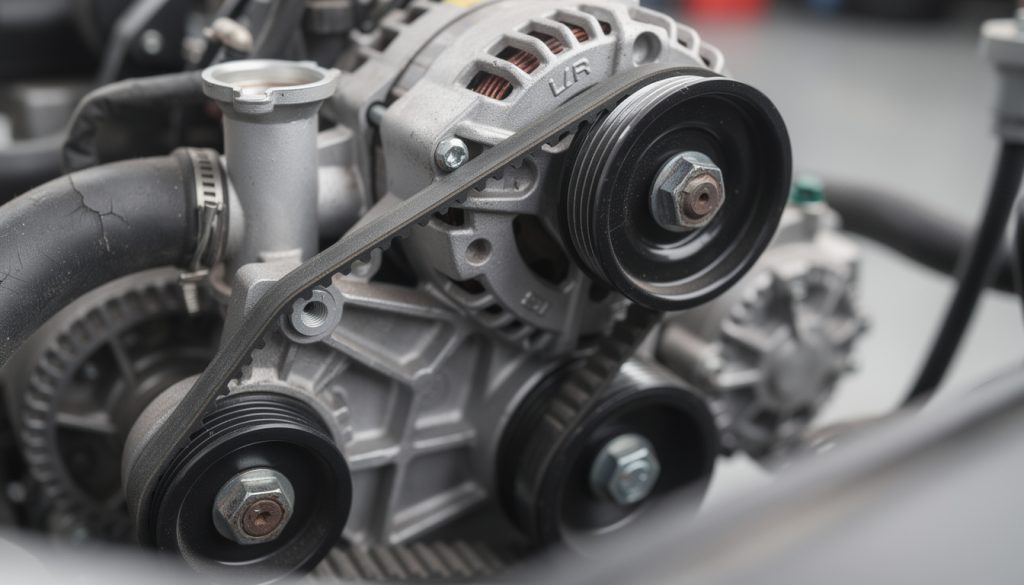
The alternator belt, commonly known as the serpentine belt in many modern vehicles, serves as the crucial link between the crankshaft and the alternator. As your engine runs, the crankshaft spins, transferring rotational energy through this belt to the alternator, which in return generates electrical power.
If the belt becomes loose or begins slipping on the pulleys, it fails to maintain steady contact, resulting in suboptimal alternator rotation. This directly impairs the alternator’s ability to charge the battery effectively. Since the battery powers everything from your ignition to infotainment system, any loss in charge capacity can translate into noticeable faults throughout your vehicle.
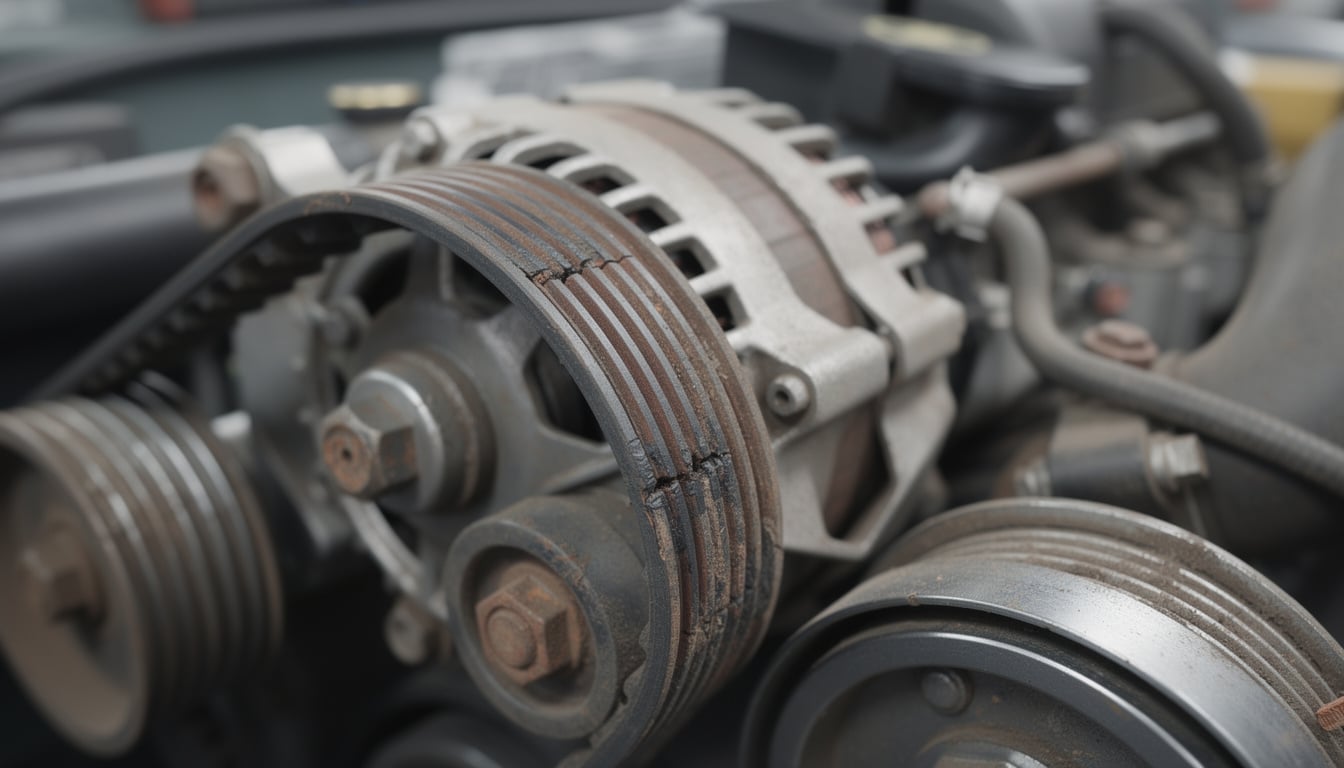
Alternator belt longevity depends on its material. Traditional neoprene rubber belts typically last between 25,000 to 50,000 miles or around five years, while modern EPDM belts manufactured with improved compounds can reach close to 100,000 miles. Yet, both types inevitably experience belt wear including stretching, cracking, and glazing, which diminishes their grip and tightness over time.
Ignoring loose belts leads to several cascading effects. Reduced alternator efficiency means your battery is drained faster and cannot recharge fully, resulting in your vehicle relying excessively on limited battery reserves. Without intervention, it’s an open invitation for sudden engine failures or complete power loss, especially during peak electrical loads such as using headlights, air conditioning, or power steering.
The mechanics behind belt tension and slipping
Belt tension is critical for the alternator belt to grip the pulleys firmly. Too tight, and the belt risks snapping prematurely due to stress; too loose, and it slips, losing rotational efficiency. Age, heat fluctuations, and regular use contribute to tension loss. In some engines, an automatic belt tensioner compensates for slack, but even these can wear out or malfunction, allowing the belt to become loose.
When slipping occurs, the belt rubs against the pulley surfaces without fully transferring energy, producing squealing noise especially during engine startup or acceleration. These noises aren’t just a nuisance; they’re an audible warning for impending belt failure.
Spotting Early Symptoms: From Dashboard Alerts to Noisy Annoyances
Recognizing the initial signals of a loose alternator belt is essential for early intervention. One of the most immediate indications is the battery warning light illuminating on your dashboard. Since this light monitors your vehicle’s charging system, it typically means the alternator isn’t replenishing the battery’s power effectively due to insufficient belt tension or slippage.
Contrary to a dead battery, which results from external drain or age, a failing alternator belt directly affects the charging process. It’s prudent not to overlook this red flag even if other systems seem unaffected at first.
Another unmistakable symptom is the occasional sharp squealing noise emanating from the engine bay when you start your car. Caused by a belt slipping over the pulleys, this noise tends to fade as the belt heats up and temporarily regains traction. However, recurring squeals, especially in colder weather where belts tend to contract and slip more, signify worsening conditions.
While these noises and warning lights provide clear signals, sometimes the first sign is a subtle decrease in electrical performance. For example, your headlights and cabin lighting may flicker or dim unexpectedly, particularly when accessories like the radio or air conditioning are used. This dimming is linked to erratic voltage levels stemming from inconsistent alternator function related to belt slipping.

How to differentiate alternator belt issues from other electrical faults
It’s important to note that battery warning light and dimming lights can also stem from other sources such as battery age, alternator failure itself, or wiring problems. To confirm that the root cause is a loose alternator belt, a thorough belt inspection is required.
You can perform a simple visual check: a belt should be taut with no visible cracks or fraying. Manual testing includes pressing the belt midway between pulleys to check for excessive movement—anything more than half an inch of deflection is a sign of looseness. Professionals often use a tension gauge to get precise readings ensuring the belt isn’t slipping or over-tightened.
Engine Performance Impact and Risks of Neglecting a Loose Alternator Belt
A loose alternator belt doesn’t just affect electrical systems; it can take a toll on overall engine performance. If the alternator fails to supply consistent power, vital systems such as ignition coils and fuel injection lose efficiency, degrading combustion quality. You might notice irregular idling, hesitation on acceleration, or even unexpected stalling during driving.
Additionally, in many modern cars where the alternator belt also drives the power steering pump, a loose belt can impair steering responsiveness, making the vehicle difficult to maneuver—especially critical in urban settings or at low speeds.
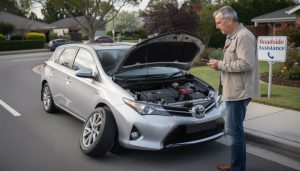
Allowing a loose belt to persist increases the risk of sudden failure. Once the belt snaps, the alternator ceases operation completely. This leads to rapid battery drain, resulting in a car that may stall unexpectedly and fail to restart. Besides the inconvenience, this scenario can be hazardous in traffic or remote locations.
💡 Expert Tip: Routinely monitor your alternator belt during regular maintenance checks, especially before long trips or extreme weather changes, as these conditions tend to exacerbate belt slippage and wear.
Practical Tips for Maintenance and Timely Replacement of Alternator Belts
Given the essential role of the alternator belt, integrating its care into your regular car maintenance routine is critical. Experienced mechanics recommend inspecting the belt every 10,000 miles or once a year at minimum, paying close attention to belt wear markers such as cracks, glazing, or fraying edges.
When replacements are due, choose quality belts suited for your vehicle; inferior belts tend to stretch quicker and degrade faster. If your vehicle employs an automatic tensioner, have this component checked or replaced to prevent premature belt slippage.
For owners considering a DIY approach, be sure to consult your vehicle’s manual for exact tension specifications and belt routing diagrams to avoid installation mistakes that can cause either excessive tightness or slack.
Additionally, during your alternator belt inspection:
- Check pulley alignment – misaligned pulleys increase belt wear and the likelihood of slippage.
- Inspect for oil or coolant contamination – fluids degrade rubber belts and shorten lifespan.
- Listen for unusual noises during startup and when revving the engine – as these often precede visible signs of belt wear.
| Alternator Belt Type | Expected Lifespan | Common Wear Signs | Recommended Replacement Interval |
|---|---|---|---|
| Neoprene Rubber | 25,000 – 50,000 miles (approx. 5 years) | Cracking, stretching, glazing | Every 5 years or sooner if wear detected |
| EPDM (Ethylene Propylene Diene Monomer) | Up to 100,000 miles | Slow stretch, minor cracks | Check annually, replace if worn |

Recognizing the Dangers and Acting Fast to Avoid Costly Repairs
While a loose belt might seem like a minor inconvenience, the potential issues it triggers can escalate quickly. Left untreated, not only does the battery eventually die, but continuous slipping can damage the alternator’s internal components, leading to significantly higher repair costs.
Moreover, electrical failures can affect safety features reliant on battery and alternator power, including anti-lock brakes or traction control systems. In emergency situations, these malfunctions pose real risks.
Therefore, once you notice any of the signs described—be that a battery warning light, squealing noise, or dimming lights—get your belt inspected promptly. Replacing a worn or loose alternator belt is relatively inexpensive and straightforward compared to repairing alternators or replacing batteries prematurely.
Prioritizing belt tension checks during routine car maintenance, especially if your model is known for serpentine belt issues, ensures you stay ahead of possible troubles.
Can a loose alternator belt cause a car not to start?
Yes, if the alternator belt is too loose or broken, the alternator cannot charge the battery adequately, leading to a drained battery that prevents the car from starting.
How often should I have my alternator belt checked or replaced?
Typically, neoprene belts should be checked every 25,000 miles or every 5 years, whereas EPDM belts can last up to 100,000 miles. Annual inspections are advised to monitor for wear or loosening.
Is a squealing noise always caused by a loose alternator belt?
Not always. While it often indicates belt slipping, it could also be caused by worn pulleys or belt tensioner issues. Professional diagnosis is recommended to pinpoint the exact cause.
Can I replace a loose alternator belt myself?
If you have mechanic experience and the right tools, replacing an alternator belt is feasible. However, correct tension and alignment are critical; when unsure, seek professional help.
What risks does ignoring a loose alternator belt pose?
Ignoring it can lead to battery drain, engine stalling, loss of power steering, alternator damage, and, ultimately, costly repairs and unsafe driving conditions.