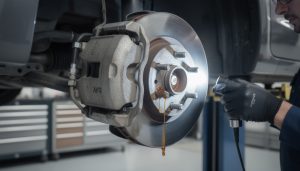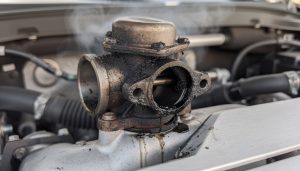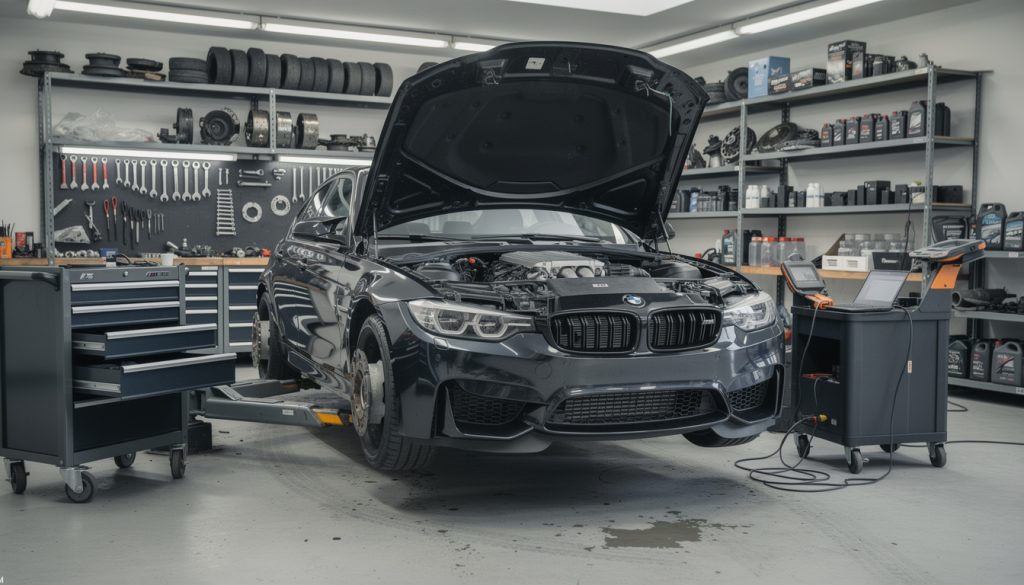
The BMW M3, a symbol of performance and engineering prowess since its debut in 1986, continues to captivate enthusiasts worldwide. However, owning such a high-performance vehicle comes with a specific set of challenges. Over its six generations, the M3 has presented various common problems that potential and current owners need to be aware of to avoid costly repairs and ensure their car maintains its legendary status. Understanding these issues and how to address them is essential for preserving the driving pleasure and reliability that define the BMW M3 experience.
For those who appreciate the blend of luxury and sportiness the M3 offers, it is reassuring to know that many problems are manageable with timely maintenance and informed interventions. From engine overheating to transmission quirks and interior annoyances, the M3 demands a certain level of attention that, when given, rewards with decades of thrilling drives. Let’s delve deeper into the most frequent concerns noted by BMW M3 owners and expert mechanics alike, along with practical advice on how to fix or prevent them.
Key Takeaways :
- BMW M3 radiators are prone to clogging, which can cause serious engine overheating if not addressed promptly.
- The VANOS valve timing system often suffers from seal wear, leading to reduced engine performance and the need for replacement or seal upgrades.
- Excessive oil consumption commonly results from crankcase ventilation valve leaks or head gasket failures.
- Transmission shifting issues, including unexpected shifts into neutral, require careful monitoring and sometimes costly repairs or replacements.
- Suspension and engine mounts wear prematurely, leading to rattling noises and discomfort during driving, necessitating early replacements.
BMW M3 Engine Cooling Systems and Radiator Failures
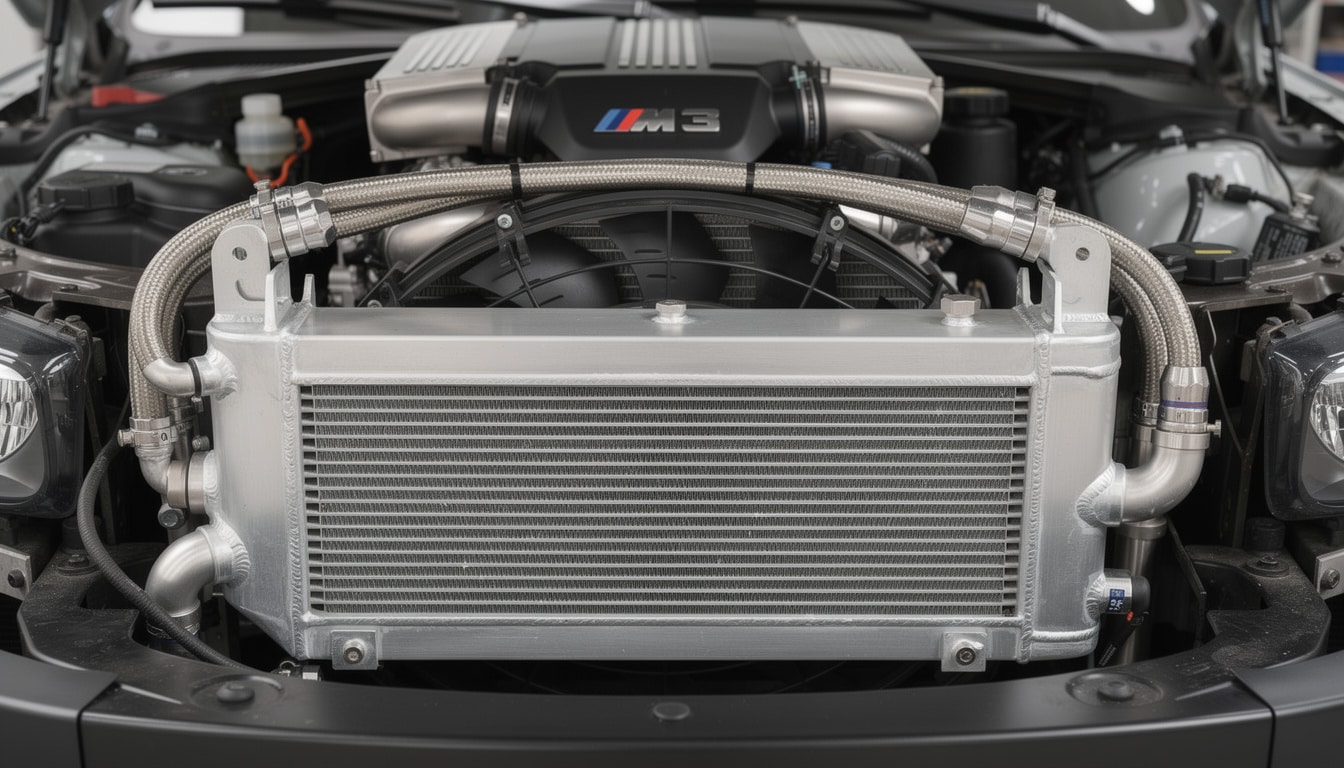
One of the most frequently reported BMW M3 common problems relates to the radiator and engine cooling system. The M3’s radiator plays a vital role in maintaining engine temperature by ensuring proper coolant flow and heat dissipation. Unfortunately, many M3 owners have experienced radiator clogging or failure, which sharply decreases coolant circulation, leading to rapid engine overheating.
The impact of a malfunctioning radiator should never be underestimated. Engine overheating leads to increased friction and excessive heat buildup that can cause long-term damage, including warped cylinder heads, compromised gaskets, and eventual engine failure. What makes this issue particularly frustrating is how quickly it can escalate from a simple overheating warning on your dashboard to a costly engine replacement scenario.
Regular maintenance can mitigate these risks. Flushing the coolant system annually and replacing the coolant helps preserve radiator function and detect early warning signs of leaks or blockages. When overheating is identified, inspecting the radiator for signs of clogging or damage is the first step, and fortunately, radiator replacements remain significantly more affordable than engine repairs.
💡 Expert Tip: Keep a keen eye on your engine temperature gauge and act swiftly when it rises above normal. It's far easier to replace a radiator or refill coolant than to manage an overheated engine.
Given the age of many M3s on the road today, radiator issues tend to occur in models exceeding 100,000 miles, but preventive care can extend lifespan notably. Understanding how critical efficient heat management is to a high-performance engine helps owners appreciate the value of routine radiator service in their maintenance regimen.
VANOS Valve Timing Malfunctions and Engine Performance Issues
The VANOS system in BMW M3s is an advanced technology designed to optimize engine valve timing for improved power output and fuel efficiency. Unfortunately, it also represents a significant source of BMW M3 engine issues. The VANOS mechanism relies heavily on seals that control oil flow to adjust valve timing dynamically. These seals commonly degrade rapidly, often failing within just 20,000 miles, a much shorter service life than other engine components.
Once the VANOS seals wear out, the unit’s ability to regulate valve timing diminishes sharply. Symptoms include rough idling, reduced power, and increased fuel consumption — all hinting at compromised engine performance. While replacing the entire VANOS unit is the traditional fix, BMW’s tendency to reuse the same faulty seals during replacements has frustrated owners.
Fortunately, aftermarket seals that address initial design flaws offer a better solution, extending VANOS life to more acceptable levels. Proactive owners and mechanics often recommend these upgrades to avoid recurrent repairs. This focus on VANOS maintenance is critical because a failing system can lead to more costly engine damage if left unaddressed.
💡 Expert Tip: When replacing VANOS units, insist on aftermarket seal kits rather than standard dealer replacements to ensure extended reliability.
For M3 owners, regularly monitoring engine vibrations and power delivery can help catch VANOS-related problems early. Comprehensive diagnostics by professionals can confirm whether the valve timing system is the root cause behind performance drop-offs, allowing for targeted repairs.
Excessive Oil Consumption: Causes and Remedies
Among the top concerns in the BMW M3 repair guide is excessive oil consumption. The M3 engine, built with precision and high performance in mind, requires adequate lubrication to handle its elevated stress levels. Unfortunately, some owners find their cars consuming oil faster than normal, which can drastically shorten engine lifespan if unattended.
A frequent culprit behind this issue is the crankcase ventilation valve (CVV), which can suffer from leaking seals that allow oil to escape or be burned off in the combustion process. This leakage often manifests as oil residue around the engine’s exterior areas, complicating detection.
Another common cause is a compromised head gasket that allows oil to seep out. A failing head gasket not only risks oil loss but also invites coolant contamination, both dangerous for engine health. Routine compression tests and oil inspections are therefore vital tools for identifying this problem early.
Simple prevention includes regularly checking oil levels, topping up when the level drops by roughly a pint, and scheduling valve and gasket inspections during oil changes. Repairs might involve replacing the CVV or head gasket, which, depending on model and warranty status, may be covered or partially covered by BMW.
Owners facing high oil use should prioritize these checks to avoid escalating engine wear and expensive repairs. Thorough attention to oil consumption remains a cornerstone of effective BMW M3 maintenance tips.
Transmission Anomalies: Shifting Into Neutral and Solutions
A particularly unsettling issue for M3 owners is the sporadic transmission behavior, specifically the tendency for the transmission to shift into neutral unexpectedly while driving. This phenomenon, though not universal, has been reported enough times to warrant it as a notable BMW M3 transmission problems concern.
When the car shifts to neutral on its own, it risks unexpected loss of power delivery, which can be dangerous depending on driving conditions. Unlike a sudden shift into reverse or park, a neutral shift usually doesn’t cause immediate mechanical damage, but it is undeniably a significant nuisance and potentially accelerates transmission wear if it recurs frequently.
Preventive measures include vigilant monitoring of transmission fluid levels and quality, along with adherence to service intervals to maintain hydraulic function and gear engagement integrity. Should the problem persist, the most effective remedy often involves transmission replacement, though this is a considerable expense that not all owners find practical.
Some owners, faced with persistent issues and expensive repairs, opt to sell their M3 and seek alternative vehicles. Understanding this risk before purchasing an M3—especially a used one—is crucial. Buyers should always seek vehicles with verified maintenance records and inspect for transmission recall compliance.
Summary Table of Common BMW M3 Mechanical Issues and Repairs
| Problem Area | Typical Symptoms | Common Fixes | Estimated Repair Cost |
|---|---|---|---|
| Radiator Failure | Overheating, Coolant Leaks | Coolant Flush, Radiator Replacement | $300 – $800 |
| VANOS Valve Timing | Rough Idle, Power Loss | Seal Replacement, VANOS Unit Repair | $1,000 – $2,000 |
| Excessive Oil Consumption | Oil Leaks, Frequent Oil Top-up | CVV or Head Gasket Replacement | $800 – $2,500 |
| Transmission Shifting | Unexpected Neutral Shift | Transmission Fluid Service, Replacement | $2,500 – $7,000+ |
| Engine Mounts and Suspension Bushings | Rattles, Engine Movement | Mount and Bushing Replacement | $400 – $1,200 |
Considering these figures helps prospective buyers and owners weigh maintenance and repair budgets accurately. Keeping in mind that a well-maintained M3 provides exhilarating sports car performance, these repair costs often reflect the high-performance nature of the vehicle rather than poor build quality.
Suspension, Engine Mount Wear, and Interior Noise Issues
Owners looking to maximize the lifespan and comfort of their BMW M3 must not overlook suspension wear and engine mount problems. These mechanical components are crucial for maintaining driving stability and minimizing vibrations transmitted to the cabin. Both engine mounts and bushings are made of materials designed to absorb force but tend to degrade prematurely in M3 models, leading to rattling noises and a less refined ride experience.
Worn mounts can also affect engine alignment, contributing further to drivetrain wear and imbalanced handling characteristics. Prompt replacement upon noticing any cracking or rattling ensures the BMW M3 remains a comfortable and composed machine.
Another common annoyance is interior noise, often described by owners as rattles and squeaks emanating from various parts of the cabin. Regular cleaning and use of quality conditioning products on leather and dash materials help reduce these noises and preserve the cabin’s upscale character.
💡 Expert Tip: Schedule suspension and mount inspections at least annually, particularly if you notice any increase in noise or instability during driving.
Fuel Delivery Challenges and Rough Idle: How to Detect and Repair
Fuel delivery problems are less frequently reported but can significantly impact M3 engine operation. A malfunctioning fuel pump or clogged fuel filter can cause hesitations and misfires, jeopardizing both performance and safety. Similarly, failing fuel injectors disrupt the precise delivery required by the turbocharged engines used in recent M3 generations.
Owners experiencing rough idling may be dealing with a faulty idle control valve. This valve fine-tunes fuel intake while the car is stationary and helps maintain optimal fuel consumption. A defective valve leads not only to rough engine operation but also decreased fuel economy and increased emissions.
Proper diagnosis involves checking fuel delivery pressure and injector function, followed by targeted repairs like fuel pump replacement or fuel injector cleaning or swap-outs. Addressing these issues promptly will restore smooth engine performance and prolong fuel system life.
For those interested in digging deeper into related BMW series problems, a helpful resource can be found here: reliable BMW Serie 4 problems report, which shares insight into common issues and solutions that frequently cross over to the M3.
What are the signs of a failing VANOS system?
Common signs include rough idling, decreased engine power, and increased fuel consumption. These symptoms indicate the need for immediate diagnosis and potential replacement of the VANOS seals or unit.
How often should the BMW M3 radiator be serviced?
The radiator should be inspected and the coolant flushed roughly once a year to maintain optimal performance and prevent clogging that leads to overheating.
Is excessive oil consumption normal in the BMW M3?
While some oil consumption can be expected in high-performance engines, excessive oil loss usually indicates a problem such as a leaking crankcase ventilation valve or failing head gasket that requires repair.
Can transmission problems in the BMW M3 be prevented?
Regular transmission fluid checks and servicing are essential for preventing unexpected shifts into neutral. Early intervention can avoid costly replacements, but some transmission issues may be unavoidable in older or heavily used models.
What maintenance tips can help reduce suspension wear?
Scheduling annual inspections and promptly replacing worn bushings and mounts will help maintain smooth handling and minimize rattling noises in the BMW M3.