The Jeep Cherokee has established itself as a durable and versatile SUV beloved by enthusiasts who appreciate its rugged design and off-road capabilities. Since its debut in 1974, the Cherokee has grown through multiple generations, catering to a diverse audience from trail explorers to urban families seeking a robust vehicle. However, this long history also means a range of common problems have emerged over time, reported consistently by owners and drivers worldwide. As of 2026, understanding these recurring issues is essential for anyone considering purchasing a Jeep Cherokee or currently owning one.
Owners often face challenges involving door hardware, engine performance, advanced electrical systems, and even the vehicle’s structural integrity such as windshield leaks. Moreover, the Cherokee’s maintenance costs and reliability ratings have sparked a fair amount of concern, especially when compared to more recently developed SUVs boasting modern engineering. In this article, I’ll provide detailed insights into the main reported issues, offer technical explanations, and share practical advice on avoiding costly repairs while maximizing your Jeep’s performance and lifespan.
With the Jeep Cherokee’s unique blend of off-road prowess and everyday usability, diving into its common faults, ranked reliability, and cost considerations can help you navigate the complexities of ownership confidently. Whether you’re troubleshooting pesky electrical faults or wary of transmission problems, this guide walks through the essential areas Cherokee owners should not overlook.
Key Takeaways :
- Doors: Hinge and handle failures persist across various Cherokee models, particularly from 1984-2001 and 2014 models.
- Engine Issues: Misfires, oil leaks, and starting delays are frequent in mid-2010s Cherokees, with camshaft sensors often the culprit.
- Transmission Problems: 8-speed transmissions in 2014-2017 models exhibit hard shifting and shuddering, partially remedied in later years.
- Windshield Leaks: Common in older XJ Cherokees due to body flex, potentially leading to rust if not addressed.
- Running Costs: Maintenance expenses exceed the industry average by roughly £2,357 over ten years, highlighting the need for diligent upkeep.
Common Jeep Cherokee Mechanical and Electrical Problems: What Owners Report the Most
Jeep Cherokee owners frequently encounter various mechanical and electrical hiccups that affect the vehicle’s performance and convenience. Among these, engine issues are a recurring theme, especially in models from the 2011-2017 range. Drivers report engine misfires linked not to worn spark plugs but often due to cylinder head complications or faulty camshaft sensors. This can lead to elongated starting times, rough idling, or unexpected engine stalls.
Additionally, transmission problems are common, particularly in computers controlling the Cherokee’s 8-speed gearboxes deployed from 2014 onward. Owners describe sudden shifts to neutral, unresponsive gear changes, or notable shuddering under acceleration. Jeep addressed some of these issues in later model years through software updates and a physical redesign of the transmission system around 2018, but residual problems can still surface in the used market.
One cannot ignore electrical faults that frequently plague the Cherokee. These range from dashboard warning lights flickering unexplained to malfunctioning door locks and problematic headlight condensations. For example, the 2014-2019 Cherokees with halogen headlights often suffer from failed headlight seals causing fogging and reduced road visibility—a crucial safety concern. In colder climates, this fogging tends to worsen dramatically.
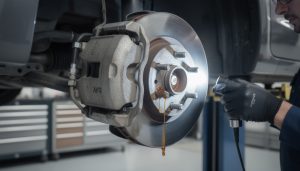
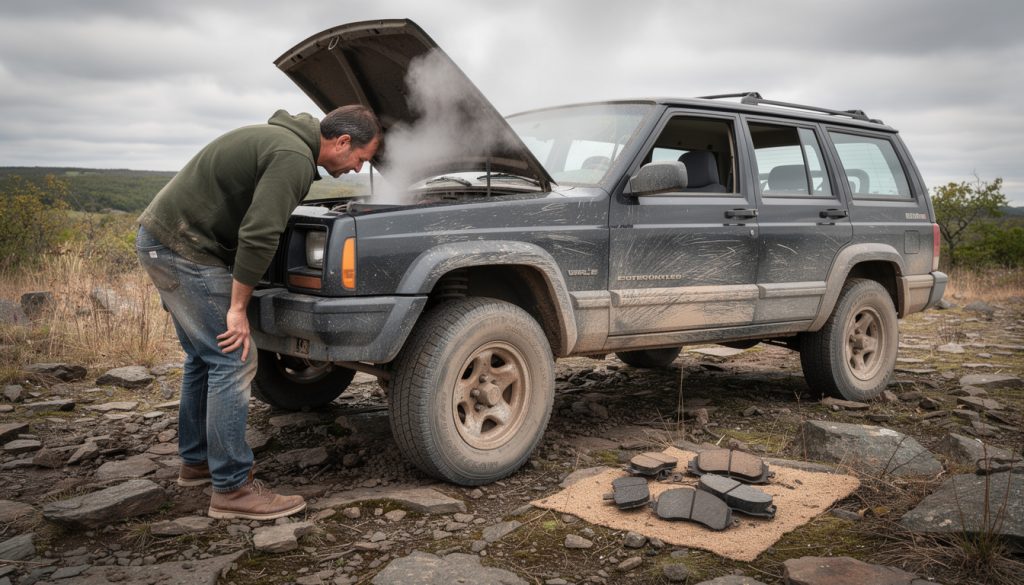
Beyond the powertrain and electricals, owners also voice concerns about brake failure and suspension noise which can arise suddenly and affect driving confidence, especially during off-road activities. Brake problems sometimes trace back to faulty sensors or worn discs needing prompt replacement, whereas suspension noises often hint toward worn bushings or shocks, particularly in Cherokees regularly traversing rugged terrain.
💡 Expert Tip: Regularly inspect and clean door hinges and seals to prevent degradation caused by dirt and debris, particularly in older XJ models. Keeping these elements lubricated can prevent costly repairs down the line.
Structural Concerns and Maintenance Costs: What Makes Cherokee Ownership Unique
When it comes to structural aspects, the Jeep Cherokee is no stranger to windshield leaks, especially in the earlier XJ models produced between 1984 and 2001. The root cause often lies in body flexing that deteriorates the windshield seal. Combined with off-road stresses, these leaks let water infiltrate the cabin and floorboards, potentially fostering rust and causing long-term damage.
Temporary repairs may involve resealing the windshield; however, owners who employ their Cherokee heavily off-road might consider body stiffening solutions like roll cage installations to reduce flex and protect the vehicle’s integrity. This approach is less common but effective for serious off-road aficionados.
The cost of maintenance and repairs further complicates Cherokee ownership. Over its first decade, owners might expect average maintenance expenses around £10,607—approximately £2,357 more than comparable SUVs. This premium is mostly due to the increased likelihood of replacements such as gearboxes, engine parts, and electrical components. However, using genuine Jeep parts and maintaining regular service intervals can mitigate unexpected breakdowns and safeguard resale value.
The reliability ratings also vary based on the model year. Recent reviews show 2023 Cherokee models achieving average marks in reliability, but used Cherokees from 2014 onwards—particularly those that have not been meticulously serviced—rank below average in the large SUV category. Well-maintained 2018 and 2020 models stand out as more reliable choices, benefitting from incremental design improvements and software refinements.
For budget-conscious buyers, this combination of potential expensive repairs and moderate reliability rankings means thorough vehicle history checks are indispensable. Scrutinize previous ownership and maintenance records to avoid models with checkered service backgrounds.
Maintenance cost comparison table for Jeep Cherokee vs Industry Average (10-year span)
| Category | Jeep Cherokee Average (£) | Industry Average (£) | Difference (£) |
|---|---|---|---|
| Routine Maintenance | 4,200 | 3,100 | +1,100 |
| Repairs & Replacements | 6,407 | 5,150 | +1,257 |
| Total 10-Year Cost | 10,607 | 8,250 | +2,357 |
Identifying and Fixing Jeep Cherokee Door and Lighting Problems
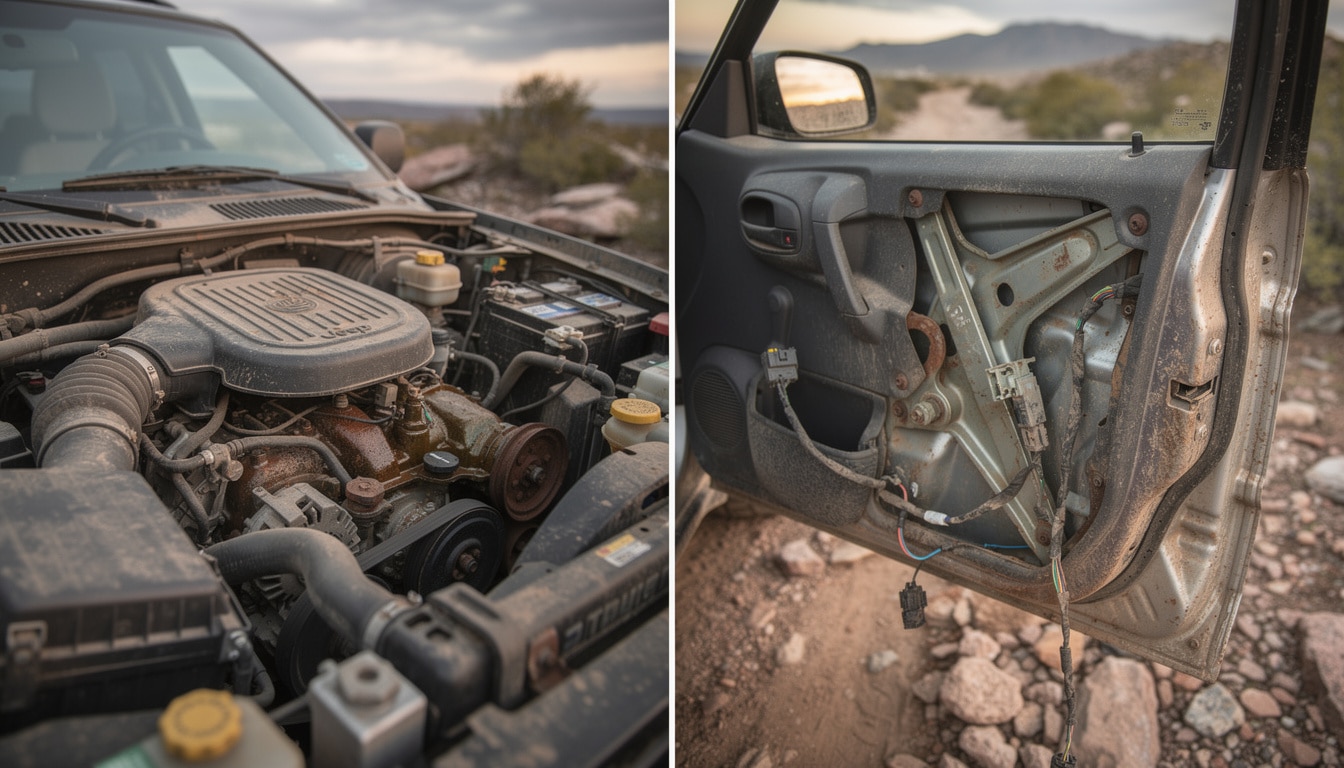
Doors on the Jeep Cherokee have caused persistent frustration for owners, especially regarding hinges, handles, and door straps. For example, the XJ Cherokee models from 1984 to 2001 often exhibit door hinge wear, which can lead to misalignment and difficulty keeping the door properly closed. This is particularly frequent in two-door versions, which see more stress on door load-bearing components.
In newer models like the 2014 Cherokee, a distinctive clicking noise coming from the front door handle has been reported quite often. This noise occurs when the handle rubs against internal door parts, usually requiring the handle’s removal and either trimming or full replacement. Left unchecked, these annoyances can evolve into more significant issues affecting door security and operation.
Similarly, door straps—designed to limit the door’s opening range—can seize up after exposure to environmental elements like dirt and dust, especially in older XJ models with inner wing designs prone to allowing debris entry. Such jams cause doors to open too far or prevent them from closing properly, presenting safety hazards and inconvenience.
Lighting issues also merit attention. The 2014-2019 Cherokees with halogen headlights frequently develop condensation due to compromised headlight unit seals. Drivers must be aware that foggy headlights can severely impair nighttime visibility, necessitating a complete headlight replacement. Although some might attempt DIY resealing, the most reliable fix is swapping out the whole unit.
💡 Expert Tip: Regularly check headlight seals and replace any fogged halogen units promptly to maintain optimal driving safety and avoid more costly electrical faults later.

Which Jeep Cherokee Model Years Should You Avoid and Which Are Top Picks?
Choosing the right Jeep Cherokee model year can save you from many headaches. According to owner surveys and reliability data, some model years consistently present fewer problems and better performance. Specifically, the 2018 and 2020 model years are frequently cited as top picks.
The 2018 Cherokee introduced updated exterior styling and enhanced user technology, balancing off-road toughness with everyday usability. Reliability was improved with mechanical tweaks and software patches that resolved many known transmission and electrical issues. Meanwhile, the 2020 model expanded engine choices and included advanced safety features, appealing strongly to families and adventure enthusiasts requiring versatility.
Conversely, the years from 2011 to 2014, particularly with the V6 engines, were marred by engine issues including frequent misfire codes and oil leaks. The 2014-2017 period saw significant transmission problems, making those model years riskier buys for anyone wary of costly repairs. Older XJ models, while iconic and often more affordable, require extensive mechanical knowledge and sometimes costly structural fixes such as sealing windshield leaks and maintaining door hardware.
By carefully selecting years with proven reliability and fewer documented issues, owners can enjoy the Jeep Cherokee’s strengths—such as fuel system robustness, cooling system reliability, and strong steering characteristics—without constantly battling breakdowns.
List of the most reliable Jeep Cherokee years (recommended for purchase):
- 2018 – Enhanced technology and design improvements
- 2020 – Advanced safety and versatile engine options
- 2023 – Average reliability with modern features, still gaining evaluations
Conversely, owners are often advised to avoid models heavily reported for transmission problems, electrical faults, and brake failures primarily concentrated in the 2011-2017 model range.
Frequently Overlooked Jeep Cherokee Issues: What to Know Beyond the Basics
In addition to headline mechanical faults, Jeep Cherokee owners should be aware of subtler but just as impactful problems such as battery drain, air conditioning failure, steering problems, and fuel system malfunctions. These issues aren’t often discussed prominently but can seriously affect day-to-day driving comfort and vehicle performance.
Battery drain often stems from electrical components not shutting down properly or parasitic draws in the wiring harness. This can leave owners stranded unexpectedly and requires detailed electrical diagnostics to pinpoint the problem.
Air conditioning failure has been a common complaint on models from the 2014 to 2019 generation. Problems usually relate to compressor faults or refrigerant leaks, which means repairs can rapidly add up if unattended.
Steering problems including stiffness, unusual noises, or looseness might hint at worn steering components or power steering pump issues. Regular inspection is essential, especially for those who use their Cherokee off-road.
Fuel system malfunctions can cause hesitation under acceleration or issues starting, sometimes due to clogged fuel injectors or failing fuel pumps. Addressing these problems early prevents performance degradation and costly secondary damage to the engine.
Addressing these less obvious faults requires patience and expertise, but ignoring them can quickly lead to complicated repairs. Keeping up with routine maintenance and promptly tackling warning signs can preserve your Jeep Cherokee’s legendary robustness and enjoyability.
Are Jeep Cherokee transmissions prone to failure?
Certain Cherokee models, especially those from 2014-2017 with 8-speed transmissions, have reported shifting and shuddering issues. These were mitigated in part by software updates and redesigns from 2018 onwards.
How expensive is it to maintain a Jeep Cherokee over 10 years?
Maintenance and repair costs over ten years average around £10,607, which is approximately £2,357 higher than comparable SUVs. Regular servicing and genuine parts can reduce expenses.
What model years of Jeep Cherokee have the fewest problems?
The 2018 and 2020 Jeep Cherokee models are recommended for their improved reliability, fewer common issues, and advanced technology.
What should I check if my Jeep Cherokee headlights fog up?
Fogging typically indicates a failed seal in halogen headlight units, particularly in 2014-2019 models. The best fix is to replace the entire headlight assembly.
Why does my Jeep Cherokee have door handle noises?
Clicking noises from the front door handle often result from the handle rubbing against the inner door structure. Repair usually involves trimming or replacing the handle.