The BMW Serie 4 stands as a symbol of luxury, sporty performance, and innovative engineering. However, even the most prestigious vehicles come with their share of challenges. For enthusiasts and prospective owners, understanding the most common problems associated with the BMW Serie 4 is essential to ensure durability and driving pleasure. This comprehensive overview delves into the known issues, from engine concerns to electrical glitches, while offering practical advice on how to diagnose and rectify these faults efficiently.
By dissecting these typical problem areas and learning how to address them proactively, owners can maintain the hallmark blend of comfort and performance that defines the BMW Serie 4. Whether you’re a seasoned mechanic or simply an informed driver, this guide aims to empower you with knowledge and confidence.
Key Takeaways :
- BMW Serie 4’s most frequent issues include engine timing chain failures, oil leaks, and electrical system faults.
- Model-specific problems such as suspension instability (notably in M340i variants) and DCT transmission quirks in the M4 demand close attention.
- Regular software updates and maintenance are critical in mitigating many software and hybrid system glitches, especially in 330e models.
- An understanding of warning light signals and performing timely repairs safeguards the vehicle and its occupants.
- Being informed about recall campaigns and common failure points helps preempt costly repairs and enhances ownership satisfaction.
Engine and Mechanical Issues in the BMW Serie 4: Diagnosing Core Problems
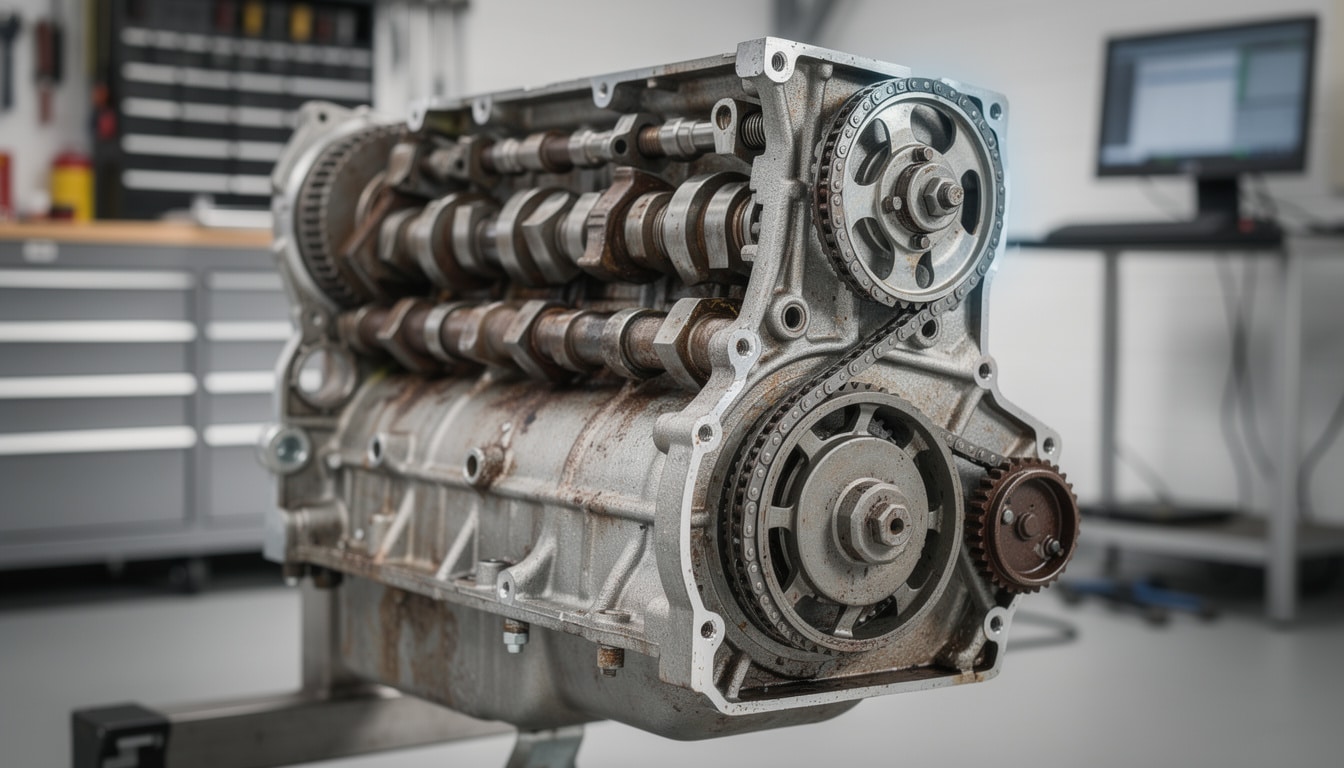
The engine is the heart of any vehicle, and in the BMW Serie 4, a handful of known mechanical issues have surfaced over the years. The famous N20 4-cylinder turbocharged engine, used in early models such as the 428i, has been known for its premature timing chain failures. These failures can occur between 50,000 and 100,000 miles and often result in catastrophic engine damage if not addressed promptly.
This issue primarily stems from the original use of plastic timing chain guides, which wore down quickly under high thermal stress. From 2015 onwards, BMW replaced them with more durable materials, significantly reducing failures.
Symptoms of timing chain trouble often include an unusual whining noise from the engine, rattling sounds, and warning messages like “Drivetrain Malfunction.” Owners have shared experiences where early detection and replacement of the timing chain reduced repair costs drastically—averaging between $1,000 and $2,000.
Another widespread mechanical challenge is oil leaks caused by a faulty valve cover gasket. These gaskets have a tendency to degrade with time, especially in engines like the N55 and even newer B48 and B58 variants. Oil leakage not only causes messy engine bays but may also lead to spark plug contamination, resulting in misfires or engine warning lights.
Fortunately, replacing the valve cover gasket is relatively straightforward and affordable compared to engine overhaul costs, typically completed within an hour by experienced mechanics. Being proactive in noticing slight oil smells or smoke near the valve cover is an owner’s best defense.
Additionally, the Positive Crankcase Ventilation (PCV) valve system, specifically the diaphragm integrated in the valve cover, is prone to degradation, especially in models from 2014 to 2019. When faulty, it leads to excess crankcase pressure, resulting in white exhaust smoke or howling engine noises. Due to the PCV valve’s integration, a full valve cover replacement may be necessary to resolve issues.
In diesel variants equipped with engines like the N47, timing chain tensioner failures have also been notorious, resulting in various drivability problems. Early awareness coupled with timely repairs aids in preventing potential engine damage.
Understanding and Resolving Electrical Faults and Software Issues in BMW Serie 4
The BMW Serie 4 integrates advanced electronics and infotainment systems, a design choice that often invites complex electrical challenges. Owners frequently report problems ranging from software glitches affecting infotainment performance to more critical electrical system failures.
Infotainment software bugs can lead to unresponsive touchscreens or delayed system responses. Keeping the vehicle’s software updated through authorized service centers is crucial. Fortunately, BMW provides regular updates addressing most known software shortcomings, enhancing system stability.
Some hybrid models, particularly the 330e and 330e xDrive, require careful monitoring for hybrid system warnings triggered by software inconsistencies. These may manifest as dashboard alerts or error codes related to battery management and engine integration. Prompt updates and diagnostics reduce the risk of prolonged downtime and expensive repairs.
Electrical-related airbag sensor glitches have also been documented. A persistent airbag warning light that refuses to turn off suggests sensor malfunction, emphasizing the need for dealer evaluation to ensure occupant safety.
Another important aspect is the array of warning lights present on the instrument cluster. Understanding indicators such as ABS warnings, tire pressure monitoring system (TPMS) alerts, and lane-keeping assist activation not only improves reaction times but also prevents escalation of small faults into serious malfunctions.
Maintaining the electrical system includes routine checks of battery charge and wiring harnesses. Corrosion-free connectors and secure electrical contacts ensure performance consistency, especially in regions experiencing fluctuating weather conditions.
It’s noteworthy that some 2021 models experienced brake system recalls, highlighting the industry’s continuous pursuit of safety improvements. Staying up-to-date with recall announcements, including those posted on the NHTSA website, safeguards owners from unexpected hazards.

Cooling System Weaknesses and Oil Leak Solutions in BMW Serie 4
BMW’s strategic use of plastic components in the cooling system has occasionally proven to be a double-edged sword. The tendency for plastic cooling hoses and expansion tanks to become brittle and crack under thermal cycling often results in coolant leaks, sometimes unexpectedly resulting in engine overheating.
Owners should vigilantly check coolant levels and inspect visible hoses periodically to preempt failures. Symptoms of cooling system trouble include sudden temperature spikes, coolant odors in the engine bay, and visible steam after parking.
If the cooling system fails, rapid engine overheating can lead to severe head gasket or engine block damage. Replacing worn plastic components with high-quality OEM or aftermarket alternatives is a practical solution.
Water pump failures, especially electric pump variants found in turbocharged engines such as the N55, B48, and B58, have been a recurring maintenance consideration. Signs include persistent high-speed cooling fan operation or erratic engine temperature readings.
Replacement of the water pump at around 50,000 to 100,000 miles is recommended, often paired with thermostat replacements to optimize labor costs.
In terms of oil leaks, the oil filter housing gasket has frequently been a culprit. Owners of early models (2014-2016) using N55 or N20 engines have reported leaks necessitating gasket or even housing replacements. These leaks, if left unchecked, can cause oil starvation or contamination, leading to engine wear.
Timely maintenance, including routine oil level checks and provider inspections, is crucial. Experienced BMW technicians can quickly identify these leaks during regular service intervals.
Practical List: Maintenance Tips for Addressing Cooling and Oil Leak Problems
- Inspect coolant hoses and reservoirs every 6 months.
- Monitor dashboard for any temperature or coolant warning lights.
- Request water pump and thermostat checks during scheduled services.
- Change oil filter housing gaskets as preventive maintenance once mileage exceeds 50,000 miles.
- Use quality OEM parts for any replacement to ensure durability.
Transmission and Suspension Concerns: Fine-Tuning Performance and Comfort
The sporty character of the BMW Serie 4 calls for a drivetrain and suspension setup that enhances its dynamic capabilities. However, some model-specific issues deserve attention.
Owners of M340i and M340i xDrive models have reported occasional suspension instability and discomfort during high-speed driving. This may relate to suspension bushings or shock absorber wear, impacting the precise handling the series aims to provide. Regular suspension inspections and timely replacement of worn components enhance ride quality and driver confidence.
Regarding transmission, early generation M4s equipped with Dual Clutch Transmission (DCT) have shown a peculiar delay shifting into reverse gear. This is usually intermittent and happens after the vehicle sits idle. Although inconvenient, waiting a few seconds before attempting reverse engagement resolves the issue, and it generally does not indicate an underlying fault.
For vehicles experiencing this DCT quirk, BMW dealerships may provide software updates or minor repairs. However, awareness helps drivers avoid undue frustration or misdiagnosed issues.
Another notable concern is steering wheel vibration at highway speeds, often caused by improper tire balancing or worn suspension components. Corrective alignment and road force balancing are typical remedies, providing immediate return of smooth handling during highway cruising.
Owners should never overlook symptoms like excessive vibrations or clunks as they can escalate into costly repairs later on. Proactive suspension and steering system maintenance, especially in models with high mileage or aftermarket modifications, ensures driving comfort and safety.

BMW Serie 4 Model Years, Comparisons, and Purchase Advice
Choosing the ideal BMW Serie 4 requires discernment about model years and understanding differentiating characteristics compared to sibling models like the 3 Series. Based on expert analyses and owner feedback, the 2014 model year should be approached cautiously. Early production teething problems, particularly related to engine timing chains and software bugs, were more prevalent in this vintage.
Newer models feature progressive technical improvements, both mechanically and electronically, making them more reliable and enjoyable to own.
Comparatively, the BMW 4 Series leans toward sportier aesthetics with its two-door coupe design, while the 3 Series offers additional cargo space, making it more practical for families or those requiring daily utility.
For those exploring alternatives, competitors such as the Genesis G70, Audi A5, Lexus RC, and Infiniti Q60 provide interesting options. Each has its unique value propositions ranging from cabin comfort, technology interfaces, warranty packages, and pricing strategies. For example, the Genesis G70 impresses with its premium interior and extensive warranty, while the Audi A5 balances performance and fuel efficiency superbly.
By comparing these vehicles’ strengths against the BMW Serie 4’s known issues, buyers can make informed decisions aligning with personal priorities and budget considerations.
Before purchasing any used BMW Serie 4, it is wise to review common issues in sister models and consult data sources listing recall information and owner-reported problems.
| BMW Serie 4 Model Year | Common Issues | Recommended Checks |
|---|---|---|
| 2014 | Timing chain failure, software glitches | Inspection of timing chain, software updates, valve cover gasket check |
| 2015-2016 | Oil filter housing gasket leaks, charge pipe breaks | Regular oil leak inspections, charge pipe condition, coolant system inspection |
| 2017-2019 | Suspension wear in M340i, PCV valve issues | Suspension health check, PCV and valve cover evaluation |
| 2020 and newer | Software and electrical system updates, brake recall awareness | Keep up with software updates, monitor warning lights, check brake system status |
💡 Expert Tip: Always cross-check any used BMW Serie 4’s Vehicle Identification Number (VIN) against recall databases and maintenance records to identify less obvious issues or pending repairs.
Brands often recycle key components across their lineup, so exploring common problems in sister BMW models like the Serie 1 can reveal links to potential weaknesses, helping anticipate future repairs.
How reliable is the BMW 440i engine?
The BMW 440i engine is generally regarded as reliable, especially in models built after 2015 with upgraded components. Regular maintenance and timely repairs of known issues like timing chain and valve cover gasket problems further enhance its reliability.
Are there any recalls I should be aware of for the BMW Serie 4?
Yes, several recalls, including those related to fuel pumps and brake failures, have been issued over the years. It’s essential to check your particular vehicle’s recall status using the VIN on official platforms to ensure all safety-related recalls are addressed.
What are common warning lights on the BMW Serie 4, and how should I respond?
Key warning lights include the ABS brake warning, oil pressure, TPMS alerts, and ‘Drivetrain Malfunction.’ When illuminated, these lights warrant immediate inspection or service to prevent further damage or safety risks.
Which model years of the BMW Serie 4 are best to avoid when buying used?
The 2014 model year is generally recommended to avoid due to prevalent early mechanical and software issues. Other model years tend to be more reliable, especially post-2016 models with updated components.
How does the BMW Serie 4 compare to its main competitors?
The BMW Serie 4 stands out with its sporty design and powerful engines but may require more maintenance than rivals like the Genesis G70 or Audi A5. Each competitor offers unique benefits in terms of warranty, technology, and interior comfort, so buyer preference plays a significant role.