The Kia Sportage has solidified its presence as a sleek, affordable compact SUV known for versatility and modern features like all-wheel drive and panoramic sunroofs. Since its debut in 1993, the model has undergone several redesigns, with the fourth generation launched in 2016 marking a significant shift in style and technology. However, despite these advancements, Sportage owners frequently report various mechanical and electrical issues that impact their driving experience. Understanding these concerns is essential for prospective buyers and current owners alike, helping them anticipate maintenance needs and avoid potential setbacks.
In 2026, the Sportage still appeals to a broad audience, yet the volume and type of commonly reported faults reveal trends that every Sportage owner should know. These include engine problems, transmission issues, electrical faults, brake noise, suspension problems, and air conditioning failure. Highlighting these concerns not only emphasizes the importance of regular upkeep but also the need to be vigilant about dashboard warning lights, software glitches, and recall notices that can arise unexpectedly. By addressing these topics, I aim to assist readers in making informed decisions about owning, maintaining, or purchasing a Kia Sportage.
Key Takeaways :
- Engine and transmission issues dominate common complaints among Sportage owners, especially in certain model years.
- Electrical faults and software glitches can lead to frustrating dashboard warning lights and erratic behavior in interior electronics.
- Brake noise and suspension problems frequently arise from wear and tear, affecting driving comfort and safety.
- Air conditioning failure and cooling system leaks remain a challenge, particularly in demanding climates or high mileage models.
- Awareness of recall notices and adherence to recommended maintenance schedules can considerably lower repair expenses.
Understanding Engine and Transmission Problems in the Kia Sportage
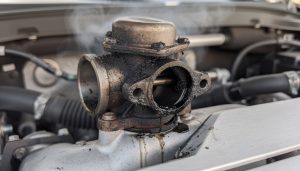
The powertrain – engine and transmission – is the heart of any vehicle, and the Kia Sportage is no exception. One of the most frequently reported issues by owners centers on engine problems. Drivers have experienced frequent stalling, misfires, and, in some cases, premature engine failure. These troubles often correlate with excessive oil consumption, a mechanical fault not exclusive to the Sportage but common among many four-cylinder engines in compact SUVs.
A notable factor aggravating engine reliability emerged with the introduction of turbocharged engines in the third generation Sportage. While turbocharging improves fuel efficiency and performance, it also adds mechanical complexity. Several owners encountered turbocharger failures that accelerated wear and reduced engine life expectancy.
Transmission issues compound these challenges. Complaints include rough shifting, slipping gears, and even complete gearbox failure. A frequent culprit is a defective torque converter, which can be costly to replace. The problem may appear suddenly or manifest as subtle drivability concerns, such as hesitation or delayed acceleration. Some models from the mid-2010s, in particular, have been more vulnerable to these faults.
Underneath these mechanical complexities lies the fact that early Sportage models primarily used Mazda-sourced engines. With Kia and Hyundai’s closer collaboration in recent decades, newer models rely on Hyundai’s own powertrains, which have demonstrated improved reliability but are not immune to faults.
💡 Expert Tip: Maintaining a rigorous oil change and engine inspection schedule helps detect early signs of oil consumption and prevents engine damage—especially critical for turbocharged engines.
In summary, the dual challenge of engine problems and transmission issues calls for vigilance. When considering a used Sportage, service records and a professional pre-purchase inspection focusing on the powertrain can save thousands in repair costs.
Ride, Handling, and the Effects of Suspension and Brake Concerns
The ride comfort and safe handling of a Kia Sportage rest heavily on the condition of its suspension and braking systems. Unfortunately, many owners report suspension problems such as worn or broken components that degrade ride quality, leading to a bumpy ride and, in extreme cases, compromised vehicle control. The Sportage’s body-on-frame construction in early models can exacerbate these effects due to greater chassis rigidity transferred directly through suspension components.
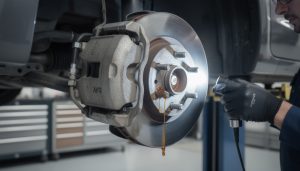
Braking systems in the Sportage are another area of attention. Premature brake pad wear often leads to audible brake noise, such as squealing or grinding sounds during deceleration. Faulty calipers have been noted in specific model series, which not only affect stopping power but can cause uneven brake pad wear, increasing replacement frequency. These problems tend to worsen in urban driving with stop-and-go traffic or when the vehicle is used for towing, putting extra strain on the braking system.
Maintaining braking and suspension components is vital for safety and smooth handling. Common preventive measures include periodic brake pad and rotor inspection, suspension bushing replacement, and ensuring correct alignment. Ignoring early signs of wear, like unusual noises or vibrations, often leads to more expensive repairs and unsafe driving conditions.
Table: Typical Suspension and Brake Issues Across Sportage Generations
| Issue | Symptoms | Common Model Years Affected | Repair Complexity |
|---|---|---|---|
| Worn Suspension Bushings | Bumpy ride, clunking noises | 2010–2016 | Moderate |
| Brake Pad Premature Wear | Squealing brakes, poor stopping | 2014–2020 | Low to Moderate |
| Faulty Brake Calipers | Uneven braking, shaking | 2016–Present | High |
💡 Expert Tip: Replacing brake pads early, along with proper rotor resurfacing, can prevent caliper damage and reduce long-term brake system costs.
The ride and handling characteristics of the Sportage place great emphasis on maintenance, especially as many owners seek an SUV that balances urban driving with outdoor adventures. If suspension and brake components are neglected, it not only compromises comfort but also risks driver safety.

Dealing with Interior and Electrical Faults in the Kia Sportage
Electrical systems within modern vehicles are increasingly complex and the Kia Sportage is no exception. Owners frequently report electrical faults ranging from intermittent failures in dashboard instrumentation to issues with radio connectivity and sensor malfunctions. Additionally, software glitches inside the vehicle occasionally trigger unexpected dashboard warning lights, which can confuse or alarm drivers without demanding urgent action.
Battery and alternator failures are common root causes behind these symptoms, especially in older model Sportages or those exposed to extreme climates. Repairing electrical components can sometimes be elusive, requiring detailed diagnostics and software updates.
Not to be overlooked are complaints about the quality of interior materials in certain model years. Some owners note the use of less durable plastics, problematic door handles, and fading paintwork that detracts from the overall user experience. Electronics tied to comfort features like power windows, panoramic sunroofs, and climate control units are also points of vulnerability.
Regular checks of the vehicle’s electrical system and swift attention to warning indicators can prevent more severe malfunctions that may affect both safety and convenience. Software updates released by Kia should be applied promptly to correct known issues and reduce glitch occurrences.

It’s insightful to compare these problems with those of similar SUVs to gauge the typical industry challenges. For example, exploring the Hyundai Tucson reliability offers parallels in powertrain and electronics maintenance, courtesy of the engineering overlap between Kia and Hyundai.
Heating and Cooling System Issues Affecting Driver Comfort
Climate control is an essential vehicle system affecting occupant comfort and engine health. The Kia Sportage, however, has recorded numerous customer reports of air conditioning failure and cooling system leaks which can dangerously raise operating temperatures.
AC compressor malfunction is a frequent issue, with some drivers reporting weak airflow or complete system shutdowns. Such failures may stem from both mechanical wear and refrigerant leaks inside the system. Without proper cooling, cabin comfort declines rapidly, especially in warmer regions or during peak summer months.
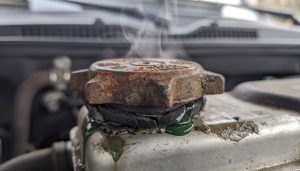
The engine cooling system itself is at risk due to vulnerabilities in radiators, thermostats, and water pumps. Leaks or component failures here can lead to overheating, which is a serious concern for any SUV, affecting engine longevity and safety.
Timely diagnosis and repair of cooling system leaks along with scheduled replacement of wear-prone components help mitigate these risks. Careful monitoring of temperature gauges during trips and addressing abnormal rises immediately can save expensive engine repairs down the line.
Cooling and Heating System Maintenance Checklist for Kia Sportage Owners
- Regular inspection for refrigerant leaks and compressor function
- Thermostat and radiator check-ups during scheduled services
- Monitoring coolant levels and quality
- Flush and replacement of coolant per manufacturer guidelines
- Immediate attention to warning lights related to temperature or AC system
Exploring the issues with air conditioning and cooling systems in other SUVs can provide a broader perspective. For example, looking into the Lexus RX reliability issues reveals how premium brands also struggle with similar climate control system reliability.
Key Factors When Buying a Used Kia Sportage and Repair Cost Perspectives
Purchasing a used Kia Sportage in 2026 requires careful attention to its known issues and maintenance history. The costs of repairs over the lifespan of the vehicle typically hover around £6,000 to £6,500 across the first decade, which is approximately 22% higher than some competitors in the SUV segment. These expenses primarily arise from powertrain repairs, suspension replacements, and complex electrical fixes.
Prospective buyers should ensure thorough pre-purchase inspections covering engine problems, transmission issues, and the presence of any active recall notices. In addition, keeping track of software updates and service records is vital to prevent sudden faults related to software glitches or unresolved mechanical defects.
Checklist for Evaluating a Used Kia Sportage
- Review service history and confirm adherence to scheduled maintenance
- Test for smooth shifting and listen for unusual transmission noises
- Check for dashboard warning lights and verify resolution of any associated faults
- Inspect suspension and brake condition through a test drive and visual examination
- Assess functional integrity of electrical and climate control systems
Owners report that consistent maintenance and addressing faults promptly help maintain the Sportage’s reliability rating, which recent models have improved substantially. Which? awards those from 2016 onwards a 4 out of 5 in reliability, making them preferable when shopping used.
What are the most troublesome model years for Kia Sportage?
Model years between 2010 and 2016 show the highest incidence of engine and transmission problems, although improvements have been noted in later models.
How often should I service my Kia Sportage to avoid major repairs?
Following Kia’s recommended service intervals and performing regular oil changes every 7,500 miles or as specified can greatly reduce risk of major engine or transmission failure.
Are electrical problems common in all Kia Sportage models?
Electrical faults are more frequent in older generations due to outdated components, but newer models also experience minor software glitches requiring periodic updates.
Is it expensive to repair suspension and brake issues on a Kia Sportage?
Repairs vary by severity but can range from affordable for brake pad replacements to costly for caliper or suspension component rebuilds. Early detection helps reduce expenses.
What should I do if I notice a dashboard warning light on my Sportage?
Don’t ignore warning lights. Immediate diagnostics at a qualified workshop are advised to identify if it’s a minor software glitch or a serious mechanical fault.