The Mazda MX-5, affectionately known as the Miata, has long been celebrated as one of the most exhilarating lightweight sports cars available. Launched in 1989, this nimble two-seater roadster quickly amassed a passionate following thanks to its agile handling, fun-to-drive nature, and sleek design ethos. However, like any popular vehicle with a multi-decade history, it is not without its mechanical quirks and maintenance challenges that owners commonly face. Understanding these common issues is crucial for current or prospective MX-5 enthusiasts who want to maintain their vehicle’s exceptional performance while avoiding unexpected repair costs.
With several generations having rolled out over the years, the Mazda MX-5’s evolution has brought plenty of engine upgrades, design tweaks, and technological improvements. Yet, numerous Mazda MX-5 owners report recurring problems related to electrical systems, convertible roof mechanisms, suspension components, engine noises, and gearbox performance. These frequent problems shed light on the practical realities of keeping these spirited sports cars on the road, informing buyers and mechanics alike on what to monitor and address before issues escalate.
In this detailed exploration, I will share insights into the most common issues faced by Mazda MX-5 owners, dig into the technical reasons behind them, and provide practical advice to help optimize reliability and manage repair costs effectively. Whether you’re eyeing a secondhand MX-5 or hoping to prolong the life of your current model, learning about these faults and their solutions builds your confidence in dealing with Mazda’s beloved roadster. This information draws directly from owner experiences, professional diagnostics, and industry data, ensuring its relevance and reliability in 2026 and beyond.
Key Takeaways :
- Electrical faults like dashboard warning lights and coil misfires are commonly reported by MX-5 owners.
- Convertible roof wear and rust issues, especially on older models, require careful inspection and timely repair.
- Mechanical faults include suspension wear, brake caliper sticking, and occasional crankshaft oil seal leaks.
- Regular maintenance and using genuine Mazda parts significantly reduce repair costs and enhance vehicle reliability.
- Understanding the MX-5’s known issues helps buyers and owners make informed decisions on purchase, upkeep, and repairs.
Common Electrical Issues Affecting Mazda MX-5 Owners and How to Address Them
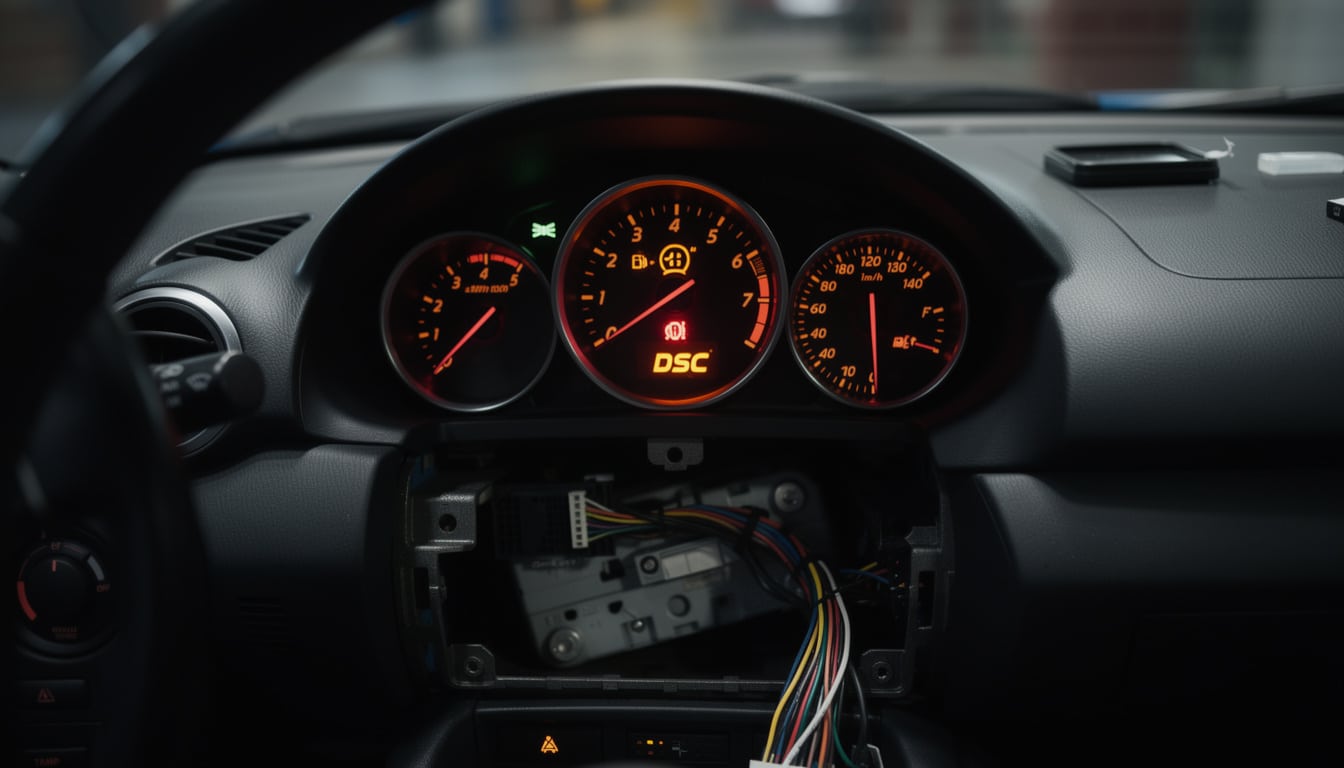
Among the spectrum of problems that Mazda MX-5 enthusiasts face, electrical issues stand out as frequent challenges that can affect the car’s performance and driver confidence. One of the most reported electrical concerns involves dashboard warning lights, with special emphasis on the DSC (Dynamic Stability Control) light.
The DSC light may remain illuminated after seemingly minor incidents such as a battery disconnection or jump start. This persistent warning can understandably alarm owners, but often the solution is more straightforward than anticipated. Turning the steering wheel from one lock position to the other can reset the system if there are no deeper faults. However, ignoring persistent warning lights is risky, especially since regulatory bodies now fail cars at MOT inspections if any dashboard warnings linger.
For owners eager to diagnose these issues firsthand, an OBD2 code reader becomes an indispensable tool. It can accurately identify fault codes related to the electrical system, guiding owners or mechanics towards the precise repair needed. This empowers owners to control maintenance costs and sustain the MX-5’s fusion of fun and reliability.
Another notable electrical hurdle is misfiring caused by deteriorated ignition coils and spark plugs, particularly seen in NC generation MX-5s. The wiring around the coils, due to its delicate nature, tends to degrade over time, leading to rough idling or hesitation during acceleration. While replacing wiring and components is straightforward for a mechanic or amateur enthusiast, it does represent a maintenance cost that should be factored into ownership budgets.
💡 Expert Tip: Regularly inspect ignition wiring in NC MX-5s, and preemptively replace coils and spark plugs around 60,000 miles to prevent misfires and maintain optimum engine responsiveness.
Another subtle yet impactful electrical issue is the hydraulic valve lifter noise sometimes audible in cold engines, primarily in high-mileage MX-5s. This ticking stems from sticks and wear within the valve lash adjusters and can often be resolved by replacement components and vigilant oil change routines. Keeping to a strict oil maintenance schedule not only quiets the engine but preserves long-term performance.
Exterior and Convertible Roof Concerns: What Mazda MX-5 Owners Should Know
The charming aesthetics and open-road appeal of the Mazda MX-5’s convertible design come with their unique durability challenges. Over time, owners often report wear and tear issues with the soft convertible roof and corrosion affecting the car’s body.
The soft top on convertible MX-5s, especially on earlier models, can suffer from material degradation including tears, leaks, and seam separation. Vinyl roofs may deteriorate quickly, even with minimal use, while the mechanical frame that supports the roof has been known to develop cracks or fractures, leading to leaks and potential corrosion of adjacent vehicle components due to moisture intrusion.
BRISK attention to the convertible top’s condition is key for MX-5 owners. Preventive maintenance such as regular cleaning, waterproofing treatments, and inspecting roof mechanics greatly reduces unexpected repair bills. Additionally, some owners have found aftermarket soft top replacements to be a cost-efficient alternative to OEM parts, though installation expertise is advisable.
Rust issues are another persistent problem, especially in vehicles exposed to harsh climates or poor maintenance environments. Key affected areas include the rear sills, wheel arches, and panel edges such as bonnet lids and trunk edges. Since the MX-5’s lightweight steel body is prone to corrosion if neglected, spotting early rust symptoms like bubbling paint or flaking metal is essential.
Older MX-5s frequently present hidden rust under plastic covers that obscure the rear sill, requiring a thorough inspection beyond what appears superficially sound. Regular clearing of roof drain tubes prevents water overflow, a common cause of rear sill inner structure corrosion. Some enthusiasts have turned rust remediation projects into rewarding restorations, but severe structural corrosion should be avoided for safety reasons.

Mechanical Troubles in Mazda MX-5s: Suspension, Brakes, and Engine Fundamentals
The MX-5 is beloved for its agile and precise handling, but maintaining that signature ride quality demands attention to mechanical components, especially as the vehicle ages. Suspension-related issues are common, with particular focus on anti-roll bar drop links and coil springs.
Worn or damaged suspension parts can distort the MX-5’s handling dynamics, resulting in an uncomfortable or bouncy ride. The anti-roll bar drop links are prone to wear, and their degradation often produces knocking noises at low speeds. Inspecting for broken coil springs or excessive corrosion along suspension arms is critical for safe driving, especially when purchasing a used MX-5.
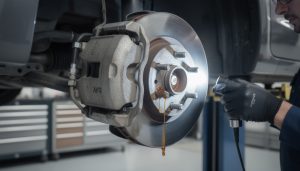
Brake system care is equally vital. Sticking calipers remain a frequent complaint, particularly in cars that see little use or receive sporadic maintenance. Uneven brake pad wear and the vehicle pulling to one side during braking are warning signs of seized calipers, which, if left unattended, can elevate repair expenses and compromise safety.
Engine-related mechanical faults include the common hydraulic valve lifter ticks mentioned earlier, and issues surrounding the crankshaft oil seal. This seal can fail over time, leading to oil leaks that jeopardize lubrication and cause significant damage if ignored. Neglecting regular oil changes exacerbates wear on the crankshaft bearings, resulting in knocking noises and diminished engine performance.
Gearbox reliability is another point of concern for many MX-5 owners. Difficulty shifting gears, gear grinding, and leaks from worn synchromesh or gearbox seals can occur, especially in older cars. Regular transmission fluid checks and changes are recommended to mitigate wear and prolong gearbox life.
💡 Expert Tip: When inspecting a used MX-5, listen for irregular gear engagement noises and check brake function under hard stops to detect early signs of gearbox and caliper issues.
Assessing Mazda MX-5 Ownership: Reliability and Running Costs in Focus
For potential buyers, understanding the Mazda MX-5’s reliability and cost of ownership is paramount. The MX-5 enjoys a respected reputation but is not immune to faults influenced by its age, use, and maintenance history.
Independent assessments in 2024 ranked the MX-5 (Mk5) ninth among the coupe, convertible, and sports car segment, reflecting solid vehicle reliability but leaving room for vigilance. Mazda as a brand holds the 18th position among 34 manufacturers in the used car reliability index, highlighting respectable but not exemplary dependability.
Running costs are generally affordable for a sports car, yet owners should anticipate routine service expenses totaling approximately £260 per service, depending on engine size and mileage. Essential replacements such as spark plugs, air filters, brake fluids, and coolant flushes contribute to ongoing costs. Notably, CO2 emissions place the MX-5 in a higher road tax bracket compared to compact daily drivers, which may affect budgeting.
Adhering to scheduled maintenance and opting for genuine Mazda parts plays a crucial role in preventing minor defects from escalating into costly repairs like engine or gearbox replacements. Proactivity in maintenance ensures the MX-5 remains a thrilling yet reliable companion on the road.
| Maintenance Item | Typical Interval | Estimated Cost (£) | Purpose |
|---|---|---|---|
| Full Service (Oil, Filters, Checks) | 12,000 miles / Annually | 260 | General vehicle health and engine performance |
| Spark Plug Replacement | 30,000-60,000 miles | 80-120 | Maintains ignition and fuel efficiency |
| Brake Fluid Change | Every 24,000 miles or 2 years | 50-70 | Ensure brake system responsiveness and safety |
| Coolant Flush | Every 2 years | 70-100 | Prevents overheating and protects engine parts |
| Transmission Fluid Change | 40,000-60,000 miles | 90-130 | Prolong gearbox and clutch lifespan |

Key Considerations Before Purchasing a Mazda MX-5: What to Watch For
When evaluating a Mazda MX-5 for purchase, several factors must be carefully assessed to avoid inheriting common faults and hefty repair bills. Prioritize a complete inspection focusing on electrical systems, convertible tops, bodywork integrity, and mechanical components like tyres, suspension, brakes, and engine condition.
Requesting a vehicle history report is invaluable to reveal prior accident damage, service records, and ownership details that influence ongoing reliability. Be particularly cautious of older Mk1 and Mk2 models showing signs of severe rust or neglect and thoroughly check gearbox engagement and engine noises during test drives.
It’s advisable to budget for replacement of ignition components, brake calliper servicing, and potential soft top repairs within the first year of ownership. Additionally, joining MX-5 owner forums and community groups provides access to a wealth of owner experiences and maintenance tips, enriching your understanding of the vehicle you want to own.
- Inspect dashboard warning lights for persistent alerts
- Test convertible roof function and check for leaks
- Check suspension for play or noise at low speeds
- Ensure even brake pad wear and brake responsiveness
- Verify gearbox smoothness during gear changes
Informed by these careful checks and ongoing maintenance, a Mazda MX-5 can continue delivering outstanding car performance and joy well into future miles.
What are the most frequent problems in Mazda MX-5s?
Frequent problems include electrical faults like DSC warning lights, misfiring engines due to coil issues, convertible roof wear, rust in older models, suspension wear, brake calliper sticking, and gearbox difficulties.
Is the Mazda MX-5 considered reliable in 2026?
The MX-5 holds a respectable reliability ranking but requires diligent maintenance. Regular servicing and attention to common issues ensure solid vehicle reliability.
How expensive is it to maintain a Mazda MX-5?
Maintenance costs are moderate, with servicing averaging around £260 annually. Replacement components and fluid changes add to the running cost but are manageable with regular care.
Are there particular model years to be cautious about?
Older Mk1 and Mk2 models often exhibit rust and mechanical wear, making thorough inspection critical. Newer models tend to have fewer faults but still require scheduled maintenance.
What is an essential maintenance tip for MX-5 owners?
Keeping to regular oil changes and checking ignition coils and brake calipers proactively can prevent many typical problems and protect overall car performance.