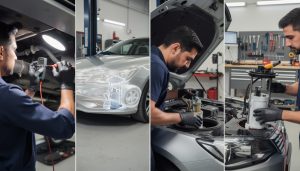
The BMW 1 Series has always been revered for blending sporty performance with luxury, making it a favorite among compact premium hatchbacks. Yet, like any vehicle, the Serie 1 faces its share of challenges, especially as it accumulates mileage or ages. Understanding these common problems, from engine issues to software glitches, is essential for any owner or prospective buyer who wants to maintain the car’s characteristic driving pleasure while avoiding costly repairs and headaches. In this detailed exploration, I will dive deep into the most frequent faults reported, how they manifest, and practical advice on diagnosing and handling them effectively.
Key Takeaways :
- Engine issues and timing chain wear are frequent causes of mechanical concern.
- Transmission problems and fuel system faults may impact smooth driving experience.
- Electrical faults, including power window malfunctions and dashboard warnings, occur often after prolonged use.
- Cooling system failures and water pump breakdowns can lead to overheating.
- Suspension problems and brake system issues affect handling and safety.
- Ensure vehicle history checks and recall follow-ups to maintain reliability.
Engine-Related Problems and Timing Chain Wear in BMW 1 Series
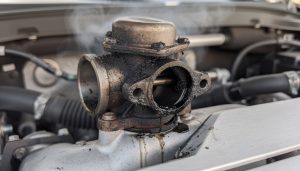
The engine is undoubtedly the heart of the BMW 1 Series, but owners have frequently reported issues that can weaken this vital component’s performance over time. The most commonly noted in-depth mechanical concern involves engine issues such as rough idling, loss of power, and unusual noises indicating internal wear.
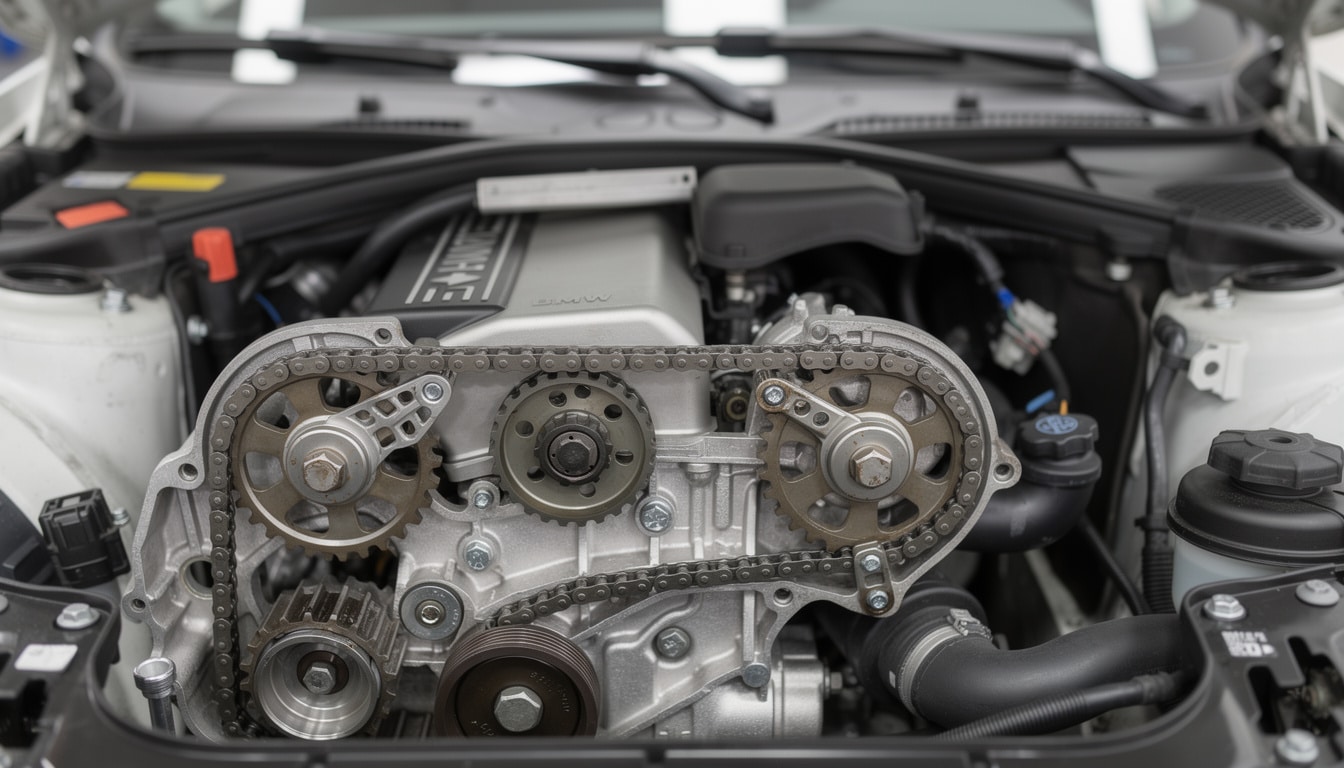
A particular point of attention is the timing chain wear, especially on models equipped with the N13 and N47 engines. The timing chain, crucial for synchronizing engine components, can stretch or develop slack prematurely, leading to potential timing errors and even severe engine damage if left unchecked. This is often accompanied by a rattling noise from the engine bay, especially on cold starts. In some cases, neglecting this problem can escalate repair bills dramatically.
Besides timing chain troubles, owners should be aware of occasional oil leaks, predominantly around the valve cover gasket, turbo seals, or oil cooler lines. These leaks, although sometimes minor, can lead to oil starvation or contamination, accelerating engine wear and impacting performance noticeably.
💡 Expert Tip: Regular oil changes with high-quality synthetic oil can help mitigate timing chain stretching and prolong engine life.
Mitigating these engine-related problems involves vigilant maintenance. Early diagnosis can be achieved by listening for abnormal engine noises, monitoring oil levels frequently, and seeking professional diagnostics if the check engine light or power loss becomes apparent. Replacing the timing chain guide rails and tensioners at the recommended intervals is a wise investment for km-heavy BMW 1 Series models.
Transmission and Fuel System Faults Affecting Driveability
A smooth driving experience is one of the hallmarks of the BMW 1 Series, but transmission problems can disrupt this reputation. Drivers often report issues with the automatic gearbox, such as delayed gear engagement, harsh shifts, or occasional slipping. These symptoms usually arise from worn transmission fluid, faulty solenoids, or mechatronics unit malfunctions.
Manual transmission variants are less prone to complex faults but can suffer from clutch-related wear or synchronizer damage when subjected to aggressive or improper shifting. Diagnosing transmission issues early, with professional scanning and fluid inspection, can avert costly replacements.
Alongside transmission concerns, fuel system faults are not uncommon. Problems with fuel injectors, fuel pumps, or filters can lead to poor acceleration, misfires, or reduced fuel economy. In some cases, contaminated fuel or irregular maintenance schedules accelerate these issues. Ensuring regular fuel system servicing, including injector cleaning or replacement, helps maintain responsiveness and power.
Addressing transmission and fuel system faults promptly will enhance vehicle reliability and ensure the BMW 1 Series remains agile and responsive on different terrains.

Electrical Faults and Software Glitches: Recognizing Early Symptoms
Modern BMW vehicles like the 1 Series integrate complex electronic systems that manage everything from infotainment to core mechanical controls. However, these systems sometimes manifest faults that challenge users and mechanics alike. Drivers frequently report electrical faults, including malfunctioning power windows, problematic dashboard warning lights, and erratic central locking behavior. Such inconveniences often result from worn wiring harnesses, faulty switches, or software inconsistencies.
Software glitches can also hamper a smooth user experience, presenting as issues in the iDrive system, erroneous sensor readings, or false alarm indications in various driver aids. For example, recent recalls addressed situations where airbag inflator malfunctions or second-row seatbelt sensors could fail, highlighting the intersection between electronic faults and safety systems.
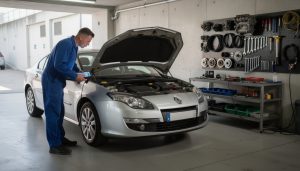
Staying updated with the latest software patches from BMW and ensuring all recalls are resolved is crucial. Many owners overlook these updates, which can result in unresolved electrical disruptions or safety risks. For those who wish to verify their vehicle’s recall history and software update status, a detailed check of the VIN is advisable.
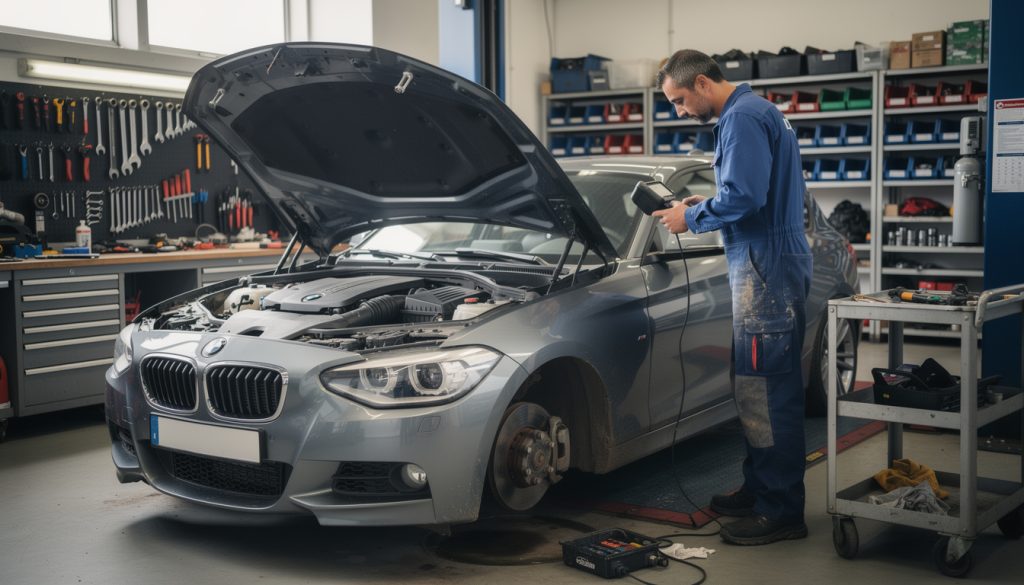
💡 Expert Tip: Use a certified BMW diagnostics tool to regularly scan for hidden fault codes, preventing surprise breakdowns.
Cooling System Failures and Their Impact on Engine Health
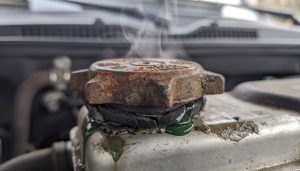
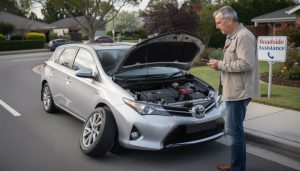
The cooling system plays a vital role in protecting the BMW 1 Series engine from overheating, but failures in this system can swiftly escalate into severe engine damage. Common complaints include premature water pump failures and radiator leaks, which may occur after just 80,000 to 100,000 kilometers in some cases. An overheating engine can lead to head gasket failures, warped cylinder heads, or acute engine seizure.
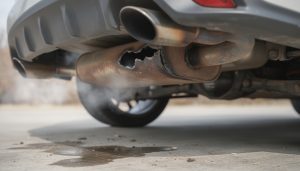
Indicators of cooling system problems are rising engine temperatures on the dashboard, coolant leaks under the car, and unusual heating or smells inside the cabin. Many owners mistakenly neglect modest coolant leaks, but this is dangerous and can exacerbate internal engine wear or significantly reduce component lifespan.
Routine inspection of hoses, water pump condition, and radiator integrity is crucial. Additionally, flushing and refilling coolant at manufacturer-recommended intervals reinforces the system and prevents corrosion buildup inside the cooling circuit.
Maintaining the cooling system is essential for long-term reliability and to protect the engine’s complex internals from heat stress that would otherwise diminish performance and cause costly repairs.

Suspension and Brake System Concerns: Comfort and Safety Challenges
BMW’s hallmark sharp handling sometimes masks underlying suspension problems that develop with time. Common symptoms include knocking noises from damaged dampers, creaking from worn bushings, and uneven tyre wear which may arise from misalignment or failing suspension components. These issues degrade driving comfort and can reduce the vehicle’s stability, especially in corners or on rough roads.
Owners often report vague or heavy steering sensations due to worn steering racks, leaking power steering fluids, or affected sensors. Untangling these symptoms early is vital to avoid exacerbating steering failure or uneven tyre degradation.
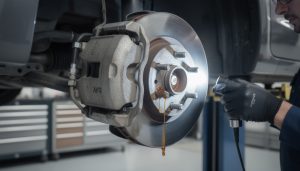
Brake system issues also require immediate attention for safety reasons. Owners sometimes experience pulsation in brake pedals, reduced braking effectiveness, or squealing noises. These can be attributed to worn brake pads, warped discs, or failing brake calipers. Since brakes are fundamental to safe driving, timely replacement of components and fluid changes cannot be overstated.
Owners interested in exploring related reliability concerns of BMW models might find it insightful to examine problems reported with the BMW X2 or BMW X6 for comparison, as some suspension and brake components share technological similarities.
| Component | Common Issue | Symptoms | Recommended Action |
|---|---|---|---|
| Timing Chain | Premature wear or slack | Engine rattling, power loss | Replace guides and tensioners at intervals |
| Water Pump | Leakage or failure | Overheating, coolant leakage | Inspect regularly; replace if defective |
| Power Windows | Motor or switch failure | Non-functioning windows | Electrical diagnostic and component replacement |
| Transmission | Shift hesitation, slipping | Harsh gear changes, delayed engagement | Fluid change, diagnostics, possible rebuild |
| Brakes | Pad wear, disc warping | Pulsation, noise, reduced stopping power | Regular inspection and timely replacement |
What are typical early signs of timing chain wear in the BMW 1 Series?
Listen for rattling noises on cold starts and watch for engine performance loss, which often point to early timing chain issues requiring inspection.
How can I avoid transmission problems in my BMW 1 Series?
Regular transmission fluid changes, careful driving habits, and early diagnostic scans help prevent major transmission faults and prolong gearbox life.
Why does my BMW 1 Series have electrical malfunctions like power window failure?
Electrical issues often stem from faulty wiring, worn switches, or outdated software; updating software and repairing electrical connections restores function.
How important is it to follow BMW recalls for my 1 Series?
Addressing recalls ensures manufacturer-covered repairs, often related to safety components like airbags or sensors, maintaining both safety and vehicle value.
What maintenance steps can prevent cooling system failures?
Regular coolant flushes, timely replacement of water pumps and hoses, and routine leak inspections protect against overheating and engine damage.