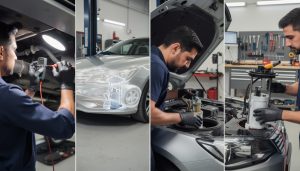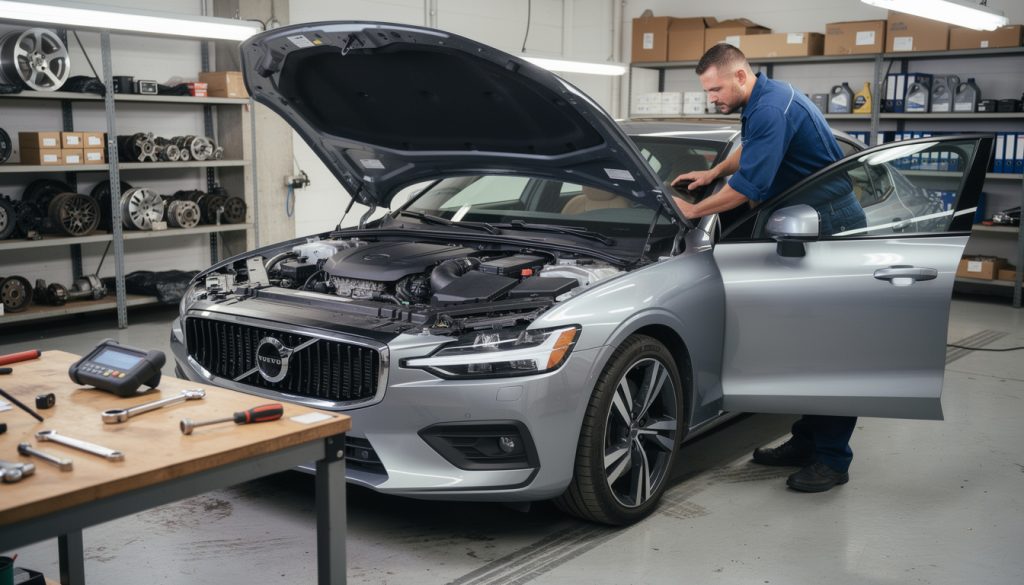
The Volvo S60, once a popular choice among mid-size sports saloon enthusiasts, offers a unique blend of style, performance, and cutting-edge safety features. However, by 2026, these vehicles, though praised for comfort and engineering, are showing typical wear and common faults that every owner or buyer should be aware of to maintain reliability and driving satisfaction. Understanding key issues such as engine problems, electrical faults, brake issues, and transmission trouble can not only save you from unexpected breakdowns but also ensure optimal maintenance strategies. This guide dives deep into troubleshooting the Volvo S60, offering essential insights into common repairs and maintenance tips that help owners make informed decisions, prolong parts life, and keep this sporty model running smoothly despite its discontinuation in several markets.
Key Takeaways:
- Volvo S60 owners often report issues related to transmission and engine malfunctions.
- Electrical system faults frequently affect the car’s infotainment and dashboard systems.
- Proper maintenance can reduce the risk of brake system failures and suspension wear.
- Understanding common repairs helps prevent costly replacements and enhances vehicle longevity.
- The Volvo S60 remains a reliable car with regular upkeep despite its discontinuation in 2024.
Most Frequent Engine and Transmission Problems in the Volvo S60
The engine and transmission underpin the driving experience and reliability of the Volvo S60. Many owners have reported a series of recurring issues centered around these core components, especially in models equipped with the Geartronic automatic transmission. Transmission problems usually manifest as delayed gear engagement, rough shifting, or erratic gear changes, which can at first seem minor but often signal more serious internal wear.
The root causes often include low transmission fluid levels, worn clutch packs, or faulty solenoids. Fixing these requires a methodical inspection: starting with the fluid condition — discolouration or contamination necessitates a flush and filter replacement — followed by examining the mechanical components for wear. In cases where these repairs don’t alleviate the symptoms, owners might face the costly choice of a full transmission replacement.
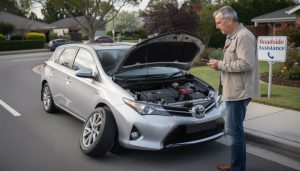
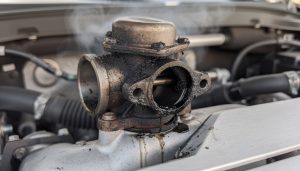
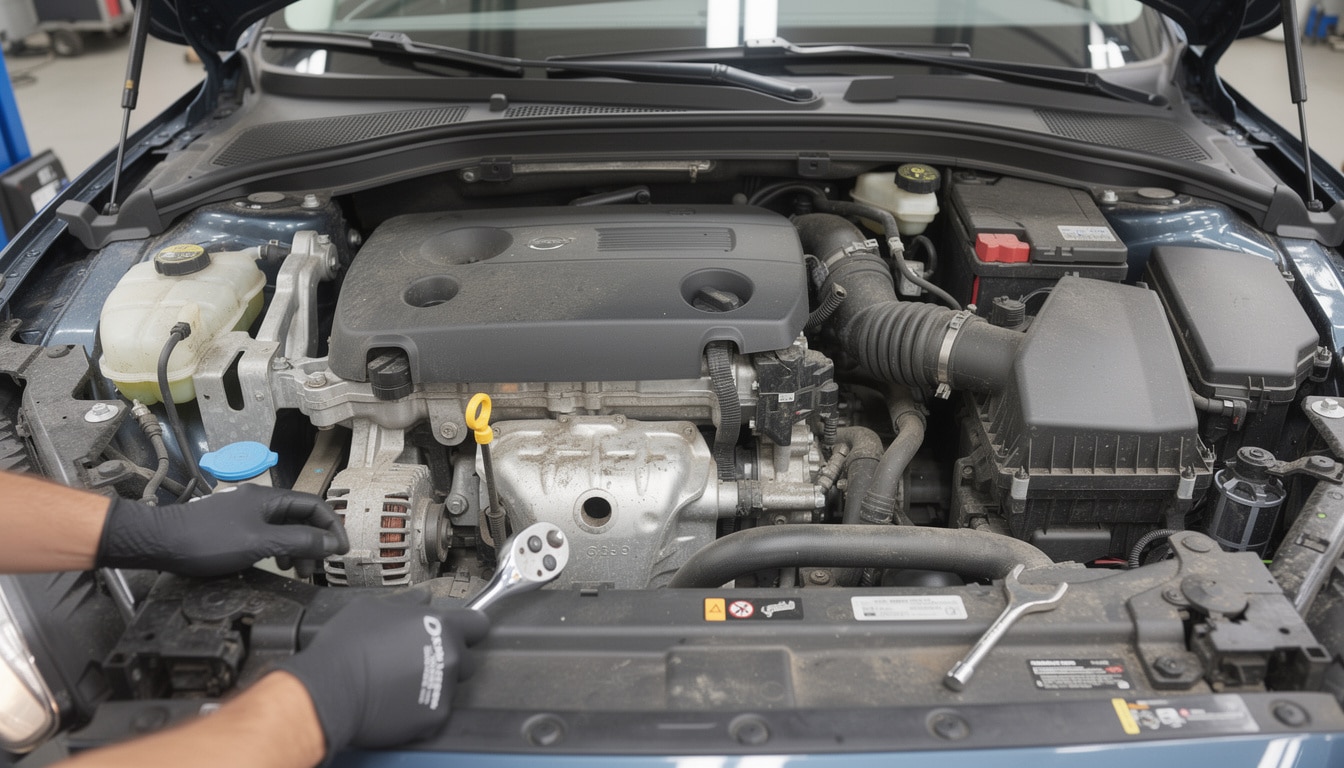
Engine troubles, meanwhile, commonly involve stalling, misfiring, and overheating. These symptoms can hint at problems ranging from faulty spark plugs and ignition coils to malfunctioning mass airflow sensors or clogged air filters. Notably, issues like cracked radiator hoses can cause coolant leakage, driving up the risk of overheating and significant damage.
Oil leaks—particularly from the rear main oil seal and turbo drain tube—are also common and can lead to degraded engine performance or, in extreme scenarios, fires. Systematic checks for leaks and replacing worn seals or tubes are critical preventive steps.
Fuel leaks, mostly from high-pressure lines, present a serious safety hazard that should be addressed immediately through regular inspections and timely replacements.
Ride, Handling, and Brake Issues Affecting Volvo S60 Performance
Ride comfort and precise handling are trademarks of the Volvo S60, yet aging suspension elements and brake systems frequently cause problems that diminish driving pleasure and safety. Reports indicate significant wear in suspension components like shocks, struts, strut mounts, and bushings, which are integral to absorbing road irregularities and maintaining stable control. Failure to replace these parts results in a rougher ride, uneven tire wear, and compromised handling precision.
Steering components, including tie rods and ball joints, suffer similar degradation and must be inspected regularly to avoid dangerous steering looseness or alignment issues.
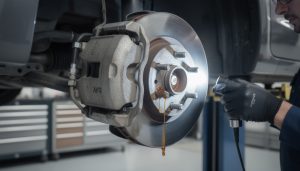
Brake system faults in the S60 are particularly important to address. The ABS control module and handbrake have seen failures, notably leading to a recall of 2023 models produced in 2022. Such malfunctions can hamper stopping performance and increase accident risk if uncorrected.
Owners should immediately check for recalls related to braking and ensure their vehicle’s software is updated as needed. Routine brake pad and rotor maintenance combined with attentiveness to warning signs like unusual noises or pedal softness forms the foundation for safer operation.
Notably, the Volvo S60 shares some handling and brake challenges seen in comparable premium vehicles such as the BMW X1 and Audi A5, making it essential to consult expert guidance specific to your car’s model and production year.
Failing to address suspension or brake degradation promptly can lead to expensive repairs and increased accident risk. Scheduling regular inspections every 15,000 miles or annually, depending on usage, is a practical maintenance tip every Volvo S60 owner should adopt.
Interior and Exterior Troubleshooting: Locks, Airbags, and Electronics
While the Volvo S60 enjoys a reputation for safety, certain interior and exterior issues deserve attention. Owners have frequently encountered problems with door and bonnet locks that either malfunction or operate unpredictably. These usually originate from mechanical wear in the locking mechanisms, which can be replaced to restore functionality.
Safety equipment such as airbags and seatbelts has also shown vulnerabilities. Some S60 models have suffered from airbags failing to deploy due to faulty wiring harnesses or electrical short circuits, as well as seatbelts unexpectedly detaching from buckles. These faults pose major safety risks and should trigger immediate recall checks and repairs if necessary. Front electric seats not securely fitted have been noted, with compromised seat stoppers causing unexpected seat movements during driving.
Electrical problems are among the most frequently reported issues in the Volvo S60. Disturbances with the infotainment system, unreliable dashboard warning displays, and malfunctioning sensors commonly reduce the convenience and safety of driving this model. These symptoms often come down to wiring wear, software bugs, or failing control units such as the body control module.
The recommended resolution usually involves software updates at authorized Volvo repair centers. Skilled owners can also conduct wiring inspections and use diagnostic tools to identify problematic fault codes. In severe cases, replacing electronic control units may be necessary to fully restore system reliability.
Turbo actuator failures are a related example of electronic component faults that can impair engine function and must not be overlooked in S60 troubleshooting.
Essential Maintenance Tips for Volvo S60 Owners to Prevent Key Issues
Regular maintenance remains the cornerstone for avoiding the most troublesome common repairs on the Volvo S60. With the discontinuation of this model in major markets, sourcing reliable replacement parts might become tricky, making timely upkeep even more critical. It is essential to adhere to Volvo’s scheduled service periods, using genuine or high-quality aftermarket replacement parts.
Typical maintenance activities involve inspecting and changing transmission fluid, monitoring engine oil levels and quality, and conducting periodic checks of cooling system hoses and seals. Likewise, thorough brake inspections, including fluid replacement and ABS system diagnostics, keep unforeseen faults at bay.
Suspension and steering components require attention during every service visit to detect early signs of wear and tear. Owners should also ensure seatbelt integrity and airbag function are tested, particularly in older models or those known to have had recalls.
In addition to routine mechanical and safety inspections, software updates play a growing role in solving electrical bugs and infotainment failures. Using diagnostic scanning tools often helps preemptively catch minor faults before they escalate.
| Maintenance Task | Interval | Purpose |
|---|---|---|
| Transmission Fluid Check & Replacement | Every 30,000 to 60,000 miles | Prevents transmission wear and delays gear shifting issues |
| Brake Inspection and Fluid Change | Annually or every 12,000 miles | Maintains optimal braking response and safety |
| Suspension and Steering System Inspection | Every 15,000 miles | Ensures smooth ride and proper handling |
| Engine Oil and Cooling System Check | Every 7,500 to 10,000 miles | Avoids overheating and engine damage |
| Software Updates and Electrical Diagnostics | During service intervals or when faults arise | Resolves electronics-related faults and improves system stability |
As the Volvo S60 ages, owners must be proactive in upkeep to manage costs and avoid expensive repairs such as engine or transmission replacements. Compared against the average repair costs of similar luxury sedans, routine maintenance reduces risk and extends vehicle longevity. To compare, vehicles like the BMW M4 or Jeep Cherokee also demand diligent servicing for varied but often overlapping technical challenges.
What Prospective Owners Should Know About Purchasing and Maintaining a Volvo S60
Despite being discontinued in the UK and several other markets by mid-2024, the Volvo S60 remains a popular choice on the used car market thanks to its blend of safety and comfort. When deciding whether to purchase an S60, potential owners should factor in the car’s reliability profile and maintenance demands.
Industry surveys rank the Volvo S60 ninth among executive cars for reliability, with Volvo itself placed 15th out of 32 brands. These figures reflect solid performance but also highlight the need for consistent maintenance. Owners who follow recommended service schedules benefit from excellent fuel efficiency and refined driving experience.
Maintenance costs typically range between £400 and £700 annually, with full services at dealers costing up to £400. Older models may require more attention, but using independent garages and sourcing affordable parts can significantly reduce expenses. Anticipating possible major repairs — such as gearbox or engine replacement — equips owners to budget accordingly.
The discontinuation of the Volvo S60 was primarily due to a sales decline, as competitors like the BMW 3 Series and Mercedes-Benz C-Class dominated the segment. Volvo’s shift in focus towards the electric EX90 SUV demonstrates the brand’s evolving priorities, yet the S60’s place as a reliable sports saloon remains secure with attentive care.
What are the most common engine problems in the Volvo S60?
The most frequent engine problems include stalling, misfires, and overheating commonly caused by faulty spark plugs, ignition coils, mass airflow sensors, or coolant leaks from cracked radiator hoses.
How can I troubleshoot electrical faults in my Volvo S60?
Electrical faults typically involve infotainment issues and dashboard errors and are often resolved through software updates, wiring inspections, or diagnostic scans to identify and replace faulty electronic control units.
Are Volvo S60s expensive to maintain?
Annual repair costs average between £400 and £700, but using independent mechanics and sourcing quality parts can lower expenses. Major repairs like engine or transmission replacements will increase costs.
Why was the Volvo S60 discontinued?
Volvo discontinued the S60 primarily due to declining sales in favor of competitors and a strategic company focus on more profitable electric models like the EX90 SUV.
What maintenance should I prioritize to keep my Volvo S60 running smoothly?
Key maintenance includes timely transmission fluid changes, brake system inspections, suspension checks, regular engine oil and coolant monitoring, and updating vehicle software as recommended.