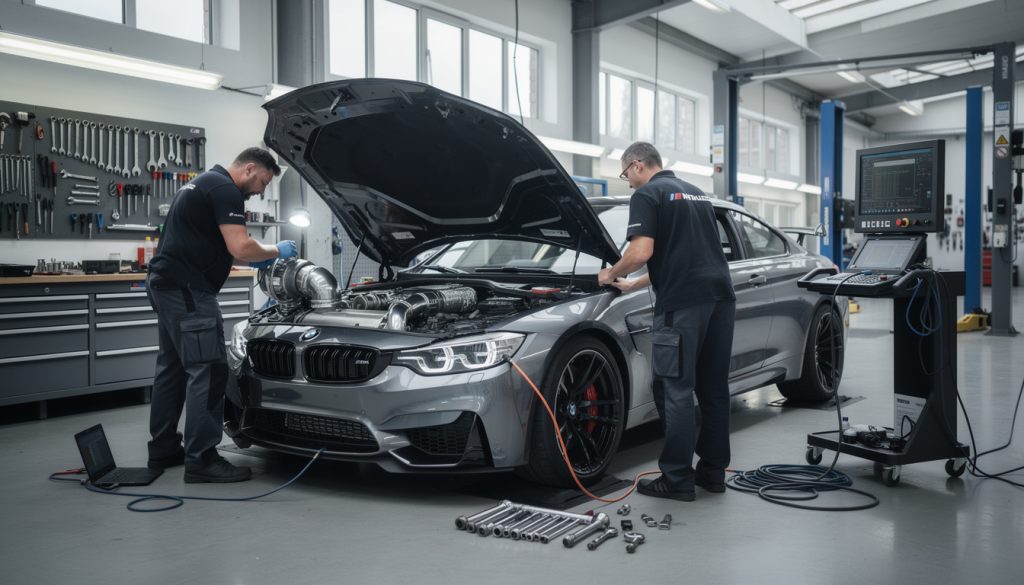
The BMW M4 stands as a symbol of modern muscle, merging exquisite design with powerhouse performance. Enthusiasts across the globe praise its 6-cylinder TwinPower Turbo engine, intricate handling capabilities, and luxurious touches. However, like any precision machine, the M4 faces particular challenges that owners should be prepared to identify and address to preserve its exhilarating drive. From oil leaks to drivetrain issues, understanding these common problems — alongside their repair solutions — is crucial for anyone who cherishes their M4 or is considering acquiring one.
Key Takeaways:
- Oil leaks often stem from valve cover and oil pan gaskets, impacting engine smoothness and safety.
- Cooling system failures, especially thermostat malfunctions, affect fuel efficiency and engine performance.
- Drivetrain malfunctions may cause shaking or unintended shutdowns, signaling underlying mechanical or electrical faults.
- AC system issues are commonly related to the final stage fan resistor, impairing climate control comfort.
- BMW has initiated recalls on seatbelt locking mechanisms and ABS systems in certain models, highlighting the importance of staying updated on manufacturer alerts.
Understanding Common Engine Issues and Oil Leaks in the BMW M4
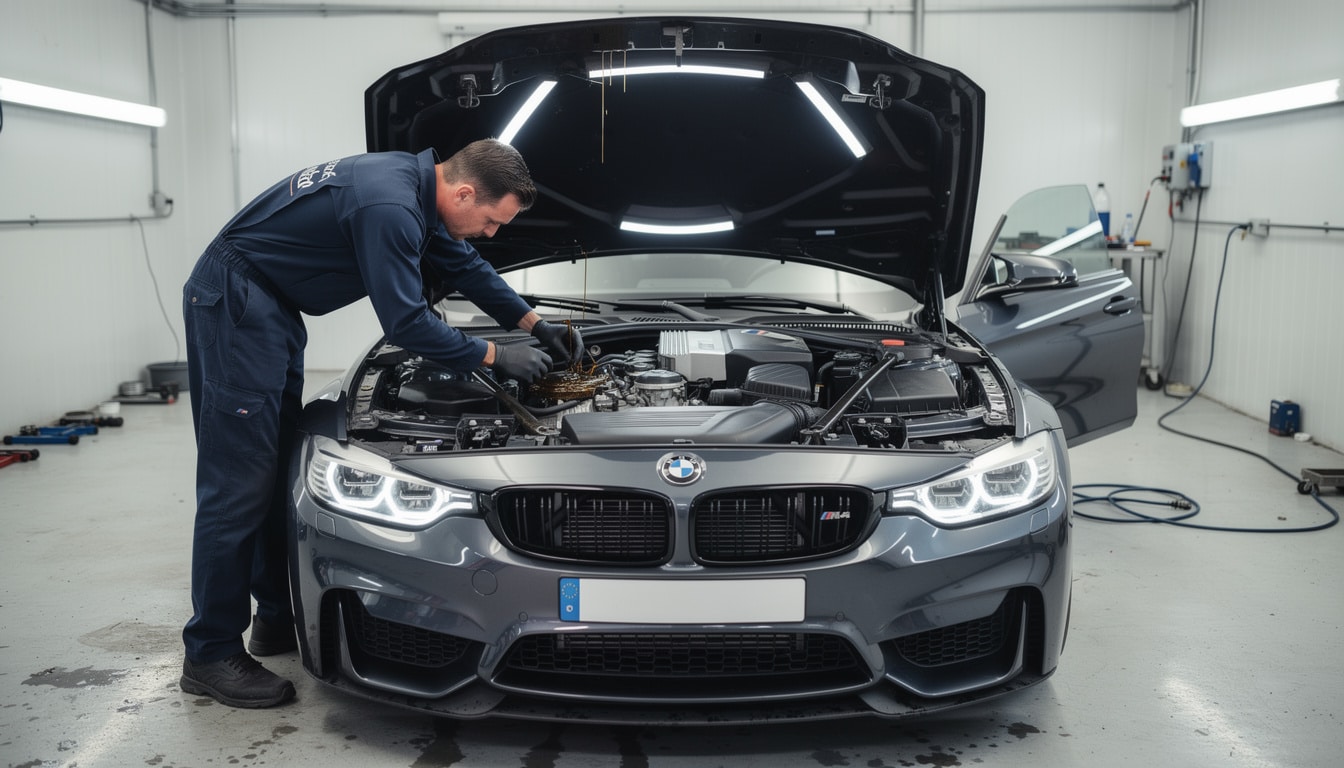
With any high-performance vehicle, the engine serves as its heart, and in the BMW M4, maintaining engine integrity is paramount. One of the most frequently reported problems among M4 owners is persistent oil leaks. These leaks not only reduce lubrication efficiency but can also emit a burning smell and leave fluid spots beneath the vehicle — clear warning signs that demand prompt attention.
The root causes of these leaks primarily include worn or cracked valve cover gaskets and oil pan gaskets. Specifically, BMW M4s equipped with the S55 engine commonly encounter valve cover gasket deterioration between 20,000 and 50,000 miles. High engine temperatures accelerate seal degradation, causing cracks that release oil and sometimes visible smoke. This not only reduces oil levels but risks damaging engine components if left untreated.
On the other hand, oil pan gasket leaks are more prevalent after surpassing the 100,000-mile mark, though earlier failure is possible. Like the valve cover gasket, the oil pan gasket cracks over time due to heat cycles and material fatigue. The consequence remains the same — noticeable oil drips, sometimes accompanied by the dreaded burning oil odor.
Correctly diagnosing the source is vital. Replacing a valve cover gasket instead of an oil pan gasket (or vice versa) can lead to unnecessary costs. A certified BMW mechanic, armed with the proper tools and experience, can pinpoint the exact problem quickly, ensuring your repair investments are precise and effective.
💡 Expert Tip: Routinely check under your vehicle for any signs of leaks and follow up with an oil level inspection monthly. Addressing small leaks early can prevent costly engine repairs later.
Troubleshooting the BMW M4 Cooling System: Thermostat and Cooling Efficiency
The BMW M4’s performance depends heavily on a well-functioning cooling system to manage its high-output engine temperature. One commonly overlooked trouble spot is the thermostat, which regulates coolant flow and ensures the engine doesn’t overheat or run too cool. Problems here manifest in two ways: a failing thermostat stuck open or stuck closed.
When the thermostat fails in an open position, coolant circulates continuously, preventing the engine from reaching its optimal operating temperature. This results in decreased horsepower and poor fuel efficiency as the engine runs cooler than designed. You might also notice your heater taking longer to warm up or not warming fully, signaling this inefficiency.
Conversely, a closed-position failure stops coolant flow entirely, causing rapid engine overheating — a more urgent and potentially damaging condition. Drivers typically spot this early through the temperature gauge climbing rapidly or overheated warning lights illuminating on the dashboard.
Timely thermostat replacement can restore normal temperature regulation. Given that cooling system problems can sometimes be subtle initially, regular service intervals including coolant flushes and thermostat inspections should not be skipped. Doing so safeguards against performance dips and engine damage.
Key cooling system maintenance tips:
- Flush and replace coolant every 50,000 miles to prevent blockages and corrosion.
- Inspect hoses and radiator for cracks or leaks during routine service.
- Test thermostat response as part of BMW M4’s preventative checks.
- Monitor dashboard temperature gauge for abnormal swings.
- Use genuine BMW parts for any cooling system repairs.
Recognizing and Resolving Drivetrain and Transmission Problems
When a BMW M4 suddenly shakes, loses power, or shuts off while idling or driving, many owners suspect the dreaded drivetrain malfunction. These symptoms can be unsettling but are often manageable with the right approach. The drivetrain malfunction may be triggered by various factors such as a weak battery, worn spark plugs, fuel delivery issues, or ignition coil failure.
The complexity stems from the interconnected systems involved. For example, a defective fuel pump may fail to supply the correct pressure, causing engine misfires or stalling. Similarly, electrical faults like a failing ignition coil or spark plug can disrupt combustion order, resulting in vibrations or abrupt shutdowns. In addition, a clogged catalytic converter—especially in high-mileage models—can choke exhaust flow, reducing performance.
BMW M4 drivers frequently report the transmission becoming stuck in one gear, compounding drivability problems. Such issues underscore the importance of routine diagnostics. Many owners now rely on a BMW scanner tool to read specific error codes directly from the vehicle’s onboard diagnostics (OBD) system. This tool provides clear guidance to the mechanic, increasing repair precision.
Addressing drivetrain concerns early preserves the BMW M4’s signature smooth, powerful drive and minimizes repair expenses.
💡 Expert Tip: If a drivetrain malfunction warning appears, don’t ignore it. Schedule immediate service to avoid exacerbated damage to transmission or engine components.
Electrical Faults and Their Impact on BMW M4 Systems
In modern vehicles like the BMW M4, electronic systems play a pivotal role not only in comfort but also in performance and safety. Yet, electrical faults can arise and affect multiple vehicle aspects, ranging from the air conditioning system to critical safety features.
One frequent complaint is related to the AC system malfunctioning. Symptoms can vary from the AC blowing no air at all, to only functioning on specific fan speeds. The culprit often lies in the final stage fan resistor, which controls blower speeds. Overheating or corrosion can damage this resistor, compromising comfort inside the vehicle especially during hot weather or long drives.
Addressing this issue is straightforward, with resistor replacement restoring full AC capabilities. Neglecting this fault, however, can diminish the driving experience considerably.
Another critical electrical concern surrounds the M4’s safety systems. Some models experienced faulty seatbelt locking retractors and ABS braking assistance malfunctions. The former stems from defective automatic locking mechanisms, which could jeopardize occupant protection in an accident. BMW has proactively issued recalls to replace these components free of charge.
The ABS and brake assistance problem, identified mostly in 2019-2021 models, originates from inadequate welding connecting the rotor and shaft, potentially causing complete ABS failure under hard braking scenarios. Owners of affected models will be notified by BMW about this recall, but it’s advisable to verify with your local dealership, particularly if your M4 was manufactured in these years.
Extensive monitoring and promptly reacting to these manufacturer recalls and warnings not only ensures safety but also maintains vehicle value.
Maintenance Tips and Repair Solutions to Keep Your BMW M4 Performing at Its Best
Owning a BMW M4 means embracing both extraordinary performance and meticulous upkeep. Beyond reacting to problems, proactive maintenance can drastically reduce the risk of encountering common problems such as turbocharger wear, transmission issues, and electrical faults.
Here are essential maintenance practices that every BMW M4 owner should integrate:
- Regular oil changes using BMW-approved synthetic oils to protect engine components and manage heat.
- Scheduled inspections of the turbocharger system, including boost pressure checks and intercooler cleanliness.
- Routine transmission fluid replacement to maintain smooth gear shifts and prolong gearbox life.
- Checking electrical connections during service intervals to prevent corrosion or loose wiring that cause faults.
- Staying updated on official BMW recalls and service bulletins by maintaining regular dealer contact.
By adhering to these maintenance tips and addressing issues as soon as they appear, owners can enjoy their M4’s thrilling drive for many years. For comprehensive advice and insights into model-specific issues, consider visiting dedicated forums and trusted resources like this detailed BMW 4 Series problems report.
| Issue | Common Symptoms | Typical Mileage Range | Repair Solution |
|---|---|---|---|
| Valve Cover Gasket Leak | Burning oil smell, leaks, smoke | 20,000 – 50,000 miles | Replace valve cover gasket |
| Oil Pan Gasket Leak | Oil puddles under car, burning smell | 50,000 – 100,000+ miles | Replace oil pan gasket |
| Thermostat Failure | Poor fuel efficiency, engine overheating or underheating | Variable | Thermostat replacement |
| AC Final Stage Fan Resistor | Inoperative or limited fan speeds | Variable | Replace fan resistor |
| Drivetrain Malfunction | Shaking, engine stall, gear sticking | Variable | Diagnostic scanning and targeted repair |
| Seatbelt Locking Issue | Seatbelt doesn’t lock automatically | Specific model years | Recall repair by dealer |
What causes oil leaks in the BMW M4 engine?
Oil leaks mostly arise from worn valve cover gaskets or oil pan gaskets, often due to heat-related material degradation.
How can I detect drivetrain malfunctions before severe damage?
Pay attention to shaking, stalling, or transmission issues. Use a BMW scanner to read error codes and consult a technician promptly.
Are there known recalls related to BMW M4 safety features?
Yes, BMW has issued recalls for seatbelt locking issues and ABS braking system failures primarily in 2019-2021 models.
What are the key maintenance tips to prevent common BMW M4 problems?
Regular oil changes, turbocharger checks, transmission fluid replacements, electrical system inspections, and keeping up with official recalls are essential.