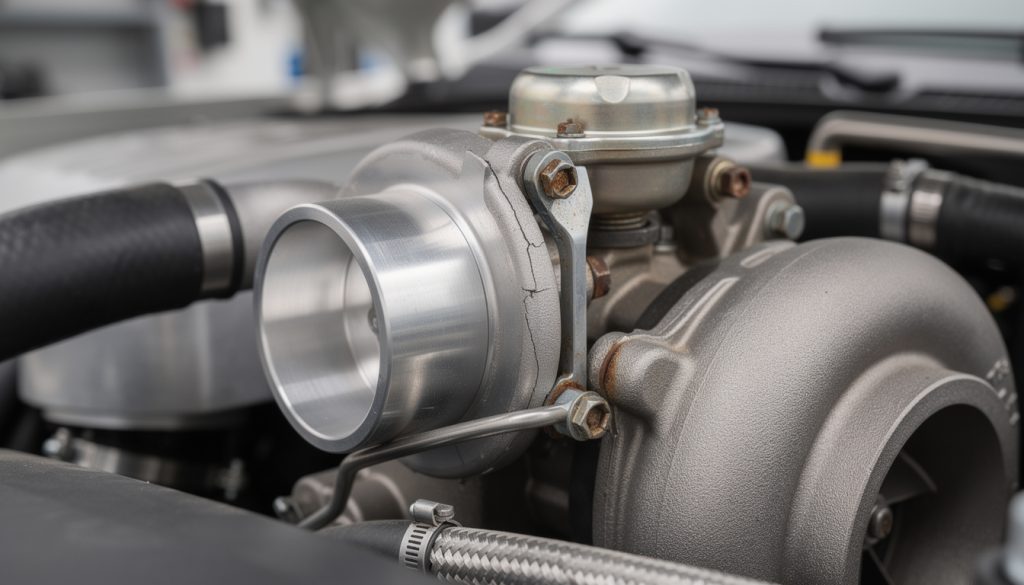
The turbo actuator, a deceptively small yet crucial component within the turbocharger system, quietly governs your engine’s power delivery without drawing much attention—until a fault emerges. Operating as the turbocharger’s “pressure gatekeeper,” the actuator adjusts boost control by modulating the wastegate, thereby ensuring the turbocharger provides the right amount of compressed air for optimal combustion. Its delicate balance manages turbo lag, engine performance, and overall efficiency, allowing drivers to enjoy the benefits of forced induction without compromise.
Despite its silent role, a malfunctioning turbo actuator can unleash a cascade of troubles: sudden power loss, increased fuel consumption, excessive exhaust emissions, and in severe cases, engine damage. Recognizing actuator symptoms early is critical to avoiding expensive repairs and maintaining your vehicle’s reliability. Knowing how to spot these warning signs will empower you to act swiftly, whether that means undertaking turbo troubleshooting yourself or consulting a professional for fault diagnosis.
Understanding the intricate function of the turbo actuator and how its failure manifests will serve anyone keen on safeguarding their turbocharger system’s investment. In the evolving landscape of automotive technology in 2026, turbocharged engines continue to dominate, making this knowledge indispensable for enthusiasts and everyday drivers alike.
Key Takeaways:
- The turbo actuator regulates boost pressure by controlling the turbocharger’s wastegate.
- Failure symptoms include sudden power loss, unusual turbo noises, and warning lights on the dash.
- Common causes of actuator failure are electrical faults, water ingress, and turbo damage.
- Driving with a bad actuator risks serious engine damage and poor fuel economy.
- Regular maintenance, including checks on wiring and filters, can prolong actuator life.
Critical Functions of a Turbo Actuator in Boost Control and Engine Performance
The turbo actuator functions as a pivotal element in the turbocharger system, responsible for the precise modulation of boost pressure. It controls the wastegate, a valve that diverts exhaust gases away from the turbine wheel, managing the speed of the turbo and, consequently, the amount of boost delivered to the engine.
Without a well-operating actuator, the turbocharger cannot regulate boost pressure effectively, which directly impacts engine torque and horsepower. The actuator adjusts the wastegate based on input signals from the engine control unit (ECU) and sensors, facilitating seamless throttle response and reducing turbo lag. This coordination ensures that the engine receives the optimal air-fuel mixture for performance and efficiency across different driving conditions.
From sport cars to diesel trucks, the actuator’s role is fundamental. For example, in a high-performance sports car, a fast-acting actuator prevents turbo lag, making power delivery immediate and predictable. Meanwhile, in commercial diesel vehicles, precise boost control preserves engine longevity and enhances fuel economy by preventing over-boost situations.
Data from recent automotive diagnostics show that turbo actuator adjustments can improve turbo responsiveness by up to 20%, a substantial gain for driver experience. This precision control highlights why the actuator, though often overlooked, is crucial for maintaining the overall health and output of the turbocharger system.
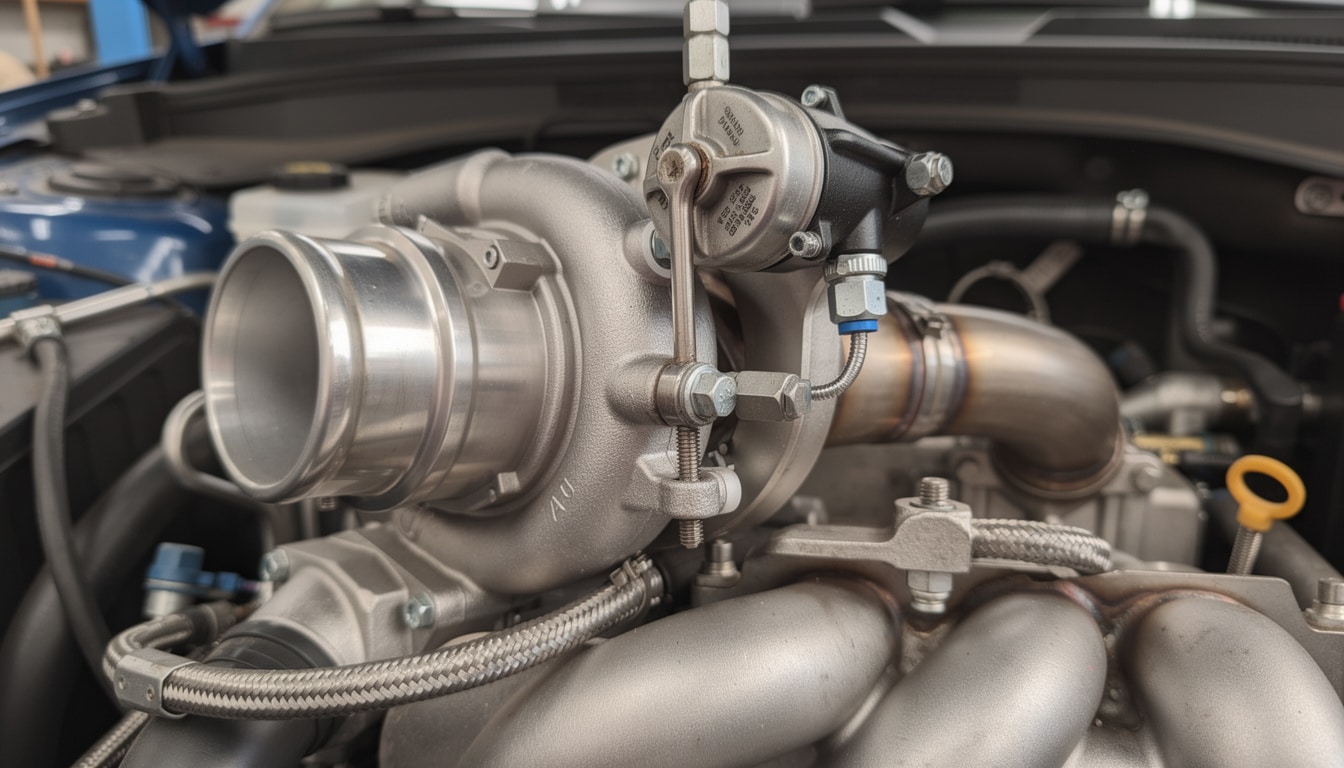
💡 Expert Tip: Regularly inspect the actuator arm and linkage for physical wear or kinked cables. Minor damage can degrade performance and may precede total actuator failure.
Recognizing Early Warning Signs and Actuator Symptoms of Failure
In the realm of turbo troubleshooting, being able to identify actuator failure symptoms early can make a huge difference in avoiding costly repairs. A failing turbo actuator typically manifests through a combination of distinct symptoms that affect engine performance and vehicle drivability.
Loss of Power and Acceleration: One of the first red flags is a noticeable drop in power. The vehicle may struggle to accelerate, with sluggish throttle response that frustrates the driver. This is often due to improper boost delivery as the actuator fails to regulate the wastegate, pushing the engine into limp mode to protect itself.
Warning Lights and Fault Codes: The ECU continuously monitors the turbo system. When it detects anomalies linked to the actuator or boost control system, warning lights such as the check engine light or turbocharger-specific lights activate. Advanced OBD2 scanners can reveal precise fault codes (like P0299 or P003A) that point directly to actuator malfunction.
Erratic Boost Levels: Drivers might experience inconsistent or abnormal boost pressures. Underboost results in weak power output, while overboost stresses the engine and turbo components. Both extremes result from faulty actuator control, disrupting the delicate balance required for consistent engine performance.
Unusual Noises: A failing actuator can cause the wastegate to stick or malfunction, producing distinctive noises such as whistling, hissing, or rattling. These sounds are often mistaken for turbocharger failure, but they specifically indicate actuator or wastegate issues.
Excessive Exhaust Smoke and Oil Leaks: When the actuator mismanages pressure, the turbocharger might suffer oil seal leaks, leading to blue or white smoke from the exhaust. Additionally, you may spot oil puddles beneath the vehicle, signaling internal turbo or actuator damage.
Keeping an eye out for these symptoms is essential to prompt fault diagnosis. The sooner the issue is identified, the easier and less expensive it typically is to fix.

Root Causes Behind Turbo Actuator Failure in Turbocharger Systems
Understanding what causes a bad turbo actuator is key to prevention and repair. Several factors can instigate actuator failure, often interconnected and stemming from inadequate maintenance or harsh operating conditions.
- Electrical Problems: Faulty wiring or corrosion in actuator circuits disrupt the control signals from the ECU. Such malfunctions hinder the actuator’s ability to move the wastegate precisely, leading to erratic boost control and failure over time.
- Water Ingress and Corrosion: Moisture seeping into the actuator can cause rust and corrosion. This damages internal components, stiffening movement or short-circuiting electrical parts. In climates with frequent rain or harsh winters, water ingress is a prime enemy.
- Turbocharger Mechanical Damage: If the turbo itself sustains damage—such as worn bearings or turbine wheel imbalance—the actuator works harder to maintain boost levels, accelerating wear on its components. This extra strain shortens actuator lifespan.
- Power Supply Issues: A weak battery or failing alternator can reduce the electrical supply available to the actuator. Insufficient voltage hampers actuator response, causing underperformance in boost control.
- Environmental and Driving Conditions: Aggressive driving, poor oil quality, or infrequent servicing contribute to premature actuator failure. Dirt or debris blocking the turbo system can also impair actuator movement.
By recognizing these causes, drivers and mechanics can take preventative steps to protect the actuator and extend the life of the entire turbocharging system.

Assessing Turbo Actuator Health: Effective Methods for Turbo Troubleshooting
Performing accurate turbo troubleshooting on the actuator involves both manual inspection and electronic diagnostics. Even a well-experienced mechanic must follow specific steps to pinpoint actuator issues reliably.
- Initial Visual Inspection: With the engine off, locate the turbo actuator attached beside the turbocharger. Check the actuator arm and linkage for any signs of physical damage or looseness.
- Manual Movement Test: Press the actuator arm gently. It should move smoothly with limited play—typically less than half an inch. Excessive movement may indicate worn components needing adjustment or replacement.
- Engine Rev Test: With the help of another person, start the engine and gently increase RPM. Observe the actuator arm’s motion: it should smoothly open the wastegate to regulate boost pressure as the engine revs up.
- Use of Diagnostic Tools: Connect an OBD2 scanner to read turbo-related fault codes. These codes offer precise clues about actuator failure and overall turbo system health, refining the diagnostic process.
| Step | Purpose | What to Look For |
|---|---|---|
| Visual Inspection | Detect physical damage | Corrosion, broken linkage, oil leaks |
| Manual Movement Test | Check actuator arm mobility | Smooth motion, limited play |
| Engine Rev Test | Observe actuator response | Arm moves to release boost |
| Diagnostic Scanner | Retrieve error codes | Fault codes like P0299, P003A |
Correct diagnosis allows for informed decision-making on repairs, whether replacing the actuator, repairing wiring, or addressing turbocharger damage.
Practical Maintenance Tips to Prevent Turbo Actuator Failure and Prolong Turbocharger Life
Proactive care is undoubtedly the best strategy to avoid turbo actuator failure. Routine maintenance can dramatically extend the actuator’s lifespan and keep engine performance stable.
Key preventative measures include:
- Regular System Cleaning: Clearing dirt, carbon deposits, and debris from the turbocharger system prevents blockages that strain the actuator and wastegate.
- Electrical Checkups: Inspect wiring, connectors, and sensor integrity regularly. Repair any corrosion or loose connections promptly to ensure uninterrupted boost control signals.
- Quality Engine Oil and Timely Changes: Using manufacturer-recommended high-grade engine oil and replacing it at recommended intervals reduces wear on actuator components and turbocharger bearings.
- Air Filter Maintenance: Replacing or cleaning air filters ensures clean airflow into the turbocharger, minimizing contamination that could impair actuator function.
- Engine Tuning: Properly tuning your engine avoids excessive boost scenarios that can prematurely wear the actuator.
- Driving Habits: Gentle driving practices and avoiding frequent harsh acceleration cut down on unnecessary turbo stress.
By integrating these habits into your vehicle care regimen, you reduce risks and shield your turbocharger system and its actuator from premature failure.
💡 Expert Tip: Always allow the engine to idle for a minute after heavy driving before shutting off. This cooldown protects the turbo and actuator from heat damage and prolongs service life.
What happens if my turbo actuator fails completely?
A total turbo actuator failure usually results in a sudden loss of power, poor acceleration, and potentially the vehicle entering limp mode. If not addressed immediately, it can lead to severe engine damage and costly repairs.
Can I replace a turbo actuator myself?
Replacing a turbo actuator is possible for skilled DIYers with proper tools, but it requires careful handling to avoid damaging the turbocharger or its wiring. Consulting a professional for diagnosis and replacement is often recommended.
How often should the turbo actuator be inspected?
Turbo actuators should be checked at every major service interval, typically every 30,000 to 50,000 miles, or sooner if you notice symptoms like reduced power or dashboard warnings.
Can a faulty turbo actuator cause turbo lag?
Yes, a malfunctioning actuator can disrupt boost control timing, causing delayed turbo spool-up and increased turbo lag, which negatively affects throttle response and engine performance.
Is turbo actuator failure covered under warranty?
Coverage depends on your vehicle’s warranty terms and maintenance history. Mechanical failures related to manufacturing defects often are, but damage due to neglect or poor maintenance usually isn’t.