The Audi Q7 has been a prominent luxury midsize SUV since its debut in 2005, carving a niche among drivers who value spacious interiors and cutting-edge technology. As the flagship SUV of Audi, part of the Volkswagen Group, the Q7 blended German engineering with SUV versatility. However, like any vehicle with such complexity, it has experienced a range of mechanical and electrical issues over the years. Understanding these common problems and how they affect reliability is essential for anyone considering ownership or looking to maintain their Audi Q7 efficiently in 2026 and beyond.
With the second generation launched in 2015, Audi leveraged Volkswagen’s MLB platform to produce a lighter, more fuel-efficient SUV boasting updated connectivity features. Yet, even with these improvements, owners still encounter challenges that can impact vehicle performance and ownership satisfaction. From mechanical hiccups like engine misfires and oil leaks to interior and electronic malfunctions, this article delves into what you must know to assess the reliability of the Audi Q7 before making a decision.
Whether you’re tuning up your current Q7 or scouting the used market, this comprehensive overview will guide you through the most common problems, shed light on maintenance essentials, and offer expert insight on owning this powerful luxury SUV.
Key Takeaways:
- The Audi Q7’s reliability varies significantly by model year, with 2015+ models showing greater improvements.
- Common mechanical problems include engine misfires, oil leaks, suspension issues, and rear axle alignment faults.
- Electrical complaints often involve knock sensor failures, sunroof leaks affecting systems, and airbag warning lights.
- Interior quirks such as seatbelt malfunctions and uncomfortable headrests affect driver comfort and safety.
- Repair and maintenance costs remain on the higher side; trusting a knowledgeable independent mechanic may help mitigate expenses.
Mechanical Issues: A Deep Dive into Common Audi Q7 Faults
When evaluating the Audi Q7’s mechanical reliability, various persistent issues often emerge in owner reports and technical assessments. One of the most frequent faults is engine misfiring, which tends to plague Q7s manufactured between 2007 and 2011. This problem typically arises from faulty ignition coils, worn spark plugs, or failing fuel injectors. Drivers report symptoms such as noticeable shuddering during acceleration or idling and the dreaded check engine light activating soon after a cold start.
Addressing misfires promptly by replacing faulty components like spark plugs or ignition coils is crucial. However, it’s important to recognize when misfires may hint at deeper engine problems involving pistons or cylinders, which could lead to costly repairs if neglected. Professional diagnostic checks are indispensable in such cases to prevent progression.
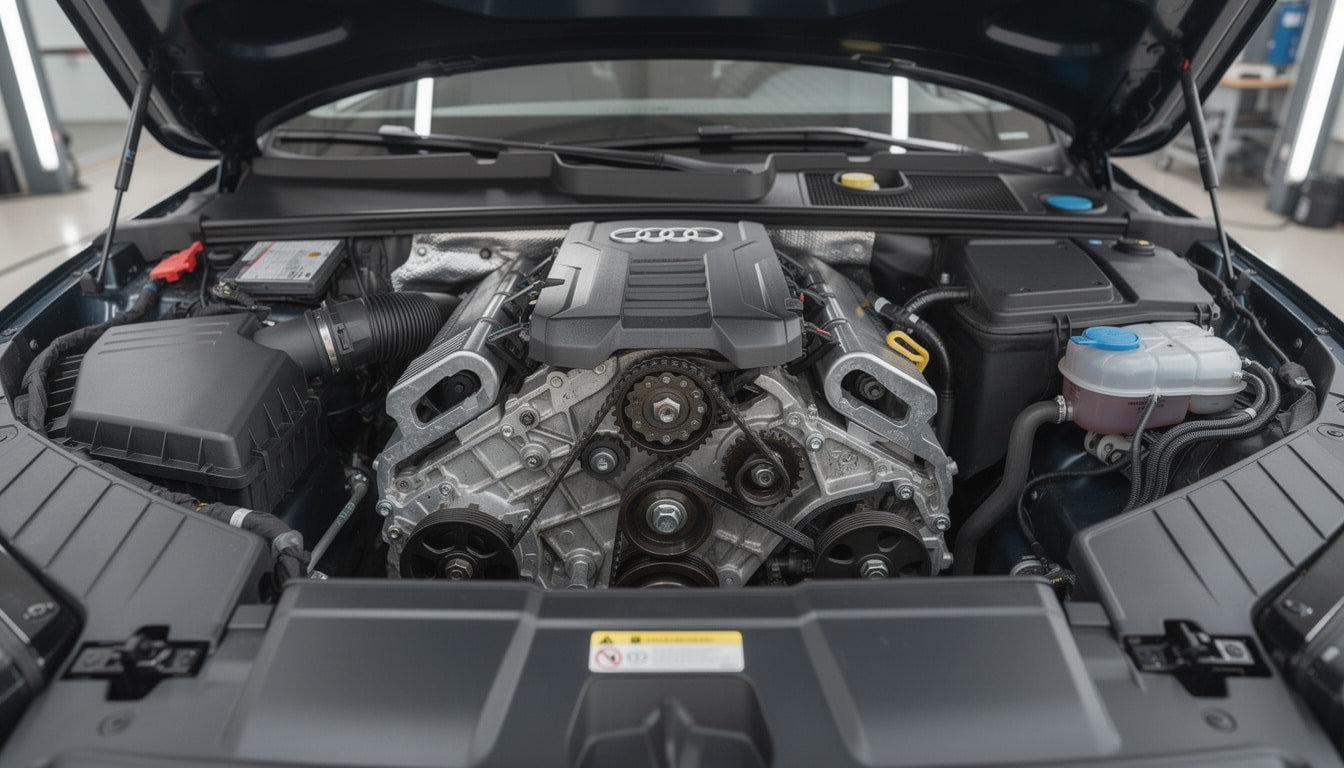
Another notorious mechanical problem involves oil leaks emanating from the timing chain cover area, especially in models powered by the Audi 3.0L supercharged V6 engine. Over years of use, gasket materials deteriorate, becoming brittle and allowing engine oil to seep. Repairing this requires gasket replacement, a labor-intensive job that can reach substantial costs owing to the engine’s complexity.
Rear axle misalignment has also been identified as a significant issue, notably leading to an Audi recall involving over 31,000 vehicles including the 2021 Q7. Misalignment leads to uneven tyre wear and can compromise vehicle handling. Symptoms such as a drifting steering wheel or pulling sensations during braking or acceleration warrant immediate inspection.
Meanwhile, air suspension problems continue to affect some Q7 models, particularly manifesting as suspension warning lights, loss of ride height, and abnormal noises. While the vehicle remains drivable during these faults, ignoring them can undermine safety and accelerate suspension component wear. Professionals often recommend immediate repair to avoid cascading failures.
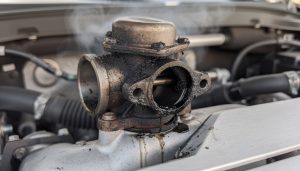
Finally, peculiar popping noises have been reported predominantly in Q7s made from 2007 to 2012. These sounds usually stem from worn purge valves located on the intake manifold that fail their self-tests. Replacement eliminates the noise and prevents increased emissions and potential engine damage.
Interior and Comfort-Related Issues Affecting Audi Q7 Owners’ Experiences
Comfort and safety are priorities for luxury SUV drivers, and the Audi Q7 shines with spacious seating and advanced features. Nevertheless, it also exhibits some recurrent issues in the cabin that owners must consider when assessing reliability and ownership satisfaction.
Seatbelt problems are among the most reported issues. Complaints include belts fraying prematurely, rear seatbelts unexpectedly unlocking, and sometimes belts becoming stuck in a locked or retracted position. This prompted a major recall in 2021 targeting seatbelt locking retractors to ensure occupant safety across thousands of Q7 units.
Another aspect affecting driver comfort is the design of the front headrests. Some users find the default forward tilt causes discomfort and even neck or back pain during longer drives. Despite the headrest’s adjustable range, many owners report that the available backward tilt is insufficient for optimal ergonomic positioning, occasionally resorting to removal for relief — a workaround not recommended but telling of the design’s limitations.
Ultimately, while the Audi Q7 provides a luxurious cabin, these interior faults may impact the overall driving experience and warrant thorough inspection when purchasing used models or routine checks in owned vehicles.
Electrical and Electronic System Reliability: What Audi Q7 Owners Often Face
Complex electronic systems are a hallmark of modern luxury vehicles like the Audi Q7, but they also introduce potential points of failure impacting vehicle reliability. One such common problem is malfunctioning knock sensors, predominantly reported in models from 2007 to 2012. A faulty knock sensor triggers the check engine light and can degrade engine performance, leading to less responsive acceleration and increased wear due to improper combustion timing.
Sunroof leaks have surfaced as another troublesome fault, especially in the 2007 Q7 models. Water intrusion from a leaking sunroof causes electrical malfunctions affecting audio systems, indicator lights, and other electronic controls. Since water and electronics do not mix well, prompt diagnosis and sealing repairs are vital to preserving vehicle safety and functionality.
Airbag system warnings are also relatively common. Drivers often report the airbag warning light illuminating without an obvious fault, frequently due to defective sensors, loose connections, or a faulty airbag control module. These warnings need priority attention, as they not only jeopardize occupant safety but can also cause MOT/test failures in many regions. Service at authorized workshops to diagnose and repair airbag faults ensures compliance and safety on the road.
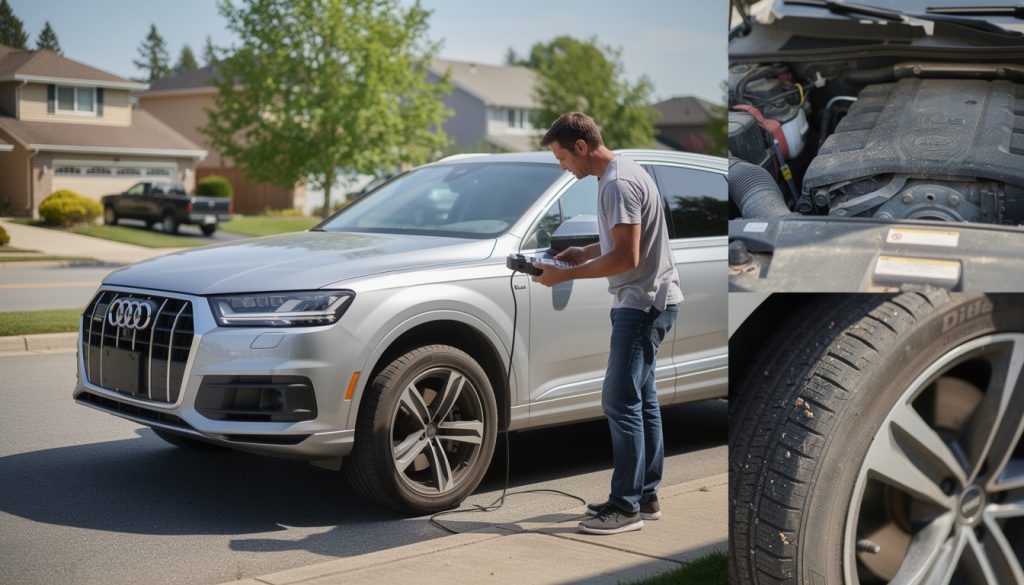
💡 Expert Tip: Always have your Audi Q7's electrical systems scanned with professional diagnostic tools after any warning lights appear. Early detection of faults can avoid expensive repairs and keep you safe.
Evaluating Audi Q7 Reliability: Key Considerations for Buyers and Owners
When assessing the reliability of the Audi Q7, several key factors come into play, especially for prospective buyers eyeing used models. Audi is renowned for manufacturing vehicles with excellent build quality and attention to engineering detail. Still, like many premium SUVs loaded with technology, the Q7 requires conscientious maintenance and occasional part replacements.
According to the latest data from What Car?, the Audi Q7 scores an impressive 96.6% reliability rating, placing it 2nd among luxury SUVs. This solid reputation reflects improvements made from the second generation launched in 2015 onward. Specifically, models from 2015 to 2019 stand out as the best years to own, boasting fewer frequent complaints and enhanced engine efficiency.
For example, the 2017 Audi Q7 has been praised for its refined design and more powerful engines, offering a smoother and more reliable driving experience. The 2014 model is also frequently cited for its luxurious interior appointments and improved build quality compared to earlier first-generation Q7s.
However, potential owners should keep in mind that the Q7’s advanced engineering complexity can make repairs and maintenance costly. Labor rates at dealerships tend to be on the higher side, and replacement parts, especially for the air suspension or engine components, can often push expenses above £2000. Average annual servicing costs typically range between £600 to £1000, depending on driving habits and local repair rates.
Despite this, savvy owners who partner with trusted independent mechanics report significant savings on maintenance, often without sacrificing quality. Regular servicing and addressing minor faults promptly enhance long-term reliability and performance, making ownership both enjoyable and prudent.
| Model Year Range | Reliability Highlights | Common Issues | Recommended Actions |
|---|---|---|---|
| 2007-2011 | Early generation with notable engineering features | Engine misfires, purge valve noises, electrical faults | Confirm full service history, focus on ignition and emissions systems |
| 2012-2014 | Improved interior comfort, minor reliability gains | Seatbelt malfunctions, minor leaks, air suspension alerts | Inspect seatbelt function and suspension before purchase |
| 2015-2019 | Best years with enhanced engine and tech | Occasional oil leaks, sensor failures | Regular oil system checks; prompt sensor diagnostics recommended |
| 2020-present | Continued tech upgrades and improved fuel economy | Rare electronic glitches, software updates recommended | Keep software up to date; perform periodic electrical system scans |
Maintenance and Owner Tips to Maximize Audi Q7 Performance and Longevity
Audi Q7 ownership offers the pleasure of driving a sophisticated luxury SUV, but it comes with responsibilities to ensure enduring reliability. Regular maintenance following Audi’s official schedules is not merely advisable but crucial. This includes timely oil changes, brake system checks, suspension calibration, and software updates for the vehicle’s complex electronics.
One practical tip is to remain vigilant regarding dashboard warning lights. While not every warning signals an immediate emergency, ignoring these indicators can allow minor faults to evolve into costly mechanical breakdowns.
Owners should also monitor for telltale signs of rear axle misalignment, such as uneven tyre wear or a steering wheel drift. Early correction can prevent uneven component wear and enhance safety. Regarding suspension, addressing any air suspension warning promptly can preserve ride comfort and vehicle stability.
When repairing or replacing parts, choosing high-quality OEM or certified Audi components ensures compatibility and durability, preserving the vehicle’s performance characteristics.
- Keep comprehensive service records to track maintenance history and resale value.
- Consider Audi-certified or highly trusted independent mechanics to reduce labor costs without compromising quality.
- Perform regular tyre rotations and wheel alignments to avoid uneven wear.
- Check and replace air filters and spark plugs as part of routine tune-ups.
- Keep software updated to benefit from Audi’s incremental improvements and bug fixes.
💡 Expert Tip: Schedule annual comprehensive inspections including diagnostics of electronic systems — this proactive approach prevents surprises and keeps your Audi Q7 running smoothly.
What model years of the Audi Q7 are considered the most reliable?
Models from 2015 to 2019 generally show the best combination of improved engine performance, fewer common issues, and enhanced build quality, making them the most reliable choices for buyers.
Are engine misfires in the Audi Q7 dangerous to ignore?
While occasional minor misfires can seem harmless, persistent or severe misfiring may indicate serious engine problems, including piston or cylinder damage. Prompt inspection and repair are critical to avoid expensive repairs.
How expensive is it to maintain an Audi Q7?
Average annual maintenance costs range between £600 and £1000, but complex repairs such as suspension or engine gasket replacements can exceed £2000. Using trustworthy independent mechanics can reduce expenses.
Do electrical problems commonly affect Audi Q7 ownership?
Yes, issues such as knock sensor faults, sunroof leaks, and airbag warning lights are fairly common. Proactive diagnostics and timely repairs are essential to maintain the vehicle’s safety and performance.
What are the signs of rear axle misalignment in the Audi Q7?
Uneven tire wear, a misaligned steering wheel, and pulling to one side during braking or acceleration are key indicators suggesting that the rear axle alignment should be checked immediately.