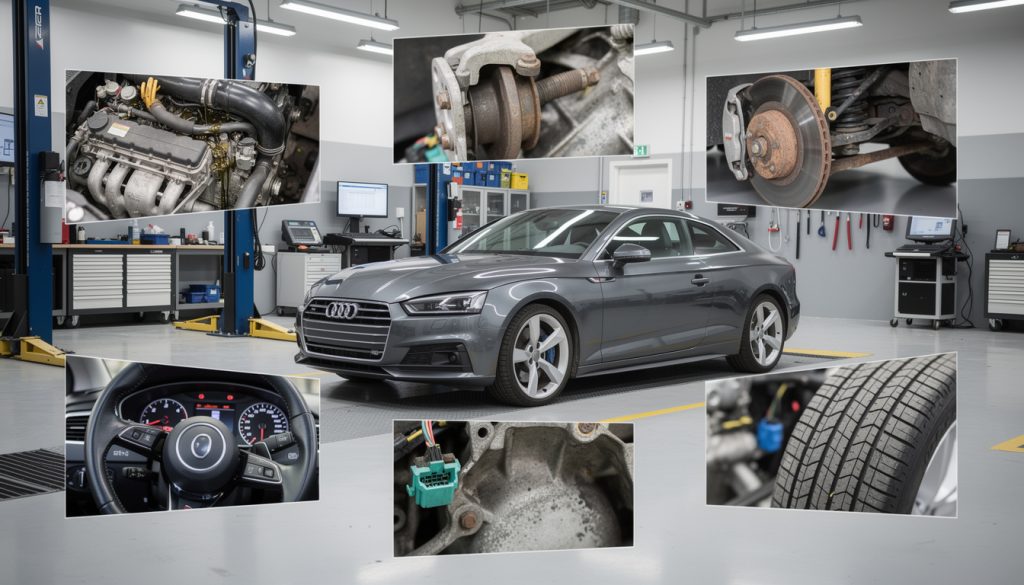
The Audi A5 has long been admired for its sleek design, luxurious ambiance, and performance-oriented engineering. Yet, like any vehicle, it’s not immune to specific issues that owners and prospective buyers should be aware of, especially as the model evolves into 2026 and beyond. From electronic glitches to engine problems, understanding these common faults can save you unexpected expenses and frustrating breakdowns. Whether you’re navigating transmission issues or battling electrical faults, knowing the landscape of A5 maintenance helps make better decisions:
Key Takeaways :
- Electrical faults such as malfunctioning infotainment systems and battery drain.
- Mechanical concerns including engine problems, timing chain wear, and increased oil consumption.
- Transmission issues mainly linked to the Multitronic gearbox in earlier models.
- Wear and tear on brakes and suspension components resulting in noises or decreased performance.
- Recurring problems with coolant leaks and water pump failures leading to overheating risks.
By exploring these facets in depth, I offer a comprehensive view that goes beyond the usual overview, backed by technical insights and practical advice from the automotive repair front lines.
Electrical and Interior Problems in the Audi A5: What to Expect and How to Handle Them
The Audi A5’s reputation for blending style with technology comes with a flip side: notable electrical faults and infotainment system anxieties, particularly in model years from 2008 to 2011. One key issue reported by owners involves the Multi-Media Interface (MMI), which is the heart of the vehicle’s infotainment controls. Users have encountered the MMI screen going blank or freezing mid-use, and sometimes the system fails to power on or shut down correctly. These problems degrade the driving experience and can be distracting or annoying during commutes or longer trips.
Additionally, the interior of the Audi A5 has been a source of minor irritation due to persistent trim noises. Rattling from door panels, dashboard creaks, or clunking center consoles are commonly reported. Although these may seem cosmetic, they often point to loosely fitted components or material fatigue. It’s essential to diagnose these noises early with a professional mechanic, as ignoring them might lead to more significant issues inside the cabin.
An essential safety facet is the airbag system — Audi faced recalls impacting A5 models from 2018 to 2020. Faulty seat heater cables could disable the front passenger airbag, highlighting a vital fix for owners of these model years.
💡 Expert Tip: If you experience persistent screen blackouts or freezing on your MMI system, attempt a soft reset before heading to the dealership. This simple step often resolves minor glitches without requiring costly repairs.

Understanding Engine Problems in the Audi A5: Oil Consumption, Timing Chain Issues, and Carbon Build-up
Engine problems often top the list of concerns for performance-wanting Audi enthusiasts. The Audi A5, particularly with its turbocharged petrol engines, is prone to increased oil consumption. This stems from a piston ring design flaw in early TFSI engines, allowing oil to leak into the combustion chamber and burn off faster than normal. An owner driving their A5 might notice more frequent oil top-ups between services or the distinct smell of burning oil — warning signs not to overlook.
The timing chain system in Audi A5 engines deserves close scrutiny as well. Unlike timing belts, which require scheduled replacement, timing chains theoretically last the vehicle’s lifetime. However, these chains can stretch or wear prematurely due to high tension or irregular maintenance. This stretching risks misalignment of engine components, causing engine problems such as misfires or inefficient combustion that can drastically affect performance and economy. Pricing for timing chain replacement can stretch into the thousands due to its intricate location inside the engine.
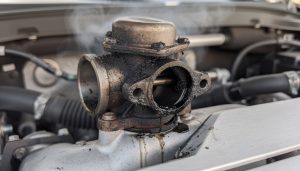
Another subtle but harmful issue is carbon build-up on intake valves and combustion chambers. Over time, carbon deposits accumulate from unburnt fuel and oil residues, interfering with smooth engine running and reducing fuel efficiency. Regular service intervals and quality fuel usage can mitigate this, but significant deposition requires professional cleaning.
- Watch for increased oil consumption and top up as needed.
- Have your timing chain inspected during regular service intervals if your model is older.
- Use premium fuels or fuel additives to limit carbon build-up in turbocharged engines.
💡 Expert Tip: Regularly checking your oil level and quality every 1,000 miles is an easy routine that can prevent costly engine problems linked to oil leaks and consumption.
Transmission and Clutch Challenges Related to the Audi A5’s Multitronic Gearbox
The Multitronic continuously variable transmission (CVT) used in Audi A5 models from 2007 to 2016 has attracted its share of criticism for transmission issues. Symptoms include shuddering, reluctance to accelerate smoothly, and jerks during gear shifts. In severe cases, transmission failure can cause the vehicle to lose power or become immobile. Overheating of the transmission during heavy towing or aggressive driving amplifies these problems.
Clutch performance also deserves mention since numerous owners face problems such as a stiff clutch pedal and occasional slippage. This can be related to wear and tear, hydraulic system failures, or improper maintenance intervals. Given the A5’s sporty nature, the clutch is subject to higher stress compared to more comfort-oriented vehicles.
Considering that both transmission and clutch repairs tend to be pricey, recognizing early warning signs such as delay in power delivery, noises while changing gears, or difficulty pressing the clutch pedal is crucial. Timely intervention can save you from complete system failure.
Brake Wear, Suspension Noise, and Other Wear-and-Tear Issues in Daily Use
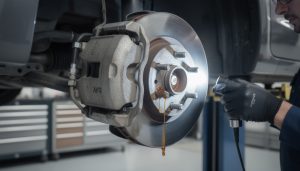
Beyond the mechanical and electronic components, everyday wear items like brakes and suspension components significantly impact driving safety and comfort. Audi A5 owners have commonly complained about premature brake wear due to spirited driving or urban stop-and-go traffic. This leads to reduced braking performance and the unmistakable squealing noise that signals worn pads.
Suspension noise is another frequent complaint, often manifesting as creaks or knocking sounds when driving over bumps or cornering. This typically points to bushings, bearings, or struts that are worn out or damaged. Ignoring such noises may lead to compromised ride comfort and additional safety risks due to instability and poor handling.
Maintaining suspension health through regular inspections every 20,000 to 30,000 miles can extend the life of these components. Brake pads and discs typically require checking every 15,000 to 20,000 miles depending on usage.
| Component | Typical Lifespan (miles) | Common Symptoms | Recommended Inspection Interval |
|---|---|---|---|
| Brake Pads | 15,000 – 30,000 | Squealing, reduced stopping power | Every 15,000 miles |
| Suspension Bushings | 30,000 – 50,000 | Creaking or knocking noises | Every 20,000 miles |
| Multitronic Transmission | Varies widely | Shuddering, jerking, power loss | Inspected if symptoms arise |
Coolant and Fuel System Issues: Overheating Risks and Fuel Efficiency Concerns
Coolant leaks, including failures of the coolant and water pumps, have been reported with various Audi A5 models. These faults can lead to engine overheating and consequentially severe engine damage if not addressed promptly. Signs to watch for include a rising engine temperature gauge, steam from the engine bay, or sweet-smelling coolant smells inside the cabin.
Fuel system problems also factor into the overall reliability picture. Any irregularities here can cause poor power delivery, stalling, or reduced fuel economy. Carbon build-up, as detailed previously, compounds these concerns in turbocharged engines, given their higher fuel and air pressure demands.
Both coolant and fuel system maintenance require proactive attention. Regular fluid checks, replacing pumps before failure, and using quality fuel all contribute to preserving engine longevity and performance.

To deepen your understanding of the mechanical and electronic nuances of the Audi A5, here is an instructive video covering typical error codes and troubleshooting methods.

Which Audi A5 model years are most prone to electrical faults?
Model years from 2008 to 2011 report the highest instances of electrical faults, especially regarding the MMI infotainment system.
Is the timing chain replacement costly on the Audi A5?
Yes. Timing chain replacement is complex and expensive due to its position within the engine and the labor involved.
How can I prevent excessive oil consumption in an Audi A5?
Regular oil level monitoring, using manufacturer-recommended oils, and timely servicing can help manage oil consumption.
Are the Multitronic transmissions reliable?
The Multitronic transmissions have been known to suffer from shuddering and failure in older A5 models, demanding careful maintenance and early diagnosis.
What is the most reliable Audi A5 generation to buy?
The 2018 and 2019 Audi A5 models are known for better reliability, with fewer reported issues compared to early model years.