The Mitsubishi Lancer has long been admired for its versatility, sporty flair, and relative affordability, making it a favored choice among drivers seeking a combination of performance and practicality. As of 2026, the Lancer still holds a cherished place in the used car market despite Mitsubishi discontinuing its production in 2017. However, owning or purchasing one demands a clear understanding of common issues that affect this compact sedan to ensure a smooth and worry-free experience. From key fob malfunctions to ignition troubles and electrical quirks, these complications can raise concerns if overlooked.
In this article, I aim to shed light on the key problems associated with the Mitsubishi Lancer, focusing on real-world troubleshooting advice and seasoned insights that help owners or buyers spot red flags early. By exploring mechanical, electrical, and interior-related faults, alongside guidance on the car’s reliability and maintenance costs, you will find practical solutions to handle and avoid typical headaches with this vehicle. If you want your Lancer to stay on the road and out of the workshop, knowing what to expect and how to react is essential.
Key Takeaways:
- The Mitsubishi Lancer is generally known for its durability, but some model years have recurring issues related to the CVT transmission and engine performance.
- Common complaints include CVT overheating, rough acceleration, and premature wear of transmission components.
- Some owners also report electrical problems, failing sensors, and check engine lights linked to emission system faults.
- Earlier models and vehicles with poor maintenance history tend to experience higher repair frequency and drivetrain issues.
- A careful inspection of the transmission, suspension, and electronic systems is recommended before buying a used Mitsubishi Lancer.
Mitsubishi Lancer Mechanical Issues: Understanding Engine and Drivetrain Challenges
The backbone of any vehicle’s reliability lies in its mechanical integrity, and the Mitsubishi Lancer presents a strong foundation with generally robust components. However, age and mileage can unearth some recurring mechanical problems that require prompt attention.
Engine Stalling and Idle Problems
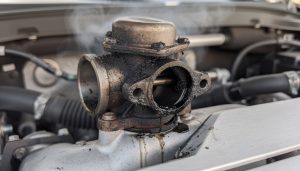
One of the most common issues for older Lancer models involves engine stalling while idling or decelerating. This symptom often points towards a malfunctioning MAP sensor or a clogged throttle body disrupting the essential air-fuel mixture. In practice, owners report their engines cutting out unexpectedly, impacting safety and drivability.
Fixing this is relatively straightforward: a thorough cleaning of the throttle body combined with vacuum leak checks often resolves the issue. If stalling persists, replacing the MAP sensor — a low-cost, user-friendly part — can restore smooth engine performance effectively.
Brake System Concerns and Steering Pull
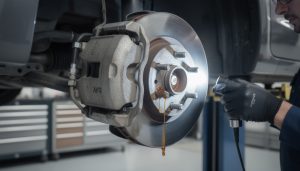
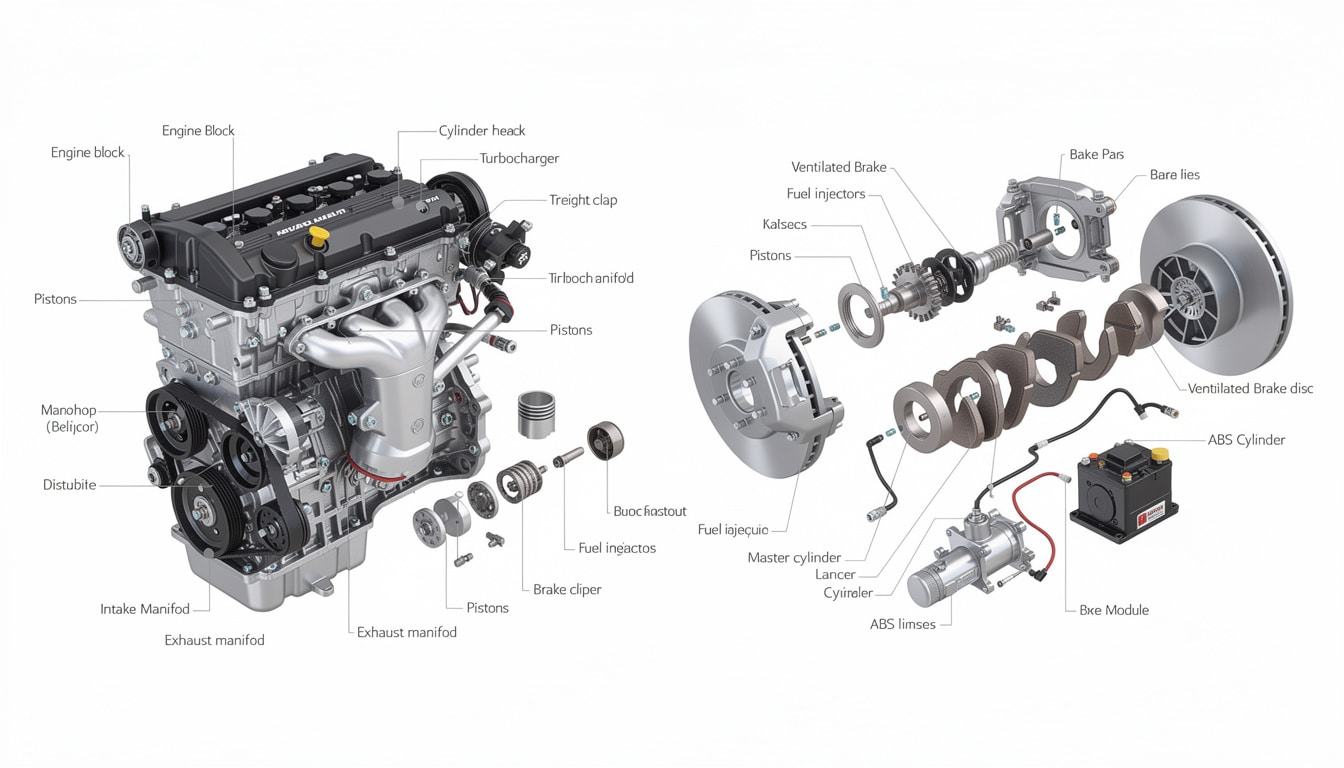
Uneven braking and early brake pad wear plague some Lancers due to sticking calipers or a faulty brake booster valve. These faults can lead to a soft brake pedal, which demands meticulous inspection. Similarly, a persistent pull to one side usually signals wheel misalignment or worn suspension bushes, not necessarily severe steering components failure.
Routine checks of pads, rotors, and calipers are imperative, and replacing wear parts symmetrically ensures balanced braking response. For steering pull, commissioning a professional four-wheel alignment alongside a suspension bush review typically restores stability and prolongs tire life.
Automatic Transmission and Oil Leak Issues
Among Lancers equipped with CVT gearboxes (2008–2016), slipping gears and delayed downshifts are frequently reported, often tied to the Transmission Control Module (TCM) or degraded transmission fluid. Ignoring these signs can escalate to costly repairs or full transmission replacements.
Oil leaks represent another mechanical hiccup, commonly related to incorrect oil cooler hoses or improperly sealed gaskets. Catching these leaks early ensures you avoid engine damage and excessive oil consumption.
💡 Expert Tip: CVT fluid should be changed using manufacturer-recommended oils on schedule, and software updates for the TCM can nip gearbox hiccups in the bud, boosting longevity.
To sum up, the Lancer’s engine, brakes, steering, and transmission require routine diagnostic vigilance. While its straightforward mechanics allow many repairs to be DIY-friendly, preventative maintenance is the best guard against unexpected breakdowns or expensive replacements.
Electrical Faults and Key Fob Malfunctions in the Mitsubishi Lancer
Electronics bring complexity to modern cars, and the Mitsubishi Lancer is no exception. Electrical faults frequently manifest as key fob malfunctions, lighting issues, and intermittent problems with windows or locks.
Understanding Key Fob Problems and Ignition Trouble
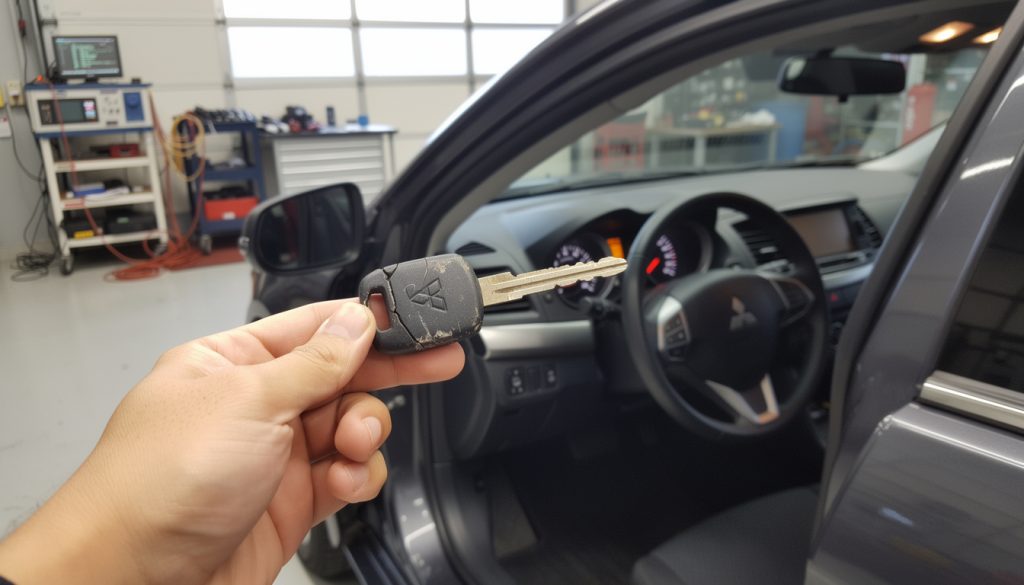
Owners report common frustrations with key fobs not locking or unlocking the vehicle, often stemming from dead batteries, water damage, or signal interference. A fully discharged battery is the leading cause of a key fob suddenly failing to communicate with the car’s security system.
Here’s how to troubleshoot key fob issues effectively:
- Replace the fob battery using standard coin cells available at automotive stores.
- If replacement doesn’t help, reprogramming the key fob to the vehicle is usually straightforward, often requiring just a few steps detailed in the owner’s manual or dealer assistance.
- For persistent faults, inspect internal circuits for corrosion and moisture damage.
Ignition troubles can also arise if the mechanical key doesn’t easily turn in the lock cylinder, particularly if the steering wheel is locked or the key itself is worn or damaged. This can result in the car won’t start scenarios that cause panic to many owners. Lubricating the ignition barrel or using a spare key often remedies this immediately.
Electrical Glitches Affecting Lights and Locks
Another frequent complaint is dimming headlights, malfunctioning window regulators, and faulty central locking. These symptoms are linked to corroded wiring connectors, aged relays, and blown fuses rather than major component failure. Performing a regular electrical system inspection using contact cleaner and diagnostic tools can prevent breakdowns.
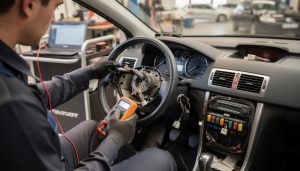
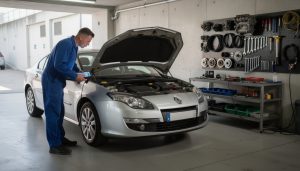
A diagnostic scan tool plays a vital role in detecting hidden faults and sensor failures, which might trigger the check engine light. Failing sensors like the MAP or oxygen sensors commonly trigger warning lights that should never be ignored.
💡 Expert Tip: Always address warning lights promptly with a diagnostic scan to avoid escalating damage, especially related to transmission or engine electronics.
Interior and Exterior Wear: What to Watch For in a Used Mitsubishi Lancer
The common issues with the Lancer do not stop under the hood or in the electrical harness; wear and tear inside the cabin and on the body are notable, particularly as these cars age into their second life.
Rust and Corrosion Risks
Mitsubishi Lancers are not immune to rust, especially around the wheel arches, undercarriage, and suspension mounting areas. These spots typically reveal bubbling paint or flaking metal. Rust left untreated can quickly spread, undermining chassis integrity and safety.
Catching rust early means sanding back affected areas and applying rust converter products, followed by primer and touch-up paint. In severe cases, panel replacement might be necessary, though replacement panels or parts remain widely available in 2026 for most Lancer versions.
Seat Wear and Interior Aging
High-mileage Lancers often exhibit sagging, ripped, or cracked upholstery, detracting from driving comfort and car value. Regular deep cleaning and conditioning can curb deterioration, but replacement seats or covers might be the best choice for extensive damage.
Other interior components like plastic trim, door handles, and electric window buttons might stick or malfunction over time but are mostly straightforward and inexpensive to replace or repair.
Key Considerations for Buying and Maintaining a Mitsubishi Lancer in 2026
As a seasoned automotive expert, I find that many prospective owners hesitate at the question of the Lancer’s longevity and upkeep. With a comprehensive understanding of its quirks and pitfalls, the Lancer remains a compelling option for an affordable compact car that balances sportiness and dependability.
How Reliable Is the Mitsubishi Lancer?
The Lancer’s reputation for reliability especially holds strong in its naturally aspirated trims, with well-maintained examples achieving over 150,000 miles comfortably. Later models (post-2010) notably improved on electrical and transmission faults, giving drivers fewer surprises.
Engine Longevity and Maintenance Tips
Expect the engine to last beyond 200,000 miles with proper oil changes and attentive care. Unlike many competitors, the Lancer’s gasoline engines use timing chains rather than belts, eliminating the costly belt replacement routine but shifting focus to chain tensioner and oil maintenance.
Watch out for persistent oil leaks or sludge accumulation, which indicate neglect or substandard servicing. Listening carefully for abnormal engine noises such as ticking can reveal developing timing chain wear.
Cost of Ownership and Repairs
Generally, the Mitsubishi Lancer is not expensive to maintain. Parts are affordable and widely available, and many repairs can be tackled by a handy owner, reducing labor expenses. Insurance costs tend to be moderate too, depending on the trim and driving record.
Keep in mind that the automatic transmission on CVT models demands regular fluid replacement to dodge costly tantrums. Typical part costs to budget for include:
| Part | Estimated Cost (GBP) | Notes |
|---|---|---|
| Clutch Assembly | £185 | Common wear item on manual Lancers |
| Front Brake Pads | £35 | Should be replaced in pairs |
| Alternator | £200 | Vital for charging system |
| Starter Motor | £300-£350 | Involved in engine ignition |
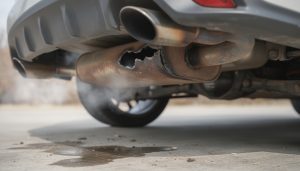
| Exhaust System | £400-£450 | Wear-prone, affects emissions and noise |
Proper maintenance and addressing ignition trouble or lock issues early can extend your ownership pleasure significantly.

Advanced Troubleshooting Techniques for Key Fob and Security System Issues
Addressing key replacement or security malfunctions effectively prevents inconvenient lockouts or vehicle immobilization. Understanding the Lancer’s security system integration and key fob programming helps demystify these problems.
Reprogramming the Mitsubishi Lancer Key Fob
If your key fob fails, replacing or reprogramming it might be necessary. Reprogramming typically involves a sequence of turning the ignition and pressing buttons on the fob, designed to be performed without dealer intervention.
Advanced diagnostics tools can help confirm if the key fob is communicating correctly with the immobilizer or central locking system. In rare cases, faults in the vehicle’s receiver module may mimic key fob failure but require specialized repair.
Dealing with Car Won’t Start Situations Related to Key and Ignition
Beyond battery or programming faults, a worn mechanical key or ignition cylinder can cause the key not to turn or engage properly. This often requires cylinder lubrication or replacement in persistent cases.
Understanding these nuances increases your chance of solving the problem swiftly and avoiding an unnecessary tow or service bill.

What causes a Mitsubishi Lancer key fob to stop working?
The most frequent cause is a dead battery, followed by water damage, signal issues, or internal circuitry failure. Replacing the battery or reprogramming often restores function.
Why won’t my Mitsubishi Lancer engine start even with the key fob?
Potential reasons include ignition cylinder wear, a faulty immobilizer, or a depleted key fob battery. Mechanical key lubrication and diagnostic scanning help identify the root cause.
Is the Mitsubishi Lancer reliable for long-term ownership?
Yes, with proper maintenance, especially oil changes and transmission fluid replacement, Lancers can remain dependable beyond 150,000 miles. Later models feature improvements enhancing reliability.
How expensive are common repairs on a Mitsubishi Lancer?
Repairs such as brake pad replacement, clutch servicing, and electrical fixes are generally affordable. Major costs arise from transmission or engine issues but can be minimized by preventive care.
Can I reprogram my Mitsubishi Lancer key fob myself?
Yes, reprogramming is often a straightforward process involving ignition cycles and button presses, but consulting the owner’s manual or professional help is recommended to avoid errors.