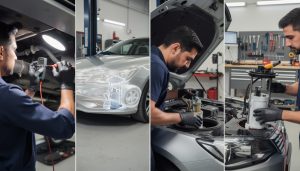
The BMW 3 Series has long stood as a benchmark in the compact luxury car segment, admired for its dynamic handling, premium interiors, and cutting-edge technology. However, like any sophisticated machine, it isn’t without its quirks and common issues that prospective and current owners alike should understand. Whether you’re enjoying the refined touch of a G20 or maintaining an older E90, knowing what problems typically arise can save you time, money, and stress. From engine issues and transmission problems to electrical faults and suspension wear, this exploration zeroes in on the BMW 3 Series’ most prevalent mechanical and technical challenges encountered by drivers around the globe.
Key Takeaways :
- The BMW 3 Series is renowned for strong performance but faces common issues such as engine overheating and timing chain failures.
- Electrical faults including software glitches and battery drain are widespread across various model generations.
- Turbocharged models often experience turbocharger and wastegate problems, leading to power loss and noisy operation.
- Suspension wear due to high-performance driving or rough roads causes handling and tire wear concerns.
- Proactive maintenance and using OEM or high-quality parts are crucial to managing these problems effectively.
Engine Cooling and Overheating Issues in BMW 3 Series: Common Causes and Prevention
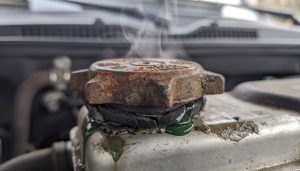
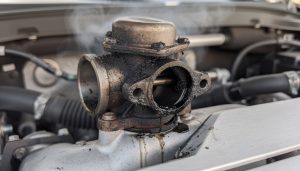
One of the persistent engine issues faced by many BMW 3 Series owners, particularly in models from the E90 (2005–2013) and F30 (2012–2019) generations, revolves around the cooling system. The electric water pump, a sophisticated component tied heavily to the car’s ability to maintain optimal engine temperature, frequently presents early failures. When this pump malfunctions, the engine temperature can rise dangerously high, risking significant damage such as warped heads or complete engine failure.
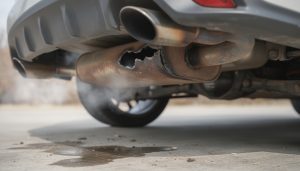
Symptoms are typically subtle at first; an elevated temperature gauge reading, sudden warning lights flashing on the dashboard, or even visible coolant leaks under the vehicle may all signal cooling system distress. If you ignore these signs, the financial consequences can escalate quickly.
To mitigate this risk, I strongly advise preemptive action: replace the electric water pump and thermostat at intervals between 60,000 and 100,000 miles, well before failure occurs. Using BMW-specific coolant is vital to prevent corrosion and wear inside the cooling passages, ensuring the longevity of your system.
💡 Expert Tip: Regularly check your coolant level and inspect for drips especially after long drives. Catching a failing cooling component early can save you thousands in repairs.
Delving deeper, these cooling issues can be exacerbated by the software glitches managing temperature sensors or radiator fan control. Software updates from BMW service centers often address these problems, balancing hardware care with proper electronic management.
Common Signs of Oil Leaks and How to Tackle Them in the BMW 3 Series
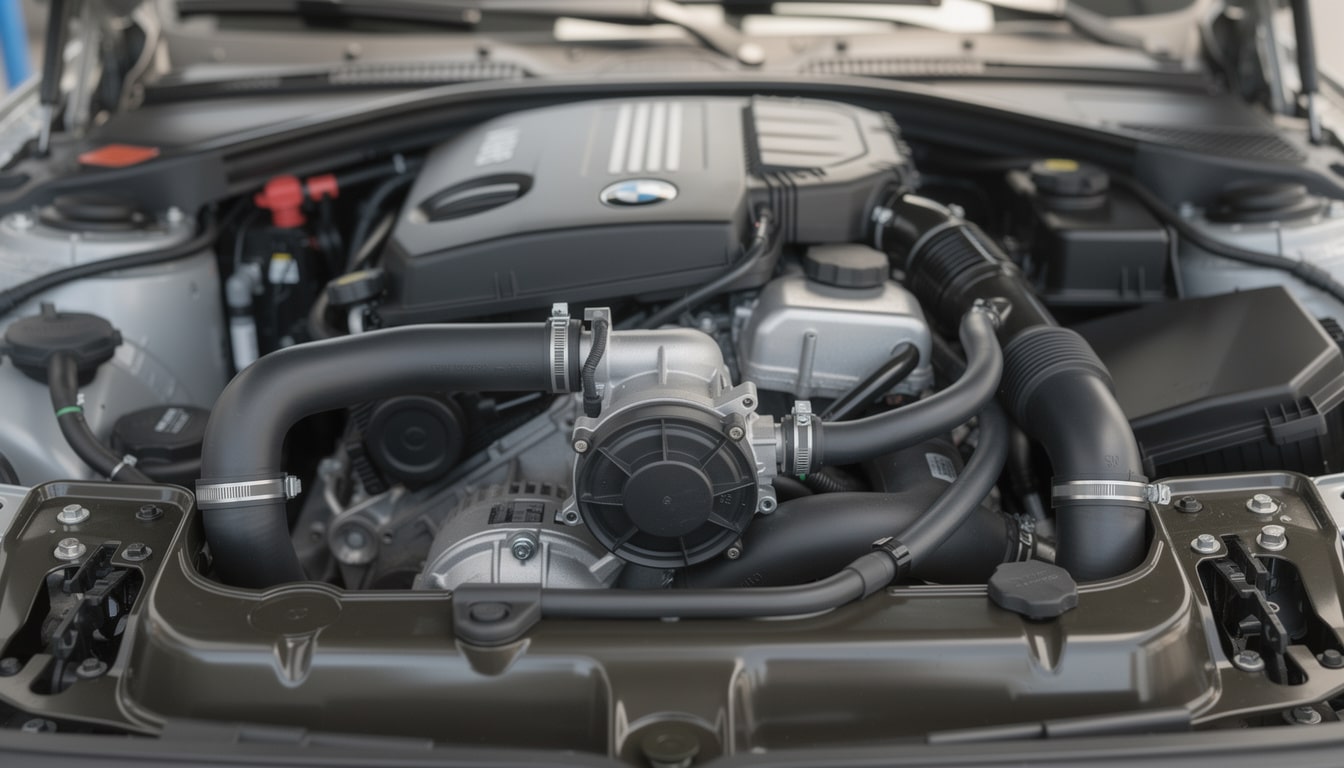
Oil leaks in the BMW 3 Series are more than a cosmetic nuisance; they’re a telltale sign of aging gaskets and seals, particularly visible in models equipped with the N52 and N55 engines. The two usual suspects are the valve cover gasket and the oil filter housing gasket, both of which tend to degrade over time and mileage, allowing oil to seep out and, if left unchecked, cause damage to surrounding components.
Drivers often notice this issue through a distinct burning oil smell, noticeable oil puddles where they park, or warning indicators related to low oil levels. Neglecting oil leaks not only compromises engine lubrication but also introduces the risk of fires or costly secondary failures.
Replacing these gaskets promptly is essential. Furthermore, routine oil changes using high-quality synthetic oil help preserve gasket integrity and reduce premature wear. This creates a seal of protection that keeps oil consumption in check and prolongs your engine’s health.
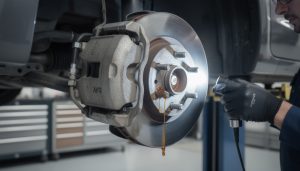
In addition to gaskets, watch out for signs of brake wear caused by oil contamination on brake components, which can jeopardize safety.
💡 Expert Tip: When servicing oil leaks, ask your mechanic to inspect for hidden leaks around the oil pan gasket and camshaft seals – problems often found when primary gasket repair is underway, saving you repeat visits.
BMW 3 Series Electrical Faults: Troubleshooting Common Glitches and Damages
The luxury of BMW’s tech features comes with a trade-off; electrical faults can be persistent in the 3 Series, impacting the driving experience. Across the E90, F30, and more recent G20 models from 2019 onwards, owners report a spectrum of problems related to battery drains, alternator failures, faulty window regulators, and glitchy iDrive infotainment units.
Symptoms might include flickering interior lights, frequent battery replacement needs, or an iDrive system that freezes and becomes unresponsive — a maddening experience given its central role in controlling multimedia and vehicle settings. Stubborn windows refusing to operate smoothly are another daily irritant linked to failing window regulator motors.
Routine battery health checks are crucial, and software updates from BMW dealerships commonly resolve iDrive bugs. For window issues, complete replacement of the regulator assembly is usually necessary, as repairs tend to be temporary fixes at best.
Firmly addressing these software glitches and electrical problems avoids unexpected breakdowns and keeps the 3 Series’ hallmark driving enjoyment intact.
Turbocharger and Performance Problems in BMW 3 Series Turbo Models
Turbocharged variants of the BMW 3 Series, especially those equipped with the N54 and N55 engines found in 335i models (produced between 2007 and 2016), often contend with engine issues like premature turbo failures and annoying wastegate rattles. Wastegate wear leads to noisy rattling sounds, reduced boost pressure, and thus noticeable drop-offs in power and throttle response.
Other warning signs include an unusual whistling noise from under the hood or the illumination of the check engine light, all pointing toward turbocharger component degradation. If left unattended, this can escalate to full turbo failure, requiring a costly replacement.
Early detection is critical. Many owners have found success with wastegate repairs or upgrades that improve durability and stave off total replacement. If the turbo is extensively worn, opting for a new or reconditioned unit is the most reliable solution.
Maintaining good oil quality and flow is imperative to turbo longevity, as oil starvation accelerates wear.
Worn Suspension Parts and Their Impact on BMW 3 Series Handling and Safety
One exactly appreciated feature of the BMW 3 Series is its sharp suspension setup, which delivers excellent road feel and driver engagement. However, it comes with a downside: components like control arm bushings, shocks, and struts tend to wear out faster when the vehicle is driven aggressively or on poor road surfaces.
Signs such as clunking noises over bumps, uneven tire wear, and loose steering response suggest that suspension components are in decline. This wear can negatively affect the car’s handling precision and safety, leading to costly repairs if neglected.
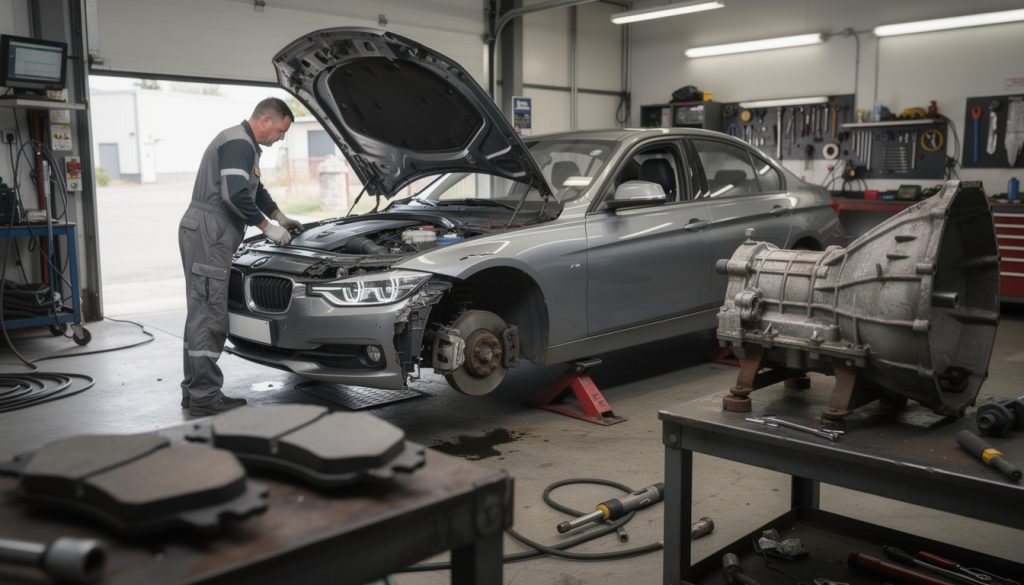
Inspection of these parts during scheduled maintenance is crucial. Replacing worn bushings and shocks with OEM or upgraded aftermarket components restores steering responsiveness and ride comfort.
For those looking to enhance their 3 Series’ driving experience, opting for performance suspension kits can provide a balance of sportiness and durability on rough roads.
Typical Timing Chain Failures in BMW N20 Engines and Preventive Care
The N20 engine, powering various 3 Series models between 2012 and 2017, is known for its tendency to suffer from timing chain stretch or failure. Located at the rear of the engine, the timing chain’s deterioration often manifests as a distinct rattling noise at startup, misfires during acceleration, or laggy engine performance.
I cannot overstate the importance of timely intervention here. Should the timing chain snap, it can cause catastrophic engine damage. Proactive replacement around the 100,000-mile mark is a wise preventative measure, especially if abnormal noises arise.
Regular diagnostic scans revealing timing chain tensioner faults or worn guides can save thousands in repair costs. This is yet another reason to consider investing in a diagnostic scanner to monitor your engine issues before they spiral out of control.
| Issue | Common Symptoms | Common Fix | Estimated Repair Cost |
|---|---|---|---|
| Engine Overheating | High temperature gauge, coolant leaks | Replace water pump & thermostat | Approx. $800 – $1,200 |
| Oil Leaks | Burning smell, oil puddles | Replace valve cover and oil filter gaskets | $300 – $700 |
| Electrical Faults | Battery drain, flickering lights, iDrive crashes | Battery & alternator check, software update | $150 – $500 |
| Turbocharger Issues | Loss of power, rattles, check engine light | Wastegate repair or turbo replacement | $800 – $2,000+ |
| Suspension Wear | Clunks, uneven tire wear | Replace bushings, shocks, struts | $400 – $1,000 |
| Timing Chain Failure | Rattling, misfires, sluggishness | Timing chain replacement | $1,000 – $1,500 |
For more detailed insight into specific BMW models, you might find value in reviews on related series such as the BMW Serie 4 problems or issues common to the BMW Serie 1 range. These can provide a broader perspective on recurring faults within the BMW brand family.
Are turbocharger problems common in all BMW 3 Series engines?
Turbocharger issues are mostly reported in models with N54 and N55 engines, especially earlier production years between 2007 and 2016. Naturally aspirated engines typically do not have these problems.
How often should I replace the timing chain on my BMW 3 Series?
For N20 engines, timing chain replacement is recommended around 100,000 miles or if you notice rattling noises and performance issues indicating stretch or wear.
What maintenance helps prevent electrical faults in the BMW 3 Series?
Regular battery checks, ensuring software updates are performed, and prompt repair of window regulators and alternators are key to reducing electrical faults.
Is the BMW 3 Series prone to suspension damage from rough roads?
Yes, aggressive driving or poor road conditions lead to faster wear of suspension components such as bushings and shocks, impacting handling and comfort.
Can I expect coolant leaks on newer BMW 3 Series models?
While more common in older E90 and F30 models, coolant leaks can occasionally occur in newer cars due to gasket wear or minor cooling system component failure.