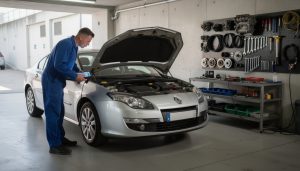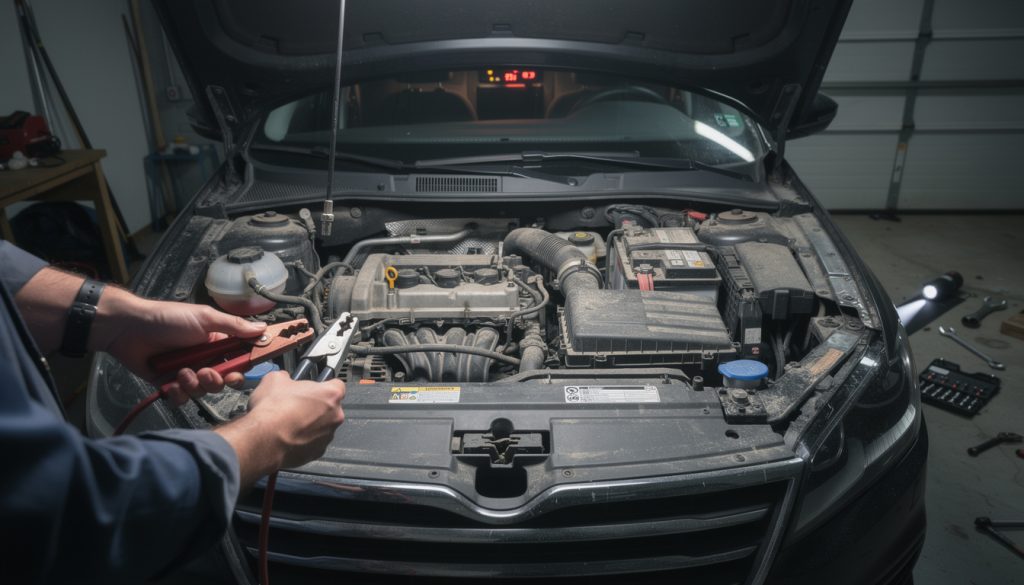
Nothing is more frustrating than turning the key and hearing… silence. A car that won’t start can disrupt your day and leave you stranded. Various issues cause this problem, from a dead battery to complex fuel system problems. Understanding the root causes and applying precise car troubleshooting tips can save time, money, and stress. This guide covers key reasons your car won’t start and how to approach engine troubleshooting efficiently in 2026’s automotive landscape.
Key Takeaways :
- Dead batteries are the most common cause of a no-start condition.
- Starter motor issues often produce a clicking sound but no cranking engine.
- Fuel system problems, like clogged fuel filters or empty tanks, cause the engine to crank but not start.
- Faulty ignition switches can prevent cranking or cause engine stalling after starting.
- Security system faults with immobilizers can block engine start, especially with weak key fob batteries.
When Your Car Won’t Start: Diagnosing No-Crank Conditions
The scenario is all too familiar: you turn the key, dashboard lights flash, but the engine refuses to crank. This is often related to electrical system failures.
Dead Battery: The Primary Suspect
By far, the most frequent reason for engine starting failure is a dead or weak battery. Batteries fail due to age, infrequent driving, or harsh weather conditions. For instance, in cold climates, batteries discharge quicker, leading to a frustrating no-start situation. You can perform a quick test: turn on your headlights. If the lights are dim or do not turn on, the battery likely needs charging or replacement.
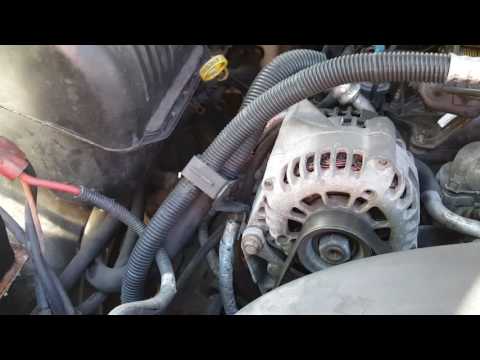
Jump-starting your car is a temporary fix, but if the battery continues to lose charge, the alternator might be failing. Alternators charge the battery when your engine runs; a malfunction here demands swift attention.
Corroded or Loose Battery Terminals
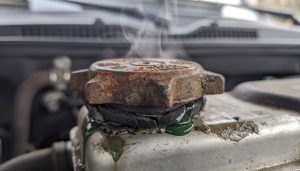
Even with a charged battery, poor electrical contact from dirty or loose terminals can interrupt vital power flow. Acid corrosion or accumulated debris may build an insulating layer, reducing conductivity drastically. Cleaning the terminals with a baking soda solution and ensuring a tight fit can often restore sufficient power for engine cranking.
Starter Motor Problems
If a quick battery diagnosis doesn’t fix the issue, the starter motor becomes the next focus. A frequent symptom is a rapid clicking noise when you turn the key, indicating the starter is trying to engage but can’t turn the engine over. This could stem from worn brushes, a faulty solenoid, or wiring faults. Using a voltmeter to check starter circuits can confirm these suspicions before committing to costly replacements.
Ignition Switch Failure
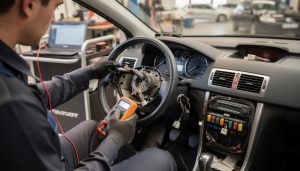
Ignition switches control power flow to starter motors and other systems. Failure here can leave you with a dead ignition despite a solid battery and starter. One telltale sign is when the key returns to the off position immediately after turning, causing the car to stall or fail to crank. Diagnosing this may require testing continuity or total replacement of the switch.
Steering Lock Jams
Don’t overlook mechanical hindrances like a jammed steering lock, especially if your key refuses to turn after parking tightly against a curb or wall. This physical blockage prevents the ignition from turning, which is often resolved by gently wiggling the steering wheel while rotating the key.
Engine Cranks But Won’t Start: Troubleshooting Fuel and Ignition Systems
The engine cranks, but the car refuses to fire up. This distinction is critical: power is reaching the starter motor, but fuel or spark issues might be at play.
Fuel Supply Problems
Out of fuel? It sounds obvious, but the simplest problem can save you hours of confusion. Check your fuel gauge and watch for the low fuel light. Carrying a small reserve container can prevent you from walking to the nearest fuel station. If running empty is frequent, inspect for possible fuel leaks or a faulty fuel gauge sensor.
Clogged Fuel Filters
The fuel filter traps impurities to protect vital components like injectors and pistons. Over 15,000 to 20,000 miles, filters clog up and impede fuel flow. When fuel can’t reach the engine, starting problems emerge. Regularly scheduled maintenance or early replacement if you notice hesitation or sputtering can prevent this problem.
Spark Plug Wear and Faults
Spark plugs generate the critical spark igniting your air-fuel mixture. With time, carbon build-up and electrode wear increase the spark gap, making cold start-ups especially tough. Testing spark plugs for gap and condition, and replacing them every 30,000 to 50,000 miles, ensures optimal ignition performance. Faulty spark plugs can trigger a check engine light, guiding your car troubleshooting tips process effectively.
Fuel Pump and Injector Issues
Fuel pumps pressurize the fuel system, while injectors deliver precise amounts to cylinders. A failing pump or clogged injector leads to starting struggles or stalling. A mechanic can perform pressure tests on the pump and inspect injector spray patterns for efficiency. Ignoring these can cause costly damage.
Other Ignition Problems
Malfunctioning ignition coils or failed sensors like the crankshaft position sensor can cause the engine to crank without starting. These often trigger the check engine light, signaling the need to scan the car’s onboard diagnostics system for specific fault codes.
Security System Faults Preventing Car Start
Modern cars incorporate advanced immobilizers linked to key fobs, blocking engine start if authentication fails. A common issue arises when the key fob battery dies, leaving no signal for the system to disarm.
Key Fob Battery
Checking and replacing the key fob battery regularly prevents unexpected immobilizer lockouts. Many vehicles allow a manual override by holding the fob near the “start” button or a sensor to bypass weak transmissions.
Reprogramming and Expert Help
If a spare key still fails to start the car, the immobilizer system might require reprogramming. This task generally involves specialized diagnostic tools and should be done by a professional technician.
Preventive Checks and When to Seek Professional Repairs
Understanding symptoms and performing some basic checks can save time:
- Check battery voltage with a multimeter.
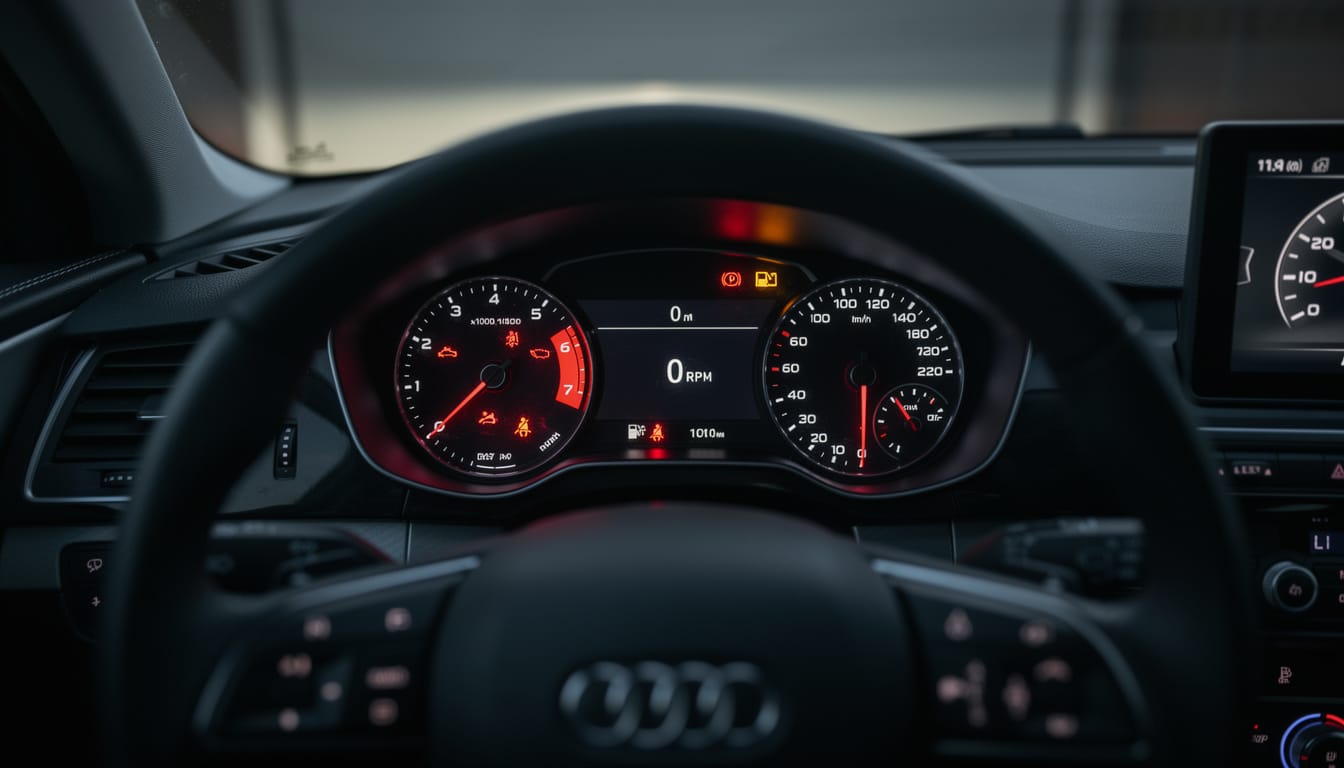
- Observe dashboard lights for error codes or warnings.
- Listen for unusual clicking or grinding noises during ignition.
- Inspect fuel levels and fuel pump sounds.
- Check spark plug condition during scheduled maintenance.
Here’s a table summarizing common no-start symptoms, causes, and potential repair costs:
| Symptom | Likely Cause | Estimated Repair Cost (USD) | Severity |
|---|---|---|---|
| Engine won’t crank, no sounds | Dead battery or loose terminals | $50 – $150 (battery replacement) | Low |
| Clicking sound, no engine turn | Starter motor failure | $150 – $400 | Medium |
| Engine cranks but no start | Empty fuel tank, clogged filter | $30 – $100 (filter/fuel refill) | Low to medium |
| Engine stalls after starting | Ignition switch or fuel pump | $100 – $300 | Medium |
| Car immobilized by security system | Faulty key fob or system fault | $50 – $250 (fob battery/reprogram) | Medium |
Ignoring persistent no-start conditions risks serious damage to the starter motor or alternator. Additionally, excessive cranking beyond 15 seconds can accelerate wear and cause battery drain.

One more aspect to monitor is engine flooding, especially in older vehicles. If the engine starts and stalls quickly, it may have too much fuel and not enough air. Starting the car with the accelerator pressed down can help clear this, but only briefly to avoid starter motor damage.
For those wanting to learn more about related automotive problems such as power loss or common vehicle issues, I recommend checking resources like causes of car losing power and common Mercedes A-Class issues. These demonstrate how sometimes multiple systems interplay causing starting challenges.
Why does my car engine crank but fail to start?
This typically indicates fuel delivery or ignition issues, such as empty fuel tank, clogged fuel filter, or faulty spark plugs preventing proper combustion.
Can a dead battery cause the check engine light to come on?
Usually no, but a weak battery can trigger electrical glitches, which may cause the check engine light to illuminate due to sensor misreadings.
How long can I crank the engine without causing damage?
Avoid cranking continuously for more than 15 seconds to prevent overheating and damage to the starter motor and battery. Allow a short pause before retrying.
What should I do if my car key won’t turn in the ignition?
Try gently wiggling the steering wheel as the lock might be jammed. If this doesn’t help, the ignition switch or steering lock mechanism may need professional inspection.
How often should I replace spark plugs to avoid startup problems?
Spark plugs should generally be replaced every 30,000 to 50,000 miles depending on the vehicle and spark plug type, to maintain optimal engine performance.