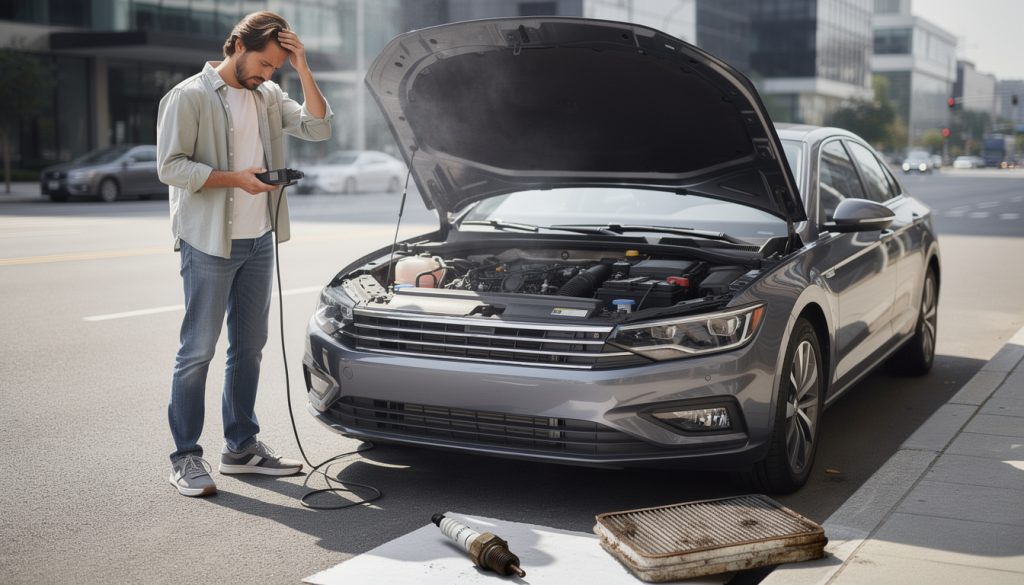
Experiencing car power loss unexpectedly can be frustrating and even dangerous. Whether you’re cruising on the highway or climbing a steep hill, a noticeable drop in your vehicle’s engine performance should never be ignored. The reasons behind this sudden weakness are often linked to various systems such as the fuel system, ignition system, or even the exhaust system. Identifying the root cause quickly not only helps restore your car’s power but ensures safer driving on the road.
Key Takeaways :
- Car power loss often points to fuel delivery or air intake problems.
- Faulty spark plugs and ignition system components commonly reduce engine efficiency.
- Clogged air filters and exhaust blockages choke engine combustion.
- Diagnostic trouble codes can guide pinpointing electrical or sensor failures.
- Basic vehicle troubleshooting can save costly repairs and prevent breakdowns.
Why Your Car Loses Power: Understanding Fuel System Issues
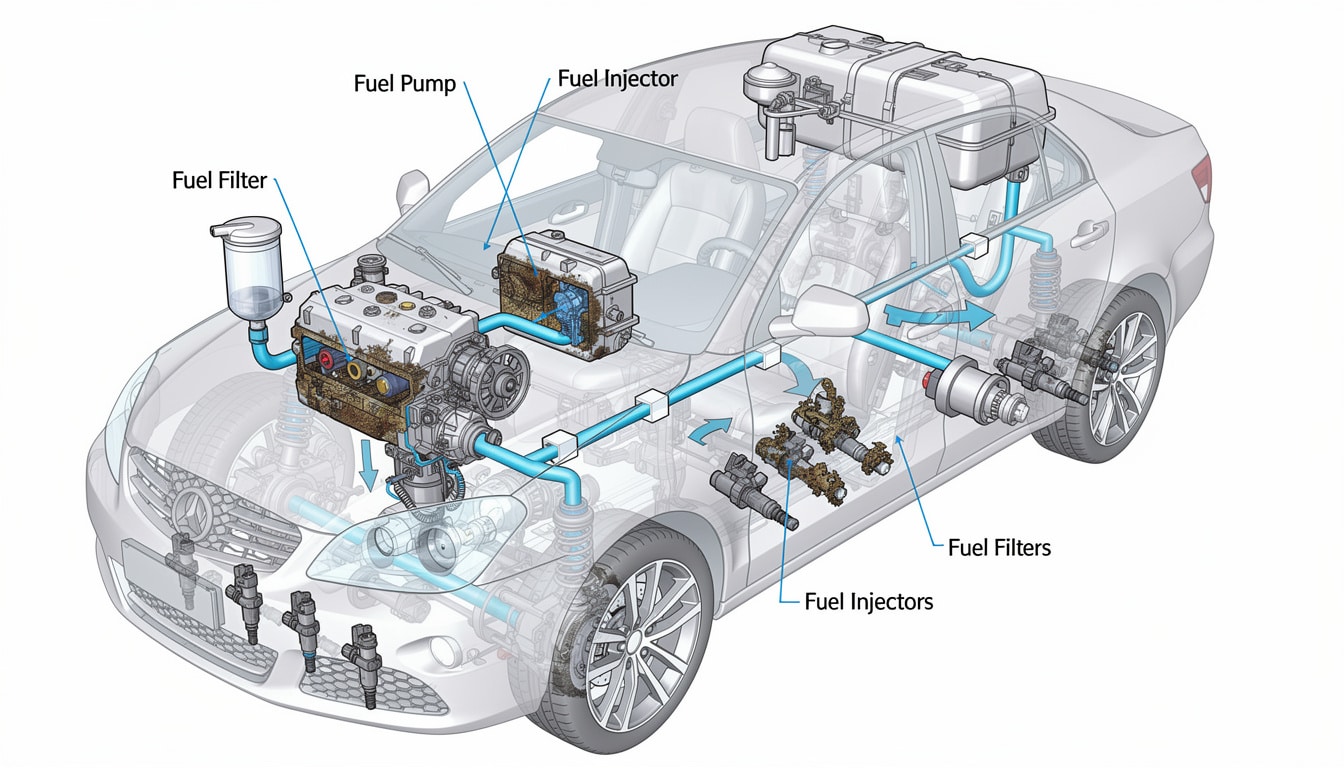
The fuel system plays a pivotal role in delivering the right amount of fuel to keep the engine running smoothly. If fuel doesn’t flow correctly, the car will lose power, especially during acceleration or when climbing inclines.
One common culprit is a clogged fuel filter. Over time, these filters collect dirt and debris that can severely restrict fuel flow. When driving conditions require more power, such as overtaking or hill climbing, the lack of fuel results in hesitation and insufficient acceleration.
Fuel injectors are equally vulnerable. Deposits and grime can block these tiny nozzles, disrupting fuel spray and combustion efficiency. This issue often causes engine misfires, stalling, and sometimes the smell of fuel around the vehicle as unburnt gasoline escapes.
For diesel vehicles, the diesel particulate filter (DPF) is another potential problem area. The DPF traps harmful particles but can become clogged if the vehicle is frequently driven in city traffic without reaching highway speeds. This blockage can trigger limp mode, restricting the car’s power output significantly until the filter is cleaned.
Lastly, a failing fuel pump can starve the engine of fuel. Symptoms include sputtering at high speeds, difficulty starting, or sudden power drops. A fuel pump replacement costs around $400 to $700 depending on the make and model, but detecting the issue early can prevent more costly engine damage.
💡 Expert Tip: Regularly replace fuel filters and clean injectors during scheduled maintenance. This will maintain optimal fuel flow and prevent unexpected car power loss.
Exhaust System Problems That Cause Engine Power Loss
The exhaust system is often overlooked when diagnosing lost power, yet its role is critical. The engine relies on efficiently expelling exhaust gases to draw in fresh air for combustion. Any blockage or malfunction can reduce engine output severely.
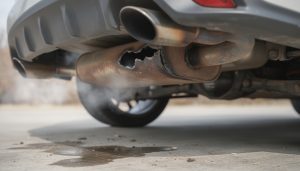
A common issue is a backfiring exhaust, often caused by an improper air/fuel ratio. When unburned fuel ignites inside the exhaust pipe, it leads to popping sounds and a loss of acceleration. While this is a symptom rooted in the fuel system, it disrupts the engine’s smooth operation and cuts power.
Another common problem is a blocked catalytic converter. This component filters harmful gases but can get clogged over time, preventing exhaust flow and reducing combustion efficiency. Symptoms include sluggish acceleration, engine overheating, and sometimes a sulfur-like smell.
Clogged or damaged exhaust pipes themselves can also restrict gas flow. Objects like leaves, dirt, or old debris sometimes block the tailpipe, especially if the vehicle is parked outside. This simple obstruction creates a significant performance drop that’s easy to investigate and fix.
Understanding causes and solutions of car backfires can help pinpoint whether your exhaust or fuel system is the real issue during power loss.
Signs Your Exhaust System Needs Attention:
- Decreased acceleration or throttle response
- Unusual popping or backfiring noises
- Strong sulfur or rotten egg odor
- Engine overheating or stalling
- Check engine light activation

Engine Components and Sensors Impacting Vehicle Power
Sometimes the problem lies deeply within the engine performance itself, stemming from components or sensors that regulate combustion timing and air intake.
The turbocharger is a prime example. It forces extra air into the engine, boosting power output. Issues like leaks in the turbo tubing or blockage from dirt and leaves can reduce air supply. Poor turbo function leads directly to sluggish acceleration and reduced power. Regular checks and cleaning help maintain its efficiency; ignored turbo problems often cause more extensive engine damage.
Tech insights on turbocharger failure signs detail how to detect these issues before they turn serious.
The timing belt is crucial for synchronization within the engine. Incorrect tension or damage here causes valves to misfire and poor combustion, manifesting as rattling noises and a stark decrease in power. Despite being rarer, timing belt problems demand immediate attention to avoid severe engine damage.
Poor compression inside cylinders, caused by worn valves, gasket leaks, or piston issues, reduces the engine’s ability to generate power. Detecting compression loss requires specialized diagnostic tools but often presents as sluggish acceleration and increased fuel consumption.
Equally vital is the air filter. As the engine’s oxygen source, a dirty or clogged air filter restricts airflow, starving combustion and dropping power. Replacing your air filter every 15,000 to 30,000 miles keeps your engine breathing freely and performing optimally.
Electrical and Sensor Faults That Reduce Engine Power
Modern vehicles rely heavily on electronic systems to optimize power and efficiency. Electrical faults can trigger a reduction in performance by causing the engine to enter a protective limp mode.
An illuminated engine warning light is a clear sign that there’s a problem restricting power output. This light often relates to diagnostic trouble codes (DTCs) stored in the vehicle’s computer system, which mechanics use to identify faults quickly.
Faulty spark plugs and ignition system components are among the leading causes of power loss. Spark plugs ignite fuel in each cylinder; worn or fouled plugs cause misfires, reducing combustion efficiency and power. Typically, spark plugs last up to 100,000 miles, but early wear leads to rough idling and poor acceleration.
Defective ignition coils that fail to supply adequate voltage to spark plugs manifest in similar symptoms and can eventually prevent the car from starting.
Sensor malfunctions, such as a faulty camshaft position sensor, mass airflow sensor (MAF), or oxygen sensor, also degrade engine performance. These sensors provide key data to the electronic control module (ECM) that adjusts fuel injection and ignition timing. Failure here disrupts the delicate balance required for peak power.
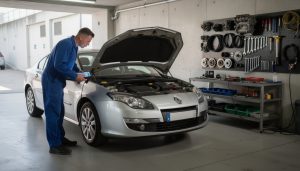
Diagnosing these faults early using an OBD-II scanner can save time and repair costs. Regular maintenance of the ignition system and sensors is crucial for preventing unexpected failures.

Cooling System Problems Leading to Power Reduction
Maintaining optimal engine temperature is essential for consistent power delivery. If the cooling system fails or the vehicle overheats, engine performance will suffer.
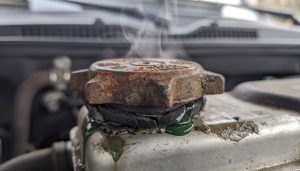
High ambient temperatures naturally strain the cooling system, but if your car experiences power loss even in cooler weather, this signals possible issues such as a faulty thermostat, leaking coolant, or failing water pump. Overheating triggers the engine management system to reduce power, protecting the engine from damage.
Neglecting cooling problems can lead to engine warping, gasket failure, or even total engine failure — repairs that often cost thousands of dollars.
| Common Cooling System Problems | Symptoms | Estimated Repair Cost |
|---|---|---|
| Faulty thermostat | Engine overheating, erratic temperature gauge | $150 – $300 |
| Water pump failure | Coolant leaks, overheating, noise | $300 – $750 |
| Radiator leaks/clogs | Coolant loss, inconsistent engine temperature | $200 – $600 |
💡 Expert Tip: Regular coolant flushes and inspections can keep the cooling system efficient and prevent costly engine overheating issues.
Essential Vehicle Troubleshooting Tips to Restore Engine Power
When tackling car power loss, the fastest path to a solution lies in systematic troubleshooting:
- Check for diagnostic trouble codes using an OBD-II scanner to identify sensor or system faults.
- Inspect ignition components such as spark plugs and coils for wear or damage.
- Assess fuel delivery: clean or replace clogged fuel filters and consider fuel injector cleaning.
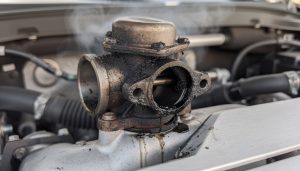
- Examine air intake paths, including the air filter and throttle body for blockages or dirt.
- Inspect exhaust for blockages, damaged catalytic converter, or signs of backfiring.
- Test engine compression and listen for unusual noises like rattling indicating timing belt issues.
- Monitor coolant levels and system performance to rule out overheating causes.
By following these steps, many drivers can resolve common causes of power loss quickly without immediate professional help. However, persistent or complex symptoms require expert diagnostics and repairs.
Understanding ignition switch indicators can also provide clues when troubleshooting electrical issues affecting vehicle performance.
What are the first signs my car is losing power?
Common signs include sluggish acceleration, engine hesitation on hills, rough idling, and illuminated engine warning lights.
Can dirty spark plugs cause car power loss?
Yes, worn or fouled spark plugs result in misfires that reduce combustion efficiency, causing noticeable power drops.
Is a clogged air filter a serious issue?
While not immediately dangerous, a clogged air filter limits airflow, leading to poor engine performance and increased fuel consumption.
How much does fixing a blocked catalytic converter usually cost?
Cleaning or replacing a catalytic converter typically ranges from $500 to $2500, depending on vehicle type.
When should I seek professional vehicle troubleshooting for power loss?
If you experience persistent power loss, misfires, or engine warning lights that don’t resolve with basic checks, visit a mechanic promptly.