The BMW 6-Series has long been celebrated for its thrilling blend of luxury, performance, and striking design, making it a coveted choice among automotive enthusiasts. However, beneath its refined surface lurk persistent challenges that owners and prospective buyers should be aware of. From electrical faults to mechanical wear, the 6-Series, spanning multiple generations, has a variety of issues frequently reported by drivers. Understanding these common problems is invaluable—not just to avoid unexpected repair bills—but to appreciate the engineering complexity that defines this model.
As you navigate the exciting world of the BMW 6-Series, recognizing the nuances of its typical faults will equip you to make informed decisions about maintenance, repairs, and even purchasing second-hand models. This detailed exploration dives deep into the most frequent concerns, coupling technical insights with real-world examples to provide a comprehensive perspective on what owning a 6-Series truly entails.
Key Takeaways:
- Electrical faults in infotainment and sensors are a persistent issue, often disrupting user experience.
- Convertible roof mechanisms in coupe models frequently malfunction, primarily due to sensor or motor failures.
- Twin turbo diesel engines are susceptible to turbocharger failures causing power loss and noise issues.
- Suspension components, especially front strut spring cups, wear prematurely, risking suspension collapse.
- Gearbox-related problems notably with automatic transmissions (jerky shifts, thumping signals) require timely attention.
Common Electrical Faults Affecting the BMW 6-Series
One of the most recurrent complaints from BMW 6-Series owners revolves around electrical faults. These issues often present themselves in the form of malfunctioning sensors, persistent battery drain, and erratic behavior of the infotainment system. Such problems, while not catastrophic to vehicle operation, can severely degrade the user experience and, if left unchecked, lead to further complications.
For instance, the convertible roof owners experience frequent issues where the roof refuses to open or close properly due to failing position sensors. This malfunction often triggers continuous dashboard alerts indicating the roof is ajar when it is physically secured. Underlying these frustrations is usually an electrical fault within the sensor circuits that can be resolved by replacing the faulty sensors. This repair, though relatively straightforward, highlights the complexity of BMW’s integrated electronic systems that are vital for smooth operation.
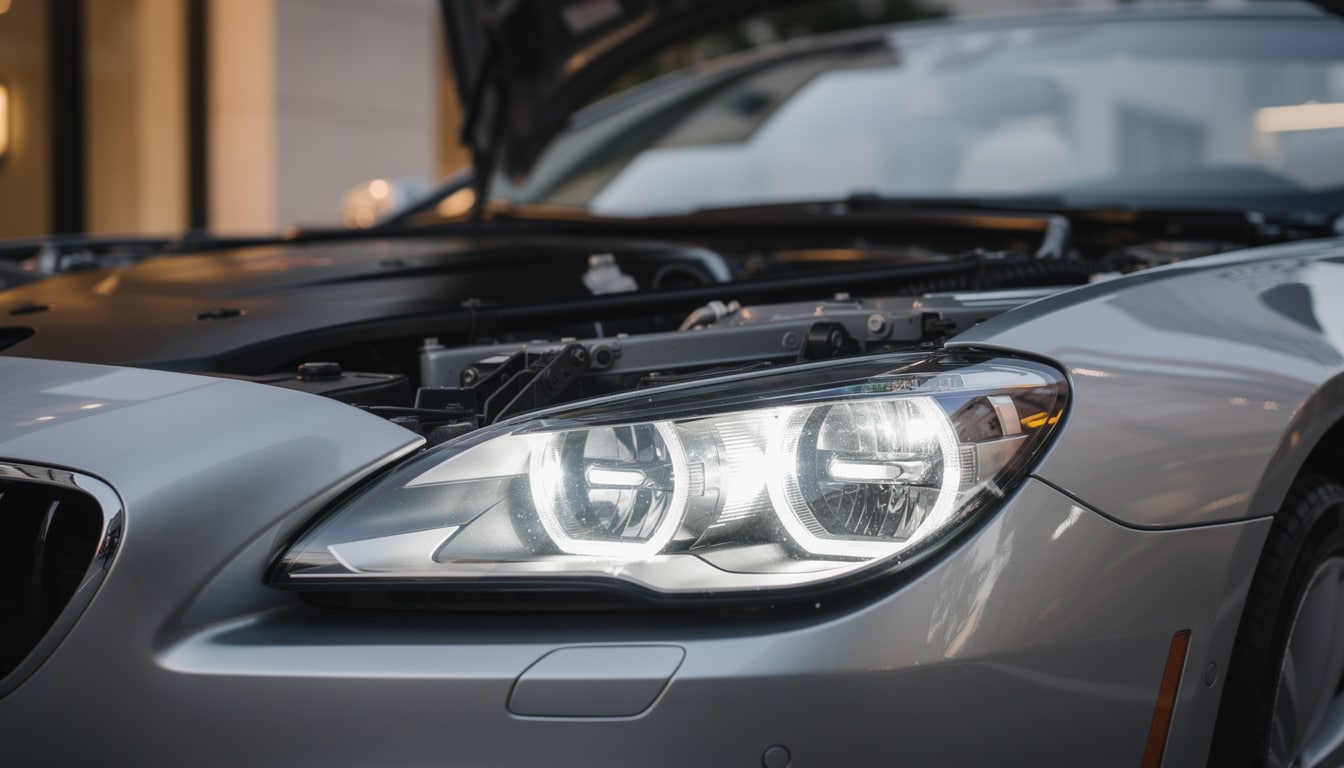
Another common electrical nuisance is headlight condensation. Moisture build-up inside the headlamp housings can cause fogging and eventually damage the internal wiring. While the official fix typically involves replacing the headlight unit—a costly endeavor—many owners resort to practical DIY solutions such as drilling a small drainage hole at the base of the headlamp to allow moisture to escape, effectively preventing condensation. Addressing condensation early is crucial as neglect can lead to wiring corrosion, further escalating repair costs.
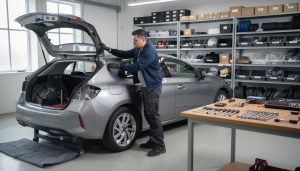
Water ingress into the boot compartment is another prevalent problem linked to failing boot seals. Detecting damp carpet in the trunk early on is essential. If water leaks persist, they can damage vital electrical components housed within the boot area, potentially resulting in expensive electrical repairs. Promptly replacing worn or cracked seals is a preventative measure that can preserve the integrity of the vehicle’s electrical system and interior finish.
Mechanical Challenges in the BMW 6-Series: Engine and Suspension Woes
The mechanically inclined will find that the 6-Series is no stranger to challenges related to its powertrain and suspension systems. A standout concern involves the twin turbo diesel engines particularly prone to turbocharger failure. Owners often report loud whistling noises and noticeable power shortages during acceleration, with some instances showing black smoke emissions from the exhaust, signaling turbine malfunction. Given that these diesel variants use two turbos, diagnosing the faulty unit accurately is essential before ordering replacements, ensuring the car returns to optimal performance.
Suspension wear is another critical issue, especially in older 6-Series models. The front strut spring cups, which are crucial components sitting atop suspension dampers, have a tendency to deteriorate or “rot,” increasing the risk of suspension failure. This kind of failure can cause instability in handling and, in extreme cases, total suspension collapse, posing significant safety hazards. Regular suspension inspections and timely swaps of worn parts are imperative to mitigate this risk.
Steering-related problems also surface occasionally, commonly linked to active steering faults triggered by low power steering fluid levels or battery inconsistencies. These glitches can manifest as warning lights on the dashboard or a heavier steering feel, impacting driver control and comfort.
Gearbox issues form another disturbing category for some 6-Series owners, particularly those equipped with automatic transmissions. Complaints about sluggish gear shifting, unexpected thumping during downshifts, or delayed response can indicate problems like low transmission fluid or failing pressure sensors. Failing to address these signs swiftly might necessitate expensive gearbox repairs or replacements. Thus, regular transmission service and fluid checks become indispensable.
Engine Troubles and Their Impact on BMW 6-Series Reliability
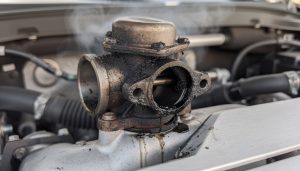
BMW 6-Series engines, especially the powerful V8 petrol variants, are known for delivering exhilarating performance. Yet this power is accompanied by a susceptibility to specific issues. Oil leaks, excessive oil consumption, and failures of critical components such as the camshaft position sensor are reported frequently. Operating under high pressure, these V8 engines place immense strain on hoses and thermostats, which over time can deteriorate, leading to failures that might include devastating ruptures of the coolant expansion bottle.
Diesel models also exhibit problems with crank dampeners and inlet manifold leaks, requiring early detection to prevent severe damage. If these faults escalate unchecked, owners may face the uncomfortable prospect of expensive engine or transmission replacements—considerable investments that emphasize the importance of diligent maintenance.
These mechanical vulnerabilities underscore the fundamental necessity for regular inspections and proactive part replacements. While the BMW 6-Series remains a symbol of performance and luxury, respect for its engineering quirks ensures smoother ownership experiences.
What Buyers Should Consider About BMW 6-Series Reliability and Maintenance Costs
Prospective buyers often ask: “Is the BMW 6-Series reliable?” The answer hinges largely on the vehicle’s maintenance history and the model year. Well-maintained examples, especially from more recent generations, tend to exhibit robust reliability profiles. Conversely, earlier models or those neglected in upkeep reveal a gamut of the previously mentioned issues, lowering overall dependability.
Cost of maintaining a BMW 6-Series is another pressing factor. Routine servicing, genuine parts replacements, and timely repairs contribute to an annual maintenance expense usually between £600 and £1,000. This estimate fluctuates depending on vehicle age and whether service is performed at independent garages or authorized dealerships, with the former typically offering more economical rates.
Understanding common problems is just the beginning. Strategic maintenance—such as frequent oil changes, suspension inspections, and checkups of turbo and transmission components—can significantly delay the onset of costly repairs, thereby preserving both the vehicle’s utility and resale value.
Choosing to source replacement parts wisely can also affect the overall expenditure. Genuine BMW components ensure optimal compatibility and longevity, but high-quality used parts can present a cost-effective alternative for some repairs without sacrificing performance.
| BMW 6-Series Component | Common Issue | Estimated Repair Cost (£) | Recommended Maintenance Frequency |
|---|---|---|---|
| Convertible Roof Sensor | Sensor failure causing roof operation issues | 350 – 600 | Every 3 years / as symptoms appear |
| Turbocharger (Diesel models) | Turbo failure leading to power loss and noise | 1,200 – 2,500 | Inspection every 40,000 miles |
| Front Strut Spring Cup | Wear and potential suspension collapse | 400 – 800 | Check during annual suspension service |
| Camshaft Position Sensor (Engine) | Sensor failure causing engine management issues | 200 – 400 | Every 60,000 miles or when faults appear |
| Gearbox Pressure Sensor | Shift delays and jerky transmission | 600 – 1,200 | Fluid check every 30,000 miles |
Essential Maintenance Practices to Avoid BMW 6-Series Frequent Issues
Addressing common faults in the BMW 6-Series goes hand in hand with a disciplined maintenance strategy. Many frequently encountered problems can be mitigated or outright prevented through practical, routine care measures that owners can integrate into their vehicle upkeep schedules.
- Regular fluid checks and replacements: Engine oil, transmission fluid, and coolant must be monitored closely to prevent leaks and overheating.
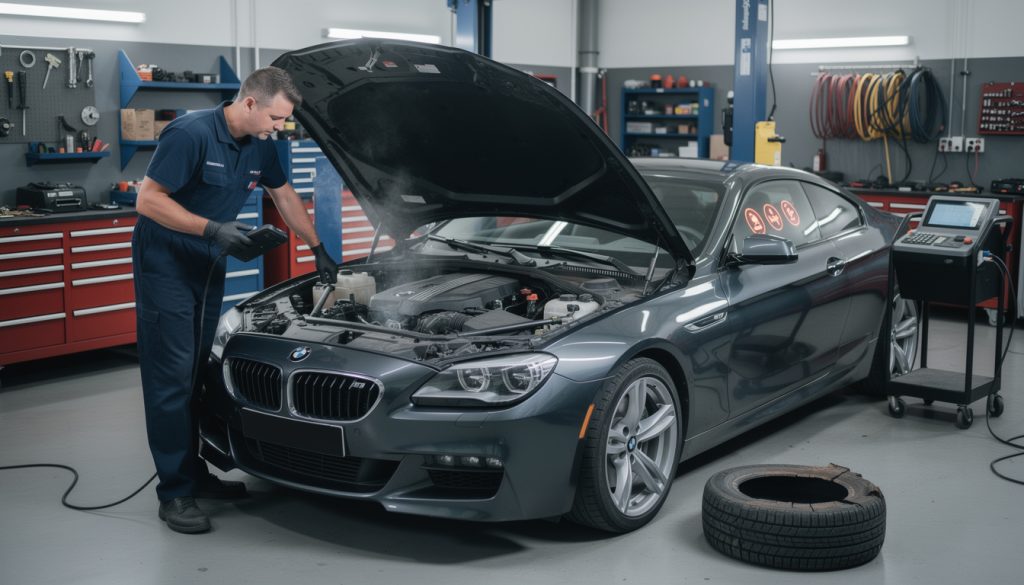
- Periodic inspection of electrical components: Sensors, wiring, and infotainment systems benefit from professional diagnostics to catch early signal degradations.
- Suspension and steering system inspections: Paying special attention to the front strut spring cups can prevent catastrophic failure and sustain driving comfort.
- Convertible roof mechanism examinations: Lubricating joints and replacing faulty sensors ensures smooth operation and avoids expensive repairs.
- Turbocharger health monitoring (diesel variants): Listening for unusual noises and checking power delivery can preempt costly turbo failures.
💡 Expert Tip: Always seek diagnostics at a garage specialized in BMW vehicles; their familiarity with intricacies like transmission pressure sensors can lead to swifter and more accurate repairs.
What are the most common electrical problems in the BMW 6-Series?
Common electrical issues include convertible roof sensor failures, headlight condensation affecting wiring, and battery drain problems related to infotainment and sensors.
How can I prevent suspension failure in my BMW 6-Series?
Regularly inspect and replace worn front strut spring cups and keep the suspension system serviced. Avoid delaying repairs when you notice handling instability or unusual noises.
Are turbocharger issues limited to diesel BMW 6-Series models?
Yes, turbocharger problems predominantly affect diesel versions equipped with twin turbos, leading to power loss and unusual noises requiring timely replacements.
What maintenance cost should I expect annually for a BMW 6-Series?
Annual maintenance costs typically range between £600 and £1,000, with variations depending on whether services are done by independent garages or dealerships and the vehicle’s age.
Is the BMW 6-Series a reliable grand tourer?
The BMW 6-Series can be reliable if well maintained, but owners must remain vigilant about common issues such as engine leaks, suspension wear, and electrical faults to ensure longevity.