Maintaining a healthy engine demands more than just regular oil changes; it also requires keen attention to critical components like the oil sump. This vital part, often overshadowed by other maintenance priorities, serves as the primary reservoir for engine oil, ensuring proper lubrication and cooling. When the oil sump begins to fail, it can silently cause oil leaks and gradual degradation of your engine’s performance, potentially escalating to severe engine damage if left unaddressed.
Recognizing the early warning signs of a declining oil sump is essential for any vehicle owner committed to thorough vehicle maintenance. Whether you drive on highways, rough terrains, or navigate city streets, the oil sump can incur damage from multiple stressors. From unnoticed puddles beneath your car to unusual noises from the engine bay, these symptoms can help you identify issues before they balloon into costly repairs.
Key Takeaways:
- Oil leaks manifesting under the vehicle often point directly to a compromised oil sump.
- Warning lights related to oil pressure can be early indicators of sump issues requiring immediate attention.
- Reduced oil levels without apparent cause should prompt a thorough vehicle inspection for potential sump leaks.
- Engine overheating and odd engine noises are symptoms of insufficient lubrication caused by sump failure.
- Repair costs for sump replacement vary but prompt action can prevent expensive engine overhauls.
Recognizing Critical Symptoms of a Failing Oil Sump: What Every Driver Should Know
Spotting the initial signs of oil sump deterioration is pivotal in protecting your engine’s longevity and sustaining optimal driving performance. Unlike more obvious car problems, a faulty oil sump can develop quietly yet progressively, allowing oil to leak and reducing lubrication efficiency.
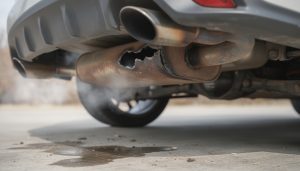
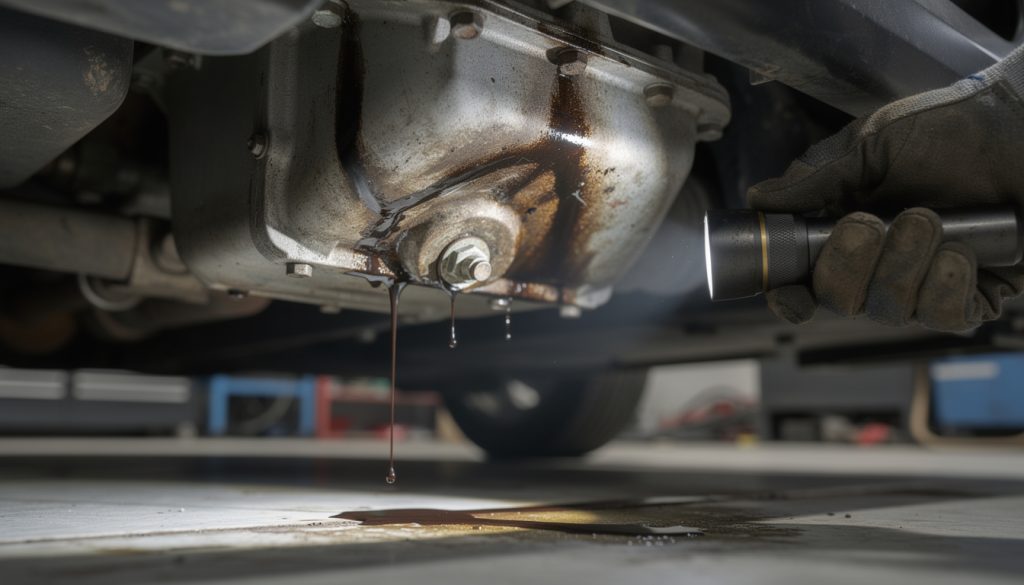
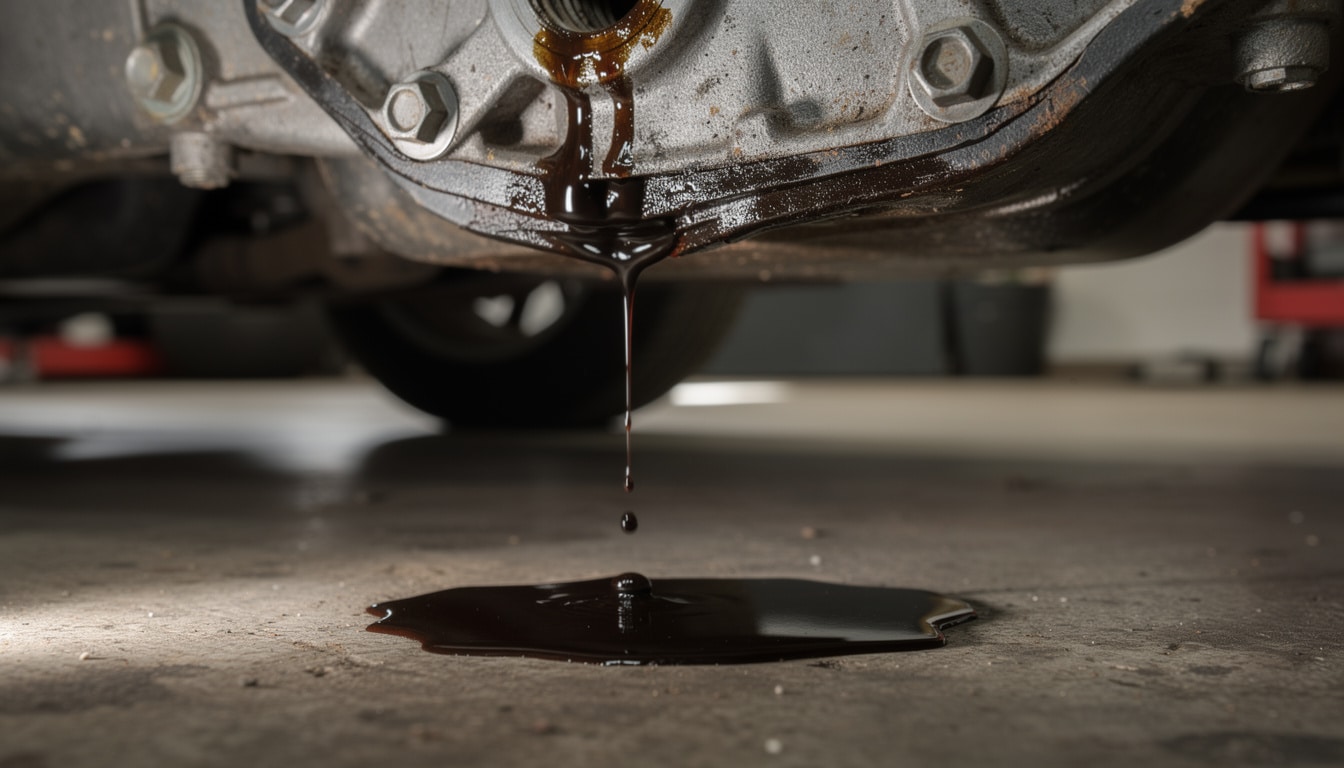
One common and unmistakable symptom is the appearance of oil puddles beneath your vehicle after parking. These puddles are more than just stains; they signal a breach in your oil containment system, often localized to the sump. This leak not only reduces the oil level but also exposes engine parts to increased friction.
An illuminated oil pressure warning light on your dashboard is another urgent signal. This light generally indicates the oil pump is struggling to maintain proper pressure, which can be due to an insufficient supply of oil from a leaking sump. When this light flickers or stays on, immediate action is essential to prevent engine damage.
Another indicator comes in the form of engine overheating. A damaged oil sump often leads to a decrease in oil volume, which impairs the engine’s ability to cool itself. This overheating can cause the temperature gauge to spike and may be accompanied by a faint burning smell or even visible smoke under certain conditions.
Some car enthusiasts have reported noticing unusual engine noises such as ticking or knocking. These sounds often stem from parts inside the engine operating without adequate lubrication, a direct consequence of oil sump failure. Additionally, an oil-coated undercarriage is frequently observed, especially near the bottom of the vehicle, indicating continual leaking from the sump area.
💡 Expert Tip: Regularly checking your vehicle’s oil level with a dipstick can provide early warnings. A sudden drop in oil without visible leaks is a strong hint that your sump might have a hidden issue.
Understanding the Root Causes of Oil Sump Damage and Malfunction
The reasons behind oil sump deterioration often go beyond normal wear and tear. Knowing these causes assists in both prevention and timely repair. Damage typically arises from external impacts, environmental factors, and maintenance mishaps.
Road debris, speed bumps, and rough terrains constantly pose risks to the oil sump. This vulnerable component, located underneath the engine, can suffer dents or cracks upon hard impact. Off-road vehicles or those frequently traversing uneven surfaces are especially susceptible. Such physical damage can cause immediate or gradual oil leaks.
Corrosion is another frequent culprit. Exposure to moisture, particularly in coastal areas or regions that use road salt extensively during winter, accelerates the rusting process on the oil sump’s metal surface. This weakens its structure and leads to vulnerabilities where oil can seep through.
Mechanical wear and tear is an inescapable consequence of the engine’s heat cycles and vibrations. Over years, the continuous heating and cooling cause subtle expansion and contraction, which can loosen seals or deform the oil pan, allowing oil to escape.
Maintenance errors also contribute significantly. Incorrect installation of the oil drain plug, use of inferior sealing compounds, or neglecting to clean contact surfaces during oil changes can prevent a proper seal from forming. Similarly, worn or damaged gaskets surrounding the oil sump lose their sealing capabilities, creating leakage points.
Another factor involves stripped drain plug threads. When the threads are damaged, the drain plug cannot fit securely, causing leaks even if the plug appears tightly fastened. Addressing such issues promptly ensures sustained engine oil integrity.
Oil sump issues appear in a broad range of vehicles, including well-known problematic models like the Kia Sportage or certain versions of the Volvo XC60, where owners have reported sump-related problems exacerbated by rough driving conditions or neglected maintenance.
Common Causes of Oil Sump Faults Summarized
- Physical damage from road hazards and off-road conditions
- Corrosion due to moisture and road salt exposure
- Fatigue from thermal cycling and engine vibrations
- Poor maintenance and incorrect sealing during oil changes
- Stripped threads on drain plugs causing insecure seals
Diagnosing Oil Leaks Beyond the Sump: Other Likely Sources
While the oil sump is a primary location for oil leaks, it’s not the only suspect in case of low oil levels or unexplained drops in oil pressure. A comprehensive vehicle inspection must consider other components that can equally compromise engine lubrication.
The oil filter is a frequent cause of leaks if improperly installed or damaged. Over-tightening the filter during oil changes can damage its sealing ring, causing oil to drip. Equally, an old or faulty oil filter gasket might fail, creating slow leaks that affect oil levels over time.
The valve cover gasket is another notorious leaking spot. Continuous exposure to engine heat can cause this gasket to warp or degrade. When the tight seal between the cover and the engine block breaks, oil can escape and drip down the engine sides, sometimes mimicking sump leaks.
Lastly, the oil pump itself can be problematic. If the pump’s seal weakens or the pump malfunctions, it may increase the internal oil pressure inadvertently, pushing oil past seals and gaskets. This effect results in leaks from various points across the engine block, complicating diagnosis.
Comparing Common Oil Leak Sources
| Component | Typical Problem | Effect on Engine | Ease of Repair |
|---|---|---|---|
| Oil sump | Cracks, dents, gasket wear | Oil leak, low oil pressure, overheating | Moderate difficulty, requires sump removal |
| Oil filter | Poor install, seal damage | Slow oil leaks, reduced oil level | Easy; filter replacement |
| Valve cover gasket | Wear, warping | Oil seepage, engine bay contamination | Moderate; gasket replacement |
| Oil pump | Pump failure, seal leak | Increased oil pressure, multiple leaks | Difficult; pump replacement needed |
Costs and Considerations for Oil Sump Replacement and Repair
Understanding the financial impact of oil sump repair helps you weigh your options effectively. The cost to replace or repair a faulty oil sump can vary broadly, typically ranging between £130 and £300 in most cases. This depends heavily on the make and model of your vehicle, the quality of replacement parts, and labour rates in your region.
For instance, vehicles with complex undercarriage designs or sump shields, like some BMW and Audi models, might incur higher labour charges due to the required dismantling. Conversely, simpler models might allow for quicker, more economical repairs.
Choosing between a new or used oil sump is another consideration. While used parts can reduce immediate costs, they may carry risks like hidden damage or shorter lifespan. New OEM parts ensure a perfect fit and longer durability but come at a premium price.
Prompt repair or replacement of a leaking sump not only reduces oil waste but also preserves engine performance and prevents costly damage. Ignoring leak symptoms often leads to increased oil consumption and, eventually, engine breakdowns with repair bills reaching thousands.
💡 Expert Tip: If your vehicle is experiencing recurring sump problems, consider a full engine inspection to rule out related issues affecting the longevity of sump repairs.

Driving Safety and Risks Associated with a Leaking Oil Sump
Handling a leaking oil sump requires immediate attention due to its potential hazards. Driving with insufficient oil not only risks debilitating engine damage but also compromises safety on the road. Oil leaks can cause slippery surfaces, endangering both the driver and others.
Many drivers underestimate the seriousness of an oil sump leak, considering it a minor inconvenience while continuing to operate their vehicle. This is a risky practice. Reduced oil pressure results in insufficient lubrication, causing excessive engine wear and overheating. In the worst cases, total engine seizure can occur.
Additionally, leaked oil can come into contact with hot engine components such as the exhaust manifold, creating fire hazards. Therefore, professional repair should be prioritized immediately after detecting sump leaks to maintain both vehicle reliability and road safety.
For peace of mind while driving, ensure regular checks and timely servicing of your engine’s lubrication system, particularly the oil sump. The risks of ignoring these caution signs far outweigh the inconvenience of a repair appointment.

How do I know if my oil sump is leaking?
Look for oil puddles under your car, a drop in oil level, unusual engine noises, or warning lights on the dashboard indicating low oil pressure. Regular checks with a dipstick also help track oil consumption.
Can a damaged oil sump cause engine overheating?
Yes, a faulty oil sump reduces oil quantity and flow, which impairs engine lubrication and cooling. This leads to increased friction and elevated engine temperatures, potentially causing overheating.
Is it safe to drive with an oil leak?
It is not advisable. Oil leaks reduce lubrication and can create slippery road surfaces. Continued driving can lead to severe engine damage and increase safety risks.
What is the approximate cost to replace an oil sump?
Typical replacement costs range from £130 to £300, depending on the vehicle’s make, model, and labour rates. Prompt repairs can help avoid more expensive engine damage.
What other parts besides the sump might cause oil leaks?
Oil leaks can also stem from damaged oil filters, valve cover gaskets, or faulty oil pumps. Comprehensive inspection is necessary to correctly identify the source.