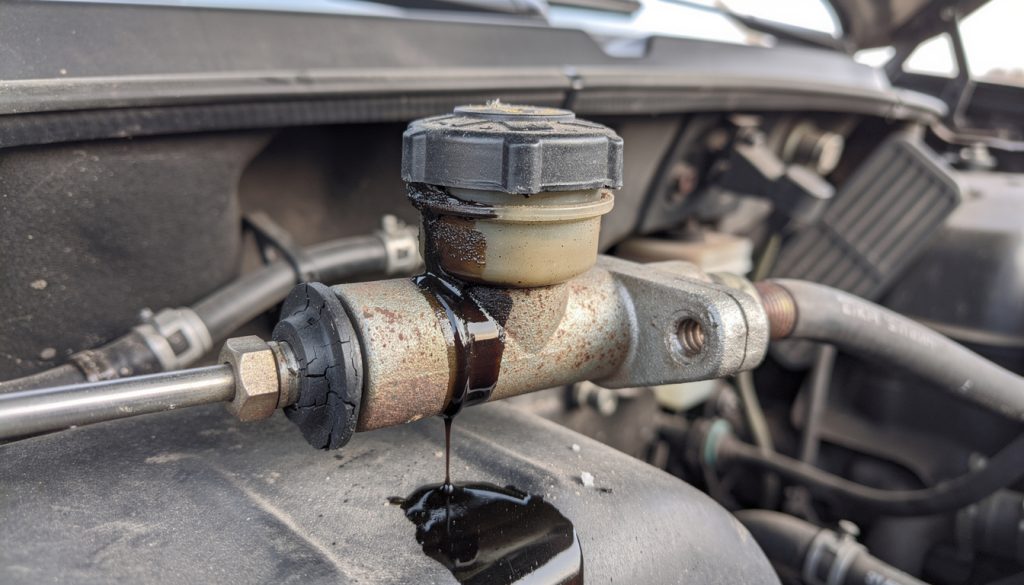
The clutch master cylinder is a vital component in manual transmission vehicles, ensuring smooth gear shifts and optimal vehicle control. Ignoring its early warning signs can lead to costly repairs or even dangerous driving conditions. In this article, I dive deep into the mechanics behind the clutch master cylinder, the unmistakable signs signaling its decline, and practical advice for timely intervention to maintain your vehicle’s performance and safety.
Key Takeaways:
- Clutch master cylinder converts your pedal pressure into hydraulic force to disengage gears smoothly.
- A soft or spongy clutch pedal often indicates hydraulic issues or fluid leaks.
- Grinding gears, difficulty shifting, or clutch slippage are telltale signs of clutch master cylinder failure.
- Timely inspection and replacement prevent severe transmission problems and stalling.
- Replacement costs typically range from £140 to £275, varying by vehicle model and labor.
Understanding the Role of the Clutch Master Cylinder in Vehicle Control
The clutch master cylinder is a deceptively small yet crucial part of the manual transmission system. Situated in the engine bay, it’s filled with hydraulic fluid, a medium that translates your foot’s movement on the clutch pedal into mechanical action within the transmission. When you press the clutch pedal, a piston moves inside the cylinder, pushing the hydraulic fluid through pipes to the clutch slave cylinder, which in turn disengages the clutch plate from the flywheel. This action is what allows smooth gear engagement and prevents gear grinding or engine stalling.
Failing to maintain this component properly can compromise the entire hydraulic system controlling the clutch mechanism. For instance, if the seals inside the master cylinder wear out or if there is a clutch fluid leak, air may enter the system. This air reduces hydraulic pressure, causing effects like a spongy clutch pedal or incomplete clutch disengagement. Without sufficient pressure, the clutch plate won’t fully separate from the flywheel, which can lead to clutch slippage, erratic clutch engagement, and ultimately, transmission damage.
It’s worth noting that the clutch master cylinder is distinct from the clutch slave cylinder, yet both operate collaboratively within the hydraulic clutch system. Problems with either component can trigger similar symptoms, but focusing on the master cylinder-specific indicators can help pinpoint the root cause earlier.
In many modern vehicles, manufacturers have optimized the clutch hydraulic systems to minimize leaks and prolong lifespan. Nevertheless, due to normal wear and tear or contamination of the hydraulic fluid (which should never be confused with regular brake fluid but often shares similar characteristics), these systems inevitably need attention. Staying vigilant about the clutch master cylinder’s condition contributes hugely to maintaining vehicle control and driving safety.
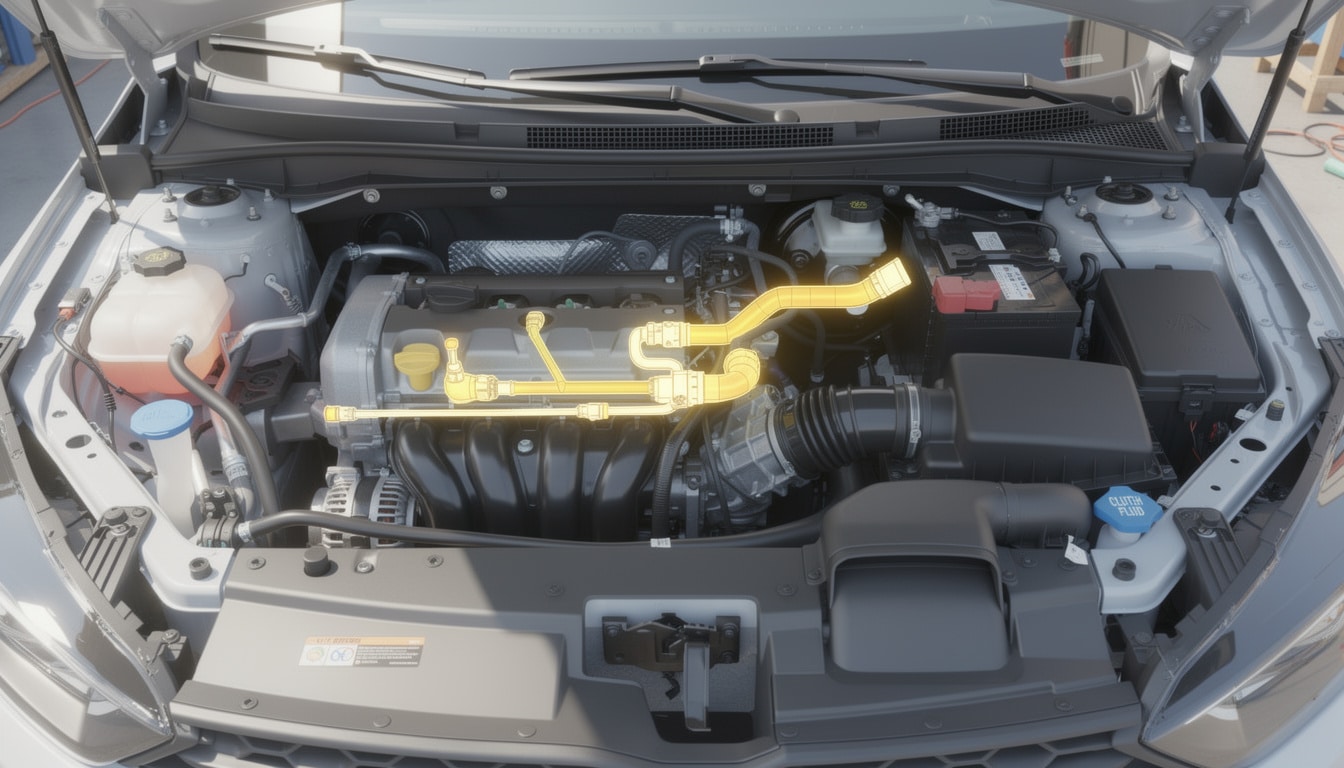
7 Signs Your Clutch Master Cylinder Requires Immediate Attention
Spotting problems with your clutch master cylinder early makes a significant difference. Addressing these signs promptly safeguards your transmission and overall driving safety. Here are the seven key symptoms that should not be ignored:
- Low or dark clutch fluid: Regularly check the clutch fluid reservoir. A drop in fluid levels without visible external leakage may mean hidden clutch fluid leaks under the driver’s side, sometimes absorbed by the carpet. Also, dark or dirty fluid indicates contamination that impairs hydraulic efficiency, pointing toward a failing master cylinder.
- Difficulty changing gears: If shifting gears becomes laborious, accompanied by grinding noises or vibrations through the pedal, the clutch master cylinder may not be producing adequate pressure to disengage the clutch fully. This leads to troublesome gear engagement and increases wear on transmission components.
- Loss of power or stalling: A serious symptom is the failure of the clutch to disengage, causing your engine to stall, especially noticeable when pressing the clutch pedal under load. Such a condition is a clear indicator of clutch hydraulic system failure often rooted in the master cylinder’s malfunction.
- Soft or spongy clutch pedal: Pressing the clutch pedal should offer firm resistance. If it feels unusually soft, spongy, or sinks to the floor, hydraulic pressure is insufficient, usually due to internal leaks or the intrusion of air bubbles within the system.
- Hard or sticky clutch pedal: Contrasting the soft pedal, a hard or sticky pedal may reflect restricted fluid flow caused by clogged passages or damaged seals within the master cylinder. This compromises vehicle control and translates to jerky or effortful clutch operation.
- Erratic clutch bite point: A fluctuating or altered bite point — the position where the clutch engages — signals inconsistent hydraulic pressure. This can make the clutch pedal more difficult to predict, often changing engagement behavior day-by-day, uncomfortable for the driver and risky for transmission longevity.
- Visible clutch fluid leaks or wetness near the firewall: Leaking hydraulic fluid around the clutch master cylinder area inside the engine bay or beneath the dashboard is an unmistakable warning. Such leaks undermine the entire hydraulic system and demand immediate repair.
Neglecting these signs may escalate transmission problems or even cause total clutch failure, risking safety on the road. These symptoms frequently appear in various popular models—if you own a BMW X1, you might be interested in common problems noted for this model, where clutch-related issues occasionally surface.
💡 Expert Tip: Always inspect the clutch fluid regularly and inspect beneath the driver’s side carpet if fluid levels drop unexpectedly. This simple check can save you from expensive repairs later.

Diagnosing and Fixing a Failing Clutch Master Cylinder: Practical Advice
Before jumping to replace the clutch master cylinder, a thorough diagnosis is essential. Sometimes, symptoms mimic problems with the clutch slave cylinder or other transmission components, so a systematic approach helps avoid unnecessary costs. A mechanic typically examines hydraulic pressure, inspects seals, and checks the clutch fluid condition. Testing for air in the hydraulic system involves bleeding the clutch—but this can be more intricate than brake line bleeding due to unique clutch system configurations.
Once the clutch master cylinder is confirmed to be the fault, replacing it is the next step. This involves removing the faulty cylinder, installing a new or refurbished unit, and rigorously bleeding the hydraulic lines to purge any trapped air, ensuring optimal hydraulic pressure is restored. Some cars even require specialized equipment for this process.
It’s also important to confirm that replacement parts meet manufacturer’s standards. Using poor-quality or incorrect components can accelerate wear or fail prematurely.
For those noticing symptoms related to the clutch system but unsure if it’s the master cylinder, checking for additional warning signs like faulty clutch slave indicators is advisable. Faults in the slave cylinder can present similarly, so distinguishing between them ensures the correct fix.
Common mistakes to avoid during clutch master cylinder replacement
- Ignoring system bleeding after replacement, leading to persistent sponginess.
- Overlooking surrounding component wear that can stress the new master cylinder prematurely.
- Reusing contaminated or inadequate clutch fluid, which impairs hydraulic function.
💡 Expert Tip: Bleeding the clutch hydraulic system properly is as critical as replacing the cylinder itself. Neglect this, and you'll get recurring clutch engagement issues.

Typical Costs and Long-Term Value of Clutch Master Cylinder Repair
When planning for repair, understanding cost factors offers valuable insight. In the UK, the price of replacing the clutch master cylinder averages around £200, although it can range between £140 and £275 depending on the vehicle make, labor charges, and whether OEM or aftermarket parts are chosen.
Here’s a breakdown of what influences these costs:
| Cost Factor | Details |
|---|---|
| Parts | OEM cylinders are generally more expensive but guarantee compatibility and longevity; aftermarket parts save upfront cash but vary in quality. |
| Labor | Specialist workshops may charge more, but benefit from expert handling and proper bleeding equipment. |
| Vehicle Model | Complex or less common vehicles may incur higher parts and labor costs; for instance, some luxury or sports cars require additional components. |
| Additional Repairs | Replacing seals, fluid, or damaged hydraulic lines adds to the final bill but ensures system integrity. |
Investing in timely clutch master cylinder repairs not only restores vehicle control but also prevents secondary damages, ultimately saving money in the long run.
Maintaining Your Clutch Hydraulic System for Long-Term Reliability
Proactive maintenance is key to extending the clutch master cylinder’s lifespan. Regularly check the clutch fluid level and quality, keeping it clean and at manufacturer-recommended levels. Stagnant or contaminated fluid often speeds up seal deterioration and causes air ingress.
Ensure periodic system inspections, especially if you notice any early signs like a change in clutch engagement behavior or irregular pedal feel. Keeping your fluid fresh and the system properly bled is essential. Avoid mixing brake fluid types as some vehicles share reservoirs but demand specific fluid grades.
For enthusiasts or drivers frequently using their clutch aggressively—such as in spirited driving or stop-and-go traffic—routine hydraulic system service gains extra importance. Such usage accelerates wear on seals and increases the risk of leaks.
The complex nature of clutch hydraulic systems makes DIY repairs challenging. Partnering with a trusted mechanic not only confirms diagnostics but also ensures safety, especially with right handling and disposal of hydraulic fluids.
Taking these steps reinforces your vehicle’s smooth gear changes, reducing transmission problems and enhancing driving confidence on any trip.
Can a failing clutch master cylinder cause transmission damage?
Yes, a malfunctioning clutch master cylinder can cause incomplete clutch disengagement, leading to grinding gears and accelerated transmission wear, which may result in costly repairs if left unresolved.
Is it safe to drive with a bad clutch master cylinder?
Driving with a failing clutch master cylinder is risky because it can lead to sudden clutch failure, stalling, or loss of vehicle control. Immediate inspection and repair are recommended for safety.
How often should clutch fluid be checked or replaced?
Clutch fluid should be checked during regular vehicle maintenance, typically every 20,000 to 30,000 miles, and replaced as needed to avoid contamination and maintain hydraulic efficiency.
Can air in the clutch hydraulic system be removed without professional tools?
While minor bleeding can be done at home, completely removing air from clutch hydraulic systems often requires specialized equipment to ensure no residual air remains, which is critical for proper clutch function.
What is the difference between a clutch master cylinder and a clutch slave cylinder?
The clutch master cylinder converts pedal motion into hydraulic pressure, while the clutch slave cylinder receives this pressure to engage or disengage the clutch. Both are integral to clutch operation but function at different points in the system.