Understanding the signs that your ignition switch is wearing out is essential for any driver. This component controls the main electrical circuits necessary for starting and running your car’s engine. When it starts to degrade, you risk dealing with sudden engine failure, persistent car starting issues, or unexpected electrical faults. Addressing these problems early can save you time, expense, and the inconvenience of being stranded.
Key Takeaways :
- Engine fails to start or intermittent power loss are primary warning signs of ignition switch wear.
- If your dashboard lights flicker or electrical accessories behave erratically, the ignition switch might be faulty.
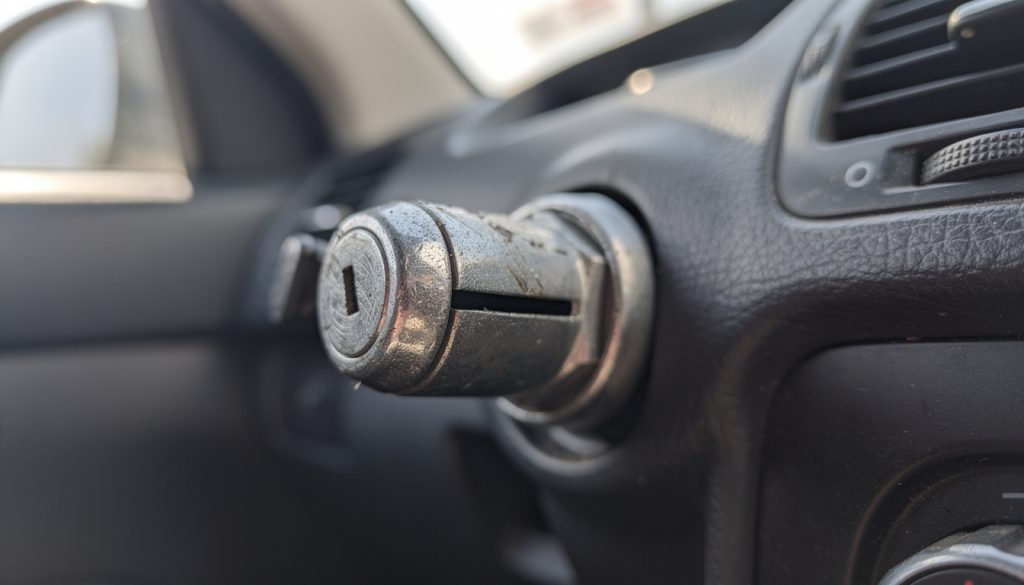
- A key stuck or difficult to turn in the ignition often indicates wear inside the ignition switch cylinder.
- Repeated ignition cycles and heavy keychains accelerate wear and reduce switch lifespan.
- Ignition switch replacement can range from affordable to moderately expensive depending on your vehicle’s make and model.
How the Ignition Switch Controls Your Vehicle’s Electrical System
The ignition switch acts as the gatekeeper of your car’s electrical network. Located usually on the steering column or dashboard, it links your battery to the vehicle’s starter motor and engine control unit when you turn the key. Without a working ignition switch, powering up the engine and all related electrical components is impossible.
When you insert and turn your key, the ignition switch completes electrical circuits that activate the starter motor and fuel system. Modern ignition switches also interact with security systems like immobilizers and transponder chips inside your key, adding a layer of theft protection. This integration means wear on the switch can create security issues or prevent your vehicle from recognizing the key.
For example, I once worked on a 2018 BMW X2 that frequently had starting problems because the ignition switch contacts were corroded. The electrical connection was inconsistent, resulting in intermittent engine starts and dashboard lights flickering. Diagnosing this early prevented a costly tow and a day without transport.
💡 Expert Tip: Keep your keychain light; heavy key bundles can strain the ignition cylinder and accelerate wear on the switch's internal parts.
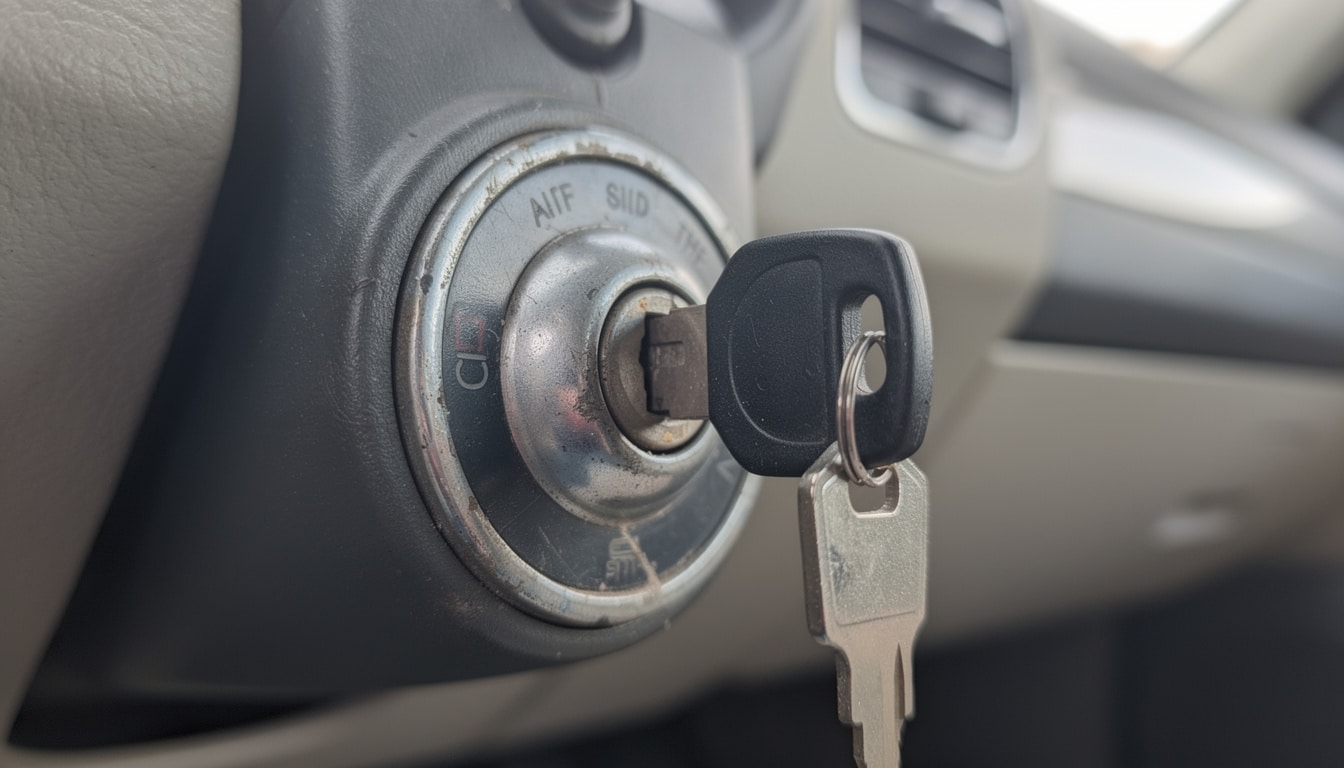
Clear Symptoms of a Faulty Ignition Switch to Watch For
Spotting ignition problems early is vital. Here’s a detailed rundown of common symptoms that indicate your ignition switch is wearing out:
- Engine fails to start: The most obvious sign, where turning the key produces either no response or a clicking noise without ignition. This usually means the electrical path through the ignition switch is compromised.
- Intermittent power loss or stalling: If your engine starts but then stalls unpredictably while driving, it’s often due to inconsistent power supply from a failing ignition switch. This can be dangerous on highways or busy roads.
- Dashboard lights flicker: Flickering or dimming dashboard lights during engine operation often signal loose or worn contacts inside the ignition switch.
- Key stuck or difficult to turn: Internal mechanical wear or debris accumulation can cause your ignition key to jam or resist turning.
- Electrical accessories malfunction: Sudden failure or erratic behavior of your car’s electrical devices such as the radio, air conditioning, or power windows can point to ignition switch issues.
- Immobiliser recognition failure: When the ignition switch cannot properly communicate with the vehicle’s immobiliser chip, your car might fail to start or alert security warnings.
Sometimes, these symptoms overlap with other electrical faults. For example, starting issues may be confused with a dead battery or faulty starter motor. However, if multiple symptoms coincide, suspect the ignition switch as the root cause.
BMW X2 common ignition problems highlight how electrical issues, including ignition switch wear, can affect vehicle reliability and owner satisfaction.
Common Causes Behind Ignition Switch Wear and Failure
Ignition switches rarely fail without cause. Here’s what commonly contributes to their deterioration:
- Repeated use and mechanical wear: Daily starting cycles slowly degrade the internal contacts and components.
- Debris and dirt buildup: Dust and grime entering the ignition cylinder obstruct smooth key rotation and contact integrity.
- Heavy keychains: Carrying a bulky keyring adds strain to the ignition cylinder, accelerating mechanical wear.
- Electrical power surges: Voltage fluctuations or alternator issues can harm the delicate internal electrical contacts.
For instance, elderly Peugeot 406 owners often report ignition-related failures due to debris accumulation and worn switch contacts, which affect their ability to start the car smoothly.
Regular maintenance, such as cleaning the ignition cylinder and limiting keychain weight, can slow down this wear process considerably.
Practical Checks and Immediate Actions for Drivers
If you notice your ignition switch might be wearing out, you can perform simple checks before visiting a mechanic:
- Test the key’s turning ease: Wiggle the steering wheel slightly while trying to turn the key. Difficulty turning can indicate wear or obstruction inside the ignition cylinder.
- Observe dashboard light behavior: Pay attention to flickering or dimming lights as a sign of inconsistent power from the ignition switch.
- Monitor engine behavior: Be alert for intermittent stalling or failure to start despite having a healthy battery and functioning starter motor.
- Check key condition: Inspect your key for worn edges or damage, as a degraded key can worsen ignition issues.
- Listen for unusual sounds: Clicking noises when turning the key suggest electrical contact problems inside the switch.
When confirmed, replacing a faulty ignition switch can be straightforward but should be done promptly. Ignoring these signs risks sudden engine shutdowns or getting stranded unexpectedly.

What to Expect When Replacing Your Ignition Switch
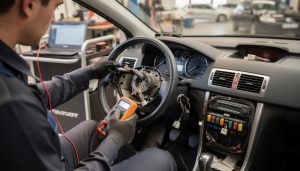
Replacing an ignition switch involves removing the steering column covers, disconnecting wiring harnesses, and swapping out the worn switch. Depending on your vehicle’s make, model, and year, costs can vary:
| Vehicle Type | Typical Cost Range (Parts and Labor) | Repair Complexity |
|---|---|---|
| Common Sedans (e.g., Peugeot 406) | $150 – $300 | Moderate (1-2 hours) |
| Premium Models (e.g., BMW X2) | $300 – $600 | Complex (requires programming & immobilizer sync) |
Choosing between a new or used ignition switch depends on budget and urgency. While used parts cost less, they may wear out sooner. Professional installation is recommended, especially on vehicles with security systems that need programming.

For unrelated maintenance, also consider issues like car door replacement, which can sometimes intertwine with electrical system diagnostics and overall vehicle reliability.
How can I tell if my ignition switch is failing?
Common signs include difficulty starting the car, dashboard lights flickering, the key being hard to turn or stuck, and intermittent engine stalling.
Can a faulty ignition switch cause my car to stall while driving?
Yes, if the ignition switch loses contact internally, it can cut power to the fuel system or engine control module, causing the engine to stall.
Is ignition switch replacement expensive?
Costs vary by vehicle but typically range from $150 to $600 including labor, with luxury models costing more due to complex electronics.
Are ignition switch problems covered under warranty?
It depends on the vehicle’s warranty terms and age. Older vehicles are usually not covered for ignition switch wear.
Can I fix ignition switch problems myself?
Basic troubleshooting like cleaning debris might be possible but full replacement or internal repairs usually require professional tools and knowledge.