Engine misfires remain one of the most frustrating and potentially damaging issues facing modern vehicles today. From everyday commuters to seasoned car enthusiasts, no one likes to experience the unpredictable jolt or sluggishness caused by an irregular spark in the engine’s firing sequence. Understanding the key causes of engine misfires and recognizing the warning signs early can save a vehicle owner from costly repairs and extensive downtime.
When your engine misfires, it doesn’t just affect your immediate driving experience; it signals deeper underlying issues in the ignition system, fuel system, or even the air intake. In this exploration, I’ll dive deep into the technical causes behind engine misfires, explain common symptoms you should never ignore, and offer practical advice on how to detect, diagnose, and remedy these problems before they escalate.
Key Takeaways :
- Engine misfires occur when the fuel-air mixture in one or more cylinders fails to ignite properly.
- Common causes include a faulty spark plug, issues with the ignition coil, and problems in the fuel system or air intake.
- Warning signs include rough acceleration, stuttering at idle, unusual engine noises, and the check engine light illuminating.
- Timely vehicle maintenance and diagnostics are crucial to prevent engine damage due to misfires.
- Ignoring misfires can result in lowered engine performance, increased emissions, and expensive repairs.
What Exactly Is an Engine Misfire and Why It Happens
At its core, an engine misfire occurs when one or more cylinders fail to ignite the air-fuel mixture efficiently. This inefficiency interrupts the normal combustion cycle, causing the engine to “skip” or stutter. Often, this problem can pop up under different driving conditions: idle, acceleration, or cruising at consistent speeds.
The combustion process in internal combustion engines depends on three critical components working in perfect harmony: the optimal fuel-air mixture, a dependable ignition spark, and proper cylinder compression. If any one of these deviates, the cylinder fails to fire correctly.
For example, let’s consider the ignition spark. If a faulty spark plug or an ignition coil isn’t producing the correct voltage or timing, that cylinder will skip its firing sequence, resulting in a misfire.
Similarly, if the fuel injectors responsible for spraying fuel into the combustion chamber become clogged or weakened, the air-fuel ratio diverges from the ideal range. Insufficient or excessive fuel disrupts the combustion process, causing a stall or hesitation. Another typical culprit is a vacuum leak within the intake manifold, which allows unmetered air to enter the engine, upsetting the fuel mixture balance.
Misfires are not merely inconvenient—they can cause serious mechanical issues if ignored. For instance, repeated misfiring can damage catalytic converters by allowing unburnt fuel into the exhaust, generating excess heat and eventually leading to component failure.
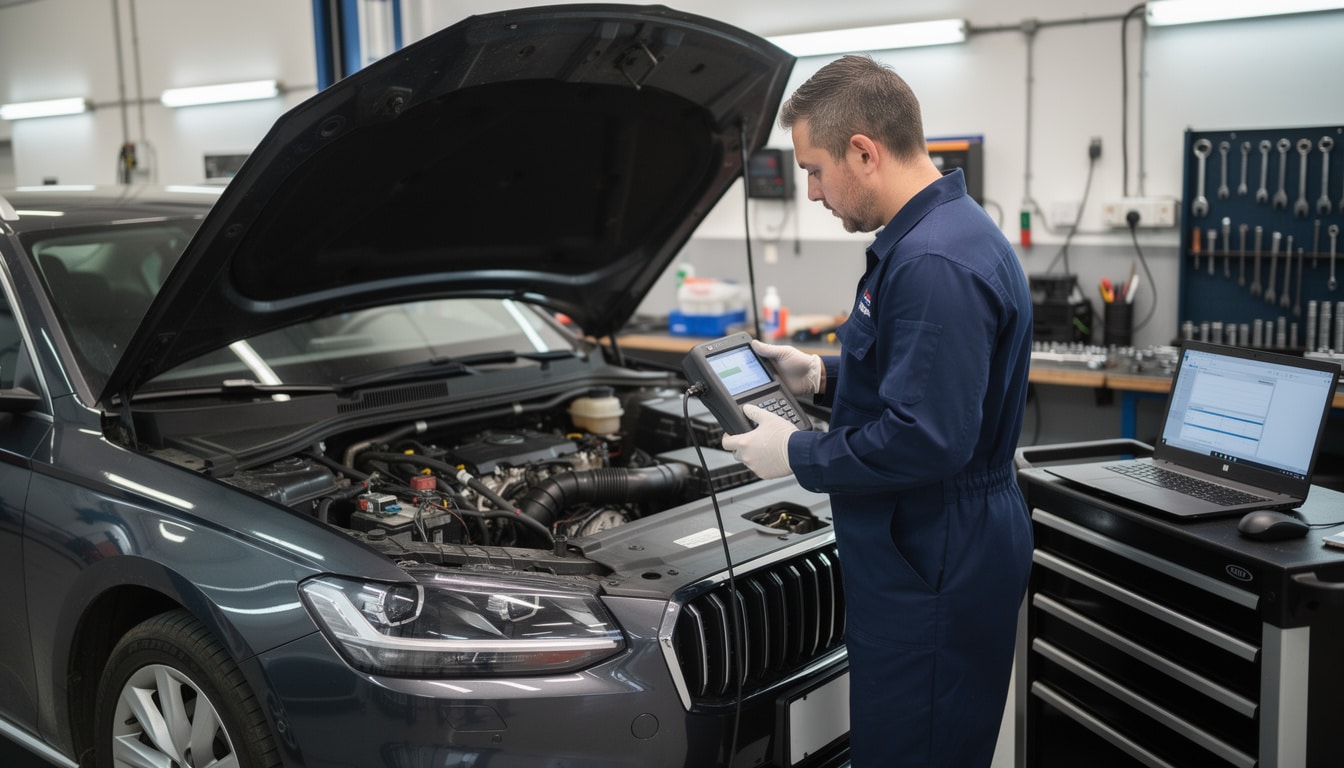
💡 Expert Tip: A detailed diagnostic scan via your vehicle’s OBD-II port is invaluable. It can reveal P0300-P030X codes pinpointing which cylinders are misfiring, saving you time on troubleshooting.
Common Causes of Engine Misfires: Cracks in the System
Engine misfires arise from a variety of sources, but most fall into six main categories. Let’s break them down so you can better identify the root cause of any issues you may be experiencing.
1. Issues with the Ignition System
The ignition system ignites the fuel-air mixture inside cylinders, so faults here are a prime cause of misfires. While worn spark plugs are the most familiar problem, other components such as ignition coils and the control module also influence firing. For instance, a failing coil might intermittently cut power to one or more plugs, causing cylinders to skip firing.
In some cases, the BMW Series 2 ignition system issues demonstrate how coil pack degradation can seriously impact engine performance, leading to jittery acceleration and increased fuel consumption.
2. Fuel Delivery Problems
Your engine relies on precise fuel injection to deliver the right amount of fuel in sync with engine demands. Dysfunctional fuel injectors can cause weak fuel pressure or erratic spray patterns, upsetting the combustion balance. A clogged or failing injector results in lean or rich running conditions, often causing misfires.
Addressing clogged injectors promptly — as detailed in resources on how to replace and clean fuel injectors — is essential to restoring smooth engine function and preventing damage.
3. Air Intake and Vacuum Leaks
An engine’s performance heavily depends on the correct mixture of oxygen and fuel. Vacuum leaks, cracked hoses, or leaking intake manifolds introduce extra air that is not measured by sensors, leaning out the mixture. This can cause cylinders to misfire, especially at idle or under light acceleration when air-fuel mixture sensitivity is heightened.
Signs of vacuum leaks often include stuttering idle, rough engine sound, and reduced power output.
4. Sensor and Engine Control Module Malfunctions
Modern vehicles employ an array of sensors like the mass airflow sensor (MAF), oxygen sensors, and crankshaft position sensors. Failures or inaccurate readings from these sensors lead to incorrect adjustments in fuel or ignition timing.
In such cases, a check engine light will usually illuminate, prompting a scan. The powertrain control module (PCM) itself might malfunction, resulting in continuous or intermittent misfires across multiple cylinders.
5. Mechanical Engine Problems
Mechanical issues like worn valve seals, damaged cylinder walls, or poor compression can stop the cylinder from sealing the combustion chamber properly. Without strong compression, the air-fuel mix cannot combust fully, causing repeated misfires and loss of engine power. Common examples include bent valves or leaking head gaskets.
6. Failures in Emission Control Systems
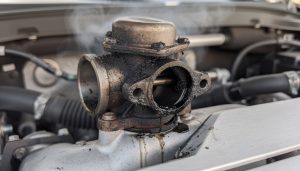
While emission systems like the exhaust gas recirculation (EGR) valve and positive crankcase ventilation (PCV) system serve environmental purposes, faults in these systems can also disrupt the delicate air-fuel mix, leading to misfires.
| Cause Category | Description | Common Symptoms | Suggested Action |
|---|---|---|---|
| Ignition System | Faulty spark plugs, ignition coil, or control module. | Engine jerks, rough acceleration, check engine light. | Replace plugs, test coils, run diagnostics. |
| Fuel Delivery | Clogged or weak fuel injectors causing incorrect fuel spray. | Engine hesitation, poor fuel economy. | Clean or replace fuel injectors. |
| Air Intake & Vacuum Leaks | Extra unmetered air disrupting the fuel mixture. | Rough idle, stutter on acceleration. | Inspect seals, hoses; repair leaks. |
| Sensors & Control Module | Faulty sensors sending inaccurate data to engine control. | Check engine light, multiple cylinder misfires. | Scan and replace faulty sensors or PCM. |
| Mechanical Problems | Worn valves, poor compression, gasket leaks. | Loss of power, stuttering, rough running. | Compression test and engine repairs. |
| Emissions Systems | Faulty EGR or PCV systems altering combustion. | Unstable idle, increased emissions. | Service or replace emission components. |
Warning Signs of Engine Misfires You Should Never Overlook
Identifying engine misfires early is crucial, not only to maintain engine performance but also to avoid further mechanical failures. Here are the most common warning signs:
Rough Acceleration and Hesitation
If your car feels unresponsive when pressing the accelerator, or if there is a sudden jerk accompanied by a rough pull, this could indicate a misfire. This behavior often manifests at low RPMs and when the engine is under load, highlighting cylinder inefficiency.
Stuttering or Shaking When Idling
A misfiring engine frequently struggles to maintain a stable idle. Shaking or vibrating noticeably at a stoplight or when the engine is idling can be a clear sign of underlying ignition or fuel problems.
Unusual Engine Noises
Changes in engine noise, such as a pronounced knocking, sputtering, or uneven combustion sounds, often accompany misfires. Early detection of these sounds can guide timely repairs, preventing mechanical damage.
Illuminated Check Engine Light
The check engine light is your vehicle’s onboard way of signaling trouble. A persistent or flashing light often correlates with ongoing misfires. Connecting a diagnostic scanner to the onboard computer will reveal exact codes pointing to misfire-related issues.
Increased Exhaust Emissions
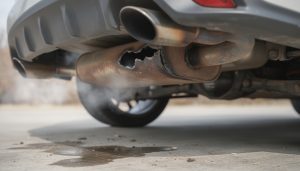
An engine that misfires releases unburnt fuel into the exhaust system, leading to higher emissions. If you notice a strong fuel smell or fail emissions inspections, misfires might be the underlying cause.
Vibrations and Judders While Driving
Engine misfires can disrupt the normal vibrations your car should feel, causing jolts and uneven motion inside the vehicle cabin, especially noticeable during acceleration.
💡 Expert Tip: If you notice any of these symptoms, avoid driving aggressively. Prompt inspection and repairs can save your vehicle from more extensive damage.

Effective Diagnostic and Repair Approaches for Engine Misfires
Addressing engine misfires begins with thorough diagnostics. Modern vehicles provide invaluable data through On-Board Diagnostics (OBD), which can be accessed via a scanner tool to retrieve misfire codes specific to cylinders or systems.
Engine misfire codes such as P0300 (random misfire) and P0301-P0308 (specific cylinder misfires) guide mechanics to pinpoint the affected components.
Once codes have been read, specific checks should be conducted in this order:
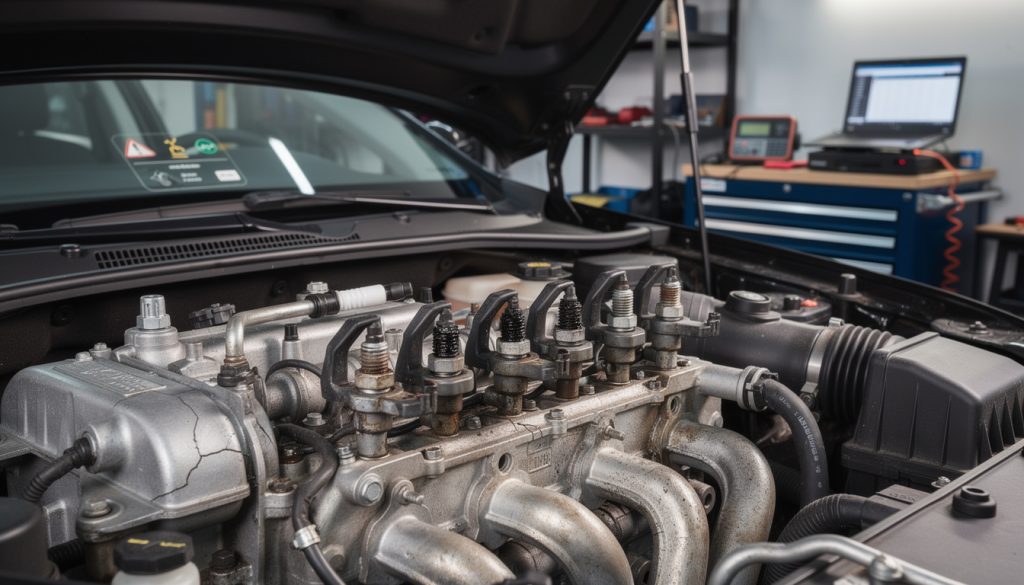
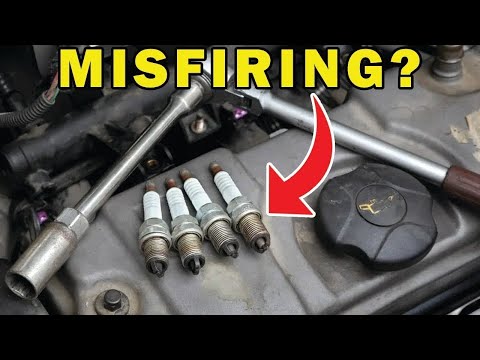
- Ignition components inspection: Check spark plugs for wear and replace if necessary; test ignition coils for consistent firing.
- Fuel system check: Test fuel pressure; clean or replace injectors if damaged or clogged.
- Air intake integrity: Use smoke tests or visual inspections to detect vacuum leaks or cracks.
- Mechanical assessment: Perform compression or leak-down tests to evaluate engine sealing.
- Sensor and module verification: Confirm sensor signals and replace malfunctioning units.
Regular preventative maintenance, such as timely spark plug replacement, fuel system cleaning, and sensor calibration, can drastically reduce misfire occurrences. Vehicle owners should consult manufacturer-recommended service intervals and procedures.
Practical Advice to Prevent Future Engine Misfires and Maintain Peak Vehicle Performance
Maintaining a car that runs smoothly and efficiently requires vigilance, especially regarding engine misfires. Here are actionable steps you can take to avoid these frustrating interruptions:
- Consistent vehicle maintenance: Follow recommended service schedules, focusing on ignition system components and fuel system upkeep.
- Use quality replacement parts: OEM or high-quality aftermarket spark plugs, coils, and injectors reduce failure rates.
- Monitor warning signs: Don’t ignore the check engine light or unusual engine behavior; early diagnosis is critical.
- Regularly check for vacuum leaks: Cracks in intake hoses or manifold seals are common but easily fixed.
- Fuel quality matters: Low-quality or contaminated fuel can affect injector performance and combustion.
In the case of advanced or recurring issues, consulting reputable service centers or specialist mechanics ensures accurate diagnosis and expert repair. For instance, owners of luxury or performance vehicles can benefit from service knowledge highlighted in articles about Audi Q7 reliability problems and their specific engine quirks.
Can a single spark plug cause an engine misfire?
Yes, a single malfunctioning spark plug can disrupt the combustion process in its cylinder, causing a misfire that leads to rough idling and performance drops.
Is it safe to drive with an engine misfire?
Driving with an engine misfire is generally not recommended as it can cause damage to your catalytic converter and other engine components. It’s best to have the issue diagnosed and repaired promptly.
How much does it typically cost to fix an engine misfire?
Repair costs vary widely depending on the root cause. Replacing spark plugs can be inexpensive, while repairing mechanical engine problems or replacing fuel injectors may be more costly.
What diagnostic tools are used to detect engine misfires?
OBD-II scanners are the most common tools, which read error codes from the engine control unit to pinpoint misfiring cylinders and related system faults.
Can faulty sensors cause engine misfires?
Yes, sensors like the crankshaft position sensor or mass airflow sensor, if malfunctioning, can cause incorrect fuel or ignition timing, leading to misfires.