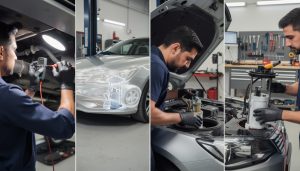
The BMW Series 2 has earned a reputation for blending sportiness with luxury, enticing drivers who value performance and style. Since its inception in 2014, this compact lineup, consisting of Coupe, Gran Coupe, and Tourer variants, has attracted a dedicated following. However, amidst its strengths, owners frequently encounter certain mechanical and electronic setbacks that may impact the driving experience. Understanding these common issues, from engine quirks to electrical faults, is essential for current owners and prospective buyers aiming to make informed decisions and maintain their vehicle’s optimal condition.
Key Takeaways:
- BMW Series 2 models are cherished for sporty handling and a luxurious interior but face recurring engine and drivetrain problems.
- Common faults include timing chain failures, oil consumption, and rear axle issues, highlighting the importance of regular maintenance.
- Safety concerns such as airbag and power steering malfunctions, though less frequent, require prompt attention.
- Reliability ratings fluctuate across different surveys, reflecting the importance of careful inspection before purchasing.
- Maintenance costs tend to be higher than average due to proprietary parts and complex systems, emphasizing the value of warranty coverage and skilled servicing.
Identifying the Most Frequent Mechanical and Engine Problems in BMW Series 2
When diving deep into the challenges faced by BMW Series 2 owners, the engine and drivetrain represent the core areas where typical faults arise. The timing chain, especially in early N20-powered 2014 and 2015 models, has drawn significant attention from owners and mechanics alike. This crucial component controls the synchronization of the engine’s valves and pistons. Unfortunately, premature stretching or failure of the timing chain can lead to emergency engine repairs, costly replacements, or even total engine failure if left unchecked.
Symptoms of timing chain issues typically manifest as a rattling or whining noise near the engine, warning lights such as low oil levels or drivetrain malfunction, and declined engine performance or misfiring bursts. Regular inspections and preventative replacement of the timing components based on manufacturer recommendations remain the best defense against such severe outcomes. Notably, BMW extended the warranty on affected timing chains to 7 years or 70,000 miles, encouraging owners to seek timely repairs with updated parts to boost longevity.
Another noteworthy concern is excessive oil consumption in certain Series 2 variants. This problem primarily stems from internal engine wear or small oil-sealing failures, which are exacerbated by irregular maintenance or poor oil quality. Owners should adopt a rigorous oil-monitoring routine, checking levels between services and adhering strictly to BMW’s recommended oil grades. Ignoring excessive oil burning can cause serious damage and costly rebuilds over time.
The rear axle bolts have emerged as another hot topic among owners experiencing stability or handling issues. Reports indicate that these bolts may loosen or degrade, risking a clunking noise and, in extreme cases, loss of vehicle control. Routine undercarriage checks with torque verification by professionals can prevent unexpected handling deteriorations and contribute to long-term safety. Several drivers have reported that timely bolt tightening resolved odd noises and improved driving confidence.
Additionally, fuel system components in models equipped with turbocharged engines are prone to failures. Symptoms such as hard starts, engine spluttering at high speeds, or loss of power often trace back to fuel pump defects. Using genuine or carefully sourced BMW parts for replacements ensures compatibility and resilience within these high-pressure fuel systems, thereby maintaining engine responsiveness and reliability.
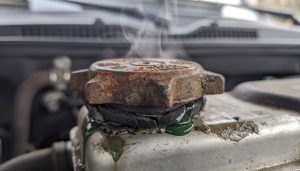
Exploring components such as the water pump reveals similar concerns. Premature water pump failures, particularly in N20, N55, and S55 engines, introduce risks of overheating and coolant leaks. Owners benefit greatly from routine coolant checks and early attention to any strange noises emanating from the engine bay. Upgraded water pumps supplied by BMW are recommended for enhanced durability in high-performance models.
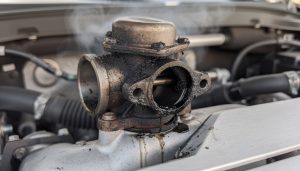
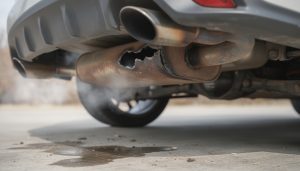
Other engine-related faults include problems with the EGR cooler, which, when faulty, can reduce engine power and raise emissions. Frequent cleaning and prompt replacement of clogged or leaking units can restore optimal fuel combustion and emission control. Similarly, issues with the crankshaft sensor trigger engine stalling or difficulty starting; its longevity depends on regular diagnostics and quality part replacements.

Safety-Related Concerns: What BMW Series 2 Owners Should Monitor
A vehicle’s safety systems are paramount, and the BMW Series 2 is no exception. Though less common than mechanical faults, safety issues including defective airbags, power steering malfunctions, and seatbelt malfunctions have surfaced in a subset of vehicles, warranting attentive scrutiny from owners.
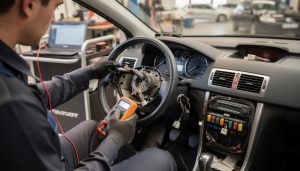
The airbag system in some 2016 Series 2 editions has reported sensor failures, inflator defects, or electrical glitches. Such issues undermine the airbags’ ability to deploy correctly during collisions, exposing occupants to elevated risk. It is imperative to conduct routine diagnostic checks, especially following any dashboard warning lights or minor accidents. Correcting these faults swiftly by replacing faulty components ensures optimal protection in emergency scenarios.
Power steering problems have presented themselves as stiff steering or total loss of power assistance. Though not widespread, the issue results from failing power steering pumps or electronic motor malfunctions. Drivers experiencing increased effort at the steering wheel or related warning indicators should seek immediate inspection. Repair or replacement under BMW’s warranty policies usually resolves the problem efficiently, restoring expected driving ease and control.
Seatbelt mechanisms, including retractors and pre-tensioners, have reported occasional malfunction too. Failures might appear as belts that fail to retract smoothly or do not engage tension properly during a crash. Regular function tests and professional inspections play a critical role in maintaining occupant safety. Replacing worn seatbelt parts proactively can avoid dangerous compromises during a collision.
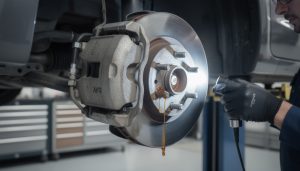
The braking system, while generally robust in BMW performance vehicles, also requires careful attention. BMW Series 2 drivers occasionally note premature wear of brake pads and discs, alongside symptoms such as squealing noises or vibrations. These indicators can hint at diminished braking efficiency and necessitate timely replacement with high-quality or genuine BMW components. Such maintenance supports both safety and the vehicle’s sporty handling characteristics.

Key Factors to Consider When Buying a BMW Series 2 with Common Issues in Mind
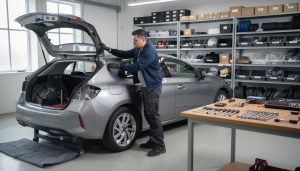
Purchasing a BMW Series 2, whether new or used, invites careful examination of specific factors based on the known common issues. Prospective buyers should prioritize vehicles with comprehensive service records, especially regarding timing chain maintenance, oil consumption history, and suspension condition.
Equally important is verifying that any recalled or extended warranty repairs have been completed, notably relating to fuel system and safety components. Avoiding vehicles with unresolved symptoms like strange engine noises or uneven handling can prevent costly surprises. Inquire about prior replacements of parts such as water pumps or rear axle bolts to ensure long-term durability.
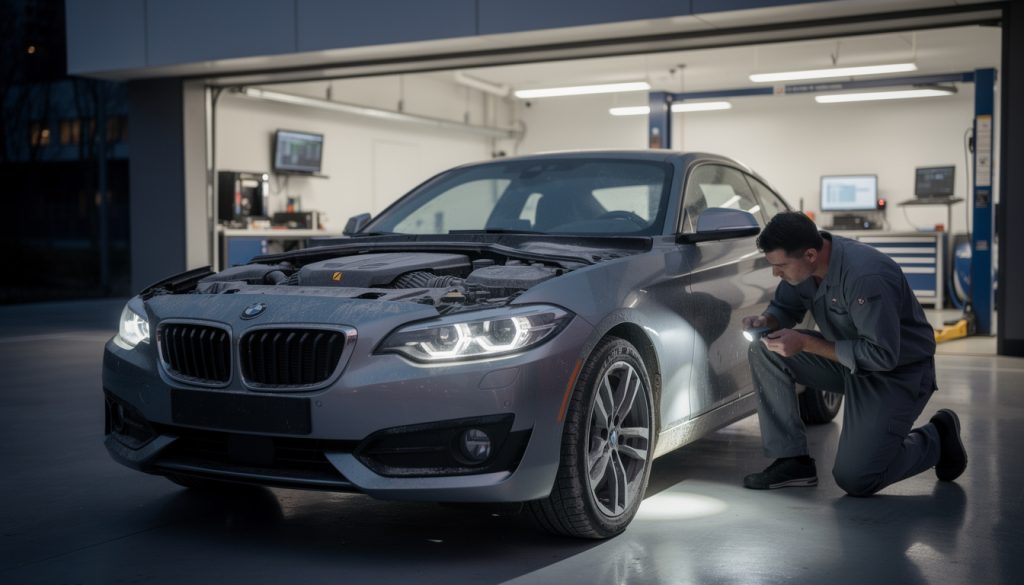
The choice between different Series 2 variants—Coupe, Gran Coupe, or Tourer—also affects potential maintenance costs and issue likelihood. For example, turbocharged engines may require closer monitoring of fuel pumps and cooling systems. Maintenance tips include scheduling pre-purchase inspections by specialists familiar with BMW-specific faults to uncover hidden problems and verify genuineness of replaced parts.
Being proactive about warranty coverage can save substantial expenses. Many owners benefit from BMW’s standard three-year unlimited mileage warranty, but extending this coverage, particularly if purchasing used, provides peace of mind against expensive repairs. Additionally, maintaining a healthy maintenance routine involving authentic parts maintains vehicle value and ensures fewer surprises down the road.
Considering these aspects diligently equips buyers to confidently enjoy the Series 2’s blend of performance and luxury without being overly burdened by its common issues. Owners can uncover more detailed insights and user experiences on forums and reviews such as those found in this extensive resource on common BMW Serie 2 problems.

How Reliable Is the BMW Series 2 and What Are Owner Experiences Saying?
The reliability of the BMW Series 2 varies notably between model years and engines, influenced largely by how well the car has been maintained. Performance enthusiasts appreciate the vehicle’s excellent engineering and sporty feel. Yet, survey data reveals a mixed reputation among owners. For instance, 2020 and 2021 surveys by Auto Express ranked BMW close to the lower middle tier, indicating room for reliability improvement, while more recent 2024 results from WhatCar? show an encouraging rise to 12th place among 32 manufacturers.
Owner testimonials frequently mention the elegance of the ride and responsive handling, praising the luxurious interior. However, they also openly discuss concerns like cooling system faults, electronic glitches, and varying longevity of consumable parts such as brakes and suspension. Compared to other BMW models, such as the BMW Series 1 and the BMW X2, the Series 2 shares common mechanical themes but offers a sharper, sportier experience that demands attentive upkeep.
Understanding this balance helps owners set realistic expectations. Some embrace the BMW’s spirited performance despite frequent maintenance tasks, while others prefer models with fewer reported electrical issues or simpler drivetrains. Ultimately, reliability will hinge on commitment to service, usage habits, and timely replacement of known depreciating components.
| Common Issue | Symptoms | Recommended Action | Impact on Ownership |
|---|---|---|---|
| Timing Chain | Engine rattling, misfires, warning lights | Inspect regularly, pre-emptive replacement | High repair cost if ignored, engine damage |
| Oil Consumption | Frequent oil top-ups, smoke from exhaust | Monitor oil level, use recommended oil | Potential engine damage if neglected |
| Rear Axle Bolts | Clunking noise, handling issues | Torque check and replacement as needed | Safety risk if unchecked |
| Fuel Pump | Hard starting, misfires, power loss | Fuel system inspection, genuine parts | Reduced performance, engine stall |
| Brake Wear | Squealing, vibration during braking | Frequent brake inspections and pad replacement | Decreased braking performance |
Is Maintaining a BMW Series 2 Costly? Practical Insights and Maintenance Tips
BMW’s reputation as a premium marque is accompanied by correspondingly higher maintenance expenses compared to typical mass-market vehicles. The Series 2, sporting advanced infotainment systems and intricate engineering, is no exception. British owners, for example, might expect a full service to cost upwards of £200 for smaller engines, with larger engine models pushing higher. Interim services hover around £150 and are essential for preserving engine health and avoiding more significant problems.
Owners should anticipate higher parts costs due to BMW’s proprietary components and strive to use genuine parts whenever possible to avoid compatibility issues and ensure durability. While maintenance investments are higher, they contribute directly to the car’s performance, longevity, and resale value. Regularly scheduled services also minimize unexpected breakdowns, reducing long-term ownership costs.
Extended warranties offered by BMW or third parties are worth considering, particularly for used car buyers aiming to mitigate the financial risks posed by engine problems or electronic system failures. Planning for predictable maintenance expenses alongside unexpected repairs offers a clearer financial horizon for Series 2 owners.
- Stay current with service intervals to avoid severe engine and drivetrain faults.
- Regularly inspect crucial components such as the timing chain, water pump, and rear axle bolts.
- Address safety system warnings promptly to maintain occupant protection.
- Prefer genuine BMW parts for all replacements for best performance and durability.
- Consider extended warranties when purchasing used to manage repair expenses.
For comprehensive tips and comparisons with other BMW lineups, owners sometimes refer to detailed analyses such as the BMW M4 common problems or guides on BMW X6 common issues to contextualize the Series 2’s maintenance demands.
What are the warning signs of a failing timing chain in a BMW Series 2?
Warning signs include rattling or whining noises from the engine, drivetrain warning lights, misfires, and reduced engine performance. Immediate inspection is recommended to prevent serious damage.
How often should the water pump be checked or replaced in a BMW 2 Series?
Regular coolant level checks during routine servicing help detect early water pump issues. Replacing the pump is necessary at the first signs of leaks, overheating, or unusual noises to avoid engine damage.
Are power steering problems common in the BMW Series 2?
While not widespread, some models experience power steering pump or motor failures, leading to stiff or unassisted steering. Prompt professional diagnosis and repair are crucial for safe handling.
Does the BMW 2 Series require expensive maintenance compared to other compact luxury cars?
BMW maintenance can be costlier due to proprietary parts and advanced technology. However, proactive servicing reduces costly emergencies, making ownership manageable with proper care.
What should I check when buying a used BMW Series 2 to avoid common issues?
Focus on service history, signs of timing chain or oil consumption problems, suspension condition, and whether any warranty recalls or extended service plans are in place.