When your vehicle’s engine starts to falter, showing signs like rough idling, misfires, or unexpected stalls, the culprit is often linked to fuel injectors. These critical components play a vital role in maintaining engine performance and overall vehicle efficiency. Deciding whether to replace or clean your fuel injectors is a common dilemma faced by many drivers and automotive repair specialists in 2026. This guide aims to empower you with clear, reliable insights to make the right choice, considering practical factors such as cost, condition, and long-term outcomes.
Key Takeaways :
- Identifying symptoms like rough idling or misfires can help diagnose clogged or failing fuel injectors early.
- Fuel injectors regulate precise fuel delivery for optimal combustion and fuel efficiency.
- A thorough cleaning may suffice for mild clogging, while severe damage often requires replacement.
- The cost of replacement varies widely, influenced by vehicle model and local labor rates.
- Routine maintenance provides the best defense against injector problems and costly repairs.
Common Signs Indicating the Need to Replace or Clean Fuel Injectors
Spotting a clogged or malfunctioning fuel injector early is key to preventing further damage. The most telling signs are often subtle at first but become more apparent over time, affecting daily driving experience and vehicle longevity.
Check engine light flashing is often your vehicle’s primary alert. This blinking lamp signals an electrical fault usually caused by struggling fuel injectors that disrupt the engine’s fuel mixture. Just like the common issues reported in Audi Q7 models, consistent fuel injector problems can trigger this warning repeatedly.
Engine misfires or hesitation during acceleration commonly result from injectors delivering irregular amounts of fuel. Misfires not only reduce engine power but also lead to increased emissions and fuel consumption. Drivers will notice sluggish responses and hear unusual engine sounds, especially as engine load increases.
Rough idling characterized by inconsistent RPMs and stalling could signal clogged injectors that fail to atomize fuel properly. This can become a safety concern during stops or congested traffic.
Fuel economy changes are often overlooked but critical. Faulty injectors may over-fuel or under-fuel the cylinders, throwing off your car’s fuel efficiency. A sudden spike in fuel expenses warrants a thorough inspection of the fuel injection system.
Fuel odors and leaks near the engine bay not only affect comfort but indicate injection irregularities or potential mechanical faults within the injector seals.
Hard starts and overall engine performance issues often coincide with injector troubles. If your vehicle struggles to fire up or delivers inconsistent power output, fuel injector dysfunction could be a root cause.
Failed emission tests are a clear red flag. Faulty injectors alter the air-fuel ratio, resulting in elevated exhaust pollutants and non-compliance with regulatory standards—a common concern discussed among Jeep Cherokee owners facing engine issues.
Ignoring these symptoms can lead to more serious engine damage. Diagnostic checks by a qualified mechanic are advisable at the first sign of fuel injector problems.
Understanding Fuel Injectors and Their Crucial Role in Engine Efficiency
Fuel injectors are high-precision electronically controlled valves designed to inject pressurized fuel into the combustion chambers of gasoline or diesel engines. Since their widespread adoption replacing carburetors, injectors have substantially enhanced fuel efficiency, performance, and emission control.
Each injector ensures the delivery of the exact fuel quantity required for optimal combustion. This precise metering is vital, as excess fuel causes waste and pollution, while too little fuel leads to power loss and engine knock. Modern engines feature complex injector systems managed by the vehicle’s Engine Control Unit (ECU), which constantly adapts fuel delivery according to load, speed, and environmental conditions.
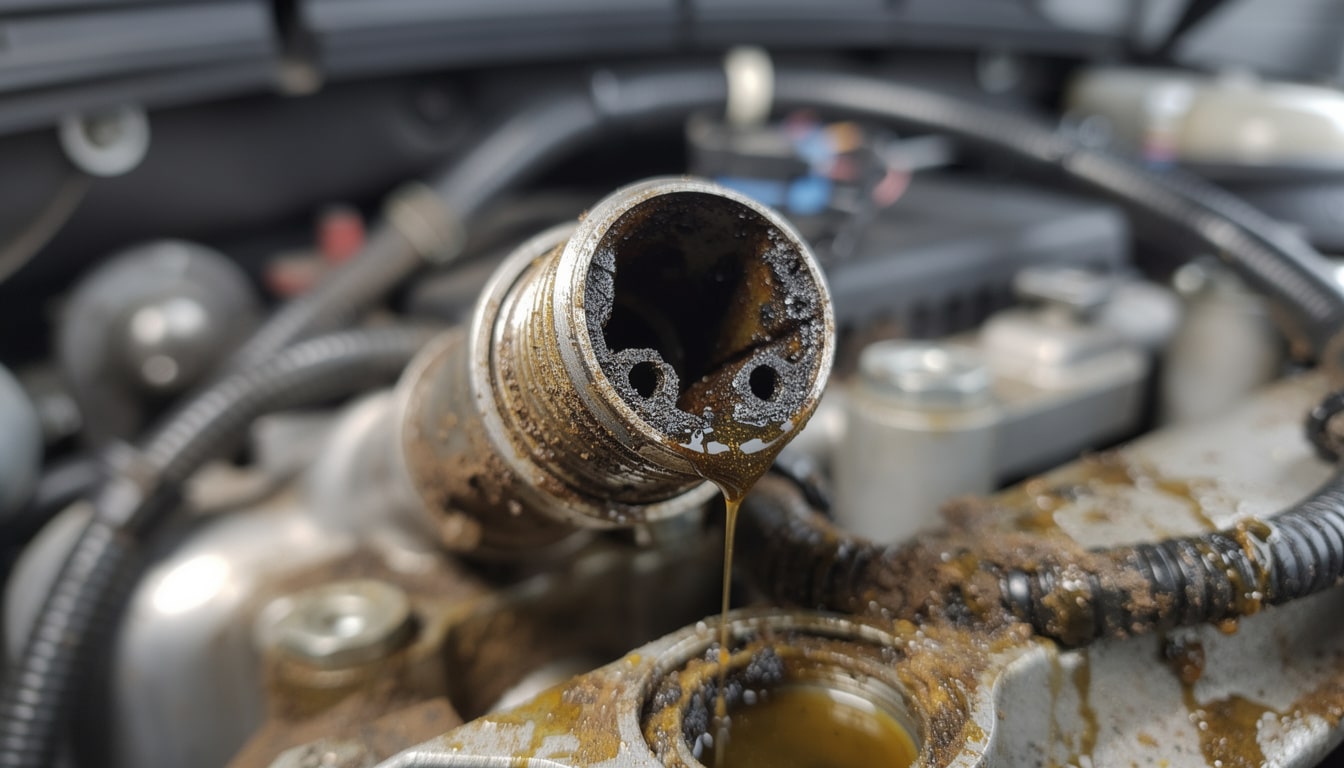
Properly functioning injectors atomize fuel into a fine mist that mixes efficiently with air, ensuring consistent combustion. When injectors degrade—due to dirt, varnish, corrosion, or electrical faults—this delicate balance is disturbed, compromising the entire fuel system and engine health.
The progression of injector technology, especially in turbocharged and direct injection engines, has made injector maintenance even more critical in 2026. For instance, the BMW M3 series frequently highlights injection precision’s impact on high-performance driving, underscoring why keeping injectors clean or opting for replacements when required remains essential.
💡 Expert Tip: Use high-quality fuels with detergents designed to minimize injector deposits and schedule regular injector inspections during routine maintenance to prolong fuel system life.

Fuel Injector Cleaning versus Replacement: What You Need to Know
When considering whether to clean or replace fuel injectors, it’s critical to assess the injector’s current state, your vehicle’s needs, and your budget. Both approaches have distinct advantages and drawbacks depending on usage history and injector health.
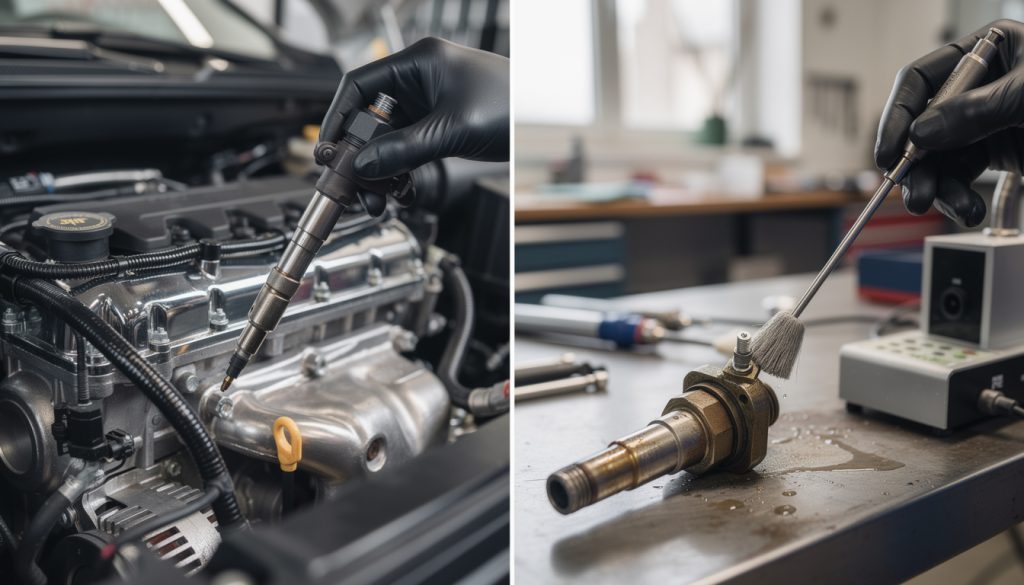
Cleaning fuel injectors is often the first recommendation, particularly if symptoms are mild. Injectors can accumulate deposits from low-quality fuels, ethanol blends, or long inactivity periods. Cleaning involves either fuel additive solutions or professional ultrasonic cleaning, which removes varnish and deposits, restoring injector spray patterns and functionality.
Minor clogging responds well to cleaning, improving fuel efficiency and engine performance. Many garages offer fuel injector cleaning services as part of routine maintenance, providing a cost-effective way to delay or avoid costly replacements.
However, cleaning has limits. If the injector is mechanically damaged, leaking, or has internal electrical faults, cleaning won’t restore proper function. In such cases, replacement is safer and more reliable. This is especially true for newer vehicles using advanced Gasoline Direct Injection (GDI) or diesel technologies, where precision and component integrity are key.
Another consideration is injector age and vehicle mileage. Older fuel injectors subjected to repeated stress and contamination often degrade beyond repair. Persisting with cleaning can waste time and money while risking collateral engine damage.
Finally, some fuel systems and engines are more likely to clog injectors due to design or fuel type sensitivities. For example, certain BMW Series 1 problems link to injector clogging issues linked to fuel additives compatibility, emphasizing the need for targeted maintenance.
It’s wise to have a trained mechanic perform a diagnostic check to decide the best course of action. There are also DIY kits available for injector cleaning accessible to experienced enthusiasts.

Common injector cleaning methods
- Fuel additive cleaners: Added directly to the fuel tank to dissolve light deposits.
- Ultrasonic cleaning: Professional removal of injectors for deep cleaning in specialized equipment.
- Manual cleaning: Dismantling and direct cleaning of injector nozzles, seals, and filters.
When to replace your fuel injectors
- Persistent misfires or rough idling despite cleaning.
- Visible leaks or damaged seals.
- Electrical faults affecting injector operation.
- Severe clogging confirmed by diagnostic tests.
- High-mileage vehicles with aging injectors.
Comparing Fuel Injector Replacement Costs and Practical Considerations
Replacing fuel injectors is a technical job that involves part costs, labor, and sometimes additional fuel system repairs. Understanding these costs is essential to make an informed decision.
The price for replacing a single fuel injector typically ranges from £90 to £190, depending on the car’s make and model, and parts availability. Some high-performance or luxury vehicles may incur even higher costs, reflecting the complexity and rarity of components.
Labor can be one of the more expensive components due to the injectors’ location and required engine disassembly. If multiple injectors need replacement, costs scale up quickly. It can be tempting to look for used injector parts on breaker yards or online marketplaces, but quality and reliability risks must be carefully considered.
| Factor | Details | Impact on Cost |
|---|---|---|
| Vehicle Model | Luxury or performance vehicles like BMW or Audi use high-precision injectors | Higher parts cost and labor |
| Injector Count | Replacing single vs. all injectors | Directly multiplies parts and labor expenses |
| Type of Fuel System | Diesel, GDI, port injection | Complex systems cost more to replace |
| Geographical Location | Labor rates vary by region within the UK | Higher costs in metropolitan areas |
| DIY vs. Professional | Do-it-yourself replacement? | Labor costs saved but requires expertise |
Attempting a DIY injector replacement requires mechanical knowledge and tools. Improper installation can cause leaks, engine damage, or poor performance. In many cases, professional automotive repair shops are better equipped to diagnose and handle injector issues, ensuring quality and warranty compliance.
💡 Expert Tip: When replacing fuel injectors, it’s advisable to change related components such as fuel filters and spark plugs simultaneously to maximize system efficiency.
Maintaining Fuel Injectors: Best Practices for Long-Term Reliability
Prevention beats cure when it comes to fuel injectors. Incorporating injector maintenance into your regular vehicle care routine significantly reduces the risk of clogging and premature failure.
Routine steps include using fuel additives designed to clean injectors, opting for quality fuel brands with detergents, and adhering to recommended service intervals. Avoiding long periods of vehicle inactivity without startup can prevent fuel varnish buildup.
Regular engine diagnostics, especially for vehicles prone to injector problems like some versions of the Hyundai Tucson, allow early detection of minor injector faults before escalation.
Be vigilant for early symptoms such as slight hesitation or uneven idle. Addressing these promptly with professional cleaning services or minor repairs saves significant money and downtime over vehicle lifespan.
In addition, replacing fuel filters regularly ensures cleaner fuel reaches your injectors, extending their operational life.
- Use high-quality fuel to reduce deposit buildup.
- Schedule regular professional fuel injector inspections and cleaning.
- Change fuel filters per manufacturer recommendations.
- Monitor for early engine performance changes.
- Maintain stable driving habits avoiding excessive idling or stop-go traffic when possible.
Can I clean fuel injectors myself?
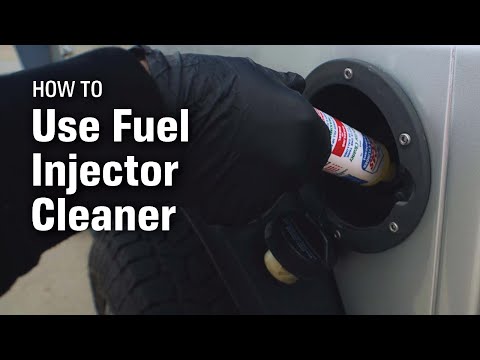
Light cleaning can be attempted using fuel system additives, but deep or ultrasonic cleaning requires professional equipment and expertise. Improper cleaning risks damaging delicate injector components.
How often should fuel injectors be inspected?
Most vehicles benefit from injector inspection every 45,000 to 60,000 miles, or sooner if symptoms emerge. Following manufacturer maintenance schedules is crucial.
What happens if I ignore a clogged fuel injector?
Neglecting injector issues leads to persistent engine misfires, decreased fuel efficiency, higher emissions, potential engine damage, and costly repairs.
Is it necessary to replace all fuel injectors at once?
Not always. Replacing only malfunctioning injectors is common, but when mileage is high or performance is critical, replacing all simultaneously ensures balanced engine operation.
Are aftermarket fuel injectors reliable?
Aftermarket injectors vary widely in quality. It’s important to source parts from reputable manufacturers to avoid performance or reliability issues.