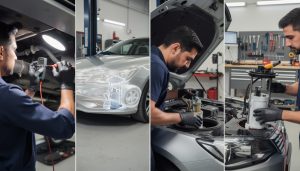
The Toyota Corolla has earned global acclaim as a symbol of reliability and practicality since its inception in 1966. Encompassing eleven generations and boasting over 40 million vehicles produced worldwide, it has repeatedly proven its worth among compact sedans. However, even such a stalwart of the automotive world encounters some mechanical and electrical issues worth noting, especially for prospective buyers and current owners. Analyzing the frequency and nature of these problems—from engine trouble to transmission issues—can empower drivers to make informed decisions and adopt effective vehicle maintenance strategies.
Insights gathered from the BreakerLink blog and extensive consumer reports reveal the customary challenges faced by Toyota Corolla owners. These range from typical wear-and-tear faults affecting suspension and brakes to more specific concerns like cold start difficulties and fuel pump malfunctions. Understanding these common problems equips owners with the knowledge to preemptively address symptoms and seek professional automotive repair well before the issues escalate. Ultimately, this approach safeguards the Corolla’s revered reputation as a dependable and low-maintenance vehicle while saving owners both time and money.
Key Takeaways :
- Toyota Corolla maintains an excellent reputation but has known frequent issues that vary by model generation.
- Common problems include engine trouble, transmission issues, suspension wear, and car diagnostics related faults.
- Vehicle maintenance and early detection of symptoms can prevent costly repairs and extend car lifespan.
- The BreakerLink blog provides reliable insights for informed automotive repair decisions.
- Recalls and manufacturer interventions have addressed some recurring problems, emphasizing the importance of service history checks.
Toyota Corolla Frequent Issues: Engine and Cooling System Insights
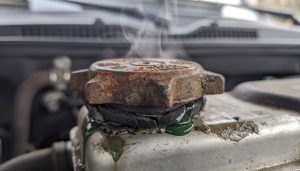
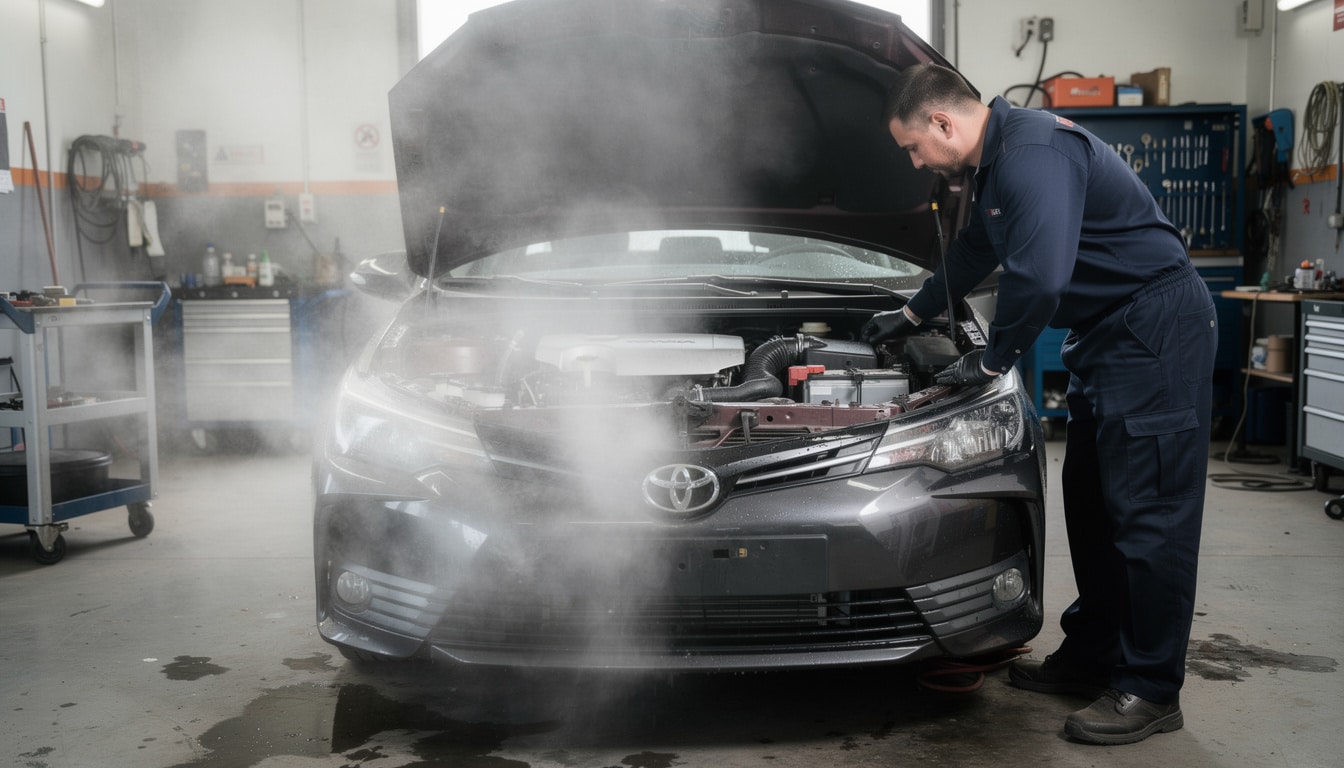
One of the paramount performance factors for any vehicle is a healthy engine and an efficient cooling system. The Toyota Corolla, while praised for its smooth and refined engine operation, does present some notable challenges in this domain. One widely reported concern by owners, particularly with the 10th generation models, revolves around the water pump. Faulty water pumps may cause engine overheating, with symptoms including an illuminated temperature warning light and the alarming presence of steam escaping near the engine bay. Ignoring these signs can rapidly escalate into severe engine damage, necessitating extensive and costly repairs.
This mechanical vulnerability tends to arise from premature wear or manufacturing defects in early production runs of the generation. Additionally, some Corolla owners have reported problems with cold water starts, especially on vehicles manufactured between 2009 and 2013. These models experienced recalls due to difficulties starting in low temperatures, a major inconvenience in colder climates.
Crucially, thorough pre-purchase inspections should always include examination of the cooling system integrity and proper function of engine temperature sensors. Preventative replacement of a suspect water pump prior to catastrophic failure offers cost-effective peace of mind for buyers and current users alike.
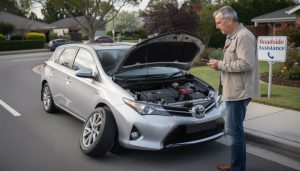
💡 Expert Tip: At the first sign of a temperature warning light or unusual steam nearby, avoid driving the vehicle. Immediate diagnostics and repairs can prevent irreversible engine damage and save thousands in future costs.
Regular coolant changes and proper system flushing every recommended interval are foundational to preserving cooling system health and ultimate engine longevity. These routine maintenance steps, often overlooked, underline the value of diligent vehicle maintenance practices highlighted in the BreakerLink blog.
Transmission Issues and Clutch Plate Wear: What Every Buyer Should Know
The transmission system often marks the difference between a smooth driving experience and persistent mechanical headaches. While the Toyota Corolla is generally reliable, transmission faults are not unheard of, particularly related to clutch wear in manual models. A telltale indicator of a failing clutch plate is high revs before engagement and a general sensation of slipping when pulling away from traffic lights or junctions. These symptoms point to significant clutch damage, frequently the result of harsh or careless treatment by previous owners.
Unlike minor suspension or brake repairs, clutch replacement is a comparatively more involved and expensive process, demanding a cautious approach when inspecting second-hand Corollas. For those encountering such signs during a test drive, it is prudent to reconsider the purchase or negotiate a lower price to accommodate repair costs. Automatic transmission models, while generally robust, occasionally endure fuel pump-related issues affecting acceleration responsiveness, which impacts the overall transmission feel during low-speed maneuvers.
In such scenarios, timely and precise car diagnostics are essential to identify the primary causes and differentiate between transmission faults and engine or fuel system problems. Regular servicing and avoiding aggressive driving habits greatly reduce the risk of premature transmission wear, preserving reliability even as the vehicle ages.
💡 Expert Tip: During a test drive, simulate stop-and-go city driving to detect clutch slipping or jerky acceleration, key signs of transmission or fuel pump issues.
Owners should maintain detailed service records, especially noting clutch replacements or repairs, which can be a valuable negotiation point when purchasing used Corollas.
Chassis and Suspension Vulnerabilities: Addressing Noise and Ride Quality Decline
The Toyota Corolla’s suspension is well-engineered for everyday commuting and longer journeys, providing stable handling and comfort. Nevertheless, over time, components such as the front McPherson strut bushes and anti-roll bar bushes exhibit signs of wear, leading to noticeable degradation in ride quality. Common complaints include clanging noises originating from the front suspension area, particularly on rough roads or during tight cornering maneuvers. These noises signal that rubber bushes have either hardened or deteriorated, compromising the suspension’s ability to absorb shock effectively.
While this does not usually interfere critically with vehicle safety, it detracts from driving comfort and can mask more serious problems if ignored. Repairing or replacing these suspension components is relatively straightforward and affordable if caught early. Persistent neglect, however, can accelerate uneven tire wear and increase strain on other suspension parts, inflating repair costs.
Buyers should request a thorough inspection focusing on suspension bushes, ball joints, and anti-roll bars as part of pre-purchase evaluations. During test drives, paying attention to unusual sounds and irregular steering response can uncover hidden faults. Routine suspension maintenance and seasonal checks recommended in the BreakerLink blog contribute significantly to sustained vehicle integrity.
In cases of budget constraints, defective suspension parts can be sourced as affordable OEM or aftermarket replacements, ensuring owners maintain the Corolla’s famed reliability insights without excessive expense.

Brake System Recalls and Common Wear Patterns in Toyota Corolla
Safety-critical elements like brakes demand vigilance from every vehicle owner, and the Toyota Corolla is no exception. Over the last two decades, the Corolla has undergone multiple recalls specifically targeting the braking system, notably in 2002 and 2005. These recalls aimed to rectify manufacturing flaws that could have compromised brake performance, emphasizing a critical point: always verify the complete service and recall history before finalizing a Corolla purchase.
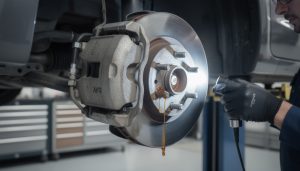
Owners have reported typical brake-related symptoms such as spongy pedal feel, reduced braking efficiency, or unusual noises like screeching or grinding. These symptoms generally point to worn brake pads, warped discs, or hydraulic issues. Failure to replace worn brake components promptly can affect vehicle safety and trigger more extensive mechanical faults within the braking system.
Moreover, proper brake fluid replacement intervals significantly contribute to brake responsiveness and longevity. Ignoring fluid degradation leads to corroded brake lines and caliper malfunction.
For Corolla owners, scheduling regular brake inspections and servicing is vital. Data compiled by the BreakerLink blog advises adhering strictly to manufacturer-recommended brake service schedules, limiting the risk of brake failure and keeping maintenance manageable.
| Brake Component | Common Symptoms | Estimated Repair Cost (USD) | Recommended Service Interval |
|---|---|---|---|
| Brake Pads | Squealing, Reduced Braking Power | $100 – $200 | Every 30,000 – 50,000 miles |
| Brake Discs (Rotors) | Vibration, Grinding Noise | $200 – $400 | Every 60,000 – 70,000 miles |
| Brake Fluid | Soft Pedal, Corrosion | $50 – $100 | Every 2 years |
Understanding Fuel System and Electrical Issues Affecting Toyota Corolla’s Reliability
While reputably smooth, the Corolla’s engine system occasionally encounters interruptions related to fuel delivery and electrical components. Reports of jerky acceleration and hesitation when moving off highlight potential fuel pump problems or clogged fuel filters, disrupting efficient engine fueling. These issues sometimes confuse owners, who may mistake them for gearbox faults.
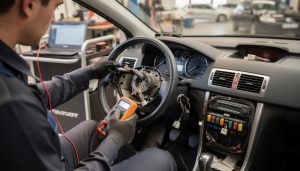
Electrical concerns such as faulty temperature sensors, erratic dashboard warning lights, or intermittent power window failures may also surface, particularly in older Corolla models. Such electrical anomalies can complicate car diagnostics and frustrate owners who lack access to professional troubleshooting tools.
Fortunately, many of these malfunctions are solvable with routine inspections and timely replacements of sensors or fuel system components. In environments with harsh winters or dusty conditions, more frequent checks of these systems are advisable to preserve optimal vehicle performance.
Utilizing resources like the BreakerLink blog and maintaining open communication with trusted automotive repair specialists ensures problems are identified early and resolved cost-effectively.

What generation Toyota Corolla has the most common water pump issues?
The 10th generation Toyota Corolla is particularly known for water pump faults that can lead to engine overheating if not addressed promptly.
How can I detect clutch problems in a used Toyota Corolla?
Look for signs like high engine revs before the car moves and clutch slipping during acceleration, which indicate worn clutch plates.
Are brake system recalls on the Corolla still relevant for used models?
Yes, it is crucial to check if a used Corolla’s braking system underwent necessary recall repairs to ensure safety and compliance.
What are practical maintenance tips to avoid recurring suspension noises?
Regular suspension inspections, timely replacement of worn bushes, and addressing noises early can prevent more significant damage and ensure ride quality.
Can fuel pump problems cause transmission-like symptoms?
Yes, fuel pump malfunction can cause jerky acceleration and hesitation which may be confused with transmission issues.