The brake system in your vehicle is a sophisticated assembly where each component plays a crucial role in ensuring your safety. Among these components, the brake master cylinder is paramount as it generates the pressure required to engage your brakes effectively. Yet, it is often overlooked until issues become critical. Understanding the warning signs of a failing brake master cylinder can literally save your life and prevent catastrophic brake failure. This article delves into these signs, highlighting what to look for, why it matters for vehicle safety, and how timely car maintenance can keep you and your passengers secure on the road.
At its core, your brake system relies on the brake master cylinder to convert your foot’s pressure on the brake pedal into hydraulic pressure. This pressure is then transmitted through brake fluid to the brake calipers and discs, enabling controlled deceleration. When the master cylinder malfunctions, it impedes this delicate balance, often first manifesting as subtle brake pedal issues or warning lights. Ignoring these symptoms not only deteriorates your braking performance but also escalates the risk of an accident. This detailed guide will walk you through the critical signs of trouble and explain the underlying mechanics to help you act promptly and safely.
Key Takeaways :
- Spongey or sinking brake pedal often indicates brake master cylinder problems.
- Brake warning light activation can signal a drop in system pressure related to the master cylinder.
- Brake fluid leaks beneath the vehicle often stem from master cylinder seal failures.
- Contaminated brake fluid disrupts brake pressure and suggests seal deterioration.
- Reduced braking power and unresponsive pedal behavior are critical symptoms requiring immediate attention.
Recognizing the Brake Warning Light and Its Link to Master Cylinder Failure
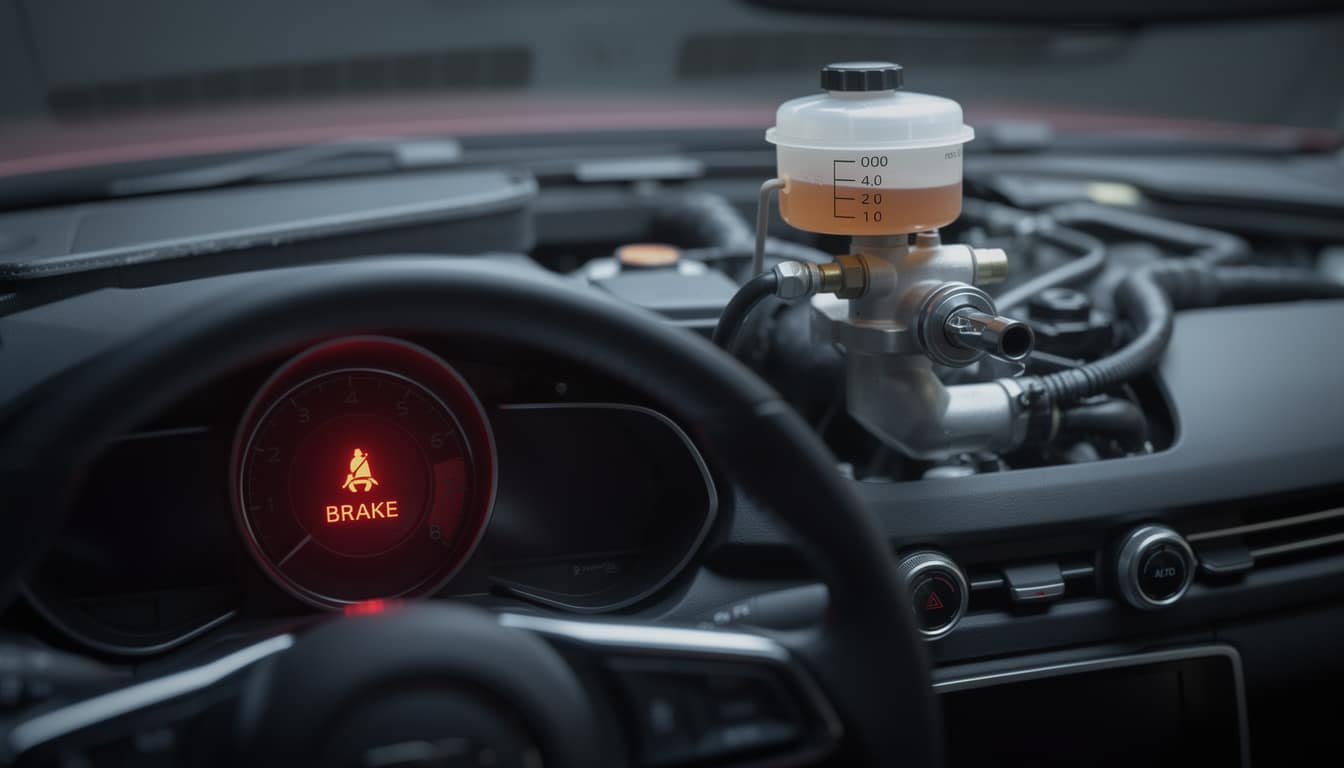
One of the first warning signs to indicate a potential brake master cylinder issue is the illumination of the brake warning light on your dashboard. Modern vehicles are equipped with sensors that constantly monitor the brake system’s pressure levels, predominantly generated by the master cylinder. When pressure drops below the optimal threshold, the system triggers this alert, signaling to the driver that something is amiss.
It’s crucial to avoid dismissing this light as a mere nuisance. Often, it indicates underlying issues such as fluid leaks or deteriorating internal seals within the master cylinder. For example, if you notice that you frequently have to top up brake fluid, it’s a red flag pointing to leaks somewhere in the brake circuit. Leaks are frequently linked to the master cylinder itself, as it contains rubber seals susceptible to wear and tear over time.
Interestingly, a fault with the master cylinder might also cause other dashboard alerts like the check engine light. This crossover is due to integrated vehicle diagnostics that monitor overall system health, including brake components. In such cases, professional diagnosis by a qualified mechanic or through automotive diagnostic tools is indispensable to identify the exact cause and avoid potential brake failure risks.
Many drivers conflate brake issues with general maintenance neglect, but the truth is timely recognition of this warning light and subsequent inspection can prevent expensive repairs or hazardous situations. Ignoring this symptom because the brakes “feel okay” is a gamble not worth taking when it concerns vehicle safety.
How Brake Fluid Leaks Unmask Master Cylinder Problems
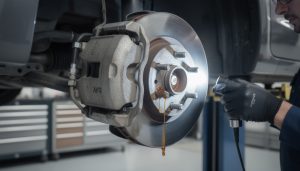
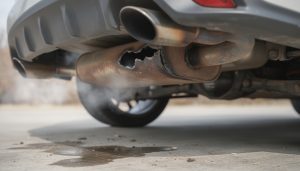
A visible brake fluid leak is a glaring sign that must never be ignored. The brake master cylinder relies on a sealed hydraulic system; any leakage disrupts the pressure needed to engage your brakes effectively. This usually manifests as fluid dripping beneath your vehicle or wet streaks around the back of the master cylinder, brake booster, or firewall areas.
What causes these leaks? The main culprit is usually the gradual deterioration of rubber seals inside the master cylinder. Over time, heat, moisture, and mechanical stress degrade these seals. Once compromised, they allow brake fluid to escape, causing a reduction in system pressure and, thus, brake performance. You might first detect this leak not visually but through a spongey brake pedal, which feels soft instead of firm.
Typically, a leak in the brake master cylinder is a terminal condition, necessitating a full replacement. Attempting to patch or temporarily fix the seals is unreliable and dangerous. A leaking brake system fundamentally undermines your vehicle’s ability to stop safely, and like any brake fluid issues, it demands immediate automotive repair by certified technicians.
If caught in time, brief symptoms like a fluctuating pedal feel or minor leaks can allow for planned maintenance rather than emergency replacement. However, persistent drops in brake fluid levels or visible fluid tracking are unmistakable indicators to stop driving and seek professional help.
Common locations of brake fluid leaks linked to master cylinder failure:
- Behind the brake master cylinder near the firewall
- Around the brake booster housing
- Under the vehicle in the front wheel area
Precautionary measures:
- Check the brake fluid level regularly during routine car maintenance
- Inspect the area under your vehicle for any fresh puddles or spots
- Have your brake system examined if you notice a change in brake pedal feel
Contaminated Brake Fluid: Invisible Enemy of Brake Master Cylinder Integrity
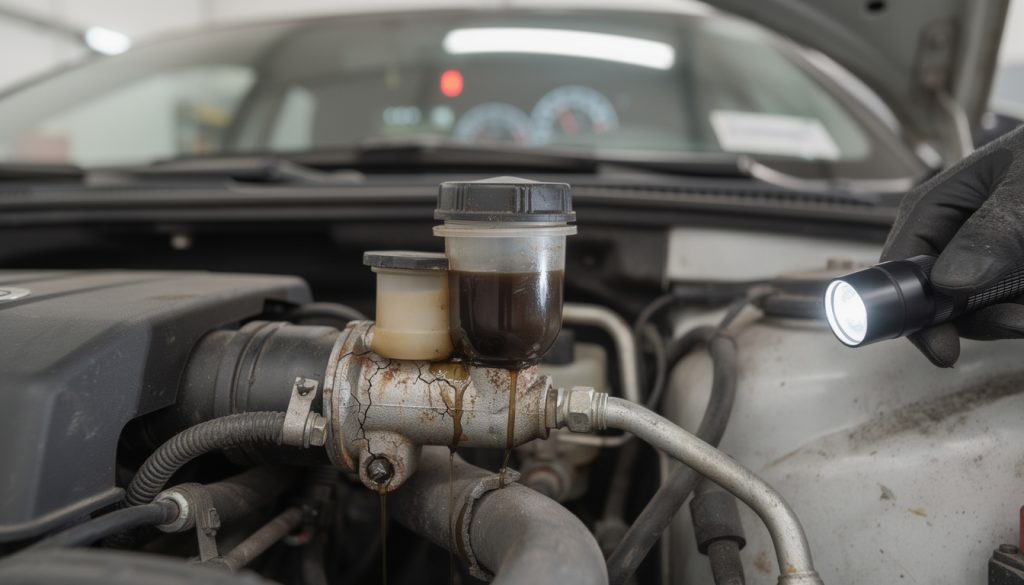
While leaks are a visible issue, brake fluid contamination is a less obvious yet equally dangerous problem. The brake master cylinder contains internal rubber seals that gradually wear out, allowing dirt, rust, and dust to enter the hydraulic system. These foreign particles contaminate the brake fluid, affecting its ability to transfer pressure reliably through the brake lines.
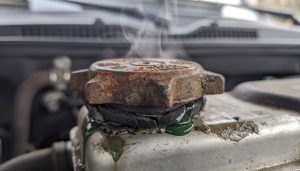
Brake fluid should ideally look clear or with a slight yellow tint. When contamination occurs, the fluid darkens to a murky brown or black hue. This discoloration reveals the presence of debris or degraded fluid chemically altered by moisture absorption and corrosion. Additionally, you may notice thick deposits or gunk accumulating around the master cylinder’s cap or reservoir bottom.
Contaminated fluid leads to uneven braking and increases wear on other brake components such as calipers. In fact, many brake problems overlap—for instance, a worn clutch master cylinder may also leak fluid or affect brake hydraulics similarly, which can confuse diagnostics in vehicles with integrated systems (learn more about clutch master cylinder signs).
💡 Expert Tip: Regular brake fluid replacement every two years or per manufacturer recommendations is a simple yet effective guard against contamination-induced failures in your brake master cylinder.
Understanding the Impact of Reduced Braking Power Related to Master Cylinder Issues
One of the most alarming signs of brake master cylinder failure is reduced braking power. This phenomenon can manifest as a longer stopping distance or delayed reaction when engaging the brakes. In some cases, only the front or rear brakes may be partially affected, indicating an internal fault dividing brake circuits—a safeguard to prevent total brake loss but a clear sign of trouble.
Reduced braking power is not exclusive to master cylinder faults; it can also result from air trapped in brake lines, deteriorated brake hoses, or aged brake fluid. Still, when coupled with other symptoms like the brake warning light or pedal irregularities, a failing master cylinder often tops the list of suspects.
Consider the case of a commuter noticing diminished control while braking during emergency stops. A quick inspection revealed an internal leak in the master cylinder’s dual circuit, which allowed pressure loss in one brake line. Prompt replacement of the master cylinder immediately restored braking reliability, proving the system’s intricacy and the importance of professional diagnosis.
In terms of safety, every meter gained by premature brake response can make the difference between avoiding an accident or facing a collision. Therefore, addressing reduced braking effectiveness promptly is critical.

Decoding Unexpected Brake Pedal Behavior and Its Connection to Master Cylinder Problems
Your brake pedal is your primary interface with the vehicle’s braking system and should consistently offer a firm and predictable response. When the pedal becomes spongey, unresponsive, or even sinks to the floor, it is a distress signal from your brake master cylinder or other hydraulic components.
The most common cause is air ingress in the hydraulic lines, which can often be fixed by bleeding the brakes and replacing old fluid. However, persistent spongey pedal behavior despite fluid changes typically means the master cylinder is leaking internally, losing hydraulic pressure.
Driving with a sinking brake pedal is extremely hazardous. It means the brakes are not engaging fully, risking brake failure at any moment. At this stage, immediate inspection and probable replacement of the brake master cylinder are mandatory.
Addressing this symptom is critical not only for your safety but also from an automotive repair and maintenance perspective. Early intervention can minimize the scope of repairs and reduce costs. For reference, issues like faulty brake calipers can sometimes mimic these symptoms but differ in repair approach and cost (read about faulty brake caliper signs).

| Warning Sign | Probable Cause | Impact on Braking | Recommended Action |
|---|---|---|---|
| Brake Warning Light | Pressure drop due to seal leak or fluid loss | Potential brake failure warning | Diagnostic check and immediate repair |
| Brake Fluid Leak | Worn or damaged master cylinder seals | Loss of hydraulic pressure, reduced braking | Master cylinder replacement necessary |
| Contaminated Brake Fluid | Seal deterioration, dirt ingress | Uneven braking, corrosion risk | Brake fluid flush and system inspection |
| Reduced Braking Power | Internal leakage or partial circuit failure | Increased stopping distance | Professional diagnosis and repair |
| Unexpected Pedal Behavior | Air in lines or internal master cylinder failure | Unpredictable braking response | Immediate brake system inspection |
Frequently Asked Questions About Brake Master Cylinder Failure
Can I drive safely with a sinking brake pedal?
No, a sinking brake pedal indicates severe loss of hydraulic pressure and can lead to brake failure. It is unsafe to drive under these conditions and a mechanic should inspect the brake system immediately.
How often should brake fluid be changed to avoid contamination?
Brake fluid should typically be replaced every two years or as recommended by your vehicle manufacturer. Regular fluid changes prevent contamination that can damage the brake master cylinder and other brake components.
Is it possible to repair a leaking brake master cylinder, or must it be replaced?
In most cases, a leaking master cylinder requires full replacement. Seal repairs or temporary fixes are unreliable and compromise brake safety.
What is the difference between brake master cylinder issues and ABS problems?
While both can cause brake warning lights and braking issues, ABS problems relate to the anti-lock braking system’s sensors and controllers. Master cylinder faults concern hydraulic pressure generation. For understanding ABS warning signs, see ABS control warning signs.