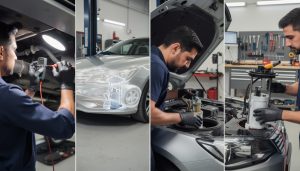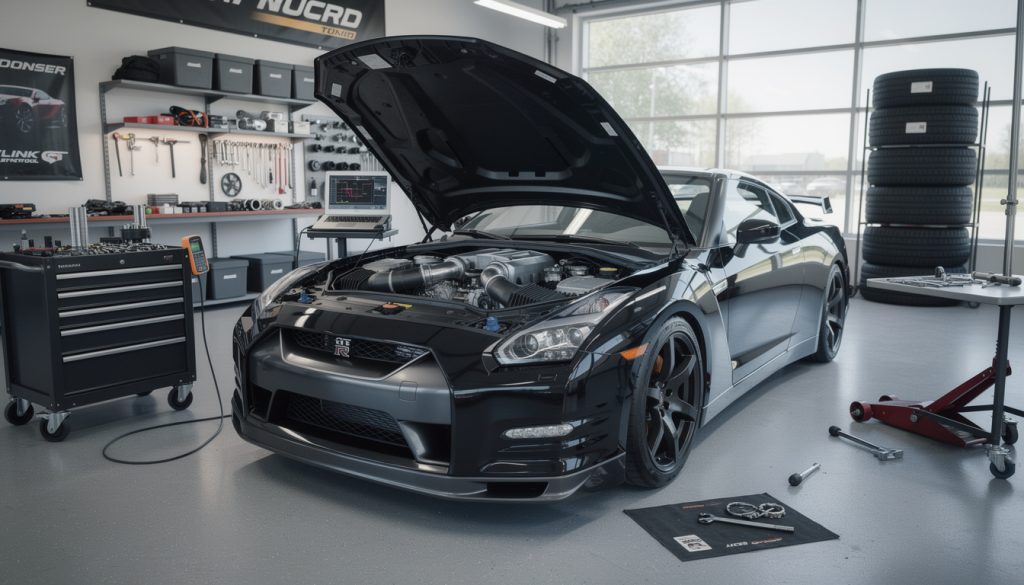
The Nissan GT-R, a legend in the supercar world, combines exhilarating performance with a rich motorsport heritage. Originating as the evolution of the iconic Nissan Skyline, the GT-R remains highly sought-after by enthusiasts worldwide. Yet, true automotive mastery involves understanding the vehicle’s strengths alongside its occasional shortcomings. This article dives deep into the common issues that owners and potential buyers face, drawing on meticulous insights from the breakerlink blog and other automotive data sources. By exploring specific areas such as engine faults, transmission issues, brake wear, and even headlight condensation, I aim to equip readers with detailed knowledge to maintain peak GT-R reliability and performance.
Whether you’re considering purchasing a used GT-R or already own this ferocious machine, knowing how to diagnose and prevent typical car problems can save both money and frustration. The GT-R represents more than just speed—it’s a sophisticated blend of engineering and technology, demanding targeted maintenance to preserve its legendary status. Let’s uncover the reality behind the myths and anecdotal stories, ensuring you make informed decisions about this renowned supercar.
Key Takeaways :
- Bearing rattle in the engine’s bell housing is the most frequent GT-R fault but rarely catastrophic if promptly addressed.
- Transmission and clutch issues dominate GT-R owners’ complaints, especially on early generation models.
- Brake components require rigorous inspection due to performance demands and can develop cracks affecting safety.
- Headlight condensation stems from design flaws, necessitating replacement rather than repair.
- Purchasing a GT-R requires thorough pre-purchase checks focusing on transmission smoothness and brake condition to avoid costly fixes.
Understanding the Nissan GT-R’s Engine Bearing Rattle and Its Impact
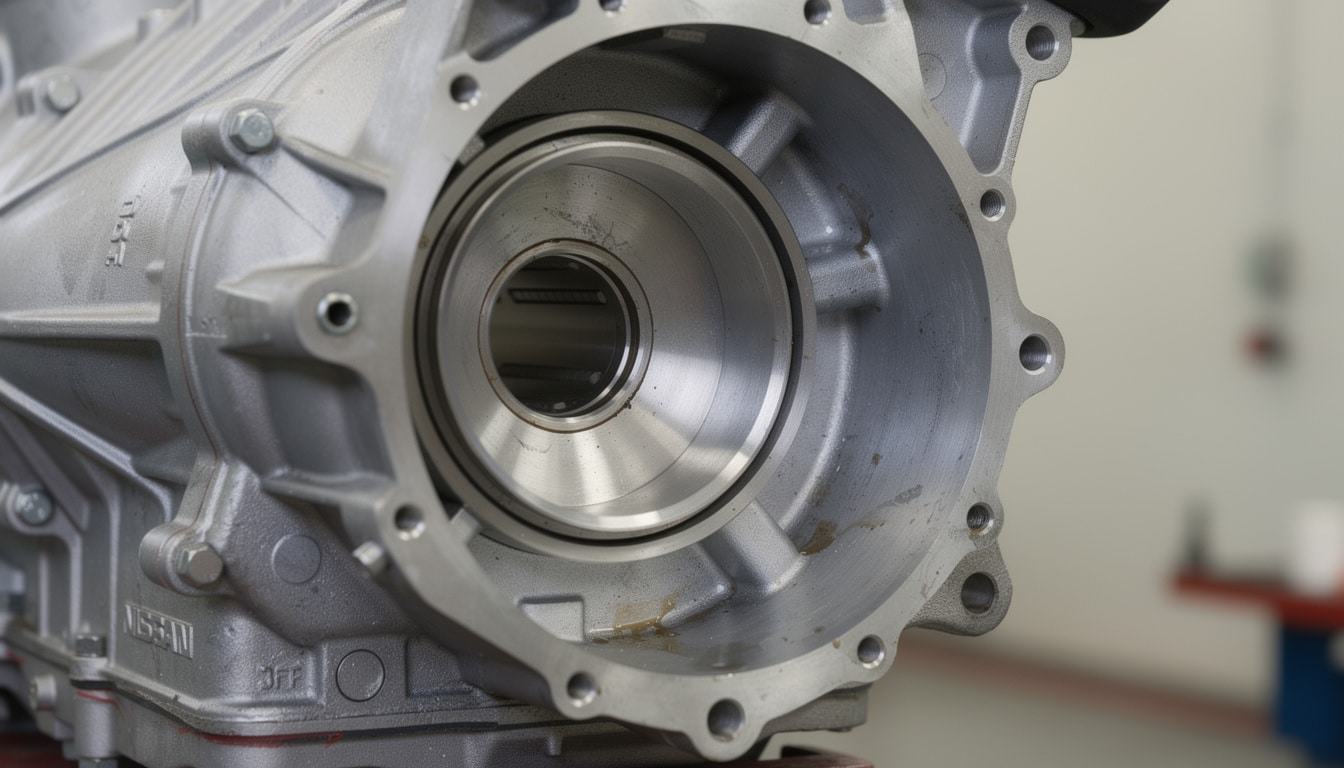
Among the various common issues plaguing the Nissan GT-R, the infamous engine bearing rattle stands out as the most perplexing and frequent. Rooted in the bell housing where the flywheel shaft connects, this problem manifests as a persistent rattling noise. The culprit? A loose bearing that vibrates within its casing due to fatigue.
This fault is not anecdotal; it appears across many model years, underscoring its systemic nature. The loose bearing’s movement may initially seem minor—almost ignorable. However, allowing it to deteriorate unchecked leads to progressive wear, which risks costly damage to surrounding components. While the manufacturer is aware of this issue, no definitive fix has been released, meaning owners and mechanics must navigate repairs cautiously.
From an engineering standpoint, replacing this bearing requires significant disassembly and expertise. The procedure goes beyond a simple parts swap: it demands precise alignment and torque calibration within the engine assembly. For the average GT-R owner, this is not a DIY job and typically necessitates a visit to an experienced Nissan technician familiar with the model’s intricacies.
Costs can be reasonable for the part itself, but labor may elevate the overall expense. A vital tip is to monitor unusual noises early and avoid postponing inspections. Excessive engine vibration can also subtly affect other drivetrain components.
💡 Expert Tip: If you notice bell housing rattles, do not ignore them. Early diagnosis prevents damage escalation. Request thorough engine vibration assessments during routine servicing.
Understanding this engine bearing issue reinforces the need for attentive GT-R maintenance. Ignoring such quirks may seem economical short term but risks severe mechanical setbacks that clash with the car’s reputation for performance reliability.
Transmission Troubles: Why GT-R Owners Should Pay Close Attention
The heart of the Nissan GT-R’s power delivery system is its advanced six-speed transmission paired with a sophisticated clutch system. However, the majority of complaints on breakerlink blog and automotive forums revolve around transmission faults. Particularly affecting early GT-R models, these transmission issues often relate to failing control solenoids leading to erratic shifting or component wear.
When purchasing a used GT-R, one cannot overstate the importance of assessing the gearbox’s condition. Symptoms such as delayed or jerky gear changes, unusual noises, or erratic clutch response signal underlying problems. Given Nissan’s policy of restricting gearbox part supplies, repair costs can soar, and the wait for genuine parts becomes a hurdle.
Several users have reported that neglecting these signs often results in complete clutch failure or damaged transmission internals—outcomes that require substantial overhauls, sometimes surpassing the car’s purchase price. Thus, early intervention and careful diagnostics are vital.
For enthusiasts who relish spirited driving, the transmission also endures stress from aggressive gear changes and rapid power delivery. Regular fluid changes with manufacturer-recommended oil are another key preventive measure to reduce damage from heat and friction.
- Common transmission symptoms to watch for:
- Delayed or rough gear engagement
- Unusual grinding or whining noises
- Clutch slippage or failure to engage fully
- Warning lights linked to gearbox electronics
These warning signs provide early warning, so do not overlook them during routine checks or test drives. Maintaining transmission health directly influences GT-R reliability and overall driving satisfaction.
💡 Expert Tip: Always request a transmission fluid analysis if buying used. Cloudy or metallic-content oil indicates excessive wear.

Brake System Wear: Tackling the High Demands on Nissan GT-R Brakes
The Nissan GT-R’s remarkable acceleration and handling demand a robust braking system capable of consistent performance. However, as expected from many high-performance vehicles, brake components on the GT-R are susceptible to accelerated wear under frequent aggressive use.
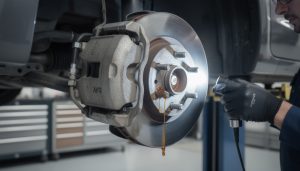
Brake discs with drilled holes are a defining feature of the GT-R, aiding heat dissipation. Still, these perforations become stress concentrators where small cracks frequently develop. Identifying these cracks early is critical since compromised discs lead to increased stopping distances and degraded handling, particularly on wet or slippery surfaces.
Visual inspections are straightforward: check around the drilled areas for any signs of cracking or discoloration. Additionally, drivers often report auditory cues such as squealing or grinding when brake pads or discs degrade. Failing brakes also contribute to uneven tire wear, which, given the cost of GT-R tires, can be a severe financial setback.
Maintaining brake system integrity involves scheduled pad and disc replacements and fluid changes. Deciding between OEM parts and aftermarket upgrades depends on driving style; track-focused owners often prefer high-performance brake kits designed to withstand elevated thermal stress.
| Brake Component | Common Issue | Recommended Maintenance | Expected Lifespan (Miles) |
|---|---|---|---|
| Drilled Brake Discs | Cracking near holes | Visual inspections every 10,000 mi | 25,000 – 40,000 |
| Brake Pads | Excessive wear, squealing noise | Check at every service, replace if less than 3 mm thickness | 15,000 – 30,000 |
| Brake Fluid | Moisture absorption leading to fading | Replace every 18 months or 20,000 miles | N/A |
Brake health directly relates to safety and driving enjoyment on a car as spirited as the GT-R. Taking proactive measures during routine checks will keep braking sharp and confidence high.

Condensation in Headlights: A Less Known but Annoying GT-R Design Quirk
Beyond the mechanical and drivetrain concerns, the Nissan GT-R’s headlights present an unusual—yet widely reported—feature among owners: condensation build-up inside the headlight assembly. This isn’t a failure due to neglect but stems from a design flaw where insufficient venting and sealing allow moisture ingress.
Visible water droplets inside the headlight can diminish illumination effectiveness, particularly during night driving or wet conditions. Unfortunately, these assemblies are sealed and not designed for user disassembly, so clearing moisture permanently is challenging.
The common remedy involves full replacement of the headlight unit, sometimes costlier than expected due to the car’s performance-oriented parts inventory. Avoiding excessive water exposure is impractical, but sensitive washing techniques may reduce moisture ingress risk.
For collectors or those keeping their GT-R pristine, monitoring headlights and acting promptly upon spotting condensation prevents potential wiring damage or fogged lenses permanently impacting aesthetics and safety.
💡 Expert Tip: Use breathable covers during car storage to minimize moisture accumulation inside lights in humid environments.
Informed Ownership: Navigating Nissan GT-R Common Issues for Long-Term Satisfaction
Owning a Nissan GT-R is an exhilarating experience imbued with engineering marvels and impressive performance. However, awareness and proactive management of common issues are key for sustained enjoyment. From engine bearing rattles to transmission reliability and brake endurance, each component plays a critical role in overall GT-R health.
This supercar embodies high-performance engineering but demands superior care standards. Ignoring typical signs, such as erratic gearbox behavior or minute brake disc cracks, not only endangers safety but escalates repair costs. Meanwhile, less obvious issues like headlight condensation remind us that even advanced vehicles harbor design compromises.
Prospective buyers should prioritize comprehensive pre-purchase inspections focusing heavily on the transmission and braking systems. Regular maintenance and specialized servicing from certified technicians familiar with GT-R quirks enhance performance troubleshooting and vehicle longevity.
In short, the Nissan GT-R delivers a blend of excitement and exclusivity at a relatively accessible price point compared to hyper-exotic competitors. A well-maintained GT-R continues to serve as both a reliable daily sportscar and a thrilling weekend machine—solidifying its place in automotive lore.
What causes the Nissan GT-R engine bell housing rattle?
The rattling arises from a loose bearing at the end of the flywheel shaft inside the bell housing, which vibrates due to fatigue and wear. This is a known issue affecting many GT-Rs.
How can I detect early transmission problems in my GT-R?
Look for delayed or rough gear shifts, unusual noises during gear changes, and clutch slippage. Regular servicing and transmission fluid checks can prevent further damage.
Are the GT-R’s brake problems dangerous?
Yes, cracks in the drilled brake discs and worn pads reduce braking efficiency and increase stopping distances, especially on wet roads, affecting overall safety.
Can I fix headlight condensation myself?
Headlight condensation in the GT-R is due to design faults and sealed units. The practical fix is replacement of the entire headlight assembly.
Is the Nissan GT-R a reliable supercar overall?
While the GT-R has some typical issues like transmission and engine bearing rattles, regular maintenance and expert care ensure it remains a reliable and thrilling sports car.