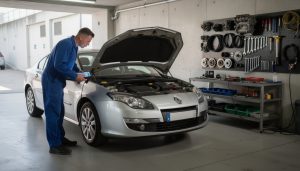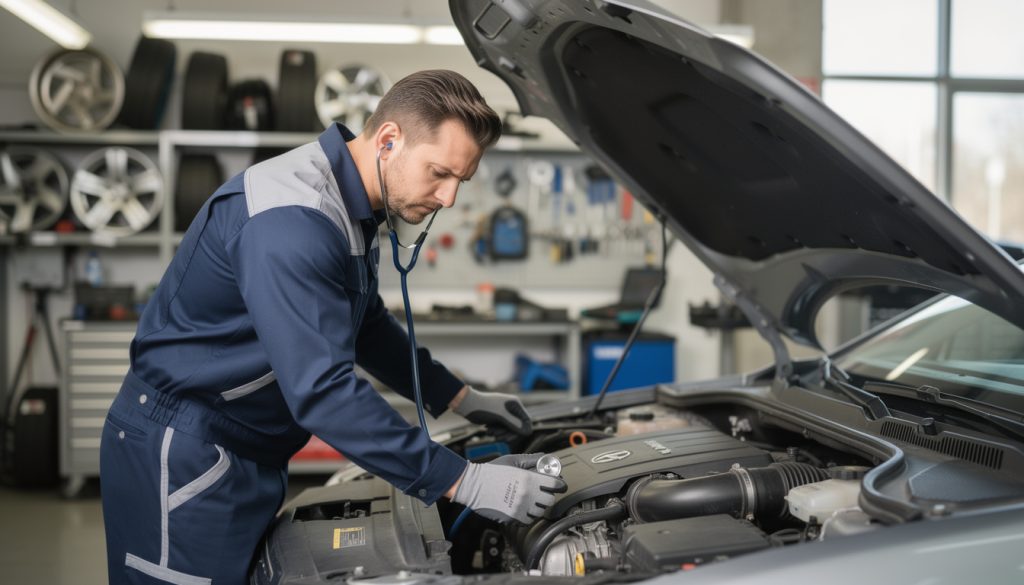
Hearing an unusual noise from your car can immediately trigger concern, but understanding what these sounds indicate is key to effective car diagnosis and automotive troubleshooting. Every creak, knock, or whistle is a vital clue—one that can help you pinpoint underlying mechanical issues before they escalate. With the right knowledge in sound analysis and auto diagnostics, drivers gain an edge in maintaining their vehicle’s performance and safety, avoiding costly car repair bills.
Learning to interpret engine sounds and other noises your vehicle produces is not just for mechanics—any driver attentive to these audio cues can detect early signs of problems. From the engine bay to the suspension, the vehicle’s “language” through sound offers vital insights into its health. This article sheds light on the art of sound tuning your awareness, making vehicle maintenance more proactive and less reactive.
Key Takeaways :
- Unusual engine sounds often signal urgent mechanical issues such as valve lifter problems or crankshaft bearing failure.
- Brake and suspension noises help localize faults like worn pads, faulty calipers, or suspension component wear.
- Rear-end noises such as backfiring or rasping suggest exhaust system or differential issues.
- Steering-related sounds indicate problems with CV joints, power steering, or belt tensioners requiring prompt attention.
- Timely sound recognition can prevent secondary damage and expensive repairs, boosting road safety.
Decoding Engine and Transmission Noises: Practical Approaches to Car Diagnosis
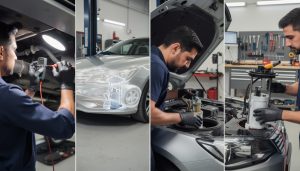
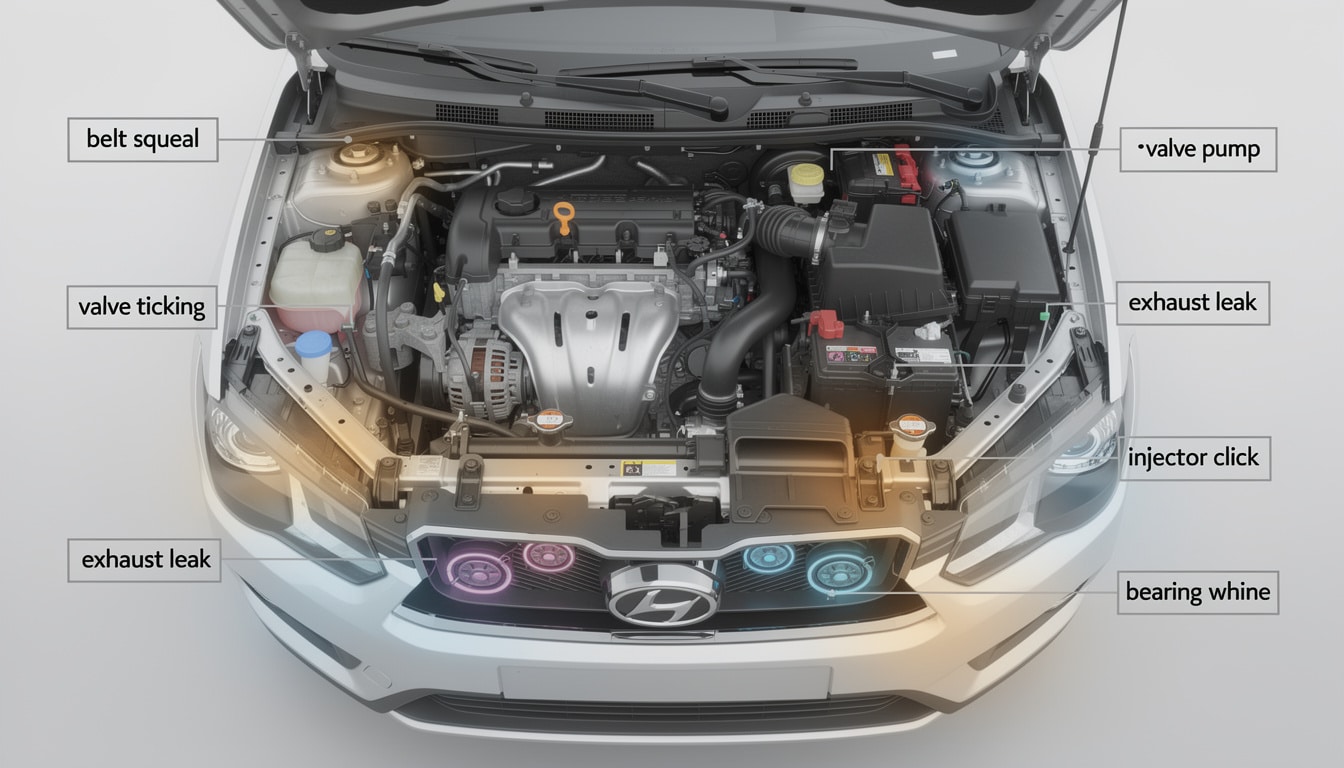
One of the first places I focus on during car diagnosis is the engine compartment, as it hosts a variety of components whose distress often manifests as specific sounds. For instance, a tapping or knocking noise frequently originates from valve lifters. A light tapping might hint at the need for valve clearance adjustment, which is generally a straightforward service task. On the contrary, a heavier knocking often points to more severe problems like crankshaft bearing wear or failing big-end bearings — issues that demand immediate attention due to potential engine failure.
Another common auditory signal is a screeching or squealing noise under acceleration. This is usually related to the fan belt system. I often observe the rubber belt becoming brittle and losing tension or the tensioner pulley starting to malfunction, both of which can cause slippage and the characteristic high-pitched sound. Ignoring this can lead to belt failure, which might cause further damage to alternators or water pumps.
Hissing sounds suggest escaping air from the intake or fuel system, but they can also hint at serious problems like a leaking head gasket. If you notice coolant leaks paired with a persistent hissing noise, I recommend checking for gasket integrity without delay.
A clicking or tapping noise that intensifies with engine speed often signals insufficient oil lubrication, either from low engine oil or blockages in the oil pathways. In such cases, verifying oil levels and inspecting the oil circulation system is critical. If those are fine, collapsed valves may be responsible, a condition requiring professional evaluation.
Persistent rattling or pinging while accelerating usually ties back to combustion issues such as detonation, pre-ignition, or spark knock. These conditions degrade engine performance and longevity if left unresolved and typically result in costly repairs. Diagnosing this early involves analyzing fuel quality and ignition timing adjustments.
When shifting gears, a grinding or crunching sound highlights worn gearbox components or failing synchronizers, often linked to high mileage. Clutch or transmission repairs are frequently the outcome of neglecting these sounds over time.
Essential Brake and Suspension Noise Identification for Accurate Automotive Troubleshooting
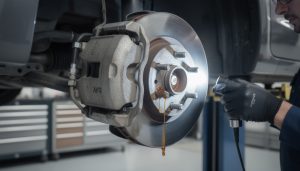
Moving from the engine to the braking and suspension systems, distinct sounds often point directly to particular faults, making this a rich area for practical sound analysis in vehicle maintenance. A common alert sound is a metallic screech or scraping, usually a brake wear indicator. Manufacturers design a small metal tab on brake pads to produce this high-pitched noise when pads are nearing replacement, helping drivers avoid rotor damage.
However, a clunking noise during braking, especially if the brake pedal feels soft or less responsive, can signal caliper damage or incorrect mounting—issues that impair braking safety and need urgent mechanical intervention.
If you hear a whistling or rattling noise near the wheels, don’t rush to diagnose a wheel bearing failure immediately. Frequently, this noise results from debris like a stone trapped between the brake disc and dust shield, causing vibrations that amplify through the suspension system. A visual wheel inspection can quickly confirm this simple fix.
Bumps and potholes causing knocking or clunking sounds usually stem from suspension problems such as bad ball joints, worn control arms, or faulty stabilizer pins. As part of my routine checks, I recommend a bounce test to detect suspension abnormalities, which can be addressed before they escalate into hazardous handling issues.
| Sound | Likely Cause | Recommended Action | Repair Estimate |
|---|---|---|---|
| Metallic screech | Brake pad wear indicator | Brake pad replacement | $100 – $250 |
| Clunking on braking | Caliper damage/misalignment | Caliper repair or remount | $150 – $300 |
| Rattling near wheels | Debris trapped in brake system | Remove debris, inspect discs | Minimal to none |
| Knocking on bumps | Worn suspension components | Component replacement | $200 – $600 |
Identifying Rear-End Vehicle Noises: Insights into Exhaust and Differential Sound Tuning
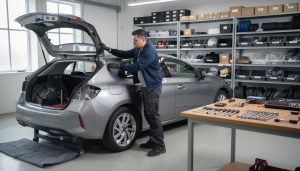
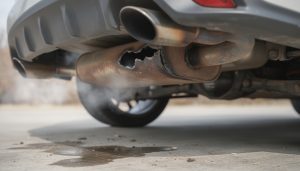
Rear-end noises often provide early warnings about exhaust and drivetrain conditions. A loud bang or backfire is typically caused by a misfire due to an improper air-fuel mix, creating combustion inside the exhaust. This can be traced back to fuel system inefficiencies or ignition timing faults. For detailed guidance on backfiring, refer to this resource that explains common causes and fixes.
Rasping or roaring sounds while accelerating suggest exhaust leaks or deteriorated mufflers. Such issues, although inconvenient, usually require straightforward replacements at an exhaust center. If accompanied by scraping noises, it could indicate broken or missing exhaust mounts causing the piping to drag against the road surface, risking further damage.
Howling or whirring noises emanating from the rear point to differential problems. In my experience, worn bearings, pinion preload issues, or gear wear inside the differential frequently cause this distinctive sound. Since this is a mechanically dense and complex area, early diagnosis and repair should not be postponed to prevent drivetrain failure.
Steering and Turning Sounds: Diagnosing CV Joint, Power Steering, and Belt Issues
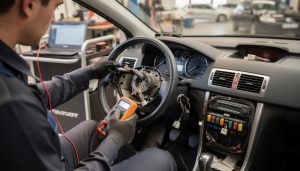
Steering-related noises often arise from the CV joints or power steering systems. A clunking or clacking sound reminiscent of a train crossing tracks indicates CV joints are excessively worn and potentially failing. Since these joints are critical for smooth power delivery to wheels during turns, failure risks losing control of the vehicle, making timely repair vital.
When experiencing groans or moans during steering, especially with a hydraulic power steering system, a failing power steering pump is often to blame. This can lead to loss of steering assist, increasing driving effort and hazards on the road. Likewise, a screeching noise with steering movements may indicate a loose or worn power steering belt requiring adjustment or replacement.
Managing these sounds proactively improves safety and can reduce long-term maintenance costs significantly.
Essential Sound-Based Checks and Repairs Every Driver Should Know
Recognizing symptoms from car sounds enables drivers to act swiftly and reduce the risk of compounded mechanical failures. Here’s a condensed checklist based on consistent patterns I’ve observed in my diagnosing routine:
- Check oil levels and flow system if engine tapping or knocking arises.
- Inspect belts and pulleys when hearing squealing during acceleration.
- Replace brake pads promptly upon first metallic screechs to avoid rotor damage.
- Perform bounce tests and visual inspections for suspension clunks over bumps.
- Evaluate exhaust and mount integrity if rear rasping or banging occurs.
Failing to address these signs can exponentially increase repair costs and risk, such as oil lubrication failure affecting engine longevity or worn suspension compromising handling.
💡 Expert Tip: When a new noise appears, record it with your phone at idle and during acceleration. This helps mechanics diagnose the issue more efficiently, speeding up repairs.
For comprehensive vehicle maintenance leveraging sound detection, integrating software tools specialized in engine sounds and fault identification is growing in popularity. These apps use artificial intelligence to compare your car’s noises with known fault databases, greatly aiding non-expert users in auto diagnostics.
If you’re curious about specific issues like turbocharger faults or fuse replacements, resources like Turbocharger Failure Signs and Car Fuse Replacement provide practical, step-by-step advice to enhance your troubleshooting skills.
How quickly should I act when hearing engine knocking?
Engine knocking signals serious internal wear; it’s best addressed immediately to avoid catastrophic damage and expensive repairs.
Can I drive safely with brake pad squealing?
Brake pad squealing is a warning. Continuing to drive can damage rotors and reduce braking efficiency, so replace the pads promptly.
What causes a rattling noise in the suspension when going over bumps?
Rattling often stems from worn suspension components like ball joints or stabilizer links. A mechanic’s inspection is advised.
Why does my car make a loud bang from the rear when accelerating?
This is usually backfiring caused by ignition or fuel mixture problems in the exhaust system that should be checked soon.
How do I know if my CV joints need replacing?
Clunking or clicking noises while turning, especially when accelerating, are key symptoms of failing CV joints requiring replacement.