Hazard lights often appear to be a simple feature, yet their correct use is vital for road safety and emergency signaling. Misuse of these vehicle signals can cause confusion, increase accident risk, and even lead to legal consequences. Understanding when to use hazard lights and the traffic regulations governing their use helps drivers communicate clearly and avoid fines. This article demystifies the proper application of hazard lights, clarifying their role in accident prevention and driving etiquette in various situations.
Key Takeaways :
- Hazard lights should be used to warn other road users only during vehicle breakdowns or when causing an obstruction.
- Using hazard lights on single carriageways or while driving slowly is often prohibited and can confuse other drivers.
- On motorways, hazard lights can signal immediate danger or obstruction ahead but must be used sparingly and switched off promptly.
- Activating hazard lights disables the turn signals, so be cautious to avoid sending mixed signals during lane changes or turns.
- Misusing hazard lights, such as to reserve parking spots or thank other drivers, violates traffic regulations and can result in penalties.
How Hazard Lights Function and the Basics of Emergency Signaling
Hazard lights, also known as emergency flashers, operate by illuminating all four indicator lights on your vehicle simultaneously. This distinct flashing alerts other drivers to your vehicle’s unusual stop or potential hazard. Since 1965, UK vehicles have been legally required to have indicators, primarily orange lights that communicate turning intentions. The hazard system uses these indicators collectively to create a universal warning.
In practice, you activate the hazard lights by pressing a red button marked with double triangles, typically found on the dashboard. Once engaged, the system emits both a flashing visual signal and an audible clicking noise, confirming activation. To deactivate, simply press the button again. This mechanism ensures that the driver can easily toggle the safety signal without diverting too much attention during emergencies.
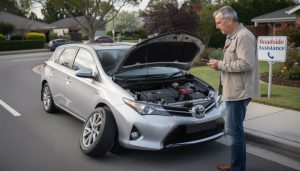
The primary function of hazard lights is to enhance road safety by signaling emergencies that require immediate caution from other drivers. For example, if your vehicle suffers a breakdown or is involved in an accident, switching on hazard lights alerts oncoming traffic to potential obstructions or dangers, helping to prevent secondary collisions.
💡 Expert Tip: Always check that your hazard lights are visible from a distance and are not obscured by road conditions or the vehicle’s position. Poor visibility can defeat their purpose and increase accident risk.
Recognizing Appropriate Situations for Using Hazard Lights Based on Traffic Regulations
The UK Highway Code gives clear guidance on the appropriate use of hazard lights, balancing safety with legal compliance. The fundamental rule is that hazard lights should only be used when your vehicle causes an obstruction, such as in breakdowns, accidents, or road hazards.
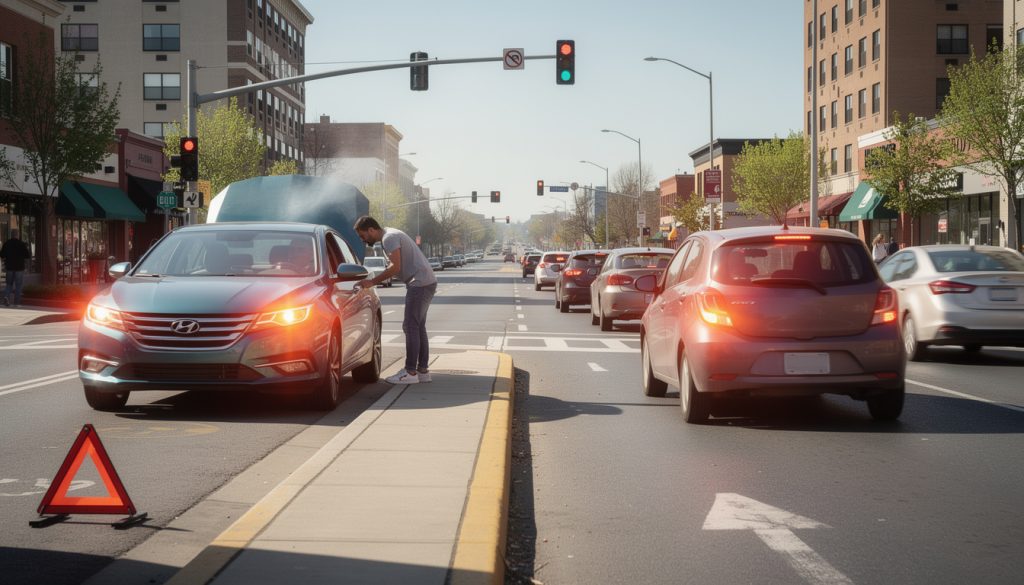
When you stop unexpectedly on a motorway or dual carriageway, hazard lights must be switched on to alert other motorists of your presence. This is the only circumstance where they should remain activated for an extended period. For example, a driver stuck in a breakdown lane during heavy traffic must visibly warn others to slow down and change lanes if possible.
Using hazard lights correctly requires mindful observation of your vehicle’s visibility and the traffic flow. At night or during fog, activating your hazard lights earlier than in clear conditions provides crucial seconds for others to react safely. However, the lights should not be turned on if the vehicle is parked temporarily in a non-obstructing position.
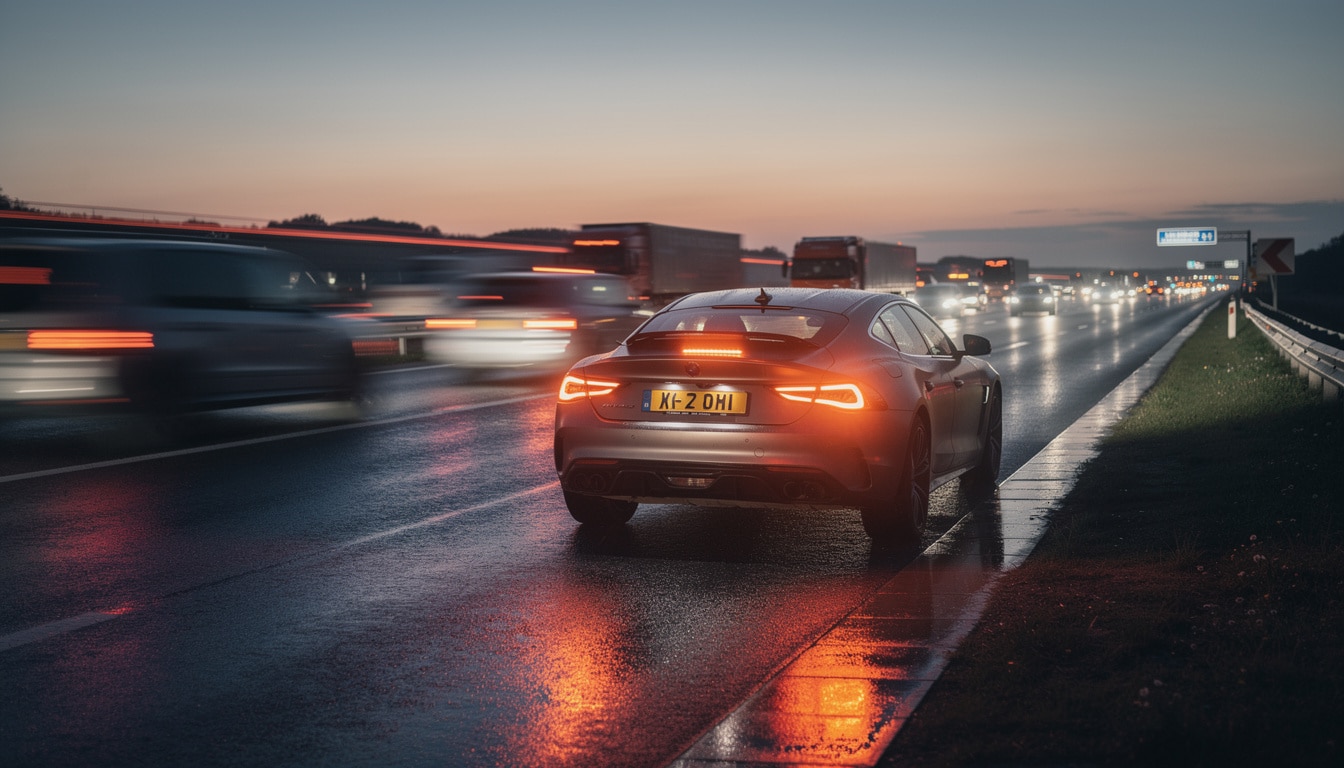
Hazard lights also have a specific role while driving on motorways: they may be used temporarily to warn drivers about sudden hazards ahead. This might include debris or stalled vehicles on the road. The key is to use them sparingly and only long enough for other motorists to register the warning, typically just a few seconds. Leaving hazard lights on without immediate cause can lead to misinterpretation and unsafe driving maneuvers around your vehicle.
Misunderstanding of these rules can lead to common infractions. For instance, according to vehicle-related incidents like occasional electrical faults sometimes cause hazard lights to malfunction or behave unpredictably, leading drivers to misapply them in confusion.
When You Should Activate Hazard Lights
- During vehicle breakdowns or mechanical failure on major roads;
- After road traffic accidents when the vehicle blocks the road;
- In low visibility conditions to improve your vehicle’s visibility when stationary;
- To warn other drivers of an immediate hazard ahead while driving on motorways or dual carriageways;
When Hazard Lights Should Not Be Used
- While towing a vehicle, as the tow vehicle’s signals are sufficient;
- When parked in restricted areas like pedestrian zones or no-parking streets;
- To indicate gratitude to other drivers — use gestures instead;
- When driving slowly or hesitant in single carriageway roads;
- For reserving parking spaces or stopping briefly without obstruction;
The Risks and Consequences of Hazard Light Misuse on Road Safety
Incorrect use of hazard lights can actually increase risk rather than reduce it. When all indicators flash simultaneously, it disables normal turn signals, making it impossible for other drivers to anticipate your lane changes or turns accurately. This disruption in communication can lead to confusion and accidents, especially on busy roads.
Furthermore, using hazard lights while driving slowly or cautiously in regular traffic can cause other drivers to misinterpret your intentions. They might mistake your flashing lights as a signal for an emergency stop or obstruction, leading to erratic driving behaviors such as sudden braking or unnecessary overtaking maneuvers, which can escalate road hazards.
Parking illegally with hazard lights on also carries legal consequences. Some drivers wrongly believe that flashing hazard lights exempt them from parking fines or towing, but this is a widespread misconception. Municipal authorities view this misuse as non-compliance with parking regulations, often issuing penalties or removing vehicles.
Regular maintenance of your vehicle’s indicator and hazard light bulbs is essential. A malfunction, such as a blown indicator bulb, can cause erratic signaling when hazards are activated, confusing other drivers and undermining safety. For drivers dealing with unusual electrical issues, such as those reported in the car fuse replacement domain, prompt attention to repairs is critical.
💡 Expert Tip: Before setting off on long trips, test both your indicators and hazard lights under controlled conditions. This simple check can prevent emergency signaling failures during critical moments.
How to Use Hazard Lights Responsibly: Practical Advice for Drivers
Using hazard lights properly requires conscious effort and understanding of their purpose. When stationary due to obstruction, turn on hazard lights and keep them lit until you can safely move the vehicle or roadside assistance arrives. This alerts other drivers to slow down and navigate around your vehicle safely.
While driving on motorways, if you spot a potential hazard, flashing hazard lights briefly can warn vehicles behind you. However, always deactivate them immediately after ensuring the message has been transmitted. Prolonged use on the move can disrupt traffic flow and increase accident risk.
An important point to consider is that activating hazard lights disables your standard indicators. If you plan to turn or change lanes at the same time, you could be sending conflicting signals. Avoid combining maneuvers with hazard lights active to maintain clarity for other road users.
In urban environments, avoid using hazard lights to claim temporary parking or to express gratitude to other drivers. Courtesy and patience are better communicated with standard hand signals or driving etiquette.
| Situation | Proper Use of Hazard Lights | Incorrect Use | Potential Consequence |
|---|---|---|---|
| Vehicle breakdown on motorway | Activate hazard lights immediately and stay visible | Do not use hazard lights on single carriageway roads | Risk of rear-end collision, confusion to drivers |
| Parking in restricted zone | Do not park; hazards not a valid exemption | Use hazard lights to indicate brief stop | Fines, towing, legal penalties |
| Driving slowly searching for address | Drive cautiously, no hazard lights | Use hazards to warn following vehicles | Confusion, impaired traffic flow |
| Accident blocking road | Hazard lights on; official help awaited | No warning signal | Increased accident risk, delayed assistance |
Global Perspectives and Country-Specific Traffic Regulations on Hazard Light Usage
While the UK Highway Code provides strong guidelines, hazard light usage rules vary significantly worldwide, affecting road safety culture and legal expectations. For instance, in the US, some states permit use of hazard lights to alert drivers to slow-moving vehicles or inclement weather conditions, while others restrict use strictly to emergencies.
Understanding local traffic regulations when driving internationally is crucial. Misuse could not only endanger safety but also attract legal penalties or fines. Certain European countries enforce stricter penalties for improper hazard light use, emphasizing their role only during vehicle immobilization or accidents. Meanwhile, in some Asian countries, using hazard lights as a thank-you or warning tool is socially customary but illegal per official traffic codes.
Keeping abreast of these differences is particularly relevant as more drivers opt for cross-border travel or purchase used vehicles documented in sites like buying used VW Polo, where vehicle signaling systems might vary slightly.

Continuing education on driving etiquette and emergency signaling should be part of every driver’s routine. Familiarizing oneself with country-specific traffic regulations and always prioritizing clear, legal, and predictable vehicle signals will enhance overall road safety.

Can I use hazard lights while driving in heavy traffic?
Hazard lights should only be used on major roads like motorways to warn of immediate danger. Using them in heavy traffic outside these areas is discouraged, as it can confuse other drivers and disrupt traffic flow.
Is it legal to use hazard lights when parked in a no-parking zone?
No, using hazard lights does not exempt you from parking restrictions. Parking in prohibited areas with hazard lights on can lead to fines or towing.
What should I do if my hazard lights are not working?
If your hazard lights malfunction, have them inspected and repaired immediately. Faulty hazard or indicator lights can cause serious safety issues and may lead to misunderstandings on the road.
Are hazard lights helpful in poor weather conditions?
Hazard lights may improve visibility if your vehicle is stationary due to weather-related issues, but using them while moving in rain or fog may confuse other drivers. Use appropriate low-beam headlights and fog lights instead.
Can hazard lights be used to thank other drivers?
No, signaling thanks with hazard lights is unsafe and discouraged. Use hand gestures or other standard driving etiquette instead.