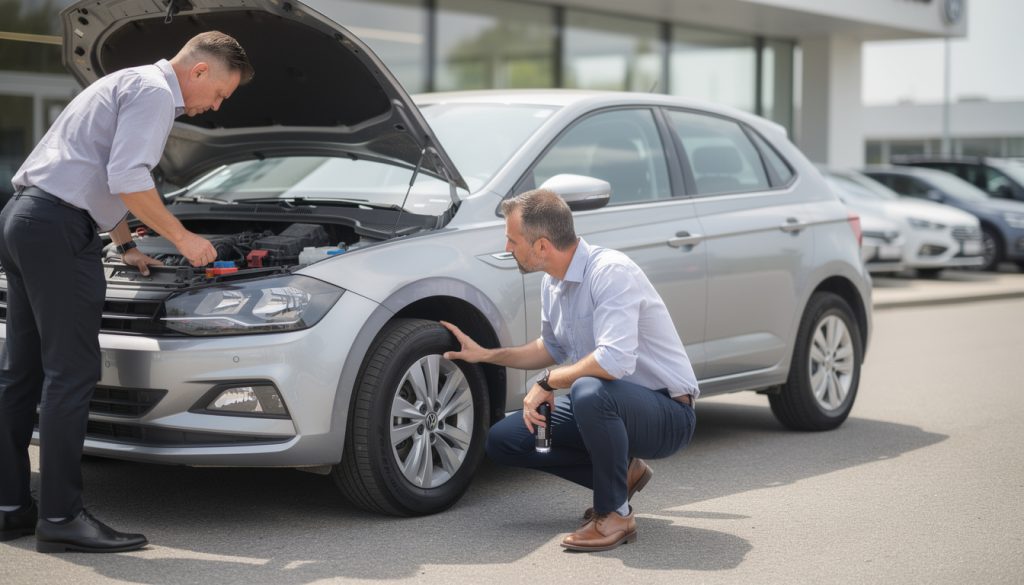
Purchasing a used VW Polo can offer a remarkable blend of German engineering, practicality, and affordability. However, it’s crucial to know precisely what to look for to avoid unexpected issues. With six generations on the road since 1975, this compact hatchback presents many buying options but also a variety of potential mechanical and electronic pitfalls. Understanding these can save you time, money, and stress while securing a dependable vehicle.
Key Takeaways :
- Inspect electric windows carefully as they tend to jam, especially in Highline trims.
- Verify rear seatbelt safety for models between 2017 and 2018 due to known locking issues.
- Check fuel system integrity, notably for TDI/TSI engines and diesel models between 2010-2014 for potential leaks.
- Ensure the timing chain has been replaced if the car has more than 60,000 miles to avoid costly engine failure.
- Confirm all airbag recalls and repairs have been performed to guarantee safety compliance.
What To Look For When Inspecting a Used VW Polo’s Electric Windows
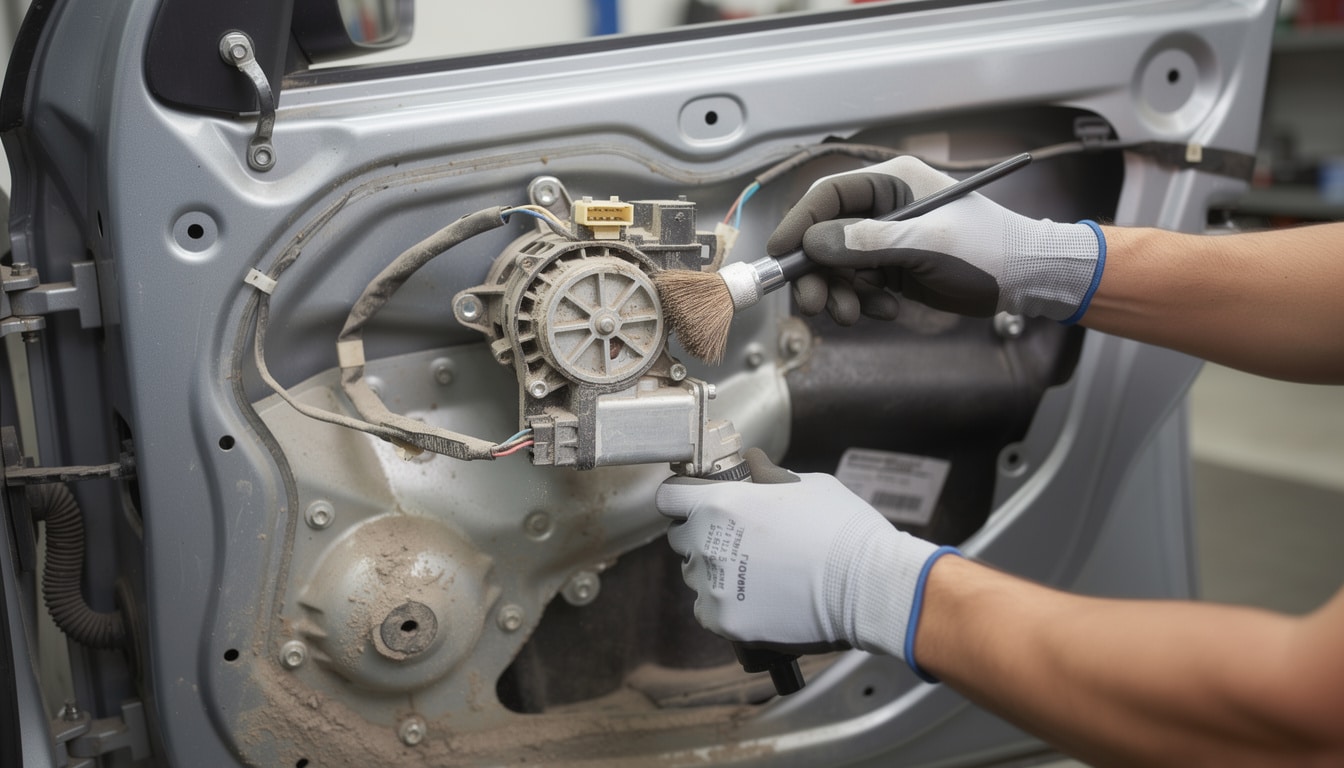
When I first examine a used VW Polo, one of the earliest signs of wear I check involves the electric windows, notably prevalent in Highline and Highline Plus trims. Owners often report difficulty with the windows becoming stuck or sliding with hesitation. This blockage occurs because dirt and debris tend to gather inside the window channels, increasing the resistance against the electric motor.
This issue leads to two main consequences: the window may get stuck partway, or the motor is forced to overwork, risking premature burnout.
To diagnose, simply test each window multiple times during the test drive and listen for sounds of strain or grinding. A well-maintained window should move smoothly without pauses. Sometimes, early signs of sticking can be rectified by lubricating the window channels, a cheap and quick fix. If the motor or control buttons are worn out, however, replacement can become necessary and raise repair costs by approximately $150 to $300.
While not typically a deal-breaker, prolonged neglect may signal overall poor maintenance, so I emphasize electric window checks as a red flag during inspection.
Rear Seatbelt Safety Checks for 2017–2018 VW Polo Models
One less obvious but potentially serious fault to watch for lies in the rear seat belts on Polos manufactured between 2017 and 2018. A known defect affects the middle passenger’s seatbelt locking mechanism on the left side. In dynamic conditions such as high-speed lane changing, the rear passenger’s weight shift can cause the left seatbelt to unintentionally unbuckle.
This problem poses a significant safety risk and should never be overlooked. Since it’s hard to detect with a casual test, I highly recommend requesting a vehicle history check and consulting a VW dealership. They can verify if a spacer part has been installed to rectify this issue as part of official recalls or warranty repairs.
Ignoring this defect can compromise the vehicle’s safety rating and your peace of mind. If you’re buying a used Polo from this period, insist on documentation proving the modification has been completed or consider passing on that particular vehicle.
Common Fuel System Issues and How to Detect Them in Used VW Polos
Fuel system reliability varies among the VW Polo lineup depending on engine type and manufacturing year.
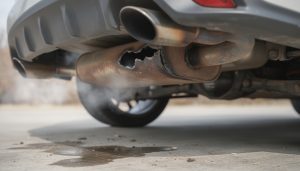
For turbocharged TDI and TSI engines, popular for their punchy performance but complex design, mechanical problems like fuel leaks and turbo wear have surfaced frequently in trade circles. Before committing, I suggest bringing a mechanic with turbo engine experience to thoroughly inspect the fuel injection lines, boost pressure, and look for signs of leakage or worn parts.
The 1.2L diesel models from 2010 to 2014 present a more specific hazard: a crack can develop in the fuel filter causing serious leaks, which poses not only a performance issue but also a safety risk. The good news is these repairs are usually recorded in the vehicle’s service history, and the parts replaced under recall if the car was kept up to date. I always urge buyers to have the car’s registration checked with a VW dealer to confirm the fix.
- Always visually inspect underbody fuel lines
- Review service records for fuel system maintenance
- Conduct a smell test during idle for fuel odors
Overlooking these simple checks can lead to costly repairs upwards of $500, potentially rising to $1,200 in case of turbocharger damage.
Timing Chain and Engine Reliability: What Mileage Should Concern You?
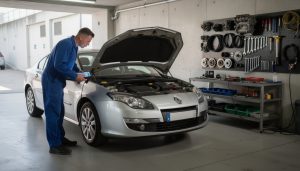
The VW Polo timing chain is a crucial yet vulnerable component, especially past 60,000 miles. If a timing chain fails, the resulting engine damage can be catastrophic and expensive to repair or replace. For any used Polo exceeding this mileage, the first step is to scrutinize maintenance records for evidence of timing chain or belt replacement.
Symptoms of impending timing chain trouble include:
- Rattling noises from the engine bay
- Unexpected stalls or engine shutdowns
- The “check engine” warning light illuminating
If these signs are present, walking away from the deal is often the safest course as replacement costs can reach thousands of dollars — far beyond a simple used car purchase budget.
💡 Expert Tip: Always ask for a compression and timing check done by a professional before finalizing your purchase on high-mileage models.
Checking for Airbag Recalls and Safety Compliance on a Used VW Polo
Safety must always be a priority. Certain VW Polo production runs have reported airbag malfunctions ranging from inadvertent deployment to failure to inflate when needed. Notably:
- Models February to August 2014: potentially faulty accelerator sensor triggering airbag unexpectedly.
- Models August to October 2020: airbag detachment in cold conditions risking passenger injury upon deployment.
- 2007 Polos: risk of overinflation and metal fragment release due to heat/humidity exposure.
Before buying, check the vehicle registration with official recall databases or ask the dealer for documentation proving all required safety fixes were applied. Driving a vehicle with unresolved airbag faults is a liability no responsible buyer should accept.

These faulty systems have been responsible for recalls that every serious buyer should know about.
Practical Buying Tips and Negotiation Advice to Avoid Common Pitfalls
Many buyers underestimate the value of a thorough test drive. When test driving, watch for rough idling, misfires, and sluggish acceleration — typical signs that components like coil packs or spark plug wells may have issues. If the dashboard lights up with the engine management unit (EMU) warning, this means immediate diagnosis is essential.
Remember, a used car that runs smoothly during a 15-minute test is one thing; one that has a full service history, low mileage, passed safety recalls, and no hidden cosmetic damage is gold.
Regarding negotiation, leverage the cost of any outstanding repairs or required maintenance to bring down the purchase price. If the warranty is transferable, confirm the details with the dealer, as this can add considerable value by protecting you from unexpected costs in the first years.
Useful checklist for your VW Polo buying inspection:
- Verify vehicle history including mileage and accident records
- Confirm all warranty work and recall repairs completed
- Perform electric window, seatbelt, and windscreen washer tests
- Inspect fuel system and engine bay for leaks and noises
- Review timing chain/belt replacement and listen for engine rattles
- Test drive with attention to idling smoothness and power delivery
| Common VW Polo Issue | Symptoms | Repair Cost (Estimate) | Severity |
|---|---|---|---|
| Electric Window Motor Failure | Sluggish or stuck windows, motor noise | $150 – $300 | Moderate (affects usability) |
| Rear Seatbelt Lock Fault | Unbuckling during cornering | Free under recall; parts installation by dealer | High (safety risk) |
| Fuel Leak (Diesel 2010-2014) | Fuel smell, visible leak near filter | $400 – $700 | High (fire risk) |
| Timing Chain Wear > 60K miles | Engine rattling, stalling, check engine light | $800 – $1500 | Severe (engine damage risk) |
| Airbag Malfunction | Recall notice, sensor warnings | Free under recall | High (safety risk) |
How can I check if a used VW Polo has outstanding recalls?
You can visit official government or Volkswagen websites by entering the car’s registration number to view any pending recalls or mandatory repairs.
Are VW Polo timing chains durable?
They are generally reliable but require replacement around 60,000 miles to prevent failure and severe engine damage.
What should I do if the electric windows in a VW Polo don’t work smoothly?
Try lubricating the window channels as an initial fix. If the motors or switches fail, replacement might be necessary, which will add to maintenance costs.
Is it safe to buy a Polo with a recalled airbag issue?
Only if you confirm that the recall repairs have been fully completed by a certified dealer to guarantee the safety system’s proper function.
How important is a test drive before buying a used Polo?
It’s critical to assess engine performance, detect mechanical issues, and ensure smooth handling, helping to avoid costly surprises later.