The Mercedes-Benz S-Class stands as a pinnacle of luxury sedans, renowned not only for its opulent design and cutting-edge technology but also for introducing innovations that often set industry standards. Since its inception in 1972, the S-Class has evolved through numerous generations, with the current W223 model continuing the legacy of excellence. This flagship Mercedes model attracts attention not only for its elegance and performance but also for its complexity, making reliability and maintenance crucial factors for prospective buyers and current owners alike.
Understanding the key insights into the Mercedes-Benz S-Class reliability means assessing both its technological advancements and the common troubles that can emerge over time. While the S-Class impresses with superior engine performance, extravagant safety features, and lavish interiors, these come with a trade-off in vehicle maintenance costs and occasional mechanical and electrical issues. As we navigate this detailed evaluation, you’ll find crucial information to help you make informed decisions on ownership, maintenance priorities, and what pitfalls to avoid when considering this luxury sedan.
Key Takeaways :
- The Mercedes-Benz S-Class integrates advanced technology but faces occasional electrical and engine reliability challenges.
- Common issues include oil leaks, power window failures, and air suspension compressor wear, all impacting long-term ownership costs.
- Maintenance for the S-Class is more expensive than average, reflecting its luxury features and complex mechanical systems.
- Checking service records, conducting thorough inspections, and understanding known issues are essential when buying a used S-Class.
- Some model years, particularly 2009, 2012, and recent 2020–2021 versions, offer better reliability and owner satisfaction than others.
Common Engine and Electrical Issues Affecting Mercedes-Benz S-Class Reliability
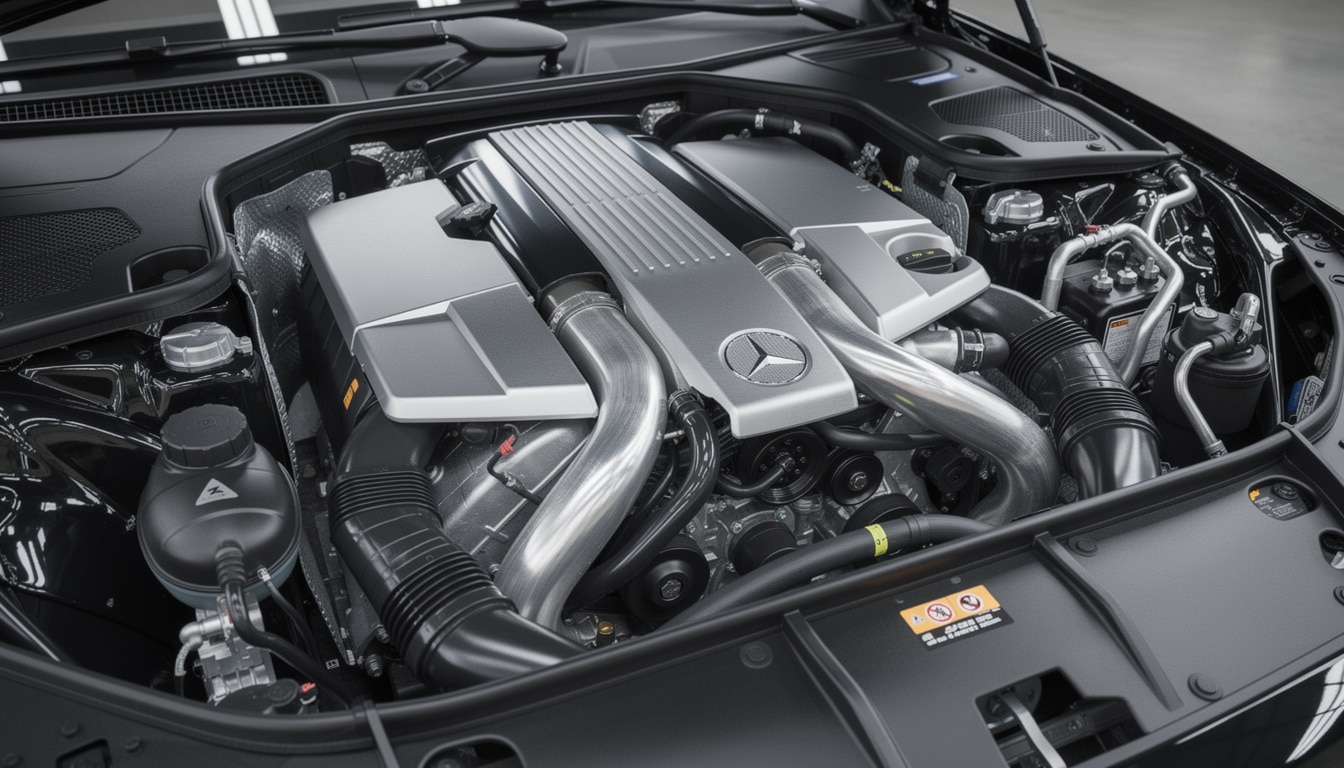
The engine remains the heart of the Mercedes-Benz S-Class, and its performance reliability is vital for sustained ownership satisfaction. Across various model years and engine types, including the highly regarded V6, V8, and V12 configurations, users have reported recurring problems, primarily linked to oil leaks and mechanical wear. For example, the W221 generation, spanning 2006 to 2013, although innovative, exhibits certain weaknesses, such as camshaft plug shrinkage and deteriorating valve cover gaskets. These oil leak points are important to monitor as they can lead to significant engine damage if left unattended.
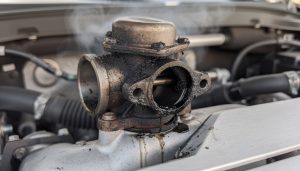
Diesel S-Class models, like the S320, often preferred in used car markets due to better fuel efficiency, present their own challenges. High mileage—especially beyond 200,000 miles—can bring issues like clogged diesel particulate filters (DPF) and fuel injector malfunctions. The EGR valves tend to fail prematurely under poor maintenance, reducing engine performance and environmental compliance. Notably, stretched timing chains generate a persistent rattling at idle, indicating wear that should prompt immediate inspection.
On the electrical side, the S-Class’s luxury tech comes at a cost. A well-documented problem involves power windows—owners often report failures in window regulator mechanisms or control modules which restrict smooth operation of windows, mainly in W221 models. Beyond this, the vehicle’s array of sensors and electronic components can trigger a spectrum of issues, from malfunctioning COMAND infotainment systems failing to shut off, to battery drain while parked.
Water intrusion is a subtle, yet damaging electrical concern. The water accumulation in footwells is tied to a failing rubber drain box, which, when clogged, allows water to flood the interior floor. This moisture can deteriorate critical systems including the HVAC components, compounding repair costs. This highlight underlines why regular and thorough inspections can dramatically enhance the durability and reliability of the S-Class.
💡 Expert Tip: When evaluating a used S-Class, check for consistent engine oil levels and inspect for unusual rattling noises during idle. Early detection of timing chain issues can prevent costly engine repairs down the line.
How Suspension and Braking Systems Impact Overall Vehicle Maintenance and Safety
One of the Mercedes-Benz S-Class’s hallmarks is its advanced air suspension system, designed to provide superior ride comfort and adaptive handling. The system uses an air compressor to regulate pressure, allowing the vehicle to adjust its height dynamically. Over many miles, normal wear and tear can degrade this compressor, leading to insufficient air pressure. This results in the car sitting lower than usual, negatively affecting ride quality and suspension performance.
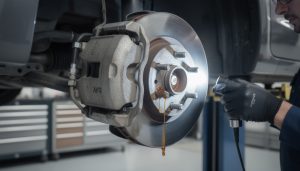
Replacing or repairing this compressor early is vital to avoid cascading suspension failures. The extensive use of air suspension parts—while brilliant for comfort—can also be a maintenance burden, especially if components aren’t inspected regularly. Alongside the suspension, the braking system in S-Class models demands serious attention. Reports of premature corrosion on brake lines and components suggest a potential safety hazard, necessitating vigilant maintenance to ensure consistent brake function.
Many owners have encountered malfunctions with the electronic parking brake systems, particularly its inability to hold the vehicle securely on steep slopes. Warning lights linked to anti-lock braking systems (ABS) are also a common sight, often triggered by sensor failures, electrical issues, or depleted brake fluid. The combination of these concerns highlights that the S-Class, despite its luxury, requires meticulous upkeep to uphold its hallmark safety features.
Understanding the interplay between suspension and braking system reliability is critical for preserving vehicle safety and performance. Fortunately, many of these systems are serviceable by skilled technicians familiar with Mercedes complexity, yet the cost of parts remains substantial compared to non-luxury vehicles. When buying used, scrutinizing brake and suspension condition, including testing the ABS functionality, is non-negotiable.
💡 Expert Tip: Listen for unusual hissing noises around suspension areas after sitting for some time; this often signals air leaks in the pneumatic system needing technical intervention.

Checklist and Considerations for Purchasing a Used Mercedes-Benz S-Class
When contemplating the purchase of a pre-owned Mercedes-Benz S-Class, a thorough evaluation based on reliability data and known issues is essential. The disparity in reliability across different model years means buyers must research specific production years carefully. For instance, the 2009 and 2012 models have documented higher reliability and owner satisfaction, while years such as 1999 to 2006 and 2014 are less reliable due to reported technical faults.
To secure the best value and avoid costly surprises, prospective owners should:
- Review all available service records to confirm consistent maintenance.
- Conduct a comprehensive vehicle inspection focusing on engine seals, suspension systems, and electrical components.
- Verify the functionality of safety features like ABS sensors and airbags.
- Test drive the vehicle for any unusual mechanical noises or performance inconsistencies.
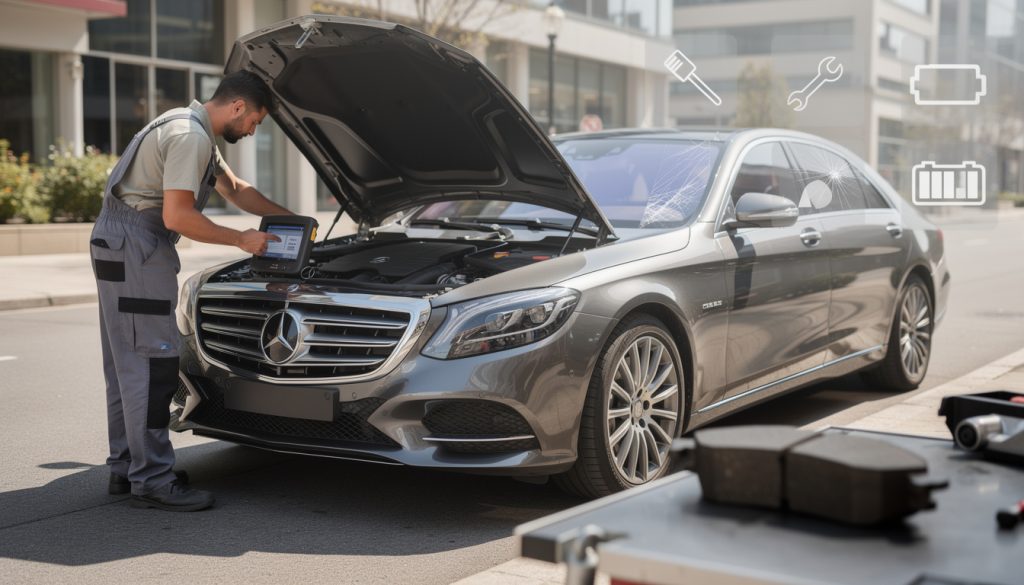
- Consider expert independent evaluations or diagnostics using Mercedes-specific scanning tools.
Since the Mercedes-Benz S-Class incorporates an array of complex systems and luxury features, it is wise to anticipate higher maintenance and repair costs compared to average sedans. This predictability helps owners allocate the proper budget, maintaining the vehicle’s performance and reliability in the long term.
For comparison, those exploring alternatives in the luxury class might also investigate reliability concerns seen in models like the Audi A8 or the Porsche Cayenne, where similar complexities in technology and maintenance costs arise.

Maintaining Mercedes-Benz S-Class: Balancing Luxury and Cost Efficiency
Maintaining the Mercedes-Benz S-Class is an exercise in balancing its luxurious features with the financial commitment of upkeep. The intricate electronic systems and advanced mechanical components demand specialized attention. Routine services, including oil changes, brake fluid replacements, suspension checks, and software updates, must be carried out by certified mechanics to ensure the car’s premium performance.
Given the prevalence of common troubles—such as oil leaks, electrical glitches, and wear on air suspension parts—prompt attention to minor defects is the best insurance against expensive overhauls. For instance, failing to address oil seepage from valve covers or timing chain seals can spiral into serious engine damage that commands costly repairs.
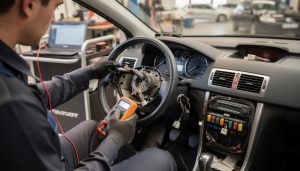
Regular diagnostic scans of the vehicle’s electronic systems are prudent, given the S-Class’s reliance on sophisticated sensor networks. These scans can reveal early signs of issues with infotainment modules, keyless entry systems, and battery health to prevent inconvenient breakdowns.
Luxury vehicle maintenance requires premium replacement parts which drive up costs substantially compared to mainstream models. Owners should budget accordingly, knowing that the investment preserves the S-Class’s hallmark blend of comfort, performance, and safety.
| Common Problem | Symptoms | Potential Repair Cost (Est.) | Preventive Measures |
|---|---|---|---|
| Oil Leaks (Camshaft plugs, valve covers) | Oil spots under car, low oil levels, engine smoke | $500 – $1,200 | Regular oil checks, timely gasket replacement |
| Power Window Regulator Failure | Windows stuck or slow, clicking noises | $400 – $900 | Operate windows regularly, avoid excessive moisture exposure |
| Air Suspension Compressor Wear | Car sits low, uneven ride height, hissing noise | $1,000 – $2,500 | Routine suspension inspections, fix leaks promptly |
| Brake System Corrosion / Failure | Warning lights, spongy brake pedal, brake failure risk | $300 – $1,500 | Regular brake fluid changes, corrosion checks |
Common Troubles and Safety Considerations for Long-Term Ownership
Long-term ownership of the Mercedes-Benz S-Class requires a detailed understanding of recurring safety and mechanical concerns. While the S-Class boasts sophisticated safety features, attention to maintenance is paramount to preserve them. Electrical issues, such as malfunctioning keyless entry or infotainment glitches, can deter driver experience but rarely compromise safety directly.
The more critical issues revolve around brake functionality and suspension integrity. As vehicles age, corrosion in brake lines or compressor failures in the air suspension can culminate in diminished vehicle control or ride discomfort. In extreme cases, overlooked brake line deterioration poses a real safety threat, emphasizing the vital nature of proactive inspections and repairs.
Mercedes owners often share advice on user forums stressing the value of owning a technically competent mechanic and setting aside an annual maintenance budget that reflects the luxury sedan’s demands. This strategic approach ensures that safety features remain fully operational and that engine performance continues to meet high standards expected from the S-Class.
Those who prioritize vehicle reliability might find it useful to compare typical issues with other luxury brands such as the Lexus RX or the Jaguar X-Type which offer different blends of luxury and maintenance profiles.
What are the most common mechanical issues in the Mercedes-Benz S-Class?
The most frequent mechanical problems include oil leaks from camshaft plugs and valve cover gaskets, timing chain wear, and air suspension compressor failures, often requiring timely repairs to prevent costly damage.
Is the Mercedes-Benz S-Class reliable as a used luxury sedan?
While the S-Class offers robust engineering, reliability varies significantly by model year and maintenance history. Choosing models like the 2009, 2012, or recent 2020-2021 versions usually ensures better dependability.
How costly is maintaining a Mercedes-Benz S-Class compared to other luxury vehicles?
Maintenance costs for the S-Class are notably higher than average sedans due to its complex technology and premium parts, but are comparable to other flagship luxury cars such as the Audi A8 or Porsche Cayenne.
What should buyers look for when purchasing a used Mercedes S-Class?
Key considerations include reviewing service records, inspecting for oil leaks, checking suspension and brake systems, testing electronic functions, and possibly obtaining a diagnostic scan for hidden faults.