The BMW Z4 stands out as a luxurious sports car combining flair, speed, and precision engineering. Since its original launch in 2002 and its recent evolution with a third-generation model introduced in 2018, the Z4 represents BMW’s dedication to crafting a vehicle that marries performance with sophisticated aesthetics. Its rear-wheel-drive layout and powerful turbocharged engines offer a thrilling driving experience prized by enthusiasts globally.
Despite its allure, prospective buyers and current owners frequently inquire about its reliability, maintenance demands, and common hitches. Understanding these aspects is essential for anyone seeking to invest in this roadster, whether new or secondhand. What are the typical issues? How do service records reflect on long-term durability? And what insights do owners share about their ownership journeys?
In this comprehensive overview, I will explore the BMW Z4’s reliability profile by dissecting reported engine problems, addressing electrical and mechanical faults, and summarizing owners’ experiences grounded in concrete data and technical advice. My goal is to guide you through the nuances of owning and maintaining a Z4, helping you make informed decisions supported by detailed review and factual information.
Key Takeaways :
- BMW Z4 reliability depends on model year and maintenance history.
- Engine hiccups like misfiring and coolant leaks are common but often fixable.
- Electrical issues, especially with the convertible roof and door locks, appear primarily in early models.
- Ownership costs include higher insurance groups and potential brake line rust concerns.
- Careful selection of used Z4s and thorough service records drastically improve ownership satisfaction.
Detailed Breakdown of BMW Z4 Common Issues: Engine and Electrical Challenges
The heart of a BMW Z4’s performance lies within its engine — turbocharged to deliver swift yet refined acceleration. However, as with many performance-focused vehicles, the Z4 has not been exempt from engine and electrical gremlins. Owners often cite several recurring problems that can impact the driving experience and vehicle durability.
Engine Problems: Misfiring and Coolant System Complications
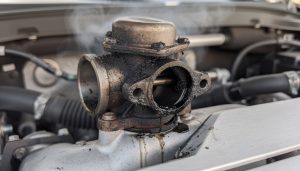
A predominant complaint from Z4 enthusiasts concerns engine misfires occurring even when the vehicle is idle. This issue commonly traces back to a malfunctioning DISA valve, which disturbs airflow within the intake manifold. Not only does it trigger misfires and diminished power, but it can also create an audible rattling noise under the bonnet. Fortunately, replacing the DISA valve tends to remedy this problem efficiently.
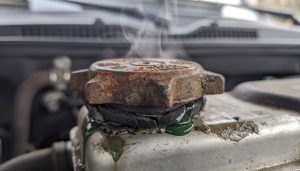
Another serious concern pertains to coolant leaks, frequently reported in Z4 models produced between 2003 and 2005. Owners have experienced sudden engine temperature spikes, often culminating in overheating if unaddressed. These leaks typically arise from faulty upper and lower coolant hoses, requiring thorough inspections and often costly replacements. Neglecting early symptoms risks irreversible damage to engine components, underlining the importance of vigilance.
Related to engine management is the occurrence of limp mode — a protection strategy that restricts the vehicle’s power output when the system detects faults such as timing misalignment or excessive misfires. This fail-safe preserves critical parts like the catalytic converter and transmission by eliminating abrupt mechanical stresses. Notably, certain Z4 units from 2009 to 2011 have been marked by recalls addressing timing system issues triggering limp mode activation unexpectedly.

Electrical Intricacies: Convertible Roof and Safety Concerns
Transitioning from the powertrain, the Z4’s electrical systems present a mix of elegance and complexity, particularly concerning the retractable hardtop convertible feature. Early models, mainly the 2003 release, show tendencies for increasingly sluggish roof operation, sometimes resulting in complete failures. The combination of hydraulic malfunctions and unreliable electric motors can be baffling to diagnose and repair effectively.
On a safety front, unexpected airbag deployments have been a troubling issue, especially within the 2007 model. These inadvertent inflations pose grave risks, demanding prompt owner attention and avoiding these model years if possible to minimise safety hazards.
Additionally, door lock malfunctions have appeared in several Z4s, especially older models like the 2003 version. Owners report difficulties opening doors from inside and outside and, more alarmingly, spontaneous door openings while driving. Though parts like door handles and latches are relatively inexpensive to replace, the risk this issue presents mandates quick intervention.
Understanding BMW Z4 Performance and Handling: Owner Reports and Technical Insights
The BMW Z4 delivers on its promise of exhilarating handling backed by rear-wheel drive and precise steering. Yet, some owners have highlighted nuances in ride quality and responsiveness that warrant attention when assessing overall reliability.
Steering Feedback: Clunking and Drifting Phenomena
Among the most cited complaints are clunking noises during steering input or braking, particularly affecting models from 2003 to 2008. These sounds often originate from degraded front control arm bracket bushings or misaligned steering linkages. Drifting or sticky steering sensations have also been reported, diminishing confidence during spirited driving.
While these issues generally do not threaten the core mechanical safety of the Z4, they detract from its famed precision and driver engagement. Addressing them requires inspecting bushings, tie rods, and alignment, ideally during routine service visits.
Brake Line Integrity: Rust Challenges and Consequences
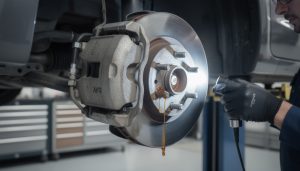
Rust forming on brake lines is unfortunately a widespread concern within luxury cars exposed to variable climates, including many BMW Z4s. Brake lines, when corroded, risk leaks that reduce braking efficiency and increase the potential for accidents. These problems may surface anywhere after 40,000 miles but can occasionally appear sooner depending on environment and maintenance history.
Repairing or replacing rusted brake lines is a meticulous job involving bleeding the brake system and careful installation. Despite the costs, brake health is a non-negotiable safety priority. Owners are advised to request brake inspections regularly, especially on vehicles with unclear or irregular service documentation.

Evaluating BMW Z4 Ownership Costs: Maintenance, Repairs, and Insurance Considerations
Owning a BMW Z4 extends beyond the initial purchase price, inviting consideration of ongoing expenses. Fuel consumption varies notably among engine variants — four-cylinder models boast fuel efficiency around 41.5 miles per gallon, whereas the six-cylinder counterparts average between 31 and 34 mpg. Such consumption figures must be weighed against typical usage patterns and expected driving enjoyment.
Insurance premiums generally place the Z4 in higher groups due to its classification as a sporty, luxury vehicle. Repair and servicing using genuine BMW parts can be costly but may be mitigated by utilizing skilled independent mechanics familiar with BMWs. Cost-saving strategies include sourcing quality used parts and adhering to scheduled maintenance to prevent major breakdowns.
| BMW Z4 Model | Fuel Efficiency (mpg) | Common Maintenance Issue | Estimated Repair Cost (£) |
|---|---|---|---|
| 18i / 20i / 28i (4-cylinder) | Up to 41.5 | DISA valve replacement | Approx. 400 |
| 23i / 30i (6-cylinder) | 34.0 – 34.4 | Coolant hose repair | 600 – 900 |
| 35i / 35is | 31.4 | Brake line replacement | Approx. 700 |
💡 Expert Tip: Prioritize thorough pre-purchase inspections, focusing on engine condition and convertible roof functionality to reduce unforeseen repair expenses down the road.

Buying a Used BMW Z4: What Every Buyer Should Know About Reliability and Service Records
Acquiring a used BMW Z4 offers the allure of sports car driving at more attainable prices, but it demands increased scrutiny concerning reliability and service history. Opting for models built post-2011 tends to reduce the likelihood of recurring engine-related issues and mechanical faults.
Notably, years like 2003, 2005, and 2007 signal more frequent owner complaints based on user reviews across several automotive forums and data from insurance partners. These models reveal a higher incidence of problems linked to the braking system, electronic malfunctions, and roof mechanics.
Maintaining detailed service logs can highlight a car’s health. Adequate documentation of regular oil changes, coolant flushes, brake services, and electrical system checks correlates strongly with better vehicle durability and fewer surprise repairs. Absence or inconsistency in service records should prompt caution, as these reflect both usage intensity and potential neglect.
- Inspect service records for consistent upkeep.
- Avoid older models known for common faults unless restoration is guaranteed.
- Check the convertible roof operation thoroughly.
- Test drive to detect audible noises like steering clunks or engine rattles.
- Consider independent mechanic evaluation before purchasing.
How long does a BMW Z4 typically last with proper maintenance?
With diligent upkeep, a BMW Z4 can easily exceed 150,000 miles, maintaining its performance and mechanical integrity. Regular servicing is crucial to avoid common issues and extend the vehicle’s lifespan.
Are the newer BMW Z4 models more reliable than older generations?
Generally, third-generation Z4s launched after 2018 exhibit improved reliability thanks to updated engineering and resolved previous faults, but maintenance remains key to long-term dependability.
What are the most common electrical problems in the BMW Z4 to watch out for?
Watch for convertible roof failures, especially in early 2000s models, as well as unexpected airbag deployments and malfunctioning door locks that can affect safety and convenience.
Is the BMW Z4 expensive to insure and maintain?
Insurance placing the Z4 in higher groups combined with genuine part costs make ownership costly, but using independent garages and sourcing quality parts can help control expenses.
What maintenance tasks are essential to keep the BMW Z4 running smoothly?
Regular oil and filter changes, checking cooling system integrity, brake inspections, and timely repairs of any steering or electrical anomalies are critical to preserve performance and reliability.