The Peugeot 308, launched in 2007, quickly became a favorite in the compact car market with its appealing blend of style, efficiency, and versatility. Available in various body styles such as hatchback, estate, and convertible, it caters to a broad audience looking for practical yet fashionable transportation. Despite its popularity, the 308 has faced several technical issues over the years, prompting many owners and potential buyers to seek detailed insights about its performance and reliability.
From engine problems to electrical glitches, the Peugeot 308’s most frequent faults have been thoroughly documented by the automotive community. These issues span turbocharger malfunctions, diesel particulate filter blockages, timing chain wear, transmission failures, brake problems, and suspension wear, among others. Understanding these common problems is critical for anyone considering purchase or maintenance of the 308.
As a seasoned automotive expert, I will unpack the most prevalent concerns associated with the Peugeot 308, backed by practical advice and professional observations. Whether you’re a hands-on DIY enthusiast or looking for a reliable second-hand vehicle, this comprehensive breakdown will empower you to make informed decisions and avoid costly errors.
Key Takeaways :
- Engine problems in Peugeot 308s often include turbocharger failures and petrol timing chain issues.
- Electrical issues frequently appear as infotainment malfunctions and dashboard warning lights.
- Transmission failure can manifest as rough gear changes or complete transmission breakdown.
- Brake problems cover handbrake sticking and loss of holding power, posing safety concerns.
- Suspension wear shows up as rattling noises and discomfort, linked to premature component degradation.
Common mechanical problems and engine reliability concerns in the Peugeot 308
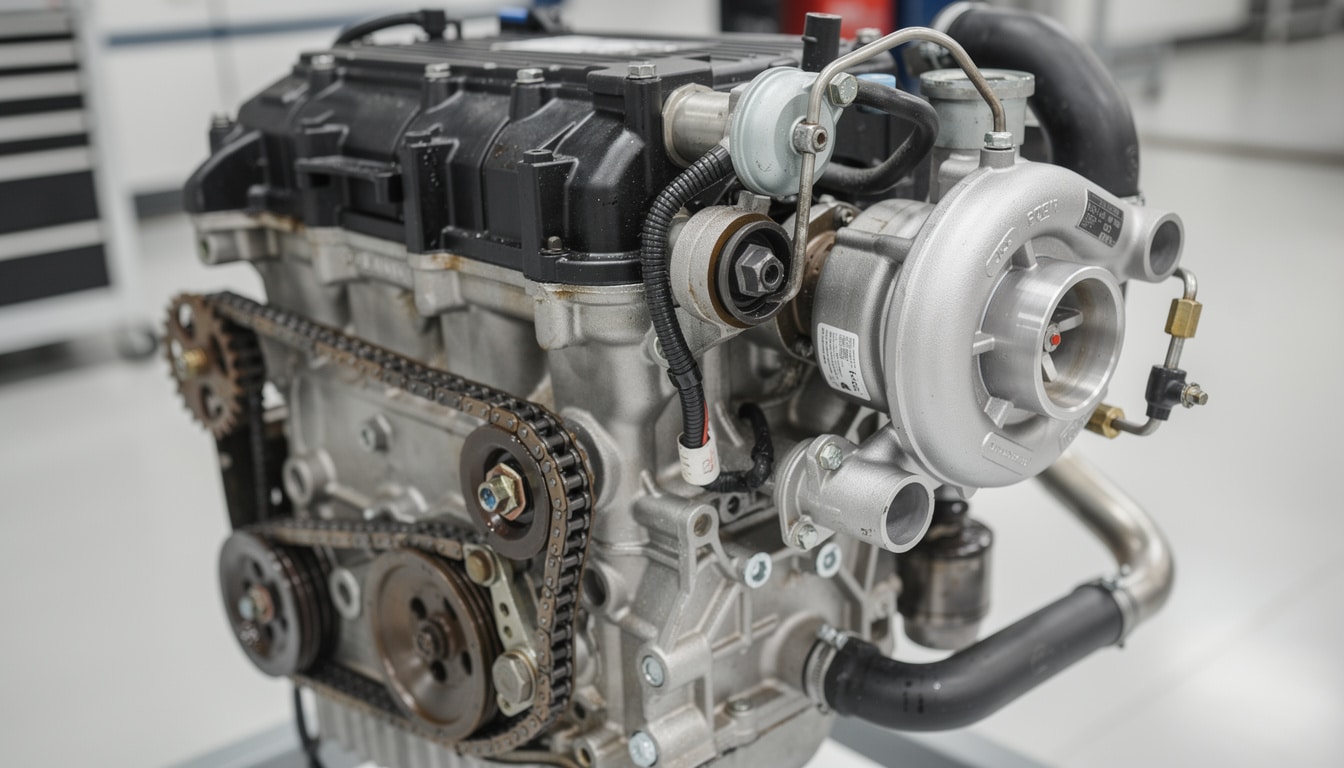
The heart of any vehicle is its engine, and the Peugeot 308 is no exception. Over time, a pattern of mechanical issues has emerged, giving owners some cause for caution but also opportunities for preventative care. Among the most persistent are turbocharger malfunctions, timing chain wear in petrol engines, and Diesel Particulate Filter (DPF) complications specific to diesel variants.
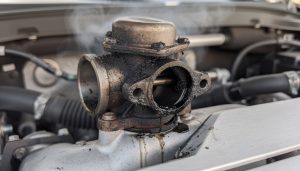
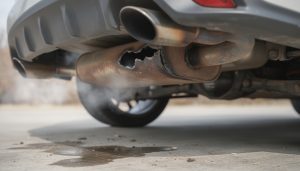
Turbocharger issues in the HDi diesel models often occur due to oil starvation or carbon build-up. This manifests as blue or black smoke from the exhaust, accompanied by a notable drop in engine power and acceleration. Some drivers report a persistent whistling noise near the top of the engine, signaling turbo wear or damage. Addressing this fault promptly is crucial, as neglect may lead to more extensive engine damage.
Replacement of a faulty turbocharger usually involves sourcing new or good-quality second-hand parts. Pairing this repair with an EGR (Exhaust Gas Recirculation) valve replacement often ensures better emission control and longevity.
Another widespread issue involves the Diesel Particulate Filter. Diesel 308s tend to face blockages when the filter accumulates excessive soot, restricting exhaust flow and impairing engine efficiency. The solution is regular regeneration cycles to burn off the trapped particles. However, drivers whose routines involve frequent short trips may find the DPF struggling to complete regeneration, leading to limp-home mode activation and expensive interventions.
Turning to petrol engines, particular attention is warranted for the timing chain system, notably on the 1.2 PureTech 130 model. Owners commonly note rattling or clattering noises during cold starts or acceleration. These sounds typically indicate chain tensioner failure or stretch, risking mistimed valve operations which can cause severe engine damage if unchecked. Regular inspections and early replacement of worn tensioners can circumvent costly repairs.
| Issue | Symptoms | Recommended Action | Cost Consideration |
|---|---|---|---|
| Turbocharger fault | Blue/black smoke, power loss, engine whistling | Replace turbo and EGR valve | High – consider second-hand parts |
| DPF blockage | Limp-home mode, warning lights, reduced performance | Forced regeneration or DPF replacement | Moderate to high depending on severity |
| Timing chain wear | Rattling noises on cold start | Inspect and replace tensioner/chain if needed | Moderate – preventive maintenance advised |
💡 Expert Tip: Always use genuine or reputable aftermarket parts for turbocharger and timing chain repairs to avoid premature failure. Cheap parts often cost more long term due to recurrent breakdowns.
Electrical issues and dashboard warning lights: troubleshooting Peugeot 308’s common software and connectivity faults
Electrical problems in the Peugeot 308 are some of the most frequently reported headaches for owners, often revolving around infotainment malfunctions or erratic behaviour of dashboard components. The infotainment system’s touchscreen may freeze, become unresponsive, or encounter glitches, affecting navigation, audio control, and device connectivity.
Many owners must resort to frequent reboots or software resets, and occasionally a software update resolves these issues temporarily. Modern vehicles like the 308 rely heavily on computer systems, so timely software updates are critical to maintaining stable functionality and preventing persistent bugs.
Bluetooth connectivity is another recurrent complaint, with users struggling to pair smartphones or experience intermittent disconnections during driving. These issues often trace back to software bugs or weak batteries impacting sensor performance.
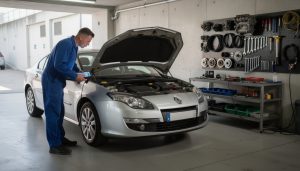
Dashboard warning lights may illuminate unexpectedly, sparking concern about deeper mechanical or electrical faults. Common alerts include transmission warnings and engine management signals. Sometimes these arise from sensor errors rather than direct component failures, but they warrant prompt diagnostics to avoid overlooking serious conditions.
Electric windows, central locking, and air conditioning faults have also been documented in the 308. Such problems usually stem from worn switches, wiring issues, or fuse failures. While not life-threatening, these inconveniences impact the comfort and overall driving experience.
💡 Expert Tip: Regularly updating your vehicle’s software through authorized service centers minimizes the risk of electrical issues and dashboard warning light errors.

Transmission and gearbox problems: identifying risks and avoiding costly failures in the Peugeot 308
Transmission concerns represent a serious category of faults in the Peugeot 308. Drivers have reported difficulty engaging gears, rough shifting, or even slipping gears that degrade driving smoothness and safety. These symptoms often precede more severe transmission failure, which can render the vehicle undriveable.
Some automatic models show transmission warning lights, signaling potential sensor malfunctions or internal gearbox wear. In extreme cases, the gearbox may fail completely, necessitating expensive replacements that can exceed the vehicle’s residual value.
Manual variants are less commonly afflicted but can experience clutch wear or linkage issues that lead to gear selection difficulties. Regular servicing of the transmission system, including fluid changes, is essential to forestall these issues.
Owners should be cautious when buying used 308s to verify transmission health. A test drive focused on smooth gear engagement and listening for abnormal noises can reveal lurking defects early.
| Transmission Issue | Signs | Maintenance Tips | Repair Costs Range |
|---|---|---|---|
| Automatic gearbox slipping | Rough shifts, gear slips, warning lights | Regular fluid change, prompt diagnostics | High – possible rebuild or replacement |
| Manual clutch wear | Difficulty shifting, slipping clutch | Clutch replacement at first sign of wear | Medium to high |

Brake problems and suspension wear: ensuring safety and comfort on the Peugeot 308
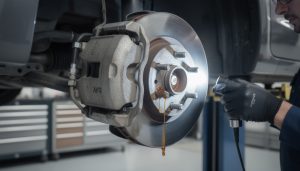
Brake performance and suspension comfort crucially impact the Peugeot 308’s driving safety and pleasure. Common brake-related issues include the handbrake sticking or failing to hold effectively on slopes. These symptoms can arise from cable rusting, worn components, or faulty mechanisms, posing real safety risks if unattended.
Moreover, a handbrake warning light might appear on the dashboard, alerting the driver to a malfunction in the brake system. Prompt attention to these signals is vital to maintain complete driving control.
For suspension, drivers have reported various noises, from squeaks to rattles, often caused by premature wear of springs, ball joints, or control arms. Worn suspension parts reduce ride quality and can lead to uneven tire wear or compromised handling.
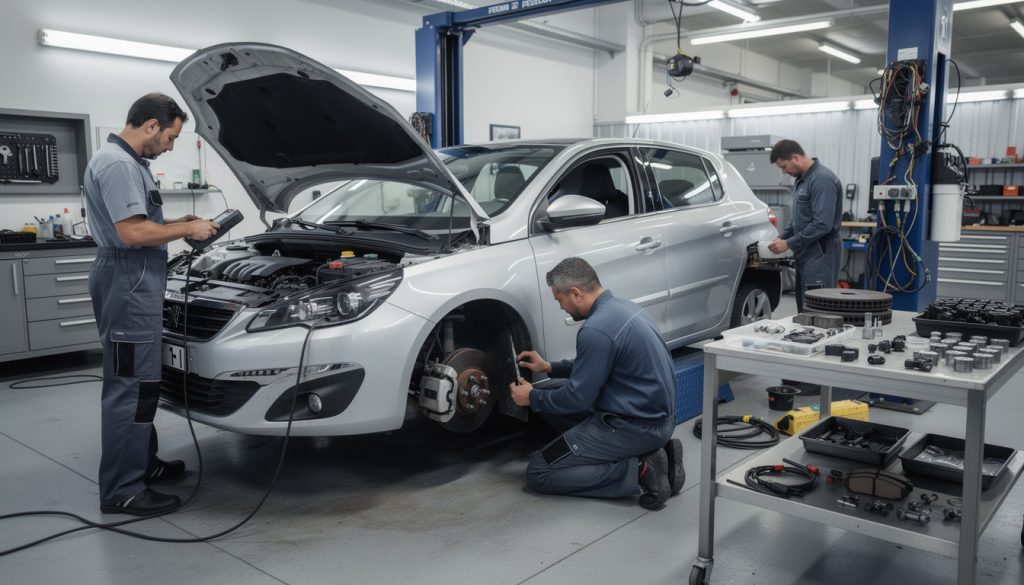
Regular inspections and replacing worn suspension components on time improve comfort and extend vehicle longevity. Suspension issues sometimes correlate with other faults such as alignment deviations, necessitating comprehensive chassis checks after repairs.
- Check for handbrake cable rust or stiffness during routine servicing.
- Listen for rattling or squeaking which may point to suspension wear.
- Replace suspension parts in pairs to maintain balance and stability.
- Don’t ignore brake warning lights, get an immediate professional diagnosis.
- Maintain brake fluid and inspect brake pads for long-term brake health.
What to consider when buying a used Peugeot 308: history, value retention, and reliability
The Peugeot 308 has enjoyed a solid presence in the compact car segment since it replaced the 307 in 2007. Each new generation has brought design improvements, engine enhancements, and tech updates that have maintained the model’s popularity. This legacy encourages many to seek used 308s as affordable options for practical ownership.
The 308 maintains a respectable resale value, retaining around 39% of its original price after three years. This figure is fairly competitive for the segment, though some rivals outperform it slightly. Petrol and diesel models hold similar depreciation levels, boosted by the newer PureTech petrol engines’ appeal.
Reliability rankings position the Peugeot 308 in a commendable place among family cars. For instance, surveys by independent organizations have ranked the 308 11th out of 37 similar vehicles for reliability and 19th on broader ownership satisfaction lists. Its strong points include fuel economy, ride comfort, and reasonable running costs.
When purchasing a second-hand 308, thorough history checks and service record reviews are paramount. Ensure previous owners adhered to the recommended servicing intervals, particularly concerning engine oil changes, timing belt or chain inspections, and software updates that can prevent common faults.
| Aspect | Details | Advice |
|---|---|---|
| Value retention | Approx. 39% after 3 years | Choose 1.2-litre PureTech for better resale |
| Common years with issues | Early production years of second generation | Prefer later facelift models with updated software |
| Reliability score | Ranked 11th out of 37 family cars | Verify maintenance records carefully |
In summary, the Peugeot 308 can be a reliable and enjoyable vehicle if well maintained. Knowing the common pitfalls before buying or servicing your car ensures you avoid unwanted surprises and maintain driving satisfaction.
What are the symptoms of a failing Peugeot 308 turbocharger?
Owners typically notice blue or black exhaust smoke, loss of engine power, and a whistling noise near the engine, indicating turbo malfunction. Immediate inspection and replacement are recommended.
How can I prevent Diesel Particulate Filter blockages in my Peugeot 308 diesel?
Avoiding frequent short trips and allowing your car to complete regeneration cycles at high engine temperatures will help reduce soot buildup in the DPF.
Why is my Peugeot 308 infotainment touchscreen unresponsive or freezing?
Such issues commonly arise from outdated software or system glitches; applying manufacturer software updates or resets often restores proper function.
How do handbrake problems affect Peugeot 308 safety?
A sticking or ineffective handbrake can lead to vehicle movement when parked, especially on inclines, causing safety hazards; immediate repair is essential.
Are transmission failures common in the Peugeot 308?
Though not extremely common, some Peugeot 308s suffer early transmission wear resulting in difficulty shifting or gear slipping. Regular fluid maintenance reduces this risk significantly.