The Mercedes A-Class is famed for its blend of luxury, performance, and advanced technology packed into a compact frame. However, beneath its sleek exterior, this vehicle has a range of common issues that prospective buyers and current owners should be wary of. From transmission hiccups to electrical faults, understanding these problems can save you substantial repair costs and inconvenience down the line.
Key Takeaways :
- Limp mode activation often signals transmission wear or valve body issues.
- DPF clogging is common in urban-driven diesel A-Class models, leading to engine warnings.
- Electrical failures frequently affect washer systems and airbags, especially in specific production years.
- Loss of power may stem from driveshaft detachment or camshaft fragility in certain manufacturing periods.
- Oil leaks and clunking noises often indicate critical parts like O-rings or steering bearings require urgent inspection.
Identifying and Handling Transmission and Limp Mode Issues in the Mercedes A-Class
Transmission problems are among the most disruptive common issues in Mercedes A-Class vehicles, particularly relating to the automatic gearbox. If you experience sudden dips in power or the car switches to limp mode, it usually indicates a fault requiring immediate attention.
The limp mode is a safety feature designed to minimize damage by limiting the vehicle’s performance. In the A-Class, this condition typically arises from wear and tear in the transmission system or faults in the hydroelectric valve body. A particular concern is cars manufactured during October and November 2015; these have been reported to suffer from cracks in the welds of the dual-clutch automatic gearbox. This defect can lead to gearbox failure and limp mode activation, compromising drivability.
Before buying a used A-Class, it’s crucial to take the car for an extended test drive to verify that all gears engage smoothly and the vehicle remains fully functional without slipping into limp mode unexpectedly. Sometimes, owners underestimate these issues until they become severe, so early inspection is essential.
Gearbox faults also include axle drum problems, leading to gear slipping, especially switching between first and second gears. While this might seem intimidating, mechanically adept individuals can perform repairs if parts and tools are available, potentially turning a problematic vehicle into a reliable ride.
Beware of persistent warning lights or abnormal behavior during gear changes. Diagnosing transmission faults early helps avoid costly replacements, which can run from $2,000 to over $5,000 depending on the severity and repair scope.
💡 Expert Tip: Always check the gear shifting response on both uphill and flat surfaces. A slipping clutch or delayed engagement under load is a red flag that requires further mechanical diagnosis.
Understanding Diesel Particulate Filter (DPF) Issues and Emission System Maintenance
Many Mercedes A-Class diesel variants show significant vehicle maintenance challenges related to the Diesel Particulate Filter (DPF), especially if the vehicle primarily operates in stop-and-go urban environments. The DPF captures soot and particulate matter from exhaust gases to comply with environmental regulations. However, short trips at low speeds can prevent the filter from reaching the optimal temperature for regeneration, leading to clogging.
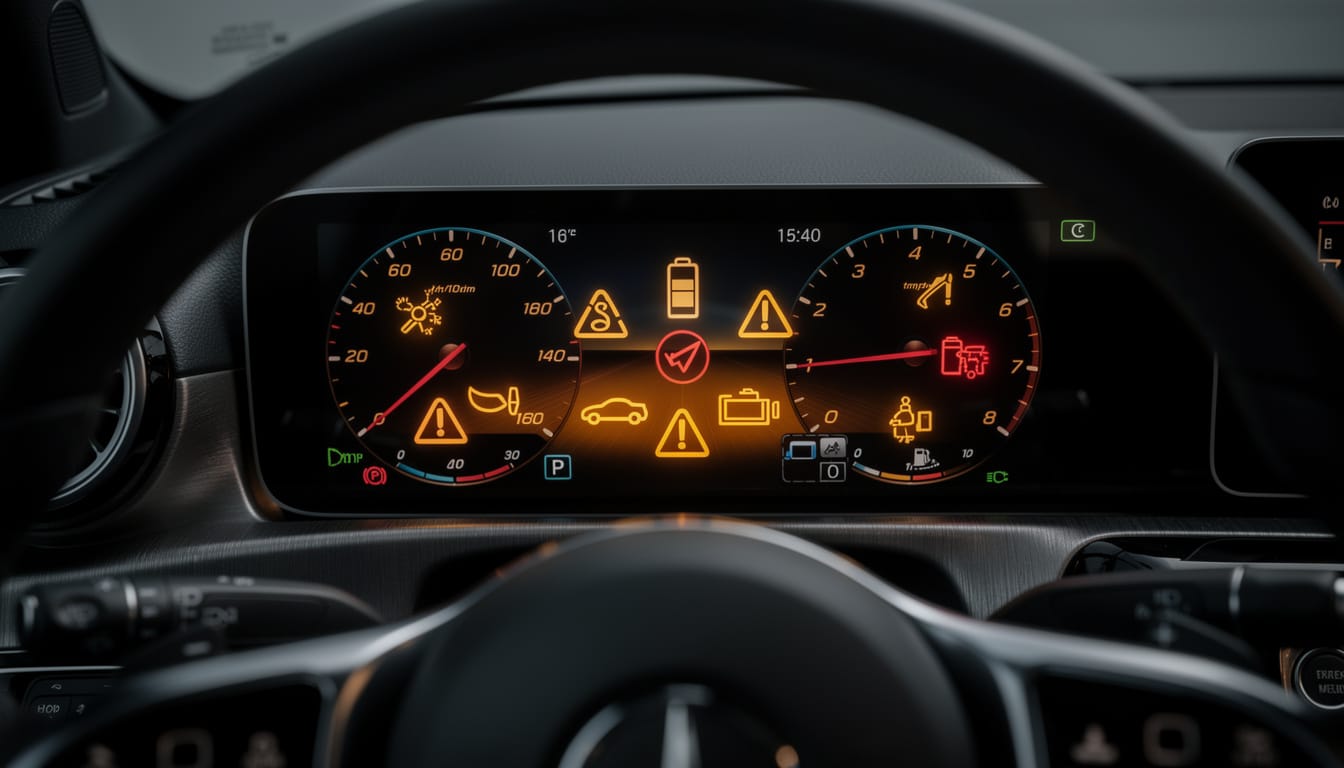
This blockage often triggers the Engine Control Unit (ECU) light, signaling the driver that something is amiss with emissions or engine performance. If unaddressed, a clogged DPF can cause substantial engine deterioration or expensive component replacements.
A practical solution for suspected DPF clogging is a forced DPF regeneration drive—operating the car on a highway at around 2500 RPM for at least ten minutes to burn off accumulated soot. If the warning light persists, a faulty DPF sensor might need replacement. In some cases, professional cleaning or a full filter replacement becomes necessary, which can cost between $800 and $2,500 depending on the method used.
Given these challenges, owners must regularly monitor the vehicle’s driving patterns and take corrective action when short urban trips dominate usage. Effective DPF maintenance aligns with environmental compliance and long-term engine health.

Electrical Faults: Windshield Washers, Airbags, and ECU Problems in Mercedes A-Class
Electrical system issues are pervasive in the Mercedes A-Class and can have cascading effects on vehicle safety and convenience. Among frequently reported problems are faulty windshield washers, especially the rear jet, which often suffers from hose disconnections. The front washer system is more complex, requiring jet and hose replacements to restore full functionality.
An overlooked yet critical concern relates to airbags. Models produced between September and November 2014 exhibit a fuse installation error leading to airbag deployment failures. Similarly, vehicles built in July and August 2018 have been recalled due to perforation issues on the dash compromising airbag operation during collisions.
When inspecting a used A-Class, always verify recall status through the registration number and confirm the completion of any required remedial work with original Mercedes parts, as airbags are paramount for driver and passenger safety.
Another vital electrical component susceptible to failure is the Electronic Control Unit (ECU). Symptoms range from the unit shutting off the moment the car starts to total unresponsiveness. This fault renders the vehicle inoperable until ECU replacement, a process that demands professional calibration and can be expensive, with prices typically exceeding $1,500.
Starting issues are also common, especially in older models, mostly due to starter motor degradation. A sluggish or failed start is often the earliest sign of this fault. Ignoring this could mean being stranded unexpectedly.
💡 Expert Tip: When examining electrical faults, use a diagnostic scanner early on to uncover hidden ECU or sensor malfunctions before they escalate into costly repairs.
Engine Troubles, Oil Leaks, and Loss of Power: What to Watch For
Engine performance issues in the A-Class often manifest as misfires, oil leaks, or unexpected loss of power. Misfires typically accompany the check engine light and are frequently traced back to faulty ignition coils that fail to deliver adequate charge to spark plugs. During test drives, listen for irregular engine sounds and hesitation, indicating ignition or fuel delivery problems.
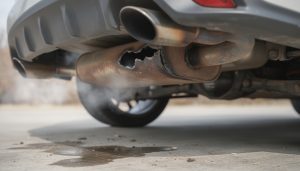
Oil leaks in diesel models, especially those manufactured between February and November 2014, can result from a deteriorated O-ring. These leaks pose significant risks by lowering engine oil levels and potentially causing catastrophic wear due to lubrication failure. Checking beneath the vehicle and monitoring for oil patches where it’s regularly parked can reveal this problem early.
Loss of power is another flagrant symptom with diverse causes in different production years. Cars made before 2013 have had incidents where the driveshaft detaches from the wheel hub, leading to immediate power loss while retaining steering and brakes—a dangerous scenario. Some 2015 models suffer from fragile camshafts prone to failure, drastically reducing engine output.
These conditions highlight the necessity of thorough mechanical inspections, especially when purchasing used vehicles, and regular engine diagnostics for current owners.
Table: Common engine and powertrain issues by production year
| Production Year | Common Engine/Powertrain Issues | Potential Consequences | Estimated Repair Cost |
|---|---|---|---|
| Pre-2013 | Driveshaft detachment from wheel hub | Sudden loss of power; risk of accidents | $1,500 – $3,500 |
| 2014 (Feb-Nov) | Oil leaks from faulty O-ring | Engine damage due to low oil levels | $500 – $1,200 |
| 2015 | Fragile camshaft & gearbox cracking | Loss of power & limp mode activation | $2,000 – $5,000 |
Suspension Problems, Brake Wear, and Noises Indicating Repair Needs
Mercedes A-Class models from around 2015 often experience suspension wear and noises that require prompt attention. A prevalent symptom is a clunking sound when making right turns, caused by bearings in the steering rack wearing prematurely. Failure to address this issue can necessitate replacing the rear suspension, wheel bearings, and trailing arms, significantly increasing repair costs.
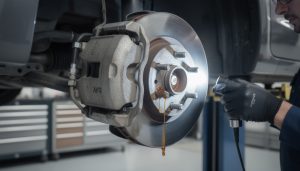
Brake wear is another critical concern, albeit less catastrophic in early stages. Brakes in A-Class vehicles must withstand considerable stress given the car’s performance standards. Uneven brake wear or squealing commonly signals worn pads or discs and should never be ignored due to safety impacts.
Routine checks should include inspecting brake pad thickness, disc condition, and listening for abnormal noises. Suspension should be tested for play or instability, especially during a test drive on uneven roads.
These symptoms often precede more serious failures and can affect vehicle control and safety.

- Listen for clunking sounds when turning right.
- Check brake pads and discs for uneven wear or noise.
- Inspect suspension components for looseness or damage.
- Look for excessive body roll or instability during cornering.
- Verify wheel bearings for noise or rough rotations.
What causes the Mercedes A-Class to go into limp mode?
Limp mode is typically triggered by transmission wear, faults in the hydroelectric valve body, or cracked welds in the dual-clutch gearbox, especially in 2015 models.
How can I tell if the DPF is clogged on my diesel A-Class?
A clogged DPF results in the ECU light turning on, loss of power, and poor fuel economy. Performing a forced regeneration by driving at 2500 RPM for over 10 minutes may clear the blockage.
Are electrical issues common in the Mercedes A-Class?
Yes, particularly faults affecting the windshield washer jets, airbags due to fuse installation or dash damage, and the ECU.
What are signs of suspension failure in this vehicle?
Noises like clunking during right turns, excessive body roll, and wheel bearing sounds indicate suspension and steering rack problems, requiring urgent attention.
How expensive are common repairs on the Mercedes A-Class?
Repair costs vary but typical range between $500 for minor fixes like oil leaks to over $5,000 for transmission or extensive suspension repairs.