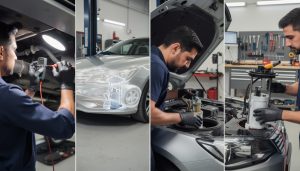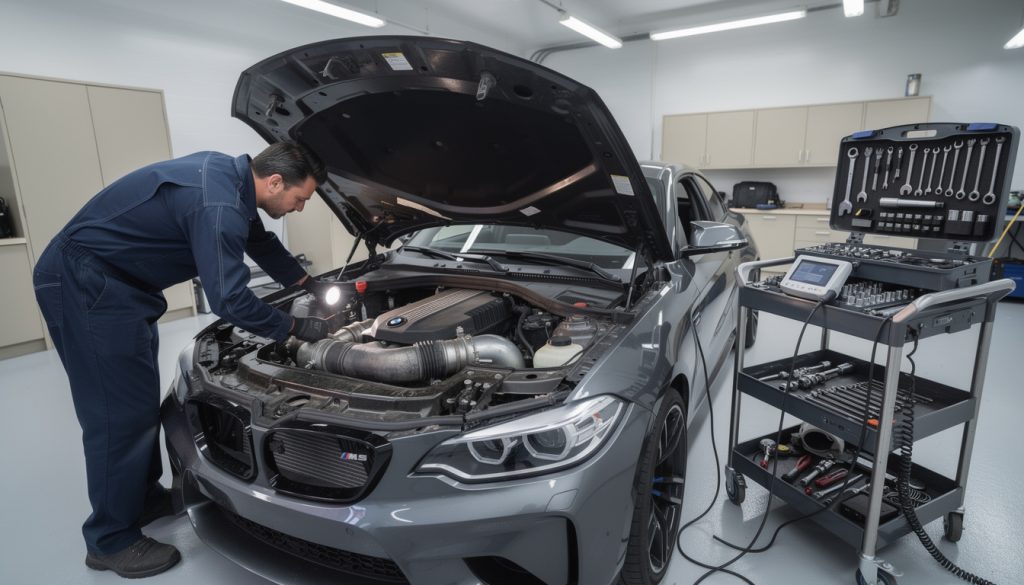
The BMW M2 stands out as one of the most exhilarating sports cars in its category, offering an impressive blend of performance, design, and technology. However, like many high-performance vehicles, it comes with its share of challenges that owners might face. From engine quirks to electrical glitches and suspension stiffness, understanding these issues upfront helps enthusiasts maintain their prized machines efficiently. This detailed exploration dives into the most pinpointed BMW M2 common problems, explaining their origins and providing expert advice on how to address them effectively.
Key Takeaways :
- The BMW M2 often experiences oil leaks and burning due to engine design.
- Water pump and cooling system failures are notable concerns that require timely attention.
- Electrical problems, including malfunctioning lights and infotainment glitches, are reported by some owners.
- The stiff suspension, while ideal for sporty handling, often results in a harsher ride on uneven surfaces.
- Proper maintenance and thorough pre-purchase inspections are crucial in avoiding costly repairs.
BMW M2 Engine Problems: Understanding Oil Leaks and Performance Challenges
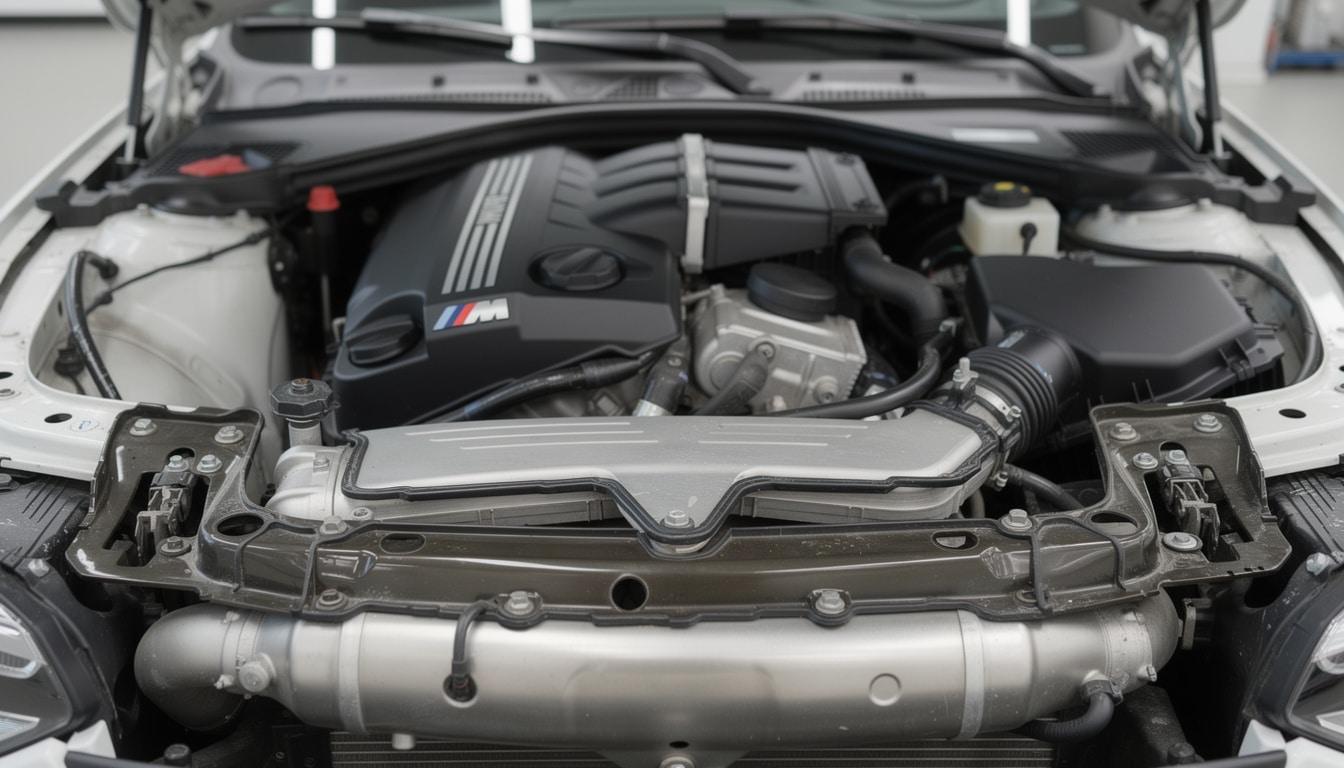
The heart of the BMW M2 is its powerful twin-turbo inline-six cylinder engine, revered for high output and robust driving dynamics. However, this performance comes with specific vulnerabilities, particularly regarding oil consumption and leaks.
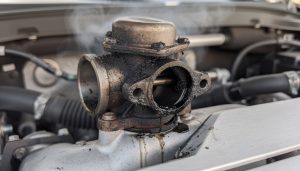
Engine seals and gaskets, such as the oil pan gasket, valve cover gasket, and oil filter housing gaskets, are prone to wear over time due to the continuous high heat the engine generates. These components play a vital role in maintaining airtight seals between moving parts. When they fail, oil leakage or burning becomes apparent, leading not only to decreased oil levels but also potential engine damage if unchecked.
Owners often notice warning lights indicating low oil, but by the time these appear, the leak may have already caused significant oil reduction. The burning of oil can also cause increased emissions and soot deposits internally, making regular oil checks essential. While such oil-related issues are common among many high-performance vehicles, BMW M2 owners must stay vigilant due to the car’s spirited driving characteristics.
💡 Expert Tip: When signs of oil leaks appear, addressing the valve cover, oil pan, and filter housing gaskets simultaneously reduces labor costs and downtime. This proactive maintenance strategy saves both money and hassle in the long run.
Proper maintenance intervals involving premium synthetic oils are key. Synthetic oils better tolerate the high temperatures generated and offer longer-lasting lubrication, but they still need changing, especially under spirited driving conditions. Failing to monitor oil health or topping it up can lead to aggravated engine wear or even catastrophic failures.
Instances of increased oil consumption without visible leaks could also point towards worn piston rings or turbocharger seals, warranting professional diagnosis. Given the complexity of the M2’s engine, timely inspection by a specialist ensures engine longevity and optimal performance.
Common BMW M2 Cooling System Failures and How to Address Them
The BMW M2’s reputation for spirited acceleration coincides with an increased risk of cooling system failures, notably involving the water pump and coolant hoses. The engine’s tendency to run hot, characteristic of many performance models, makes the integrity of the cooling system paramount.
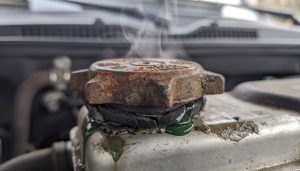
The water pump in the M2 is a component frequently cited for premature failures due to the thermal stresses within the engine bay. A failing pump leads to insufficient coolant circulation, risking overheating and subsequent engine damage. Early symptoms often include coolant temperature fluctuations or visible leaks near the pump area.
Alongside the water pump, coolant hoses serve as essential conduits for the coolant’s flow around the engine. Age and constant exposure to heat can cause these hoses to crack or leak. While simpler to access than the water pump, failure of coolant hoses can lead to sudden coolant loss and overheating.
Repair timelines and costs vary depending on component accessibility. Water pump replacements can be labor-intensive, as the component often lies beneath other engine parts. The hoses, on the other hand, are generally quick to replace but still require expert assessment to ensure no subsequent damage.
💡 Expert Tip: Regularly inspect the cooling system during maintenance intervals. Catching early signs of leaking hoses or pump wear prevents costly engine overheating repairs and extends the life of the vehicle.
Owners should also monitor the coolant level closely and observe for unusual smells or puddles under the car, indicating unnoticed leaks. Flushing and refilling coolant as per manufacturer recommendation mitigates corrosion and buildup inside the cooling system, preserving its effectiveness.

BMW M2 Electrical Problems: Diagnosing Light Malfunctions and Infotainment Issues
Electrical issues represent a more subtle challenge for many BMW M2 owners. Although not widespread, unusual behaviors in lighting systems and electronic components have been reported frequently enough to merit discussion.
Some owners experience aberrant lighting behavior, including turn signals blinking rapidly or staying on permanently, and brake lights activating without input. Such glitches can result from faulty sensors, wiring problems, or aging light control modules. The consequences go beyond inconvenience, potentially posing safety risks and attracting legal scrutiny if lights malfunction in traffic conditions.
In addition, the M2’s infotainment system occasionally displays signs of erratic behavior, such as freezing screens or unresponsive controls. These can arise from software bugs or intermittent connections within the vehicle’s complex electronics architecture.
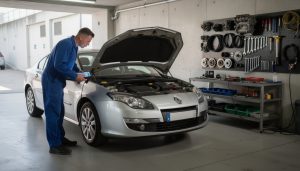
Addressing electrical difficulties requires thorough diagnostics using specialized BMW-approved tools. Automotive electricians check circuits, sensor integrity, and software versions to identify root causes and implement updates or part replacements as needed.
💡 Expert Tip: An electrical troubleshooting session at a trusted BMW specialist ensures that software glitches and sensor misfires are correctly resolved, preventing unnecessary part replacements.
Keeping the vehicle’s software system updated also reduces the likelihood of electronic malfunctions, as manufacturers frequently release patches targeting known bugs. Regular check-ups help preempt complicated electrical issues from evolving into more expensive repairs.
BMW M2 Suspension Problems and Ride Comfort Considerations
Among the most divisive elements of the BMW M2 experience is its suspension setup. Designed with sporty handling and track performance in mind, the M2’s suspension is inherently firm, delivering sharp cornering abilities but often at the expense of ride comfort.
Drivers accustomed to luxury sedans or softer rides may find the M2’s suspension harsh on uneven or poorly maintained roads. The stiff springs and sport-tuned dampers transfer road imperfections more directly to the cabin, causing a bumpy ride sensation especially in urban environments where pavement irregularities are common.
While some view this as an inevitable compromise, others seek aftermarket suspension upgrades or adjustable coilovers to tailor ride quality without losing performance capability. However, this requires budget considerations and proper alignment tuning to avoid premature tire wear or altered handling characteristics.
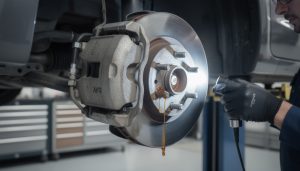
Simple maintenance such as timely replacement of worn bushings, ball joints, and shock absorbers can significantly improve ride consistency. Neglecting these components often leads to increased noise, vibration, and unpredictable handling traits.
💡 Expert Tip: Regular suspension inspections, especially after spirited driving or extended mileage, go a long way in preserving both handling responsiveness and ride comfort on the M2.

Essential BMW M2 Maintenance Tips and Repair Solutions to Keep Your Car in Top Shape
Owning a BMW M2 means embracing both the thrill and responsibility of maintaining a high-performance machine. Adhering to manufacturer-recommended maintenance and proactively addressing minor issues can save thousands in repair costs and prolong vehicle life.
Here are the vital maintenance tips every BMW M2 owner should follow:
- Regular oil changes using high-quality synthetic oil to combat the engine’s demanding thermal environment.
- Scheduled inspection and replacement of air filters (both engine and cabin) to ensure optimal intake and comfort.
- Frequent checks on the cooling system, including water pump and hoses, to prevent overheating.
- Electrical system diagnostics to ensure lighting and infotainment remain fully functional, especially after software updates.
- Suspension component wear assessment to maintain ride quality and safe handling dynamics.
When purchasing a used M2, a comprehensive inspection is non-negotiable. Request full service records, check for signs of oil leaks or engine wear, and engage a qualified mechanic to assess the engine’s internal condition. Observing whether previous owners adhered to maintenance schedules is crucial, as neglected service history often leads to recurring problems.
| Common BMW M2 Issues | Symptoms | Recommended Repair Actions | Estimated Labor Complexity |
|---|---|---|---|
| Oil leaks and burning | Low oil warnings, visible oil stains | Replace valve cover and oil pan gaskets; inspect turbo seals | Moderate to high |
| Water pump failure | Engine overheating, coolant leaks | Replace water pump and flush cooling system | High |
| Electrical malfunctions | Flickering lights, infotainment glitches | Diagnostics and software updates; replace faulty sensors | Low to moderate |
| Harsh suspension | Bumpy ride on irregular roads | Replace worn bushings and dampers; consider suspension tuning | Low to moderate |
Keeping this list in mind helps owners approach repairs with confidence and better budgeting foresight.
The BMW M2 is a well-engineered car, but like all vehicles, it carries specific challenges. By recognizing BMW M2 common problems and embracing smart maintenance strategies, owners can enjoy performance without fear of unexpected breakdowns. For further insights on common issues affecting BMW models, exploring detailed reports at this platform provides an excellent knowledge base.
What causes the oil leaks in the BMW M2 engine?
Oil leaks are primarily caused by aging gaskets such as the valve cover gasket, oil pan gasket, and oil filter housing gasket due to high engine temperatures and wear. Timely replacement of these parts is essential to prevent leaks.
How do I know if my BMW M2’s water pump is failing?
Symptoms include engine overheating, coolant leaking near the water pump, and fluctuating temperature gauge readings. Prompt replacement is vital to avoid severe engine damage.
Are the suspension issues permanent on the BMW M2?
The suspension is designed for performance, causing a stiffer ride. However, worn components like bushings or shock absorbers can worsen comfort and are replaceable to improve ride quality.
What maintenance steps reduce electrical problems in the BMW M2?
Regular software updates, sensor checks, and diagnostics by a BMW specialist help keep electrical systems stable and functioning correctly.
Is the BMW M2 worth buying despite these problems?
Absolutely. The M2 offers thrilling performance and quality build, and with proper attention to maintenance and issue management, it remains a rewarding vehicle.