The Volkswagen Transporter T5 has earned a solid reputation as a reliable and versatile van, popular among tradespeople, families, and camper van enthusiasts. However, like all vehicles, the T5 is not without its quirks and common faults that every owner should be aware of. Understanding these prevalent issues not only helps in keeping unexpected repair costs to a minimum but also ensures the longevity of your van. In a market flooded with used T5s, distinguishing between a well-maintained model and one plagued by recurring problems is crucial.
From mechanical concerns like flywheel failure and timing belt wear to electrical issues and window leaks, many T5 owners encounter a range of challenges. Each problem often has clear symptoms, causes, and practical solutions that can be managed by the owner or a trusted mechanic. This comprehensive insight into the typical problems of the VW T5 will help you maintain your van better and make informed decisions when buying or servicing one.
Key Takeaways :
- Flywheel failures are common and require prompt replacement to avoid transmission damage.
- EGR valve clogging affects engine performance and can be partly prevented by regular long drives.
- Water pump leaks usually stem from coolant issues and should be addressed quickly to prevent engine overheating.
- Leaking windows cause dampness and rust, often resolvable with sealant or window replacement.
- Timing belt changes are critical maintenance tasks, ideally every 4-5 years, to prevent engine damage.
Identifying and Managing Engine Problems in the VW Transporter T5
Engine problems often set the tone for the overall reliability of a VW Transporter T5. Among the most frequently reported issues is the flywheel failure. If you hear rattling or knocking noises when the engine idles, or experience sudden judder during clutch engagement in first gear, the flywheel is the likely culprit. Visually, worn grease, scored surfaces, or damage to the ring gear highlight the need for replacement. This is not a repairable part; delaying replacement can exacerbate damage by allowing loose components to interfere with the transmission.
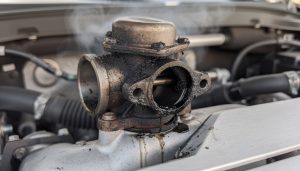
Another engine-related challenge is the EGR (Exhaust Gas Recirculation) valve becoming clogged with carbon deposits. This leads to symptoms like reduced acceleration, knocking sounds, and deteriorated fuel economy. The engine management light often signals this problem. To prevent clogging, owners should take their T5 on regular extended drives, ensuring the valve reaches the necessary operating temperature to burn off deposits. While chemical cleaning can temporarily improve performance, repeated clogging often necessitates EGR valve replacement.
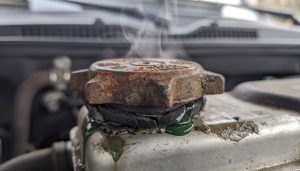
Water pump failures are a serious concern if unnoticed. Visible coolant leaks under the engine or around the water pump, along with groaning engine noises or rust accumulation on the pump, indicate trouble. A failing water pump threatens engine cooling efficiency, risking overheating. Preventative maintenance includes using the correct coolant mixture and performing system flushes at recommended intervals. Experienced DIYers can attempt replacements themselves, but for many, professional service is advisable to avoid misdiagnosis of related cooling system issues.
Beyond these major points, starter motor failure and fuel injection problems may occur on less frequent occasions but contribute significantly to engine performance and reliability concerns.
💡 Expert Tip: Always address engine problems early. Ignoring symptoms like unusual noises or warning lights can lead to costly repairs, especially involving complex components like the flywheel or EGR valve.
Electrical Issues and Brake Wear: What VW T5 Owners Need to Know
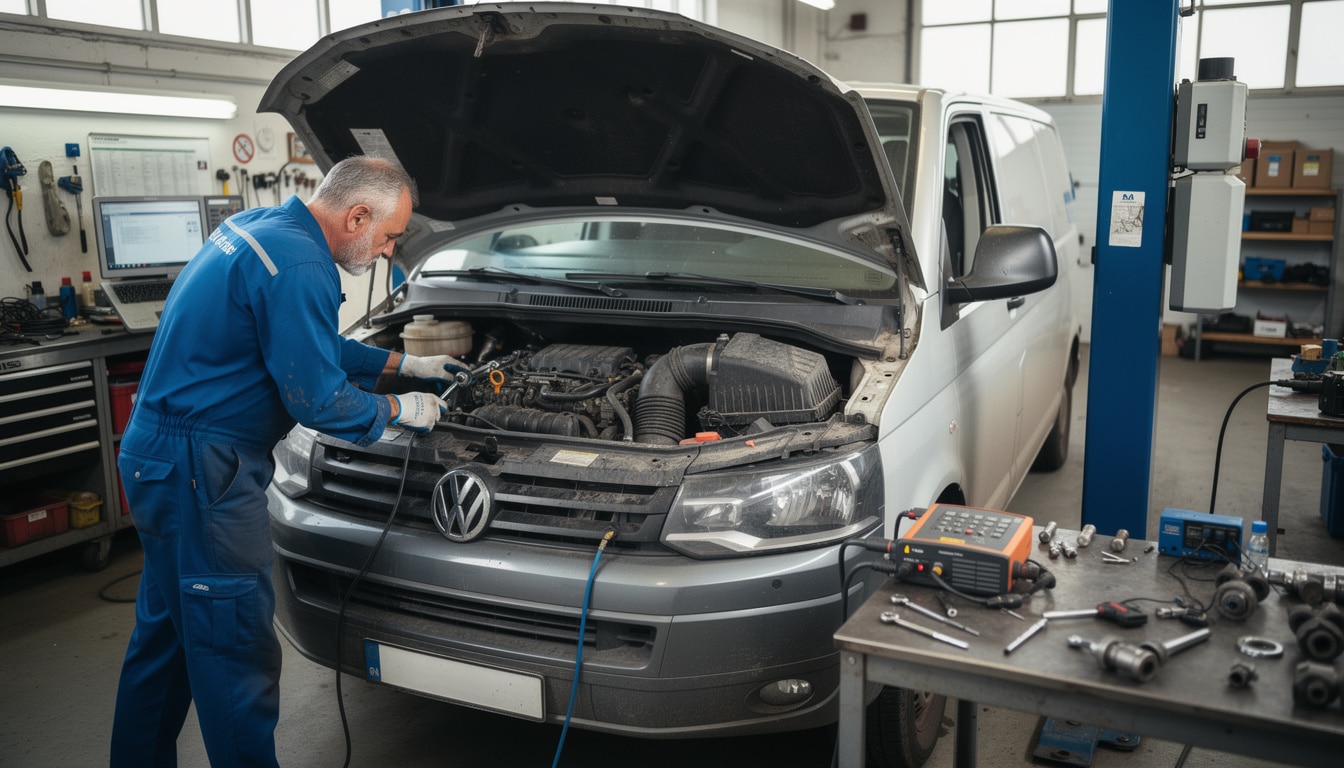
Electrical issues are a recurring topic among VW Transporter T5 owners. These can range from occasional diagnostic errors in the onboard computer to persistent faults affecting lighting, sensors, and the ABS system. The ABS warning light often illuminates due to a faulty sensor or wiring issues, and while sometimes straightforward to correct, the problem can cause anxiety if not promptly diagnosed. Repair costs generally depend on the nature of the fault but rarely exceed a few hundred pounds if addressed early.
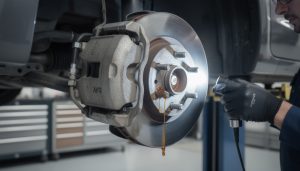
Brake wear is another major maintenance area. The T5’s robust design means brakes should last decent mileage, but given the van’s weight and load, brake components experience significant stress. Signs of worn brakes include longer stopping distances, squealing noises, and vibrations under braking. Routine checks during service intervals should focus on brake pads, discs, and calipers. DIY checks can be done by visually inspecting for pad thickness and disc scoring but any irregularities need professional attention.
- Common electrical faults include intermittent sensor failures and connector corrosion.
- ABS sensor replacements are often inexpensive and improve vehicle safety immediately.
- Brake system wear correlates strongly with load and driving style—heavily loaded vans require more frequent checks.
Electrical gremlins can also affect other systems such as the dashboard warning lights and diagnostic ports. Using a reliable OBD2 scanner helps to catch issues early, enabling targeted repairs and avoiding unnecessary part replacements.
💡 Expert Tip: Regularly cleaning and securing electrical connectors, especially on engine and ABS sensors, significantly reduces the chance of intermittent fault codes and ABS warnings.

Gearbox Troubles, Clutch Wear, and Suspension Faults: Keeping Your T5 on the Road
Transmission issues frequently raise concerns among T5 owners. Notably, gearbox troubles such as sheered splines on the gearbox shaft and clutch wear are significant problems. If you experience difficulty shifting gears, slipping, or unusual noises when disengaging the clutch, you could be facing early clutch or driveshaft faults. A clunking noise when lifting the clutch often signals wear in these components.
Replacing the clutch and driveshaft is a labor-intensive but common repair. Prompt attention ensures smooth power delivery and prevents damage to surrounding transmission parts. Given the mechanical complexity, it’s best to have these repairs handled by skilled technicians who specialize in VW vans.
The suspension faults on the T5 often present as uneven tire wear, poor handling, or excessive vibrations. Common culprits include worn shock absorbers and bushings, typically resulting from rough road conditions and heavy payloads. Because suspension problems affect safety and comfort, regular inspections during servicing are critical. Suspension renewal costs vary widely but investing in quality components pays off over time by extending tire life and improving driving stability.
- Signs of gearbox trouble: difficulty shifting, grinding noises, clutch slip.
- Driveshaft problems can cause clunking or vibrations during clutch engagement.
- Worn suspension parts affect vehicle handling and may exacerbate brake wear.

Cooling System Failures and Fuel Injection Problems: Essential Maintenance Points
The VW T5’s cooling system plays a critical role in engine health. Common failures involve water pumps leaking or failing and radiator blockages caused by rust or debris. Overheating symptoms include temperature gauge spikes, steam from the engine bay, and unexplained coolant loss. Low coolant can lead to catastrophic engine damage, so timely identification and resolution are vital.
Fuel injection systems in these vans, particularly diesel variants, can encounter clogging or failure issues. Signs include difficult starting, rough idling, and a noticeable drop in power. Regular fuel filter changes and using quality fuel help prolong injector life. Injector cleaning or replacement costs depend on the fuel system type but are generally reasonable with access to aftermarket parts.
Routine checks of the cooling system kits and fuel components should be scheduled every two years or based on mileage recommendations. Preventative servicing helps prevent unexpected breakdowns and extends the van’s life significantly.
| Component | Common Symptoms | Recommended Action | Estimated Cost (GBP) |
|---|---|---|---|
| Water Pump | Coolant leaks, groaning noise, rust visible | Inspect and replace if leaking | £150 – £350 |
| EGR Valve | Poor acceleration, engine knocking, fuel economy drop | Clean or replace valve | £120 – £300 |
| Timing Belt/Cambelt | Squealing noise, difficulty starting engine | Change every 4-5 years | £250 – £450 |
| Fuel Injectors | Rough idle, hard start, poor power | Clean or replace injectors | £200 – £600 |
Practical Advice when Buying a Used VW Transporter T5: What to Look For
When considering the purchase of a used VW Transporter T5, knowing what pitfalls to avoid is invaluable. First, review the service history meticulously. A van with regular professional servicing is far more reliable than one with patchy records. Pay particular attention to the timing belt replacement history, as neglect here can lead to engine failure.
Inspect for mechanical issues like clutch wear, gearbox noise, engine warning lights, and visible fluid leaks. Test the electrical system thoroughly, including dashboard warnings and ABS functionality. Look for rust spots, especially on wheel arches and door frames, as untreated rust can spread rapidly.
T5 recall awareness is crucial. Although relatively few, six recall campaigns have addressed serious safety issues such as fuel leaks, cooling fan fire risks, and gas connection faults. Verify that any recall work has been completed by asking the seller for documentation or contacting VW directly.
Price-wise, expect early T5 models to start from around £3,500, but those typically come with high mileage or cosmetic flaws. Models in the £5,000-£7,000 range tend to offer sounder mechanical condition and moderate mileage. Camper conversions command premium prices toward £30,000 or more.
- Check comprehensive service and maintenance records.
- Drive-test to listen for clutch and gearbox noises.
- Ensure no warning lights remain active after engine start.
- Inspect windows and seals for leaks and damp signs.
- Confirm completion of any recalls with VW or dealers.
Considering the average lifespan and robust build of the T5, it remains a worthwhile investment when purchased wisely. Many vans surpass 250,000 miles, some well beyond 500,000, making them durable companions for years if properly maintained.
What are the signs of a faulty flywheel on a VW T5?
Rattling or knocking noises when idling, juddering when engaging the clutch in first gear, and visible damage like scoring on the flywheel surface indicate flywheel issues.
How often should the timing belt be replaced on a VW T5?
VW recommends replacing the timing belt every four years for models registered before September 2009 and every five years thereafter.
Can leaking windows cause serious damage to the VW T5?
Yes, leaking windows can lead to damp, mould, and rust, which can compromise the van’s structural integrity and comfort.
Are electrical issues common with the VW Transporter T5?
Electrical issues, including ABS warning light activations and intermittent sensor faults, are common but usually manageable with diagnostic equipment and timely repairs.
What is the average lifespan of a VW Transporter T5 engine?
With regular maintenance, VW T5 engines often reach over 250,000 miles, and some even exceed 500,000 miles depending on care and driving conditions.