The Honda CR-V has earned its reputation as a dependable and versatile compact SUV since its UK debut in 1995. Built on the sturdy Honda Civic platform, it offers a spacious alternative for city dwellers and countryside explorers alike. Despite its reliability, owners should be aware of some recurring issues to avoid costly surprises. Understanding these common faults helps maintain performance, safety, and resale value over the vehicle’s lifespan.
Key Takeaways :
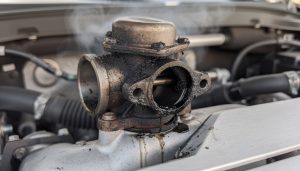
- Exhaust valve failures can cause second-generation CR-Vs (2002-2007) to stall unexpectedly.
- Engine valve wear often manifests as vibration or juddering at idle, signaling potential cylinder head replacement.
- Drivetrain problems in 4×4 models often stem from improper oil use, leading to noisy and costly repairs.
- Steering issues in diesel models (2007-2012) cause pulling and uneven tyre wear, raising safety concerns.
- Suspension faults produce clanking noises due to flange bolt failures or cracked rear bushes, affecting ride comfort.
Understanding Engine Issues and Their Causes in the Honda CR-V
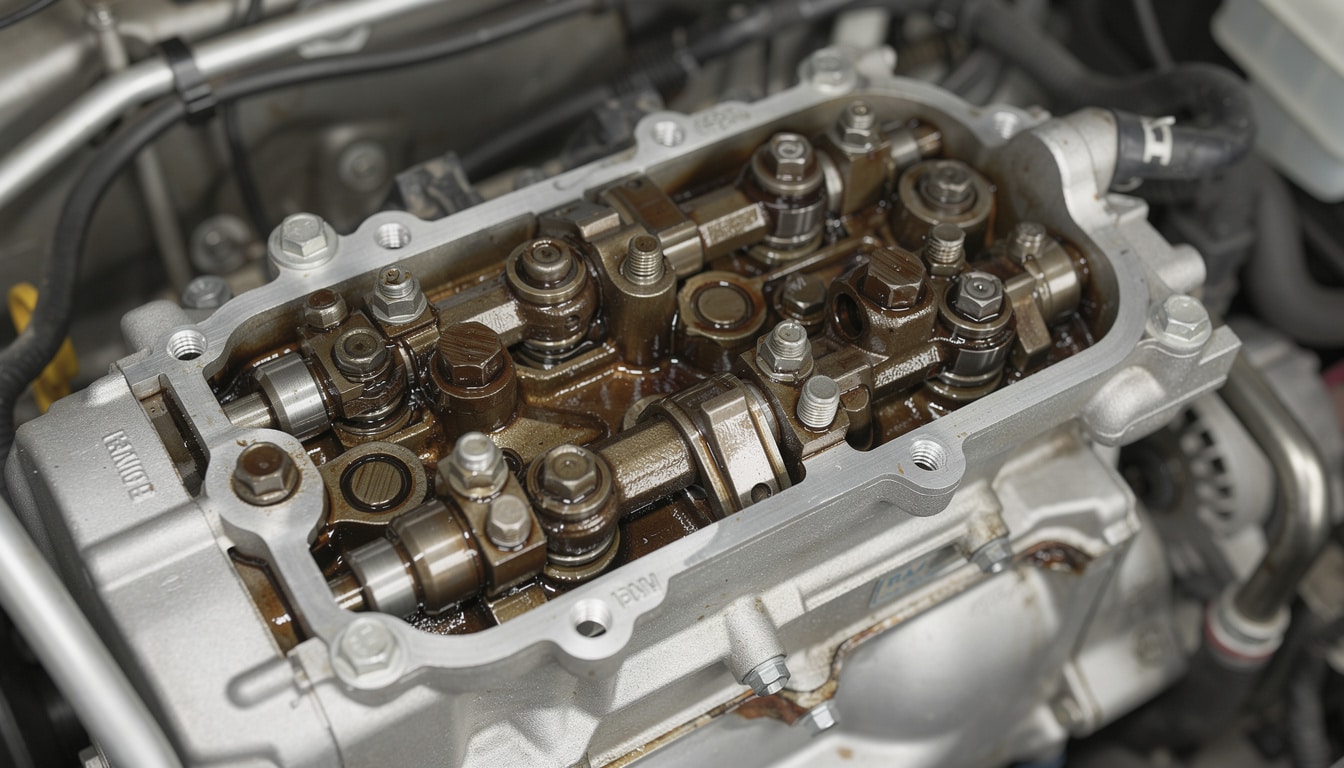
Engine problems are among the most critical troubles a Honda CR-V owner might face. One of the common complaints relates to noticeable shaking or juddering when the vehicle is idling. This symptom points primarily to premature wear of the engine valves, which, if left unchecked, requires replacing the cylinder head — an expensive and labor-intensive repair.
This valve wear significantly affects not just driving comfort but also fuel efficiency and emissions, as the engine struggles to maintain smooth combustion. For example, owners from various forums point out that a 2005 CR-V may start shaking at stops and emit unusual noises, indicating this problem.
Symptoms to watch out for include:
- Unstable idle speed, with noticeable vibrations.
- Engine misfires or occasionally rough running.
- Decreased fuel efficiency as combustion becomes inconsistent.
- Illuminated check engine light focused on engine performance sensors.
Preventative measures include regular oil changes with manufacturer-recommended oils that protect the valve mechanisms and timely servicing of the valve clearances. Ignoring these signs can lead to more severe engine damage and substantial repair bills exceeding £1,000 depending on parts and labor in 2026 pricing.
Furthermore, certain models may experience emission-related problems triggered by a failing speed sensor drive gear. This malfunction not only causes surges during cruise control but also risks turning on the engine check light erroneously. Notably, some drivers report cruise control failure to disengage, which is a safety hazard if unaddressed.
Transmission Problems and Drive Train Maintenance for 4×4 Honda CR-Vs
When it comes to the transmission and drivetrain of the Honda CR-V, problems are especially frequent in the all-wheel-drive versions. Owners should be vigilant about the oil type used in the differential. A common pitfall is the use of non-Honda approved oils, which leads to premature wear of differential gears, causing a characteristic chattering noise and vibrations during turns.
This condition is not simply a nuisance; it signals worsening mechanical health. If untreated, it can force costly repairs or full differential replacements, with estimated expenses ranging between £800 to £1,500. Moreover, because this fault directly affects steering feel and safety, it should never be underestimated.
Signs indicating drivetrain issues include:
- Unusual clicking or chattering sounds when turning the vehicle.
- Vibrations felt through the steering wheel or floorboard.
- Delayed or hesitant response in power delivery to wheels.
Owner forums often recommend routine checks during servicing: ensuring the differential oil is Honda-approved and scheduling regular inspections of drivetrain bearings and gears. A 2010 CR-V with a poorly serviced differential has a higher risk of failure, emphasizing prevention over cure.
💡 Expert Tip: Always insist on a Honda-approved oil change for your drivetrain; it’s a small investment that saves thousands on parts replacement.

Addressing Brake Wear and Steering Challenges in Diesel Honda CR-V Models
The diesel variants of the third-generation CR-V, produced between 2007 and 2012, are prone to specific steering and brake problems that directly impact safety and driving experience. Owners frequently report a juddering feeling when turning the steering wheel combined with a leftward pull, pointing to uneven wear in steering components or alignment issues possibly caused by faulty suspension parts or worn brake discs.
Such symptoms should not be ignored: uneven brake wear and steering misalignment lead to premature tyre degradation and increase braking distances. This configuration also affects fuel efficiency as the vehicle compensates for misalignment by using more power.
When inspecting a used Honda CR-V diesel, it’s vital to:
- Check for pull or drift during a straight drive.
- Listen for juddering or vibrations when steering at various speeds.
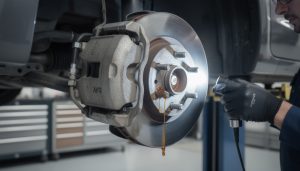
- Inspect brake discs for uneven wear or scoring.
- Verify the condition of suspension bushes and flange bolts as these can contribute to steering faults.
Repairing these issues typically involves wheel alignment, replacing worn brake components, and occasionally renewing suspension bushes. The typical cost can range from £300 to £700 depending on parts and labor required in 2026. Early detection dramatically reduces expenses and extends the vehicle’s operational safety.
Suspension Noise, Water Leaks, and Electrical Faults Affecting Ride Quality
Owners often report hearing clanking or clunking noises from the front suspension, a trademark symptom highlighting problems with the flange bolts securing the suspension arms. These bolts can loosen or degrade with time, increasing vibration levels and risking further structural damage if left untreated.
Additionally, visually inspecting rear bushes for cracks or breaks is essential as failing rear bushes reduce dampening efficiency, affecting ride comfort and stability. In some cases, water leaks have been noted around door seals or the sunroof, leading to damp interiors and electrical faults caused by moisture ingress.
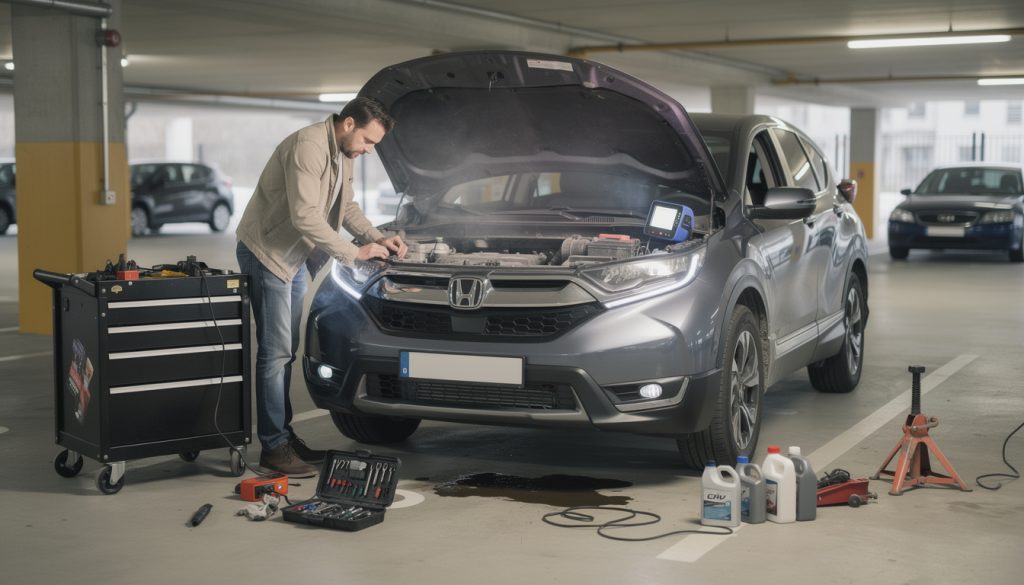
Electrical faults can extend beyond minor glitches such as battery drain or air conditioning failure, occasionally impacting vital systems like sensors linked to fuel efficiency and engine management. Troubleshooting requires a systematic diagnostic, often using OBD-II scanners to locate fault codes quickly.
Routine checks to minimize these issues include:
- Inspect suspension components visually and during servicing for noises or looseness.
- Check seals around doors and sunroof for integrity, especially before rainy seasons.
- Test battery health and alternator charging rates.
- Run software updates for onboard systems to fix known bugs impacting sensors or cruise control.
Ignoring these faults risks escalating into costly repairs and compromises driving safety considerably.

Maintaining Fuel Efficiency and Handling Software Updates for Optimal Performance
Fuel efficiency is a prime concern for Honda CR-V owners, particularly with fluctuating fuel prices in recent years. Engine inefficiencies due to wear or sensor malfunctions directly influence fuel consumption. Common engine issues often coincide with drops in fuel economy, highlighting the need for regular maintenance checks.
Moreover, software updates issued by Honda address various mechanical and electronic system glitches, including transmission problems and faulty sensor readings. These updates optimize engine timing, transmission shifts, and emissions controls, helping owners maintain performance and reduce running costs.
Taking your CR-V for regular dealer or authorized garage servicing ensures that these updates are applied promptly. Failure to update can cause outdated software to mismanage engine and transmission controls, causing unnecessary wear or erratic vehicle behavior.
| Common Issue | Symptom | Potential Cause | Estimated Repair Cost (£) | Severity |
|---|---|---|---|---|
| Exhaust Valve Fault | Engine cut out | Faulty exhaust circulation valve (2002-2007) | £400-£700 | High |
| Engine Valve Wear | Vibration at idle | Premature valve wear, cylinder head replacement needed | £1,000+ | High |
| Transmission Drivetrain Noise | Chattering sound on turns | Non-approved oil in differential | £800-£1,500 | Moderate to High |
| Steering Judder and Pull | Pull to left, steering vibration | Steering component wear (2007-2012 diesel models) | £300-£700 | Moderate |
| Suspension Noise | Clanking noise over bumps | Flange bolts & rear bush failure | £250-£600 | Moderate |
What signs indicate an engine valve issue in a Honda CR-V?
Unstable idling, shaking or juddering when stopped, and reduced fuel efficiency are common signs of engine valve wear needing attention.
How can I detect drivetrain problems early on my CR-V?
Listen for unusual noises such as chattering when turning and feel for vibrations during cornering to spot drivetrain issues early.
Are suspension noises serious and how are they fixed?
Yes, clanking noises often point to worn flange bolts or bushes which should be replaced promptly to maintain safety and ride comfort.
Can I resolve electrical faults and battery drain myself?
Basic battery checks and ensuring good seal integrity can be done at home, but persistent electrical faults usually require professional diagnostics.
Why are software updates important for my Honda CR-V?
Software updates improve engine and transmission management, fix sensor glitches, and optimize fuel efficiency and overall vehicle performance.