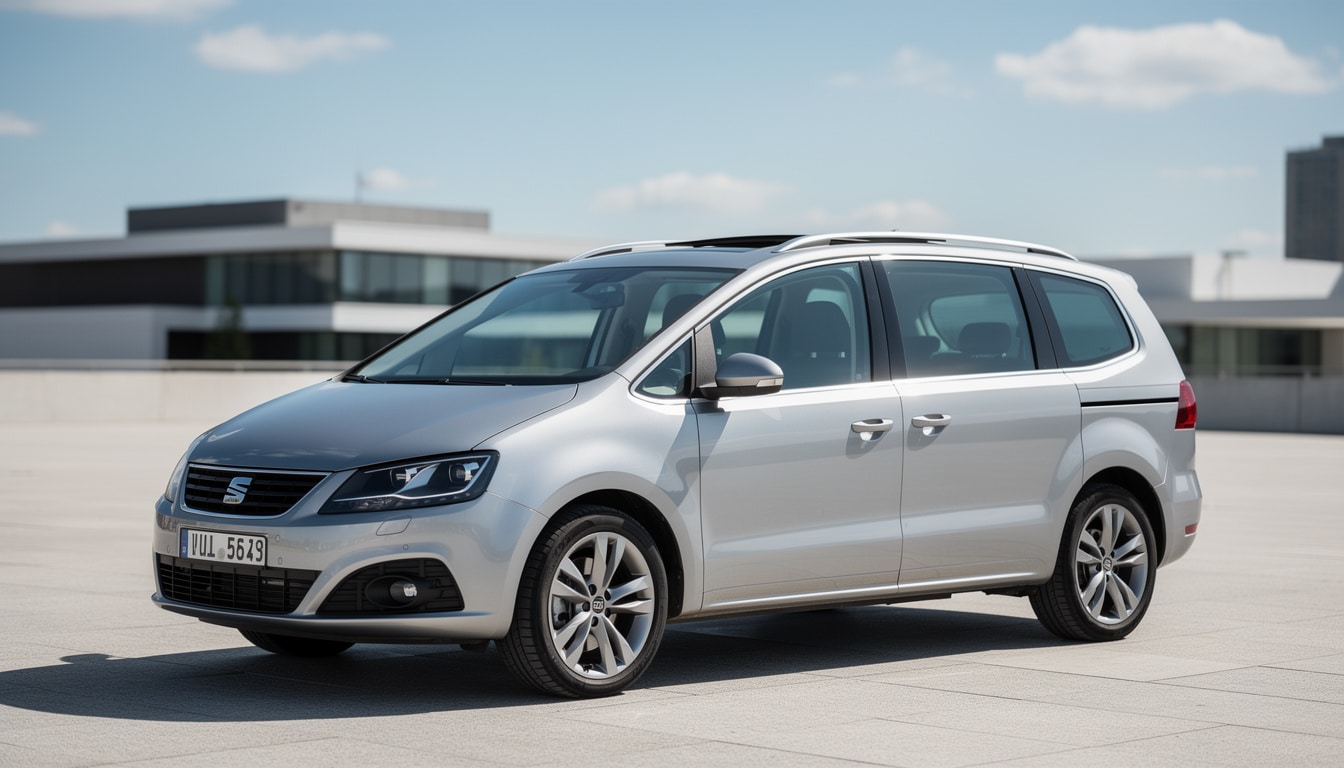
The Seat Alhambra has long been a preferred family vehicle, blending practical space with solid engineering. Since its launch in 1996 and subsequent redesign in 2010, this MPV has delivered reliable transport, though no vehicle is without its flaws. In 2026, the Alhambra remains a sensible choice for those seeking economy and performance in a roomy package. However, knowing the usual pitfalls is critical to avoid costly repairs and ensure vehicle longevity.
Key Takeaways:
- The Seat Alhambra is generally reliable with very few recalls reported over its lifetime.
- Common issues include panoramic sunroof leaks, cambelt clatter, suspension noise, and air conditioning faults.
- Ignoring cambelt maintenance can lead to severe engine damage and expensive repairs.
- Suspension drop link wear is typical but usually inexpensive to fix.
- Air conditioning repairs can exceed £1,000, so testing each unit thoroughly is essential before purchase.
Panoramic Sunroof Leaks: What to Check and How to Prevent Damage
The panoramic sunroof is one of the Seat Alhambra’s standout features on select trims, offering an airy and pleasant cabin atmosphere. Unfortunately, this luxury can come with hidden maintenance challenges. A frequent issue owners report is leaks forming around the sunroof edges. These leaks allow water ingress into the main cabin, which can accelerate interior degradation and cause electrical faults.
When inspecting a used Alhambra, I always recommend closely examining the sunroof seals. Look for signs of water staining or damp patches inside the vehicle headliner and door sills. Even a small seepage can mean the sunroof’s weatherproofing has deteriorated. Sometimes, the drainage channels designed to clear rainwater from the sunroof frame become blocked with debris, compounding the risk.
Early identification of leaks helps mitigate more expensive repairs down the line. Often, cleaning the drains and replacing worn seals is sufficient to restore integrity. Ignoring these signs can lead to mold growth, electronic sensor failures, or corrosion around the roof frame.
- Inspect door seals and headliners for dampness.
- Check sunroof drainage channels for blockages.
- Request records of any prior sunroof seal replacements.
- Test the sunroof opening and closing mechanism fully.
💡 Expert Tip: Even if the panoramic sunroof appears operational, insist on a water test during your viewing—spray water around the edges to reveal hidden leaks before committing to a purchase.
Understanding Cambelt Clatter and Engine Safety in the 2.0-Litre Alhambra
One critical mechanical area that requires vigilance, particularly on the popular 2.0-litre models, is the cambelt—also known as the timing belt. A clattering noise originating from this component commonly signals wear or imminent failure. Cambelt issues are no minor matter; failure can cause catastrophic engine damage, including bent valves or a ruined cylinder head.
The cambelt should always be replaced in line with manufacturer recommendations, generally every 60,000 to 100,000 miles, depending on the specific engine and year. When examining a potential purchase, ask for documented proof that cambelt and associated tensioners have been serviced recently.
Signs of cambelt trouble beyond noise include rough engine running, misfires, or even difficulty starting. Ignoring these symptoms to avoid upfront repair costs can result in bills soaring well above £1,000 for engine repairs. Compared to the expense, paying for regular cambelt replacement and inspection is a worthy investment to maintain engine reliability.
| Issue | Potential Cause | Symptoms | Repair Cost (Estimated) |
|---|---|---|---|
| Cambelt Wear or Damage | Age, Mileage, Poor Maintenance | Clattering Noise, Engine Misfires, Rough Idle | £400-£700 for Replacement £1,200+ if Engine Repair Needed |
| Poorly Maintained Suspension | Worn Drop Links or Bushings | Suspension Noise, Bumpy Ride | £100-£300 |
| Panoramic Sunroof Leak | Faulty Seals or Blocked Drains | Water Ingress, Damp Cabin | £150-£450 for Repairs |
| Air Conditioning Failure | Compressor or Electrical Fault | No Cooling, Heat Mode Only | £800-£1,200+ |
Maintaining the Cambelt: Owner Experiences and Best Practices
Owners who prioritize scheduled cambelt replacement rarely encounter engine troubles related to this part. Maintenance records that lack cambelt service history should be a red flag. Some Alhambra owners report that service neglect has led to expensive engine repairs, while others highlight the peace of mind that comes with proactive timing belt changes.
Regular oil changes also play an indirect role in cambelt longevity. Excessive engine oil leaks or contamination can degrade belts prematurely. Therefore, alongside cambelt checks, always ensure the engine bay is clean and free from leaks, preserving all mechanical parts involved.

Suspension Wear and On-Road Handling Concerns
The Seat Alhambra is designed for comfortable family driving, favoring ride quality over sporty handling. That said, sustained use on rough terrain or long mileage can bring common wear in suspension components, particularly the drop links and associated bushings.
A common test during a view involves driving the car over varied road surfaces to detect noises like clunks or squeaks in the suspension. Stationary checks are equally useful: pressing down on the bonnet and releasing it offers a glimpse into the damping function. If the vehicle bounces excessively or takes a long time to settle, worn shock absorbers or drop links are often the cause.
Fortunately, suspension-related repairs tend to be straightforward and economical compared to engine faults. Replacing drop links typically costs between £100 and £300 depending on labor rates and part quality. Addressing these issues promptly improves safety and preserves ride comfort, reducing risks linked to premature component failure on roads.
- Test suspension over uneven surfaces during a test drive.
- Listen for metallic knocks or rattles when cornering or braking.
- Check for excessive body roll or uneven tire wear.
- Inspect shock absorbers and drop links for damage or leaks.

Air Conditioning System Problems: Symptoms, Repairs, and Cost Considerations
Many Alhambra owners encounter challenges with their air conditioning systems as mileage accumulates. The unit may lose its cooling efficiency or suffer from electrical failures that render temperature control unreliable. Drivers often first notice these issues during summer months, but testing the AC during any season is advised before purchase.
Repairing or replacing compressors, sensors, or control modules can push bills over £1,000, making air conditioning faults one of the pricier reliability issues. For this reason, I recommend running the AC unit through its full range—from heating to maximum cooling—in a closed environment prior to buying. This straightforward check can uncover faults early and save significant expenses.
Some owners resolve minor AC glitches via simple refrigerant recharge or clearing condenser blockages. However, when electrical faults arise, dealer-level diagnostics and repairs might be mandatory. Given the expense, factoring potential AC repair costs into your budget is practical.
- Close all windows and test full heat and cold functions during a test drive.
- Watch for inconsistent airflow or unusual noises from vents.
- Request recent servicing records or refrigerant top-ups.
- Be cautious if the system fails to respond to temperature adjustments.
💡 Expert Tip: Running the AC on high cold blast for 5 minutes during a cold weather test drive can reveal hidden faults without discomfort; a useful trick when evaluating summer-dependent systems.
The Seat Alhambra in the Reliability Landscape and Maintenance Outlook
In the broader market context, the Seat Alhambra positions itself strongly among MPVs for reliability and day-to-day practicality. Unlike some contemporaries with known issues—like transmission problems in certain Audi Q5 models or electrical glitches reported in Volvo XC60s—the Alhambra has maintained a solid record with minimal recalls over decades.
However, potential buyers should approach the model with awareness of its typical common problems to avoid unnecessary repair costs. In 2026, access to affordable used parts—engines, gearboxes, and suspension components—is improving thanks to growing aftermarket support, making maintenance less daunting.
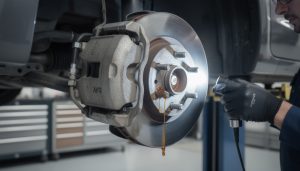
Aside from specific component checks, routine maintenance such as fluid changes, brake inspections, and tire maintenance remain critical for preserving overall vehicle reliability. Regular servicing by dealers or specialists familiar with the VW group platform underpinning the Alhambra also enhances longevity.
For those comparing in the family utility segment, models like the Land Rover Discovery Sport offer a different appeal but often come with a higher cost of ownership and reliability concerns. Exploring various reliability profiles can help make a confident selection.
Remember, a well-maintained Seat Alhambra delivers good performance, solid economy, and plenty of space—making it a smart choice for growing families and practical drivers alike.
For more insights about automotive reliability and comparisons, explore resources such as Land Rover Discovery Sport reliability issues and Audi Q5 reliability issues.
What are the most common problems with the Seat Alhambra?
Typical issues include panoramic sunroof leaks, cambelt noise, suspension wear, and air conditioning failures. Most problems are manageable with regular maintenance.
How often should the cambelt be replaced on a Seat Alhambra?
The cambelt usually requires replacement every 60,000 to 100,000 miles, depending on engine type and model year. Timely replacement prevents severe engine damage.
Are panoramic sunroof leaks expensive to fix?
Repairs typically cost between £150 and £450, but if water ingress causes electrical faults or interior damage, costs can increase substantially.
How can I check if the air conditioning system is working properly on an Alhambra?
Close all windows and test the full AC range, looking for consistent airflow and temperature control. Listen for unusual noises or weak cooling.
Is the Seat Alhambra a reliable family car?
Yes, when maintained properly, the Alhambra offers excellent space, economy, and mechanical reliability, making it a solid choice for family use.