The Peugeot 206 has long been celebrated for its blend of style, agility, and fuel efficiency, making it a favored choice among urban drivers and first-time car buyers. Introduced in 1998, this compact supermini became an automotive icon, standing as an evolution of the hugely successful Peugeot 205. Over its production run until 2016, more than 8 million units rolled off the assembly lines, attesting to its lasting appeal across various markets.
Despite its reputation, the Peugeot 206 carries with it a set of common issues that prospective buyers and current owners should be aware of. These range from mechanical quirks to electrical gremlins—factors that, if overlooked, can turn a cost-effective vehicle into a maintenance headache. As the car ages, understanding these typical faults is essential for preserving value and ensuring roadworthiness.
Key Takeaways:
- The Peugeot 206 is highly accessible in the used car market but often missing essential parts like the spare wheel due to theft.
- Central locking systems frequently suffer from faulty actuators causing locking/unlocking malfunctions.
- Later models reveal fragile indicator stalks that may break and compromise safety.
- Engine mounting problems, particularly in 1.4L engines, lead to vibrations and quicker engine wear.
- Flood damage risks gearbox issues and damp interiors, affecting clutch and gear engagement.
- Suspension faults such as worn front lower ball joints cause pulling and excessive vibration.
- Sunroof rattling is a notorious source of annoyance without a clear fix from Peugeot.
Understanding the Most Frequent Peugeot 206 Mechanical and Electrical Faults
When examining the Peugeot 206 through the lens of common issues, it becomes clear that mechanical consistency and reliability are variable depending on the model year and previous ownership. One of the first trouble spots to highlight is the vehicle’s engine mounting system.
Owners of the 1.4L variant, in particular, have often reported noticeable vibrations while idling or driving at low speeds. This typically signals deteriorated or broken engine mounts, which play a crucial role in smoothing out engine motion and minimizing vibration transmission to the cabin. Ignoring this fault accelerates engine wear and increases fuel consumption, ultimately leading to costly repairs.
Equally pressing are gearbox-related problems, especially in cars exposed to harsh environments. The 206’s gearbox can suffer if disturbed by water ingress. It’s not uncommon to find Peugeot 206s with a damp or musty smell inside, indicative of water leaking into the footwells. This moisture can severely affect gearbox components, causing difficulty in gear shifting or clutch engagement, detracting from the driving experience.
💡 Expert Tip: Always perform a thorough test drive and inspect the footwells for dampness in any second-hand Peugeot 206. Presence of water or a musty odor could be a red flag for underlying gearbox and electrical faults.
Another electrical concern is the central locking system. Peugeot 206 owners frequently find that locking or unlocking becomes erratic or completely inoperative. This loose behavior is mostly traced back to broken or failing actuators—small devices responsible for engaging and disengaging the locks. Replacing these actuators promptly is vital to restore security to your vehicle.
The indicator stalks also deserve specific mention. Particularly in models produced post-2001, the stalks show signs of fragility and can break on the shaft with relatively light use. While the indicators might continue to function, having a broken stalk is clearly unsafe and can lead to miscommunication on the road. Checking these before purchase ensures peace of mind for safe driving.
How Suspension and Brake Wear Can Impact Peugeot 206 Performance
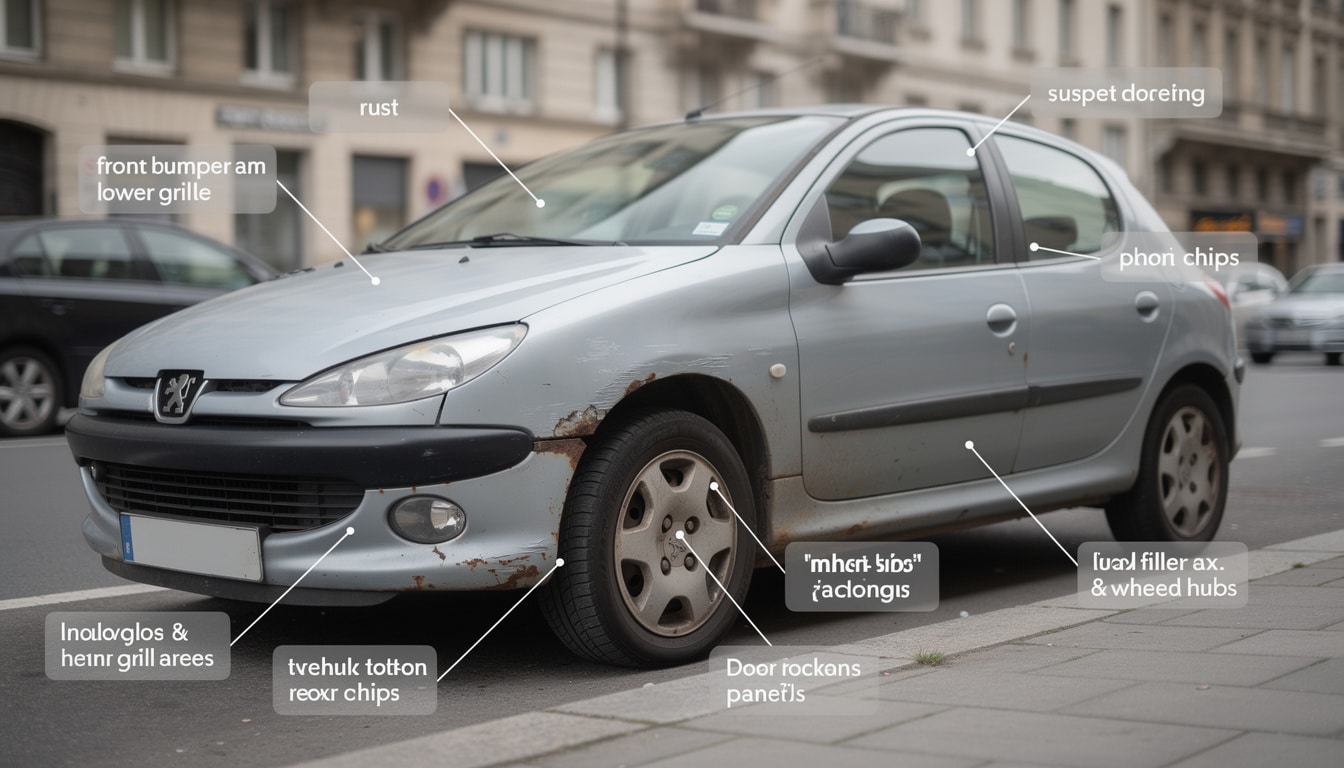
Among the most overlooked problem areas for the Peugeot 206 are its suspension components and braking system, both of which profoundly influence driving comfort and safety. The front lower ball joints notably stand out as a vulnerability. Ball joints connect the car’s wheels to its suspension system, allowing for smooth and flexible wheel movement.
When these joints wear out, drivers notice vibrations, pulling to one side, and a generally unstable driving feel. This is not just an annoyance; it directly affects tire wear and control, increasing the risk of accidents if not addressed properly.
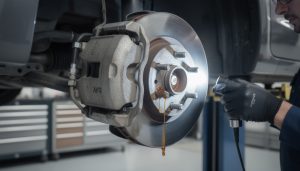
Brake wear is another critical issue. The Peugeot 206, like many compact cars, requires regular inspection and maintenance of its brake pads and discs to avoid noticeable fading or grinding noises during braking. Neglecting these parts can reduce stopping power significantly. For detailed guidance on brake wear management and maintenance, check resources like the Peugeot 308 common issues page that also highlights brake-related problems relevant across various models.
Regular servicing and using quality brake components can dramatically extend the life of the system and maintain safety standards.
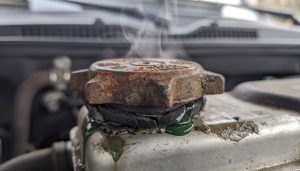
Cooling system performance is equally vital. Overheating or coolant leaks in the Peugeot 206 create a chain reaction of potential damage, from engine degradation to sudden breakdowns. Older models may experience leaks or thermostat failures, which if left unattended, can escalate repair costs significantly.
Suspension Fault Symptoms to Watch For
- Steering wandering or pulling left/right on straight roads
- Uneven tire wear patterns
- Unusual knocking noises over bumps or rough roads
- Reduced shock absorption or harsh ride quality
Brake Wear Warning Signs
- Squealing or grinding noises when braking
- Increased stopping distances
- Vibrations in the brake pedal or steering wheel
- Dashboard brake warning lights illuminated
Addressing Peugeot 206 Engine Trouble and Electrical Faults
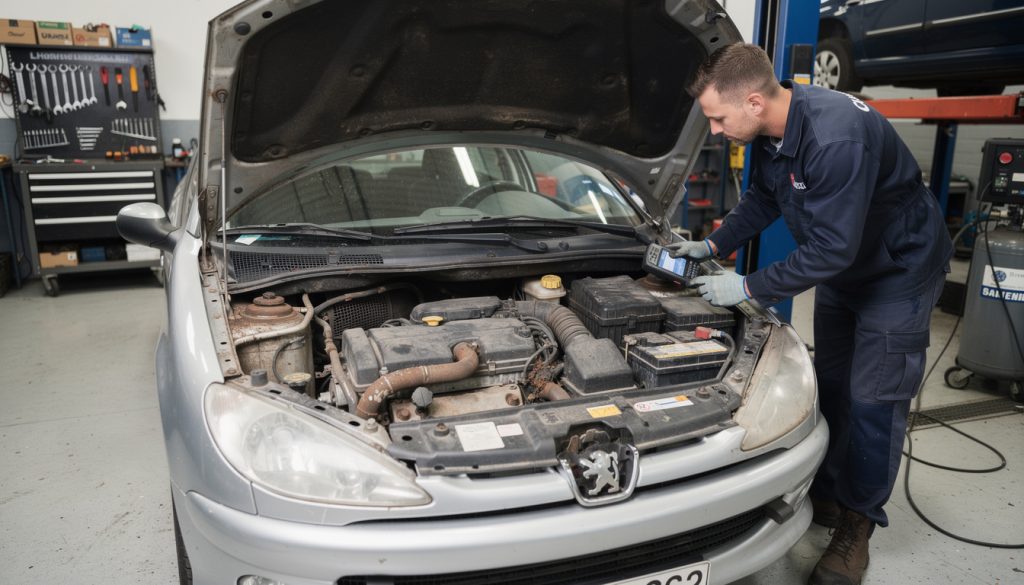
Engine trouble in the Peugeot 206 manifests primarily as starting problems, stalling, or power loss, often linked to the electrical system faults. An often discussed yet hard-to-pinpoint problem is a failure of the car’s entire electrical network, including dashboard instruments and powered components like wipers. These failures typically originate from a failing or loose battery connection, alternator issues, or worn wiring harnesses.
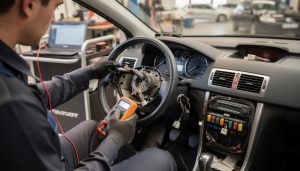
With the vehicle aging, electrical faults become increasingly common, manifesting as flickering dashboard lights, malfunctioning indicators, and intermittent loss of power to accessories. Such problems require diagnostic equipment for precise fault detection, especially for owners wanting to keep repair costs low by avoiding unnecessary replacements.
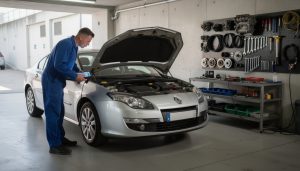
💡 Expert Tip: Investing in a detailed scan with an OBD2 diagnostic tool before buying a used Peugeot 206 can reveal hidden electrical issues and save costly surprises.
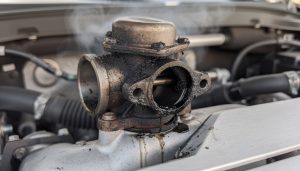
Another notable challenge in the engine bay pertains to engine management faults. Sensors such as the oxygen sensor or mass airflow sensor can degrade over time, disrupting the air-fuel mixture, affecting fuel economy, and increasing emissions. Regular maintenance that includes cleaning or replacing sensors guarantees smoother engine performance and improved reliability.

Common Second-Hand Purchase Pitfalls and Maintenance Tips for Peugeot 206 Owners
Considering the Peugeot 206 is widely available in the second-hand market at attractive prices, it’s tempting to snap up the opportunity. Nonetheless, buyers must remain vigilant of frequently missing key components like the spare wheel. Due to its popularity and ease of removal, the spare tire is often stolen, especially in urban areas. Always verify the presence of the spare wheel beneath the boot floor felt covering before sealing a deal.
Sunroof enthusiasts should proceed cautiously. The Peugeot 206’s sunroof is notorious for causing knocking and rattling noises that Peugeot has struggled to diagnose or rectify. For those preferring quiet drives, this can be an enduring source of frustration post-purchase.
Maintaining a Peugeot 206 in good shape boils down to attentive, regular servicing. Key points include checking suspension components, brake health, engine mounts, and the electrical system. Prioritizing these elements can extend the vehicle’s lifespan, enhance safety, and reduce unexpected repair bills.
If replacement parts become necessary, affordable options including both new and used Peugeot components are accessible online, helping owners keep repair costs manageable. Consider browsing dedicated parts websites or breaker link platforms specializing in Peugeot 206 parts for greater reliability and compatibility assurance.
Summary Table of Common Peugeot 206 Issues and Typical Remedies
| Issue | Symptoms | Cause | Common Solution | Estimated Cost Range (USD) |
|---|---|---|---|---|
| Spare Wheel Theft | Missing spare wheel in boot | High theft rate of easily removable wheel | Replace spare wheel; add lock or alarm | $100 – $250 |
| Central Locking Failure | Locks unlock/lock erratically | Broken lock actuator | Actuator replacement | $150 – $300 |
| Indicator Stalk Breakage | Physical breakage; possible malfunction | Fragile stalk plastic in later models | Replace stalk assembly | $75 – $200 |
| Engine Mount Wear | Vibrations at idle or acceleration | Worn or broken engine mounts | Engine mount replacement | $200 – $450 |
| Front Lower Ball Joints Fault | Vibration, dragging, uneven tire wear | Joint wear or failure | Replace ball joints and align wheels | $300 – $600 |

What are the tell-tale signs of engine mount failure in a Peugeot 206?
Common signs include increased vibrations felt within the cabin during idle or acceleration, engine movement noticeable under the hood, and sometimes unusual noises.
How can I check if the central locking system is functioning properly?
Test all door locks individually and via remote key fob. Watch for locks reversing action right after activation or failure to lock/unlock which indicates actuator issues.
Is it common for the Peugeot 206 sunroof to rattle?
Yes, many owners report disturbing knocking and rattling noises from the sunroof that Peugeot has yet to reliably diagnose or resolve.
What maintenance steps can reduce brake wear on the Peugeot 206?
Regular inspection of brake pads and discs, timely replacement of worn components, and avoiding heavy braking can substantially extend brake component life.
Where can I find affordable replacement parts for the Peugeot 206?
Breakerlink blog and other used parts suppliers online provide a great selection of new and used Peugeot 206 parts to keep repair costs down.