The BMW X4, a striking blend of sporty design and luxury, has captivated many driving enthusiasts looking for performance wrapped in elegance. Despite its appeal, owners and potential buyers often seek clarity on the BMW X4 common problems that could affect its reliability and driving experience. From engine trouble to evolving electrical glitches, understanding these issues evidently equips owners with the knowledge to proactively care for their vehicles. This detailed guide explores the prevalent challenges faced by X4 drivers and delivers practical advice on handling them effectively.
Delving into years of owner reports and expert analyses, this overview highlights the type of problems you might encounter during ownership, with a direct focus on BMW X4 maintenance tips and troubleshooting strategies that ensure peace of mind behind the wheel. Whether you’re planning to buy a used BMW X4 or maintaining your current ride, knowing these common issues puts you in control of your automotive destiny.
Key Takeaways :
- The BMW X4 exhibits recurring issues with its electrical system, transmission, and brake components.
- Some model years, notably 2015 and 2019, are associated with more frequent complaints and repairs.
- Regular maintenance and timely fluid changes can prevent many transmission and engine-related concerns.
- Suspension and steering problems may manifest as unusual noises or rough handling and should be addressed promptly for safety.
- Understanding error symptoms and employing professional diagnostics help resolve complex electronic and drivetrain issues efficiently.
Identifying the Most Frequent BMW X4 Engine Trouble and Effective Remedies
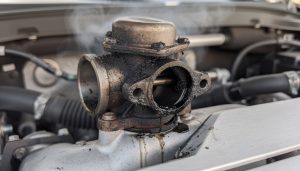
Engine performance issues are a critical concern among BMW X4 owners, especially as the vehicle ages. Common symptoms include unexpected oil leaks, fluctuating power delivery, and hesitation during acceleration. These problems often stem from aging engine mounts, faulty seals, or issues with the turbocharger system present in many X4 variants. The BMW X4 engine trouble manifests gradually, typically starting with minor oil seepage before escalating to more pronounced leaks.
One recurring cause is failing gaskets and seals, which allow oil to escape, potentially causing low engine oil levels and overheating. Moreover, worn engine mounts generate excessive vibrations, leading to discomfort and mechanical strain during acceleration. Recognizing these symptoms early and addressing them ensures the long-term vitality of your X4’s engine.
Addressing oil leaks involves a thorough inspection of valve cover gaskets, oil pan seals, and timing chain covers. Replacing these seals requires mechanical expertise but can prevent significant engine damage down the road. For engine mounts, replacement with OEM-quality parts restores vibration dampening and maintains proper alignment.
💡 Expert Tip: Regular oil checks and timely replacement of seals can stop small leaks from escalating into expensive repairs. Use quality synthetic oil recommended by BMW for optimum protection.
Preventive maintenance shines as the key to avoiding costly engine repairs. Routine oil changes, adherence to service intervals, and monitoring fluid levels must be part of every BMW X4 owner’s care routine. Additionally, addressing any unusual noises or vibrations without delay can safeguard against premature engine deterioration.
Tackling BMW X4 Electrical Problems: From Dashboard Glitches to System Failures
In terms of BMW X4 electrical problems, owners frequently report dashboard malfunctions, flickering instrument panels, and intermittent infotainment system freezes. These electrical system issues primarily originate from software bugs or degraded wiring connections, often exacerbated by moisture or corrosion. Additionally, faulty control modules might cause erratic behaviors in driver assistance packages or lighting systems.
Technical updates and software revisions from BMW dealerships effectively solve many minor glitches. However, real troubleshooting requires deeper diagnosis, especially in complex cases involving the vehicle’s Electronic Stability Control or powertrain electronics.
Routine maintenance focusing on battery health, fuse integrity, and moisture control inside electronic compartments minimizes these disruptions. If the dashboard lights flicker or display errors persist after resets, professional evaluation using advanced diagnostic tools is essential to pin down the root cause.
Moreover, owners have observed that electrical faults can sometimes impair basic safety features, which underscores the importance of timely repairs. Replacing corroded connectors, reseating loose plugs, and updating firmware ensure electrical systems remain reliable.
💡 Expert Tip: Don’t ignore dashboard warning lights even if the car seems fine. Early electronic diagnostics save both money and safety.
Addressing electrical issues quickly not only maintains vehicle comfort and luxury features but also guarantees all safety systems function correctly. The proactive upkeep of wiring harnesses and control units avoids much of the frustration linked with BMW X4 electrical problems.

Understanding BMW X4 Transmission Issues and How to Prevent Harsh Gear Shifts
Transmission is the heart of smooth driving, and unfortunately, the BMW X4 can experience notable transmission issues. Drivers report symptoms like hesitant gear changes, unexpected slips, or hard shifts that detract from the otherwise seamless driving experience the X4 promises. These issues typically arise due to worn clutch packs, degraded transmission fluid, or software calibration problems in the automatic gearbox systems.
Maintaining transmission health involves periodic fluid checks and scheduled replacements. Transmission fluid acts as a lubricant and coolant for gears and clutch components, preventing wear under high pressure and heat. If left unchanged, the fluid degrades, causing the transmission parts to slip or engage harshly.
BMW X4 transmission issues can be avoided by adhering strictly to BMW’s recommended maintenance intervals. Watching out for delayed engagement after shifting from park or hesitation during acceleration signals impending trouble. In such cases, prompt servicing can prevent complete transmission failure.
Owners should also be aware of software updates for transmission control modules. These updates, provided at dealerships, optimize shift points and improve responsiveness, potentially resolving smoothness complaints without replacing hardware.
Owners replacing worn transmission parts should insist on original or high-quality aftermarket components to restore reliability fully. Especially for higher mileage vehicles, this prevents frequent break-downs and costly repairs.
💡 Expert Tip: Schedule a transmission fluid change every 40,000 to 60,000 miles along with a transmission system diagnostic for long-term smoothness.
By maintaining the transmission thoroughly, BMW X4 owners can enjoy seamless gear shifts and avoid the costly headaches commonly associated with gearbox problems.
Addressing BMW X4 Suspension and Brake Problems to Maintain Safety and Comfort
The BMW X4 is renowned for its sporty handling and ride comfort, qualities heavily influenced by its suspension and brake systems. Yet, many owners experience BMW X4 suspension problems manifesting as clunking noises, uneven tire wear, and a progressively harsh ride. These symptoms often signal worn bushings, failed shocks, or misaligned wheels due to incorrect camber settings.
Suspension faults undermine both comfort and safety, especially as they affect vehicle stability and handling. Routine inspections for worn components, along with wheel alignments, help maintain the smooth driving dynamic BMW intends. Ignoring these signs can lead to tire damage and unsafe road behavior.
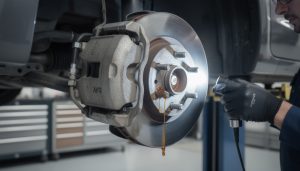
Brake issues similarly pose significant safety risks. Owners frequently report BMW X4 brake problems such as squealing, grinding noises, or a soft brake pedal feel. These symptoms often highlight worn brake pads, contaminated brake fluid, or caliper malfunctions.
Regular brake inspections and timely replacement of pads and rotors are essential for safety. Additionally, flushing the brake fluid per BMW’s schedule ensures responsiveness and prevents moisture buildup that can corrode the braking system.
Both suspension and brake repairs demand high-quality parts to maintain the original performance standards. When replacing shocks or brake components, choosing OEM or approved aftermarket solutions ensures durability and preserves vehicle safety ratings.
💡 Expert Tip: Check your tires for uneven wear regularly since it often points to suspension or alignment issues that require immediate attention.
Vigilant attention to suspension and braking systems not only sustains the BMW X4’s comfort but also safeguards passengers and other road users.

Proactive BMW X4 Maintenance Tips for Avoiding Common Troubles
It’s often said that prevention is the best cure, and this rings particularly true with the BMW X4. Avoiding the bulk of BMW X4 issues relies on a proactive maintenance approach guided by the manufacturer’s recommendations and informed observation.
Here’s a list of key maintenance actions every BMW X4 owner should prioritize:
- Regular oil and fluid checks: Engine oil, transmission fluid, brake fluid, and coolant should be monitored and changed as per intervals.
- Routine brake inspections: This prevents emergencies and preserves stopping power by replacing worn pads and flushing brake fluid.
- Suspension and alignment checks: Early detection of worn components mitigates costly repairs.
- Electrical diagnostics: Periodic system scans identify software updates or wiring repairs before faults become critical.
- Attention to warning indicators: Ignoring dashboard warnings can lead to serious failures; always seek expert evaluation.
Implementing these simple but effective maintenance tips drastically increases the BMW X4’s longevity and driving enjoyment.
A handy tool that any DIY enthusiast should own for routine maintenance is a precise torque wrench. This tool allows you to apply the exact torque specifications to bolts and nuts, a critical factor when working on suspension components or engine parts. Many BMW repair professionals stress its importance for avoiding overtightening that can damage components or undertightening that might compromise safety.
| Common BMW X4 Problems | Symptoms | Recommended Action | Approximate Cost Range |
|---|---|---|---|
| Engine oil leaks | Oil spots under car, burning oil smell | Replace seals/gaskets, check oil level | $300 – $1200 |
| Electrical glitches | Dashboard flickering, infotainment freezing | Software update, wiring inspection | $100 – $600 |
| Transmission rough shifts | Delayed gear response, slipping gears | Fluid change, transmission service | $200 – $1500 |
| Suspension wear | Clunking noises, uneven tire wear | Replace bushings/shocks, wheel alignment | $400 – $1000 |
| Brake wear | Squeaking, soft pedal | Pad replacement, brake fluid flush | $150 – $700 |

What year BMW X4 is considered the most reliable?
Models produced in 2016, 2017, and 2020 have been reported to exhibit fewer mechanical and electrical problems, making them more reliable choices for buyers.
Which BMW X4 years should be avoided due to frequent issues?
The years 2015 and 2019 have higher than average reported problems, especially regarding brakes and suspension, so potential buyers should exercise caution when purchasing these models.
How often should I replace the transmission fluid on a BMW X4?
It is advisable to change the transmission fluid every 40,000 to 60,000 miles, depending on driving conditions, to maintain smooth shifting and prolong transmission life.
Can I fix BMW X4 electrical problems myself?
Basic electrical issues like blown fuses or dead batteries can be addressed at home, but complex wiring or control module repairs require professional diagnostics and service.
What are the signs of bad suspension on a BMW X4?
Common symptoms include clunking sounds, uneven tire wear, harsh ride quality, and steering instability. Early inspection is crucial to avoid further damage.