The BMW X6 has long stood out as a luxurious and stylish vehicle in the SUV market, boasting a bold coupe-like design and impressive performance credentials. However, beneath its sophisticated appearance lies a mechanical complexity that can lead to a series of common problems affecting reliability and lifespan. Understanding these issues is crucial for current owners and potential buyers who want to safeguard their investment and avoid unexpected repair costs. In this detailed exploration, I will shed light on the most frequent challenges encountered by BMW X6 owners, ranging from engine concerns to electrical faults, and provide practical advice on effective solutions.
Recognizing how these problems manifest and learning the most effective repair strategies not only helps protect your vehicle but also enhances your confidence as an X6 owner. From engine oil leaks to transmission hiccups and sensor failures, the BMW X6 environment demands attentive maintenance and knowledgeable handling to maintain optimal operation. Let us delve deeply into these issues to help you navigate ownership with clarity and assurance.
Key Takeaways :
- Engine issues including swirl flap failures and oil leaks are the most frequent and costly problems on the BMW X6.
- Transmission problems such as mechatronic faults cause erratic shifting, requiring early detection to avoid high repair bills.
- Electrical faults including sensor failures and dashboard warning lights are common and often indicate deeper system-wide concerns.
- Brake and suspension issues require vigilant maintenance, given premature wear and possible system malfunctions.
- Proactive diagnostics and regular service are key to preventing minor issues escalating into costly repairs on the X6.
Engine Issues and Common Fixes for the BMW X6
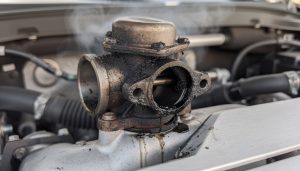
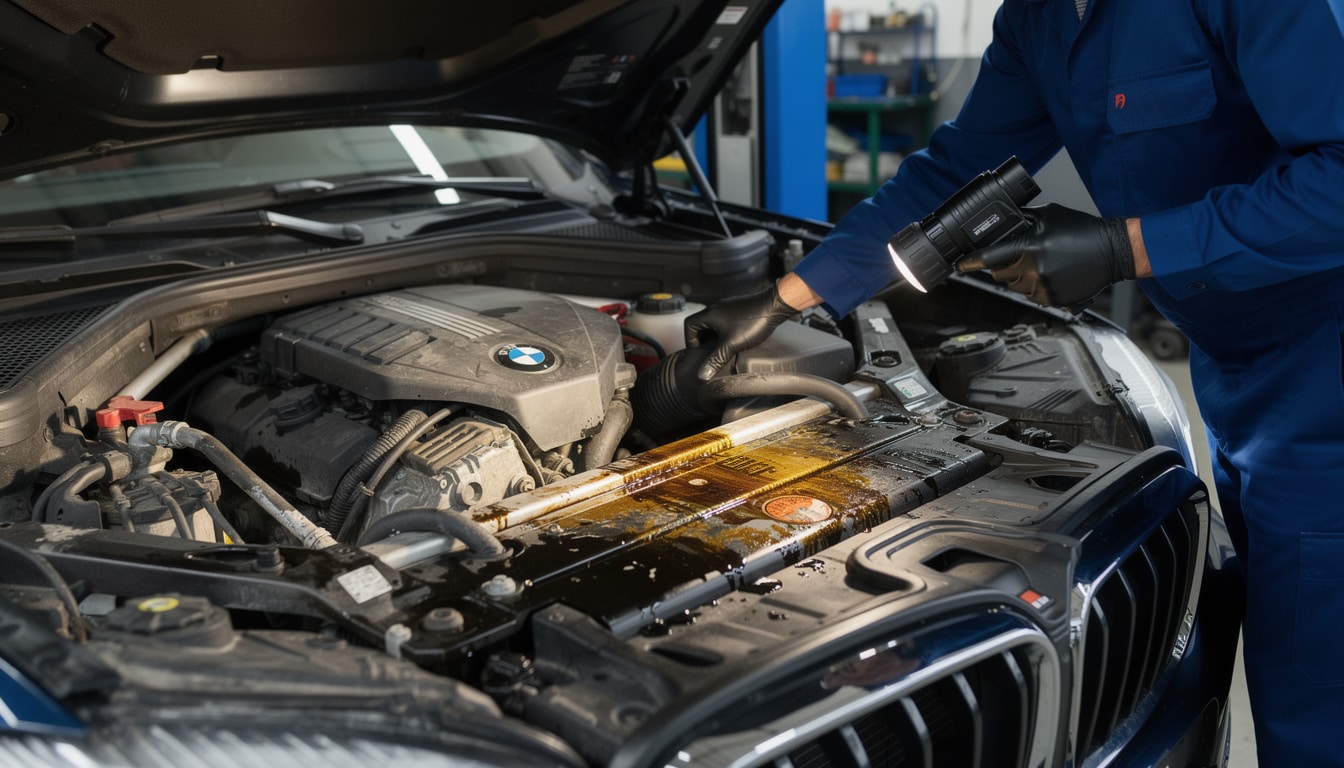
The engine is the heart of the BMW X6, yet it is also the most frequent source of trouble, accounting for nearly half of all reported problems. A central concern is the failure of the swirl flaps in diesel engine models, where broken components allow metal debris to enter the combustion chamber, risking catastrophic engine damage. This issue can quickly escalate to the point where a full engine replacement is necessary if left unchecked.
Additionally, the presence of oil leaks around the intake manifold is a common early warning sign that shouldn’t be ignored. These leaks can lead to decreased engine efficiency and increased wear on parts. The 35i petrol models are particularly vulnerable to engine malfunction events characterized by power loss, often exacerbated by heat. Causes include air contamination in the fuel lines and faulty piezoelectric wastegate actuators, which require targeted diagnostics and part replacement.
💡 Expert Tip: Regularly inspect your BMW X6 engine bay for oil residue and unusual noises during hot weather, especially in 35i models. Early diagnosis can save thousands in repairs.
To address these engine troubles proactively, I recommend scheduling diagnostic scans every 15,000 miles, focusing on intake integrity and sensor data. Repair options vary from simple gasket replacements to more involved component swaps, but timely intervention dramatically reduces the likelihood of total engine failure.
Owners should also ensure adherence to manufacturer-recommended oil change intervals and use high-quality synthetic oils to minimize wear and manage oil consumption. Such attention prolongs engine life and maintains performance, reducing the chance of experiencing costly repairs.
Transmission Problems: Symptoms, Causes, and Repair Strategies
Transmission problems, although less frequent than engine issues, represent a critical area demanding scrutiny on the BMW X6. The vehicle’s automatic transmission is vulnerable to mechatronic unit malfunctions, often occurring before the 100,000-kilometer mark. This electronic control module controls gear shifts and, when faulty, results in erratic shifting, jerking acceleration, delayed gear engagement, and sometimes sudden gear changes that jeopardize driving safety.
Transmission fluid contamination and solenoid wear are key contributors to the degradation of transmission components. In many cases, these failures are accompanied by warning lights on the instrument cluster, signaling the need for immediate attention. Repair costs for transmission issues often exceed $3,000, underscoring the importance of early detection.
💡 Expert Tip: Pay close attention to shifting behavior and schedule transmission fluid changes every 40,000 miles to extend transmission longevity and prevent mechatronic damage.
Effective repair strategies focus on replacing or refurbishing the mechatronic unit, changing contaminated fluids, and ensuring solenoid valves operate correctly. For some models, software updates may resolve minor glitches. I advise owners to work with BMW specialists who have advanced diagnostic tools to accurately pinpoint transmission faults.
Electrical Faults and Sensor Failures: Navigating the BMW X6’s Complex Systems
BMW X6 owners often report various electrical faults which can hinder everyday operation and generate safety concerns. Approximately 22% of the X6 repairs are related to electrical and air conditioning system problems, implying significant complexity within the vehicle’s digital architecture.
Common manifestations include instrument cluster malfunctions, failures of the iDrive infotainment system, and digital dashboard breakdowns. Sensor module disconnections are also frequent, often resulting in sporadic or total failure of multiple vehicle systems. These electrical disruptions typically occur between 50,000 and 80,000 miles, sometimes involving costly repairs ranging from $500 to $2,500.
Underlying causes often involve corroded wire connections, damaged insulation, or grounding faults. The intricate wiring harnesses of the BMW X6 increase vulnerability to short circuits and intermittent electrical disruptions, further complicating diagnosis and repair. Bad grounding or corroded wiring at electronic junction points can cause system-wide erratic behavior, making professional diagnostics essential.
Dashboard warning lights, such as the Service Engine Soon, Battery Warning, Check Engine, or Electrical System Error lights, are vital indicators of underlying electrical problems and should never be ignored. Immediate diagnostics can prevent cascading failures, especially in models with known sensor reliability issues.
Electrical Maintenance Recommendations
- Have wiring harnesses inspected for corrosion and insulation wear every 30,000 miles.
- Perform a full electrical system scan during major services to catch sensor degradation.
- Replace faulty sensors promptly to avoid system malfunctions that affect engine or safety features.
- Keep software and system firmware up to date via authorized BMW services.

Brake and Suspension Issues: Safety and Performance Concerns
The BMW X6’s braking and suspension systems play a critical role in delivering the vehicle’s performance and safety profile. However, brake problems and suspension issues rank among the frequent complaints from X6 owners, accounting for nearly 13% of total complaints. Electric handbrake malfunctions are a notable concern, causing either unexpected brake engagement or failure to engage, which poses obvious safety risks.
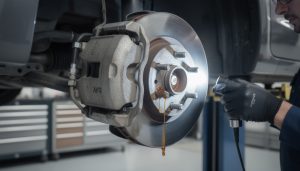
Brake pads in the X6 wear faster than average, with owners reporting replacements required between 20,000 and 30,000 miles, especially for models produced from 2008 to 2014. Rotor warping and uneven brake pad wear further compound braking deficiency, often traceable to manufacturing defects or driving conditions.
Suspension troubles, although less frequently reported, still deserve mention. Issues can range from premature wear of control arms to loose mounting points leading to compromised stability. The 2018 recalls for rear upper control arm pivot bolts highlight the significance of this problem, as structural weaknesses affect vehicle handling and road safety.
Vigilant inspection and timely maintenance of brake pads, rotors, and suspension bushings can prevent costly replacements or accidents. Brake system inspections every 20,000 miles and suspension checks during major service intervals are critical for safe X6 ownership.
Common Brake and Suspension Maintenance Tips
- Regularly monitor brake pad thickness and rotor condition to avoid sudden failures.
- Have electric handbrake sensors tested annually due to their complexity.
- Inspect suspension components during tire rotations or when handling changes noticeably.
- Address any unusual noises or vibrations immediately with a qualified mechanic.

Maintenance Planning and Repair Cost Insights for BMW X6 Owners
Maintaining a BMW X6 is a commitment that goes beyond routine upkeep. These vehicles demand a significant financial and technical investment due to their sophisticated engineering and complex systems. Repair costs over the vehicle’s lifespan notably exceed typical luxury SUV averages, with estimated maintenance spending around $18,800 during the first decade of ownership.
Serious repairs, such as EGR cooler replacements or brake hydraulic unit fixes, can range from $1,500 up to $3,000 per event, depending on parts and labor. Recurring issues like these underscore the importance of planning and budgeting for comprehensive maintenance to avoid unpleasant surprises.
Service intervals should be strictly observed, with oil changes occurring every 10,000 miles, brake inspections every 20,000 miles, transmission servicing at 40,000 miles, and major systems checked every 60,000 miles. Owners who engage independent BMW specialists equipped with advanced diagnostics often find more cost-effective solutions without compromising quality.
| Service Type | Recommended Interval | Estimated Cost Range |
|---|---|---|
| Oil Change | Every 10,000 miles | $150 – $250 |
| Brake Inspection | Every 20,000 miles | $100 – $200 |
| Transmission Service | Every 40,000 miles | $300 – $500 |
| Major Service | Every 60,000 miles | $800 – $1,500 |
Additionally, owners can reduce long-term expenses by investing in diagnostic tools for periodic system checks and tracking vehicle performance metrics systematically. Preventive maintenance backed by early problem detection remains the best defense against expensive and disruptive BMW X6 repairs.
💡 Expert Tip: Maintain detailed service records and consider extended warranties or maintenance packages when purchasing, especially from used car markets, to safeguard against common X6 repairs.
What are the most common engine problems with the BMW X6?
The most common engine issues in BMW X6 include swirl flap failure in diesel engines, oil leaks around the intake manifold, and engine malfunctions in petrol models, notably the 35i version, often related to fuel contamination or actuator failures.
How can I identify transmission problems in my BMW X6?
Look for symptoms such as jerky acceleration, delayed gear shifts, unexpected gear changes, and warning lights on the dashboard. Transmission fluid contamination is also a key cause and requires timely fluid changes and diagnostics.
Why does my BMW X6 have frequent electrical faults?
Electrical faults often originate from corroded wiring, sensor failures, and grounding problems within the vehicle’s complex electronic systems. Regular diagnostic scans and prompt sensor replacement help maintain system reliability.
What maintenance schedule should I follow for my BMW X6 brakes and suspension?
Brake inspections should be conducted every 20,000 miles, with suspension components checked during major services or if driving performance changes. Electric handbrake sensors require annual testing due to their sensitivity.
Are BMW X6 repair costs higher than average for luxury SUVs?
Yes, owning a BMW X6 involves higher-than-average maintenance expenses, with a decade of service costs around $18,800 and frequent repairs costing up to several thousand dollars. Preventive maintenance and choosing specialized mechanics can help manage these costs.