The Ford Fusion has earned a distinct place in the midsize sedan market thanks to its appealing design, practicality, and promise of solid daily driving. Yet, like every vehicle with a storied production history, it comes with its share of challenges. Over the years, Ford Fusion owners and automotive experts alike have observed a range of recurring issues affecting the car’s performance and long-term reliability. Whether you’re a potential buyer, a current owner, or an enthusiast seeking a deeper understanding of this model, the nuances of these common problems provide crucial insight. This detailed exploration sheds light on what to expect from the Ford Fusion, rooted in technical expertise and real-world data, helping you navigate ownership with confidence in 2026 and beyond.
Key Takeaways :
- Transmission issues ranging from rough shifting to total failure impact multiple model years.
- Power steering problems particularly in the 2011 model, can necessitate costly part replacements.
- Fuel pump failures in 2012 Fusions lead to performance and starting troubles.
- Electrical faults like false warning lights and door latch malfunctions are common but repairable.
- Availability of affordable Ford parts helps mitigate repair costs and maintain durability.
Understanding Ford Fusion Transmission Issues and Their Impact on Reliability
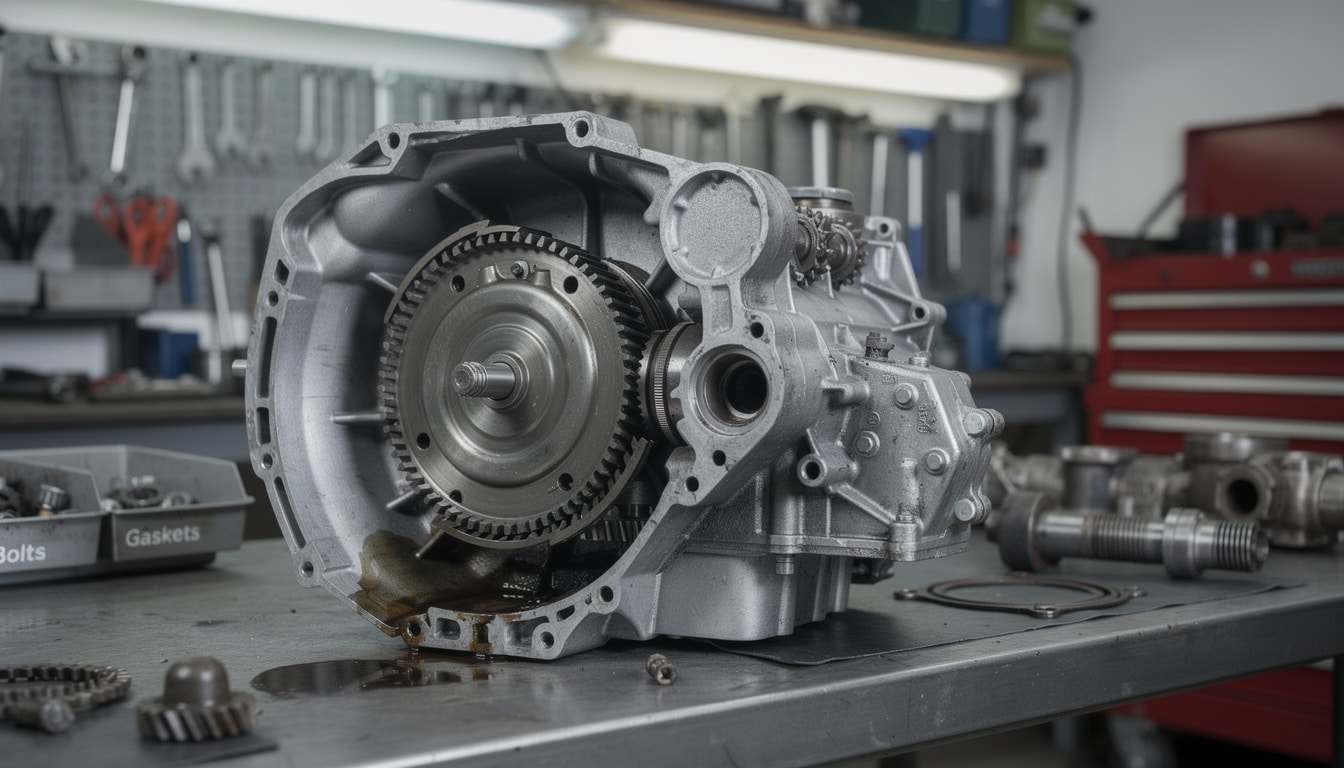
One of the most critical areas where the Ford Fusion experiences reliability challenges concerns its transmission system. The models produced in the late 2000s and early 2010s have reported several problems, which potential buyers and current owners should inspect thoroughly. For example, the 2007 Fusion often exhibits rough shifting and disturbing whining sounds, signaling early signs of mechanical wear or electronic control system glitches. Moving to the 2008 models, owners frequently report transmission slippage, which can compromise acceleration and fuel efficiency.
The most severe cases appear in 2012 models equipped with the 2.5L engine, where owners describe a harsh banging sensation during gear changes. These symptoms indicate deteriorated automatic transmission components, sometimes caused by worn clutch packs or faulty solenoids. While some transmission concerns can be addressed through powertrain reprogramming or fluid replacement, others demand a complete gearbox replacement—a financially significant undertaking.
Such transmission faults directly affect the overall durability and lifespan of the vehicle and can markedly increase repair costs. When assessing used Ford Fusions, a detailed transmission check is imperative. Listen closely for any irregular noises during test drives and verify shifting smoothness across all gears. If problems are detected, consider walking away unless you are prepared for costly repairs.
💡 Expert Tip: Always request a maintenance history focusing on transmission fluid changes and software updates, which can prolong transmission health significantly.
This emphasis on transmission reliability is not unique to the Ford Fusion; midsize sedans from competing brands also encounter similar issues, but Fusion owners must be particularly vigilant given the model’s track record. For comparison, consulting resources like consumer reports on comparable vehicles can provide perspective on how much these transmission troubles weigh against peers.
Power Steering Woes: Assessing the Steering Responsiveness in Ford Fusions
Another frequently reported area of concern involves the power steering system, notably for those considering or owning the 2011 Ford Fusion. Drivers often describe the steering as feeling unusually heavy or sluggish, especially noticeable when maneuvering at slow speeds or performing tight turns. This symptom, combined with groaning or croaking noises emanating from the system, strongly points to impending failures in the steering rack or power steering pump.
The underlying causes can range from fluid leaks to worn mechanical components within the gear assembly. When these signs appear, the cost of replacing the steering rack can be sizable but unavoidable to restore normal handling characteristics. Prompt recognition of these symptoms is vital since compromised steering severely diminishes vehicle safety and driver confidence.
Power steering issues in this model do not only affect comfort but also elevate maintenance budgets. Fortunately, genuine Ford parts remain widely accessible, allowing owners to avoid the often excessive prices of aftermarket components while securing a reliable fix that aligns with manufacturer standards.
💡 Expert Tip: If the steering feels uneven or noises emerge, check the power steering fluid level and condition as an immediate step; low or contaminated fluid often exacerbates mechanical wear.

Fuel Pump Failures and Engine-Performance Concerns in the 2012 Ford Fusion
Performance irregularities in the 2012 Ford Fusion frequently trace back to fuel pump malfunctions. This crucial component is responsible for delivering the precise fuel flow necessary to maintain consistent engine power and response. Owners have reported symptoms such as engine temperature spikes, power loss under stress, starting difficulties, and unexpected surging.
Such erratic behavior tends to degrade the driving experience and raises red flags for engine reliability. Given that these issues often stem from a faulty fuel pump, the classic fix involves a complete fuel pump replacement, a repair that is unfortunately both complicated and costly. Ignoring these signs can lead to further engine damage or stranded situations, emphasizing the need for proactive diagnostics when performance dips are noticed.
Regular maintenance schedules recommend fuel system inspections and timely filter replacements to protect the fuel pump and related components. Addressing these issues early safeguards not only engine health but also overall vehicle reliability in the long term.

Electrical Faults and Dashboard Warning Lights: What to Watch Out For
Electrical irregularities are an often underestimated but critical component of overall vehicle dependability. The Ford Fusion’s electrical system is known to emit false warning lights, which confuse owners and complicate proper diagnosis. Notably, across numerous model years, the ABS sensor lights activate without genuine faults, leading to unnecessary anxiety and sometimes costly diagnostics.
The 2008 Fusion models are also infamous for unexplained engine warning lights that illuminate unexpectedly. These erratic signals can obscure authentic issues, causing owners to disregard actual safety concerns. As a rule, any form of persistent dashboard warning light should be investigated promptly by professionals specialized in Ford vehicles.
Other common electrical weaknesses include malfunctioning door latches—especially prevalent in 2008 models—which compromises convenience and safety. The replacement of door latch mechanisms is generally straightforward and affordable but should be verified during pre-purchase inspections to avoid future inconveniences.
Understanding these electrical quirks is essential for maintaining the Fusion’s reliability and ensuring peace of mind. Staying alert to dashboard cues and verifying electrical system health reduces unforeseen expenses and extends the vehicle’s viable lifespan.
Maintenance, Repair Costs, and Real Ownership Experience: Navigating Ford Fusion Durability
The Ford Fusion’s reputation as a practical and budget-friendly option for first-time buyers and families hinges largely on its overall maintenance and repair profile. Its widespread popularity has driven a solid aftermarket supply of parts, making replacements like engines, gearboxes, and body components cost-effective compared to some rivals.
Owners appreciate the Fusion’s fuel economy and insurance affordability, suited well for daily commuting, errands, and even as a secondary family vehicle. The Fusion’s straightforward engineering also facilitates many DIY repair opportunities, helping keep long-term ownership costs manageable. However, being vigilant about known faults—especially in transmission, steering, and fuel systems—dramatically influences ownership satisfaction.
By monitoring key maintenance intervals, promptly repairing issues, and leveraging the availability of affordable Ford parts, owners can enjoy the Fusion’s benefits while minimizing unexpected expenses. This strategic approach enhances the sedan’s durability profile and justifies its continued appeal among midsize sedan shoppers in 2026.
| Ford Fusion Component | Common Issues | Typical Repair Cost | Repair Complexity |
|---|---|---|---|
| Transmission (2007-2012 models) | Rough shifting, slippage, banging | $1,500 – $4,000 | High (may require full replacement) |
| Power Steering (2011 model) | Heavy steering, groaning noises | $600 – $1,200 | Medium |
| Fuel Pump (2012 model) | Starting issues, loss of power | $500 – $900 | Medium to High |
| Electrical – ABS sensor lights | False warning lights | $100 – $300 | Low (sensor reset/replacement) |
| Door Latches (2008 model) | Latches break or fail | $150 – $350 | Low |
For a detailed look into how the Fusion compares with other vehicles in terms of long-term reliability, it’s informative to review consumer reports and automotive reliability studies. These resources reveal that the Ford Fusion, while generally robust, performs variably depending on the specific model year and maintenance record. Potential buyers should weigh these factors alongside their personal needs and budget.
Understanding Hyundai Tucson reliability offers a comparison point to evaluate whether the Fusion truly fits your expectations in terms of durability and maintenance.
Are Ford Fusion transmission problems common across all years?
Transmission issues are mostly reported in models from 2007 to 2012, with some years more affected than others. Newer or well-maintained vehicles tend to experience fewer problems.
Can electrical warning lights on the Ford Fusion be safely ignored?
No. Persistent warning lights should always be diagnosed promptly to avoid underlying safety or mechanical problems.
Is the Ford Fusion a cost-effective choice for a first car?
Yes. Its fuel economy, spacious interior, and reasonable repair costs make it suitable for first-time owners if the vehicle is carefully inspected beforehand.
How often should the Ford Fusion’s power steering be checked for faults?
It’s advisable to inspect the power steering system during routine services or if unusual noises or steering heaviness are noticed to prevent costly repairs.
Are parts for Ford Fusion readily available and affordable?
Thanks to the Fusion’s popularity, genuine and aftermarket parts are widely available and reasonably priced, facilitating easier and cheaper maintenance.